News

British Museum

Editorial from Exhibo and official announcements from British Museum.

News by Exhibo

Editorial coverage on Exhibo

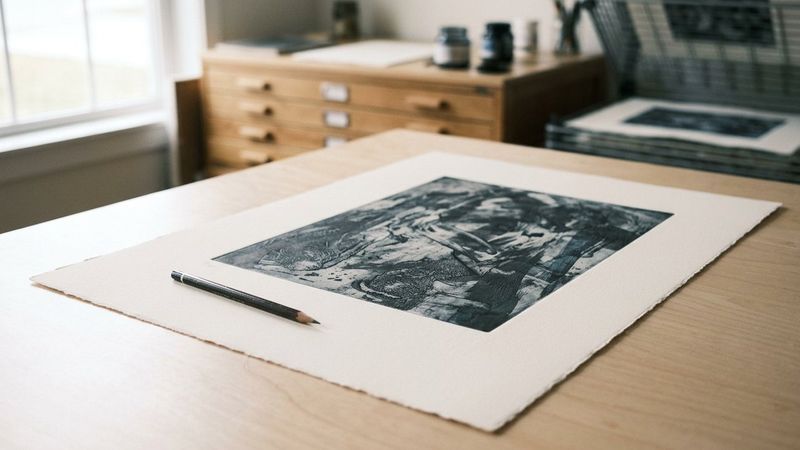
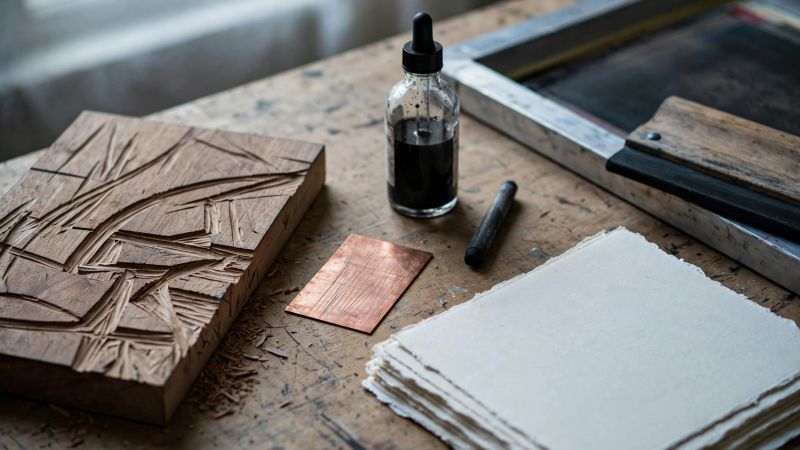
Printmaker’s table with a finished print, hard graphite pencil and edition fraction being written in the lower left margin
Guide

How to Sign and Number an Edition

Pencil layout, fraction numbering and AP/HC/PP marks so every impression in your limited edition reads as authorised studio practice

Sign and number limited edition prints with standard pencil placement: edition fraction left, optional title centre, signature right. Covers AP, HC, PP and BAT marks, 2H pencil habits, full-bleed and verso signing, workshop chops, a materials table, professional studio practice, costs and when to bring in a master printer or publisher.

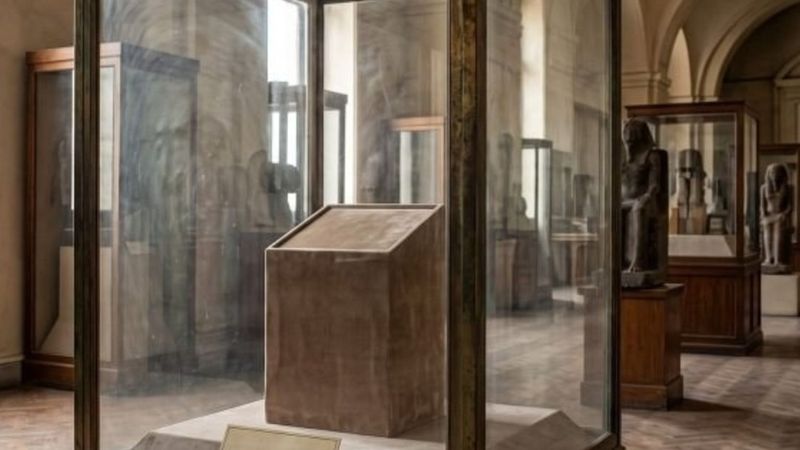
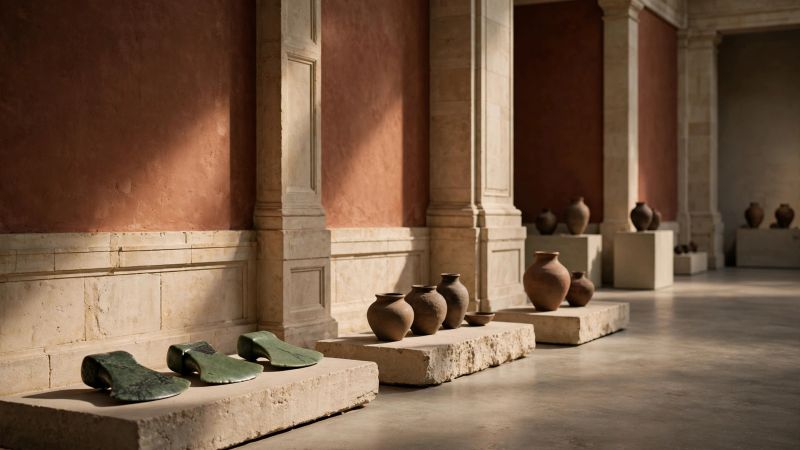
The empty glass case on the upper floor of the Egyptian Museum in Cairo where Tutankhamun's golden mask stood for decades, before its 2025 transfer to the Grand Egyptian Museum.
Editorial

The House Whose Famous Guests All Moved Out

When Tutankhamun's mask left Cairo's Egyptian Museum for the Grand Egyptian Museum, it took the crowds with it — but not the collection. What remains in the old building on Tahrir Square turns out to be a stranger and more interesting museum than the one that emptied.

For most of a century, the golden mask of Tutankhamun stood behind glass on the upper floor of the Egyptian Museum in Cairo. In October 2025 it was driven out to Giza, and it was not the only thing to go: the royal mummies, the whole Tutankhamun collection, tens of thousands of objects have left the old museum for Egypt's gleaming new institutions.
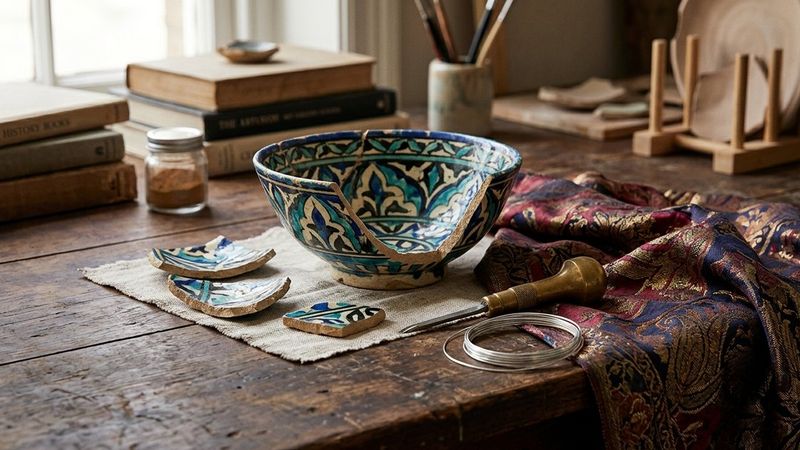
Workshop still life with Islamic ceramic bowl shards in cobalt and turquoise glaze, brass inlay tools and silk thread on a wooden bench in warm sidelight
Guide

Islamic Decorative Arts: Ceramics, Metalwork, Glass and Textiles

From Kashan luster bowls to Mamluk mosque lamps and Safavid silks: a museum survey of four luxury media with named works in London, New York and Doha

Islamic decorative arts are the portable luxury crafts of Muslim-ruled lands: pottery and tile, inlaid brass, enamelled glass, woven silk and knotted carpet. This survey follows workshop conditions, techniques and trade from Abbasid Iraq to Ottoman Istanbul, with four close readings and a media comparison table, while Iznik depth, arabesque theory and building programmes sit in sibling articles on the series hub.

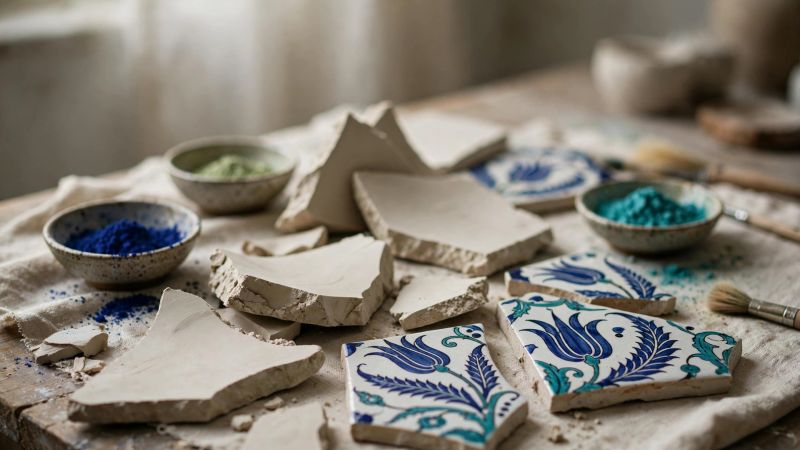
Iznik-style ceramic tile workshop atmosphere with cobalt and turquoise glazed fragments and saz leaf motifs in warm studio light, no readable inscriptions.
Guide

Ottoman Art and the Court Workshop

Court workshops, Iznik tiles, metalwork, textiles and imperial architecture from Bursa to Topkapı, with named museum works

Ottoman art names the luxury objects, tiles, metalwork, textiles and architectural programmes made under sultans from the fourteenth century to the early twentieth. The Ehl-i Hiref court corps and the nakkashane design office coordinated makers in Istanbul, Iznik and Bursa. This survey stays with workshop organisation and decorative media; miniature painting and manuscripts sit in sibling guides.

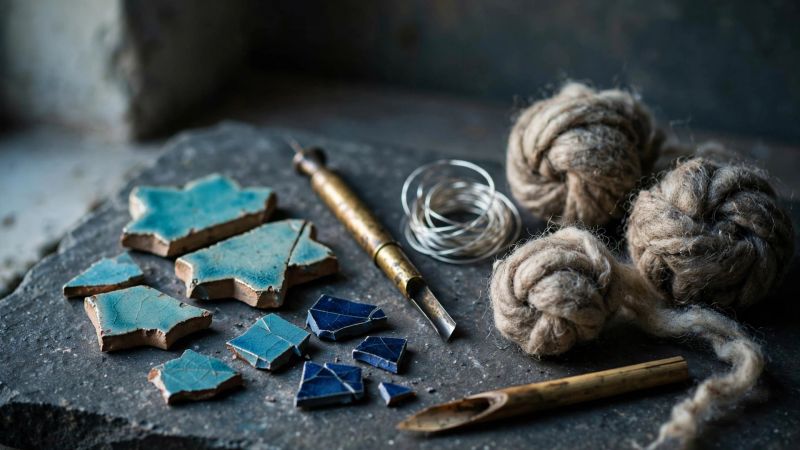
Editorial still life of Islamic art workshop materials: cut glazed tile fragments, brass inlay tools, carpet wool skeins and a reed pen on dark stone under cool sidelight
Guide

What Is Islamic Art?

From Umayyad Damascus to Safavid Isfahan: a museum map of calligraphy, tile, carpet and metalwork with named works you can still visit

Islamic art is the visual culture of Muslim-ruled lands from the seventh century onward, not one decorative style. This hub walks patronage, media and workshop habits from early caliphates through Ottoman and Safavid courts, with dated objects in New York, London and Doha, then points muqarnas, aniconism and living Arab art to their own pages on the site.

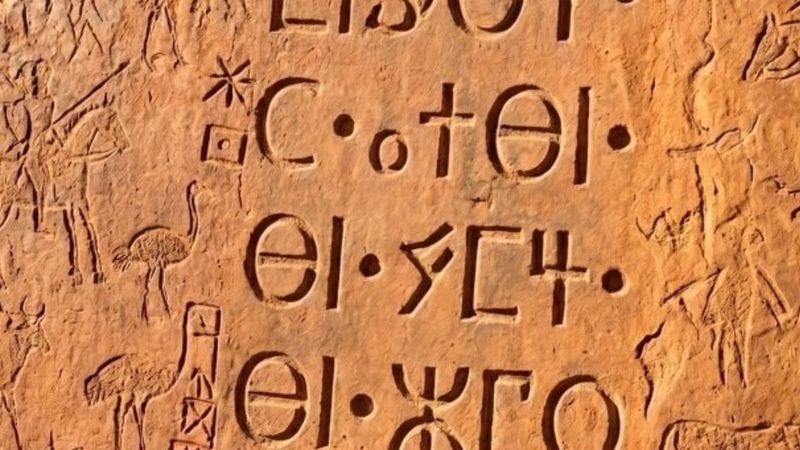
Stylised illustration of Tifinagh-like signs incised on a sandstone panel among desert rock-art figures of cattle, horsemen and ostriches — evoking the Libyco-Berber inscriptions of southern Morocco.
Editorial

The Visual Language Older Than Arabic

How one of North Africa's oldest writing traditions survived conquest, colonial classification and the loss of its readers — and why, for much of it, we still cannot say what the marks mean.

A flat rock in southern Morocco is covered in a script you can see is writing and still cannot read a word of. It belongs to the Amazigh — a visual language older in North Africa than the Arabic alphabet, carried onto skin and wool and silver, nearly erased, and now reassembled into an alphabet on ministry walls. This is the story of what survived, what didn't, and why almost everything we "know" these signs mean was added later.

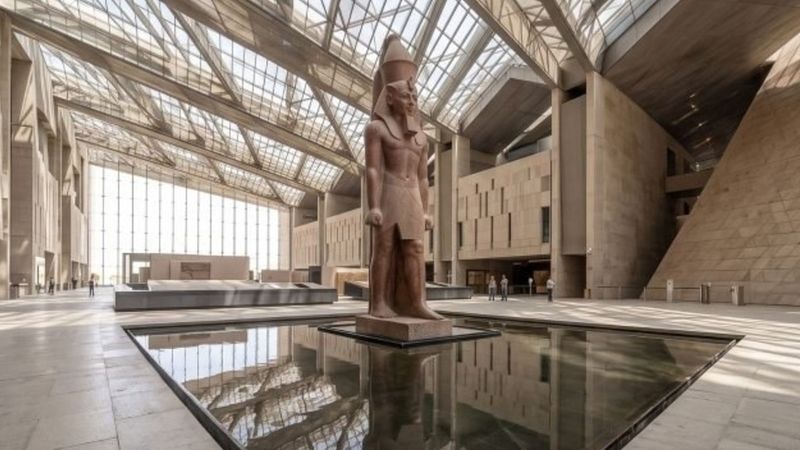
The colossal statue of Ramses II standing in the sunlit atrium of the Grand Egyptian Museum, reflected in the shallow pool at its base, with daylight falling through the roof.
Editorial

The Museum That Reflects Everything, Including You

How the world's largest single-civilisation museum gathers a nation's heritage, national story, tourism economy and repatriation claims under one reflective roof — and what those mirrored surfaces quietly ask of everyone who walks in.

Around the colossus of Ramses II, shallow pools mirror the floor so exactly that visitors keep stepping in. It is a small, faintly comic thing — and a way into a much larger question about the Grand Egyptian Museum. A civilisation is gathered here and made whole, while its three most famous faces stay abroad. A home for a nation's heritage opens, and the nation queues outside it. A monument to Egyptian sovereignty rises, financed largely from Tokyo.

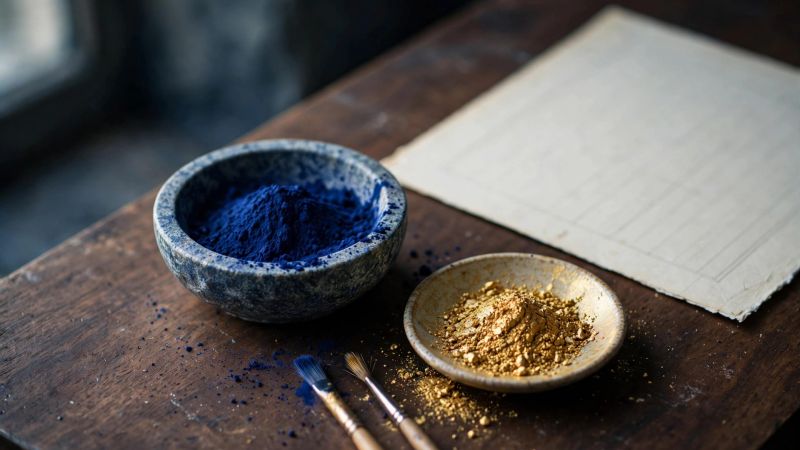
A deep cobalt-blue Ilkhanid ceramic bowl decorated with white, red, and cut gold-leaf ornament, its glaze imitating the color of lapis lazuli.
Editorial

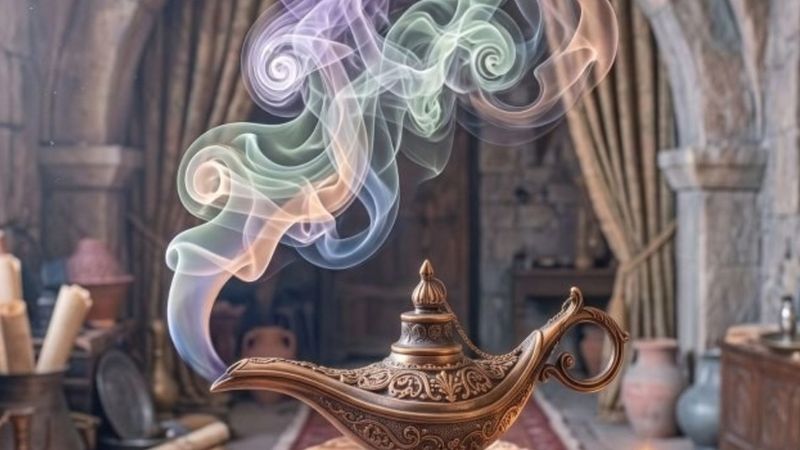
Why Disney Made the Genie Blue

The long material and colonial history behind the most recognizable blue body in popular culture.

Almost everyone remembers that Disney's genie is blue. Fewer ask why. The answer runs backward through five thousand years — Egyptian blue standing in for lapis, cobalt on a Mongol palace, the eye that guards against envy, the last color most languages learned to name, and a layout artist photographing Isfahan just before a war — to a color that was rarely, in this part of the world, quite what it claimed to be.

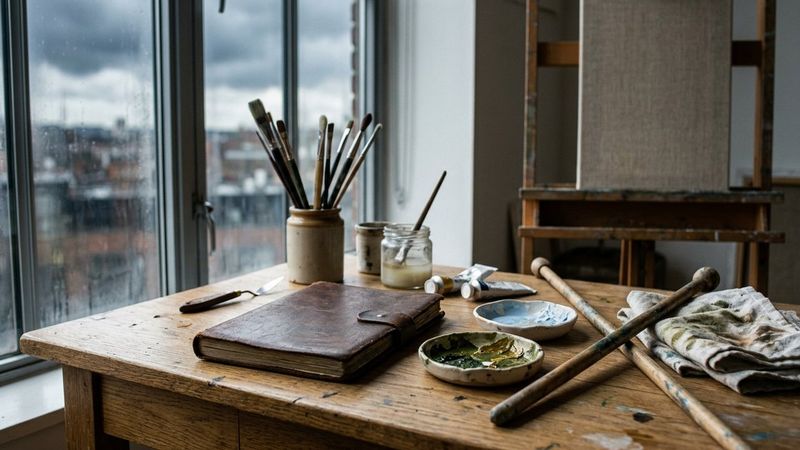
Oak studio table with a worn leather sketchbook, earth-green and sky-blue pigments in ceramic dishes, and a rain-heavy sky beyond a north-facing window, suggesting European landscape practice.
Guide

Landscape Painting: A History

How Western painters turned scenery from a backdrop into a genre, from Dutch mills and Claude’s ports to Constable and Impressionist weather

Landscape painting became a European specialism in the seventeenth century, then a vehicle for national feeling, scientific looking and modern colour. This history follows the genre from antiquity’s backgrounds through Dutch naturalism, Claude, the picturesque, Romantic weather and Impressionist light, with four works read in museum collections.

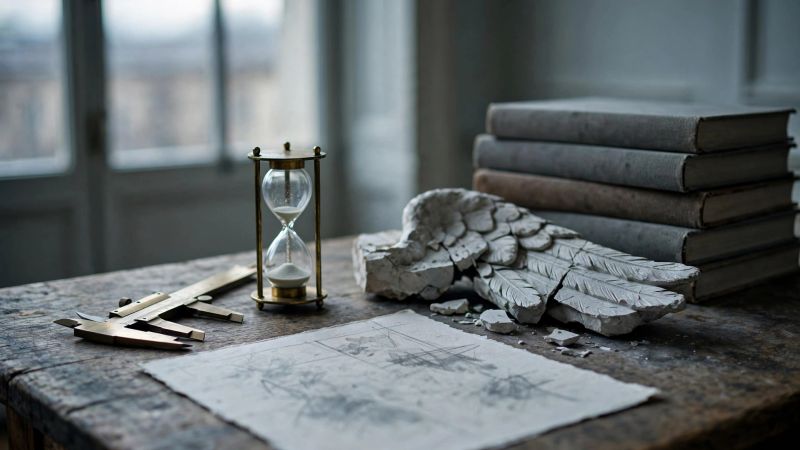
Oak study table with brass calipers, an hourglass, a plaster wing fragment and a closed old book under cool north-window light, no readable text.
Guide

Iconography: How to Read Symbols in Art

Panofsky’s three levels, attributes and source-checking: a method for reading Western pictures without treating every object as a code.

Iconography in art history is a method: name what you see, match it to a conventional type, then test that match against a dated source. This guide walks Panofsky’s levels, Ripa and ICONCLASS, and six museum works from Botticelli to Beuys, and keeps Christian saints, MENA symbol lists and the Symbolist movement on their own pages.