London · United Kingdom
Shifting Perspectives on the Elgin Sculptures: A Proposal for Transnational Display
Institutional leadership explores rotating exhibition frameworks for contested antiquities
Shifting Perspectives on the Elgin Sculptures
George Osborne, who currently chairs the trustees at the British Museum, has publicly suggested a rotational exhibition model for the ancient Greek reliefs now housed in London. Speaking to Kathimerini, he indicated that dividing the collection between the UK capital and Athens remains a viable diplomatic pathway. This marks a notable shift in institutional rhetoric, as the museum has historically maintained a firm stance against any physical separation of the artefacts. The proposal signals a willingness to explore pragmatic solutions that acknowledge competing national claims without immediately surrendering custodial control.
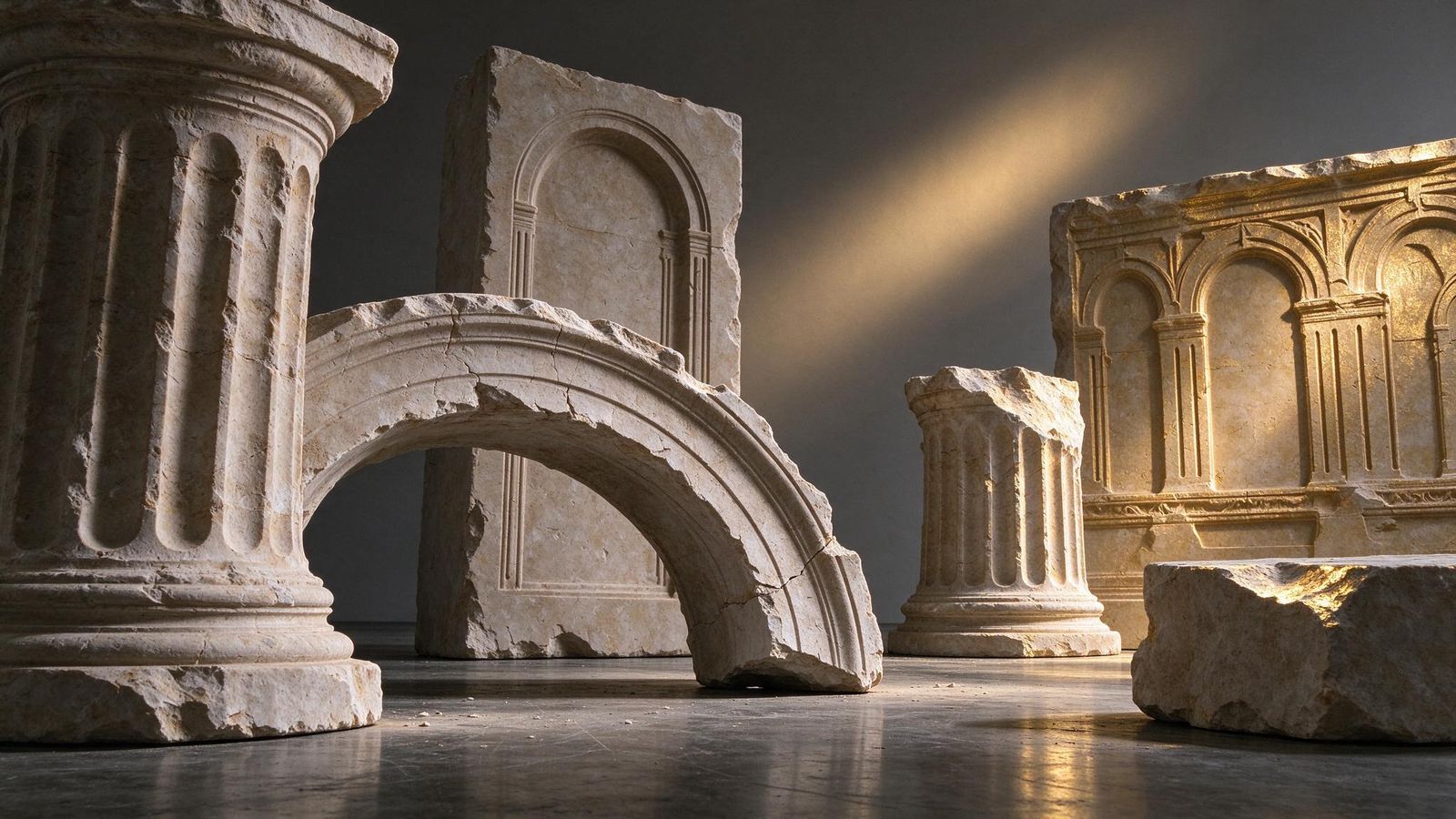
The fifth-century BC stonework arrived in Britain during the early nineteenth century following its extraction from the Athenian Acropolis under the direction of Thomas Bruce, seventh Earl of Elgin. Since 1817, these antiquities have occupied a permanent position within the national institution. Current legislation, specifically the British Museum Act 1963, legally restricts the deaccessioning or return of such objects. When questioned about potential statutory amendments, Osborne acknowledged that parliamentary intervention remains possible, though he emphasised the museum's curatorial philosophy prioritising cross-cultural juxtaposition over isolated national narratives. This traditionalist viewpoint continues to shape global museological debates regarding provenance and shared heritage.
Athenian authorities have consistently dismissed provisional lending frameworks. Officials maintain that any arrangement requiring formal acceptance of British legal ownership contradicts their longstanding demand for full repatriation. Recent reports indicate that Greek representatives view the proposed rotation scheme as entirely unworkable. Prime Minister Kyriakos Mitsotakis recently reiterated this position, arguing that the remaining fragments should reunite within sight of their original architectural context, rather than continuing to exist alongside plaster replicas in the capital. The purpose-built facility in Athens was explicitly designed to house the complete ensemble, making temporary loans appear insufficient to many scholars and citizens alike.
Despite international friction, internal preparations continue regardless of diplomatic outcomes. Osborne noted that the sculptures will be relocated temporarily within the building while the Western Range galleries undergo extensive structural refurbishment. He expressed confidence that a mutually acceptable framework could emerge before his current term concludes in three years. The former chancellor framed his approach as constructive, suggesting that contemporary geopolitical climates might facilitate compromise where previous attempts stalled. Such optimism reflects a growing recognition that static displays may no longer satisfy modern expectations of cultural diplomacy.
The debate transcends mere custodial logistics, touching upon broader questions regarding cultural heritage, colonial history, and institutional responsibility. While the museum maintains that the initial acquisition followed due legal procedures of the era, the ongoing pressure from Greek state bodies ensures the controversy remains highly visible. Whether through legislative reform or creative exhibition strategies, the trajectory of these ancient works will likely define museum policy discussions for years to come.
Related reading
A New Chapter After Collapse: Artists Find Fresh Representation at Frieze London
Navigating the commercial landscape after the Stephen Friedman Gallery dissolution
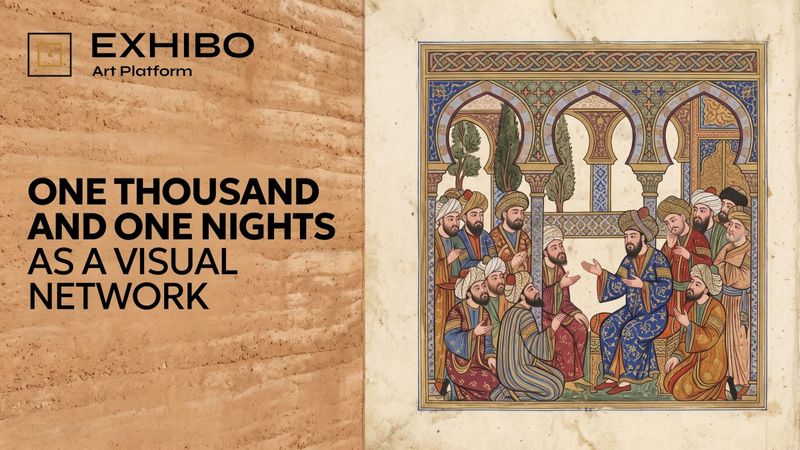
One Thousand and One Nights as a Visual Network
The book that taught Europe to picture the East arrived with no pictures at all. Three centuries of illustrators — Dutch, Egyptian, Persian, French, German, Iraqi — each gave it a face, and every face was a self-portrait.