
Exhibo
The discovery layer for contemporary art.
Explore galleries, exhibitions, museums, artists and cultural places across entire cities — with editorial context, not algorithms.
Featured gallery
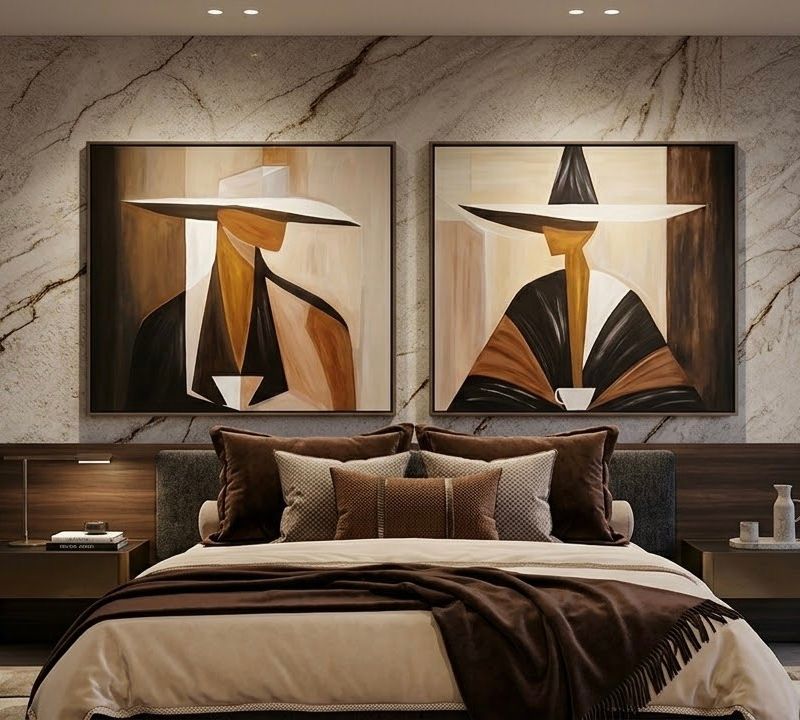
Tang Contemporary Art
Founded in 1997, Tang Contemporary Art has established itself as a leading force in the global contemporary art landscape, championing artistic innovation and cross-cultural dialogue. Through its dynamic exhibition programme, the gallery presents a diverse range of practices, from conceptual and abstract art to socially engaged and politically resonant works. Committed to fostering meaningful cultural exchange, Tang Contemporary Art serves as a platform where artists, collectors, curators, and audiences come together to engage with thought-provoking contemporary art. Across its international spaces, the gallery showcases works that challenge conventions, inspire critical reflection, and deepen appreciation for the evolving language of contemporary practice. Beyond exhibitions, Tang Contemporary Art advances contemporary art discourse through publications, research, and educational initiatives. Guided by founder Zheng Lin's vision, the gallery continues to expand not only its international presence but also its cultural impact, contributing to the development of contemporary art across Asia and on the global stage.
View galleryGalleries & museums
Is your gallery already on Exhibo?
We’ve built listings for galleries and museums across the region from public sources. Find yours and verify it — the profile becomes yours to manage, free.
Not listed yet?
Featured gallery
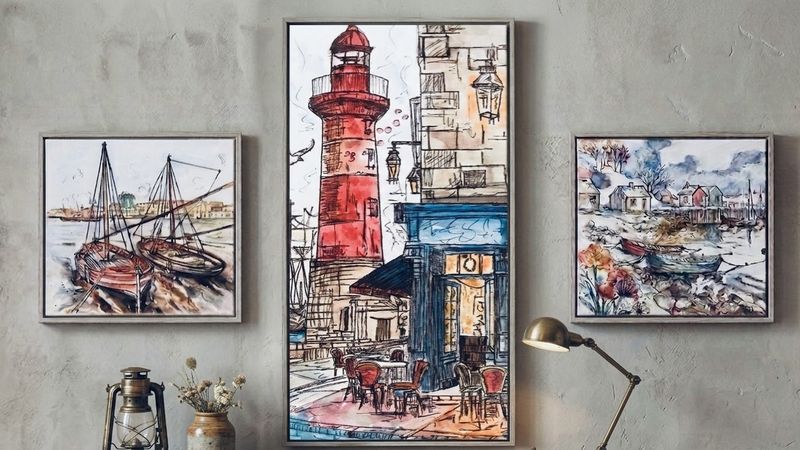
Artbydou (Alexandria) — a contemporary gallery in Zizania showcasing bold abstract and statement works.
Every gallery, museum and exhibition — city by city
MENA
Where Exhibo started. 21 cities, 930 galleries and museums, from Casablanca to Tehran.
Cultural hubs
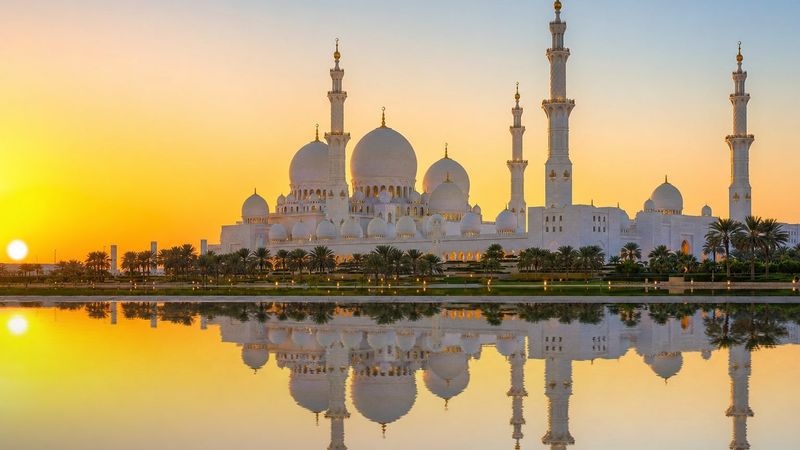
Abu Dhabi
City hub and live exhibitions
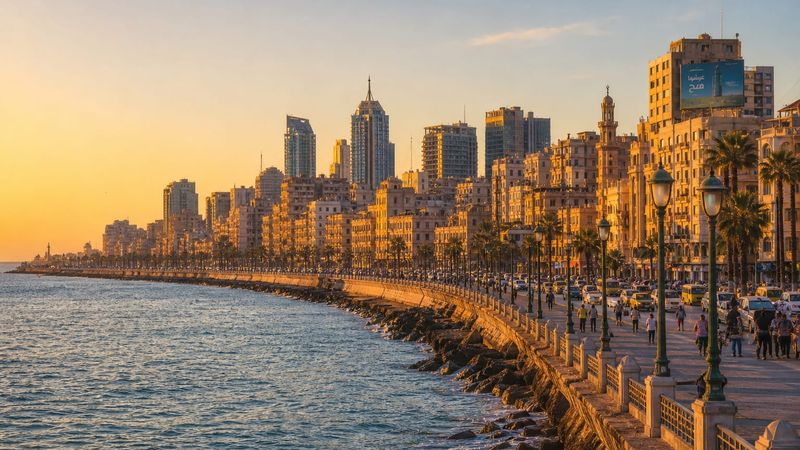
Alexandria
City hub and live exhibitions
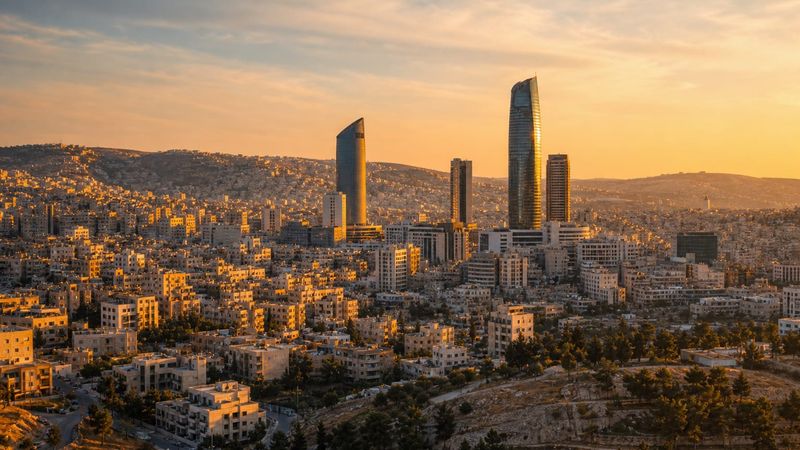
Amman
City hub and live exhibitions
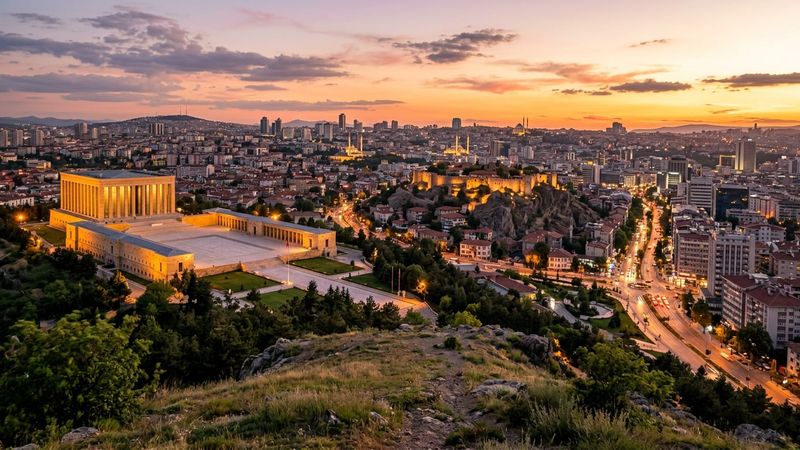
Ankara
City hub and live exhibitions
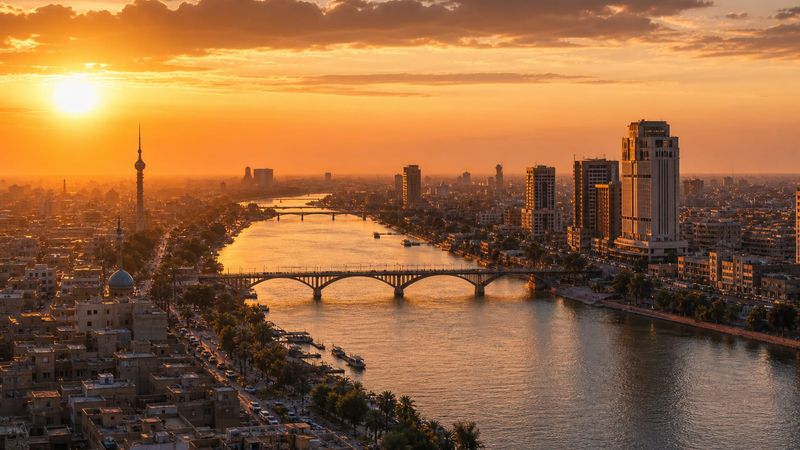
Baghdad
City hub and live exhibitions
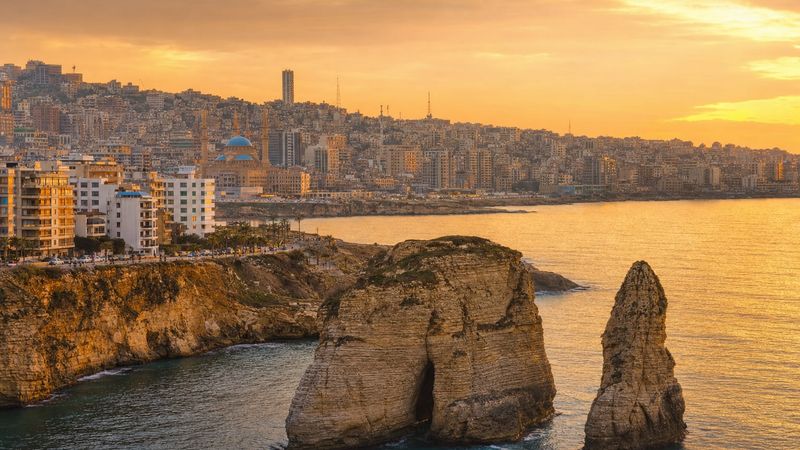
Beirut
City hub and live exhibitions
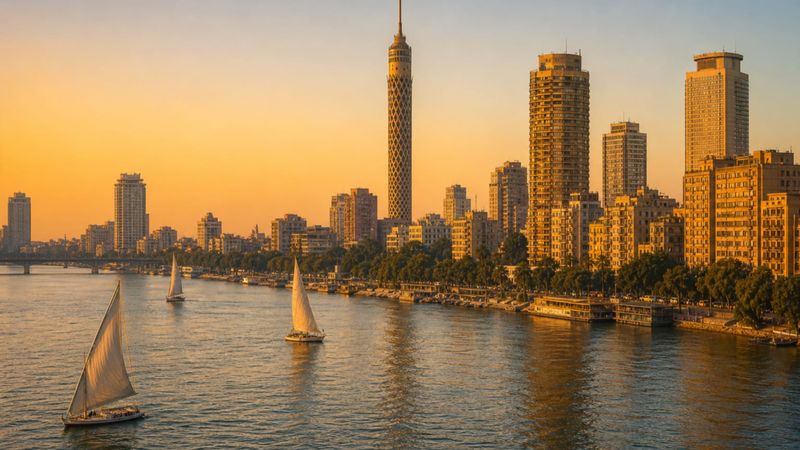
Cairo
City hub and live exhibitions
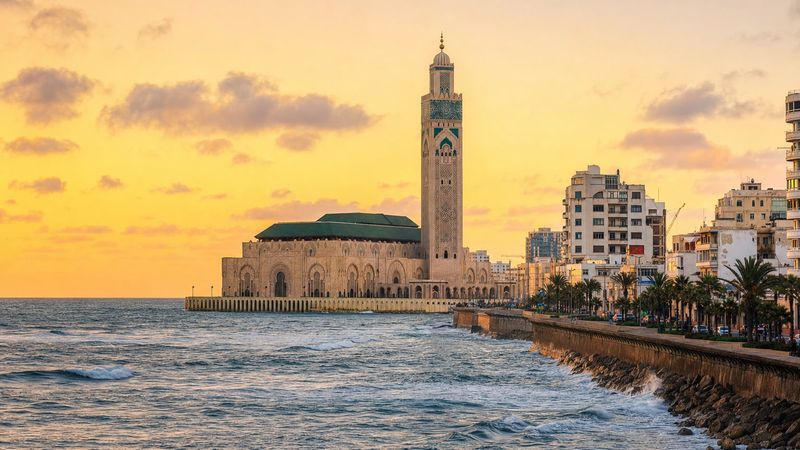
Casablanca
City hub and live exhibitions
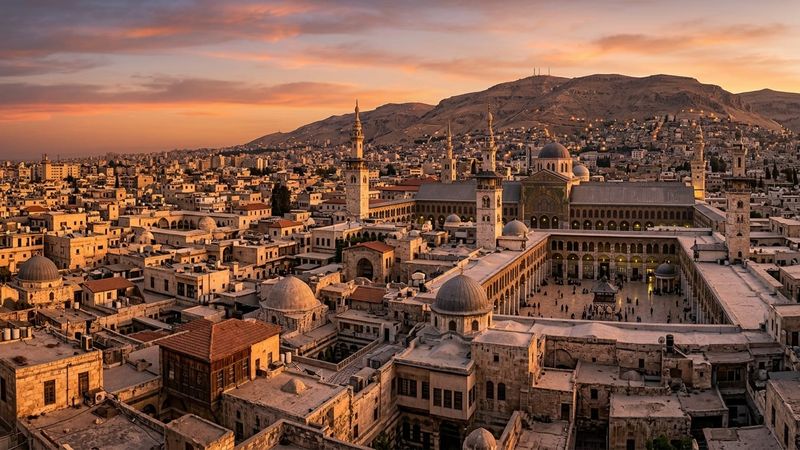
Damascus
City hub and live exhibitions
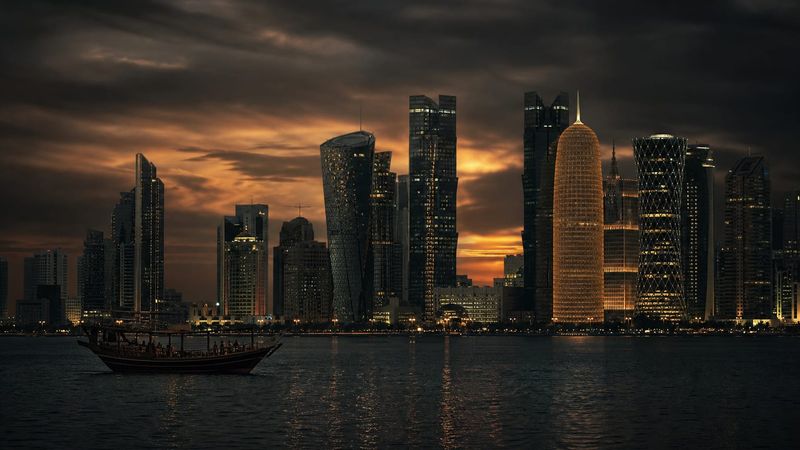
Doha
City hub and live exhibitions
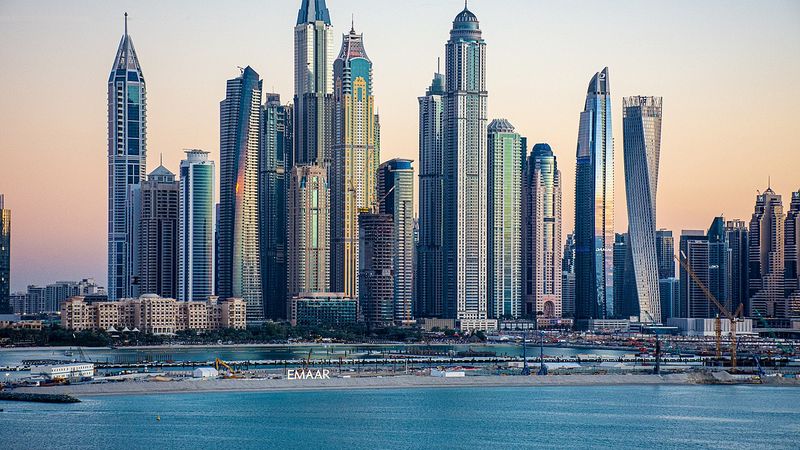
Dubai
City hub and live exhibitions
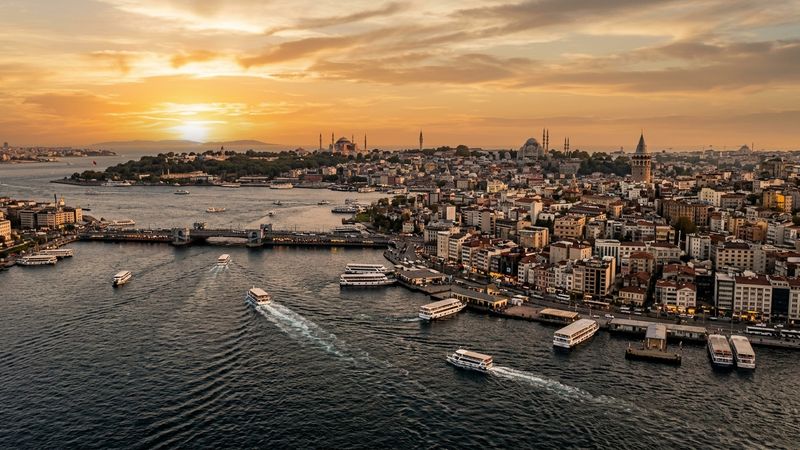
Istanbul
City hub and live exhibitions
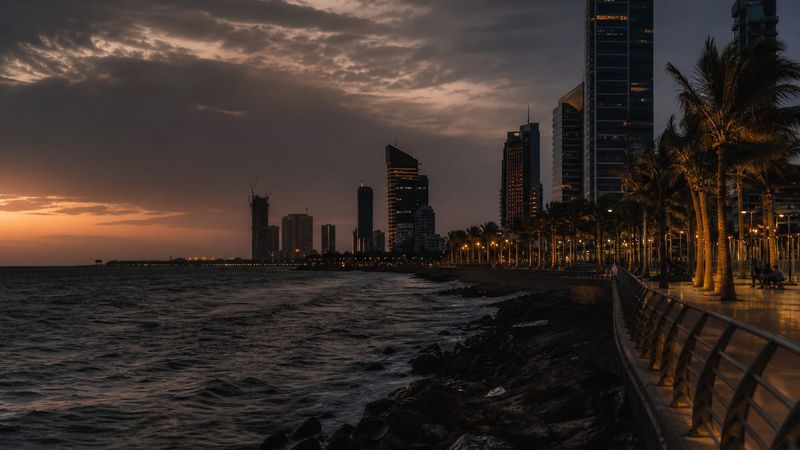
Jeddah
City hub and live exhibitions
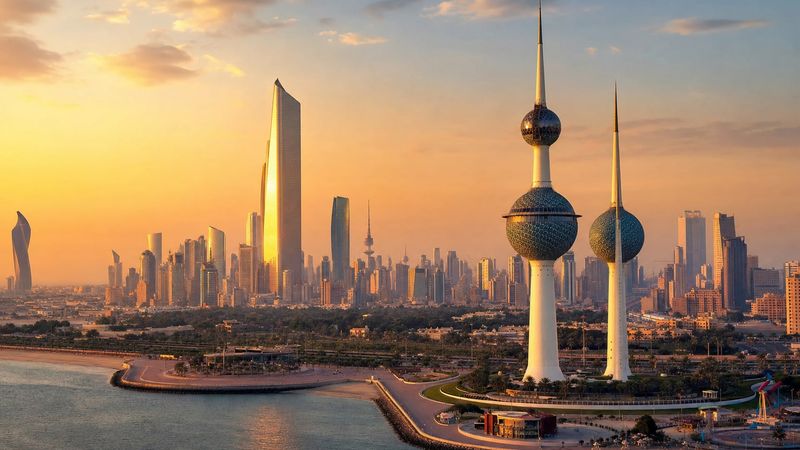
Kuwait City
City hub and live exhibitions
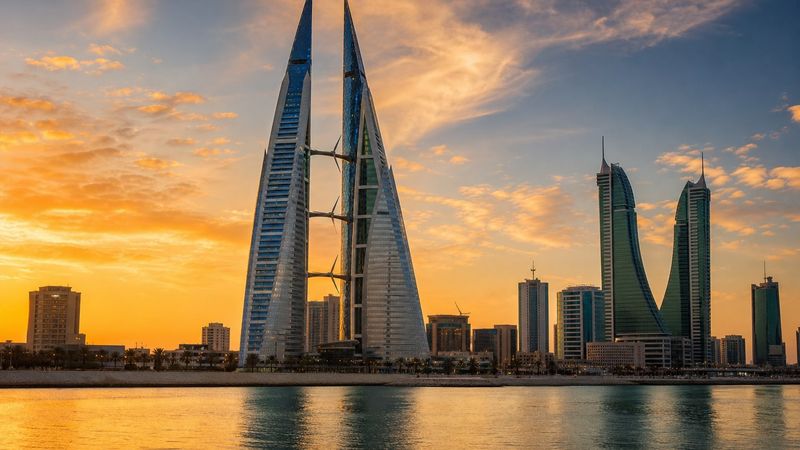
Manama
City hub and live exhibitions
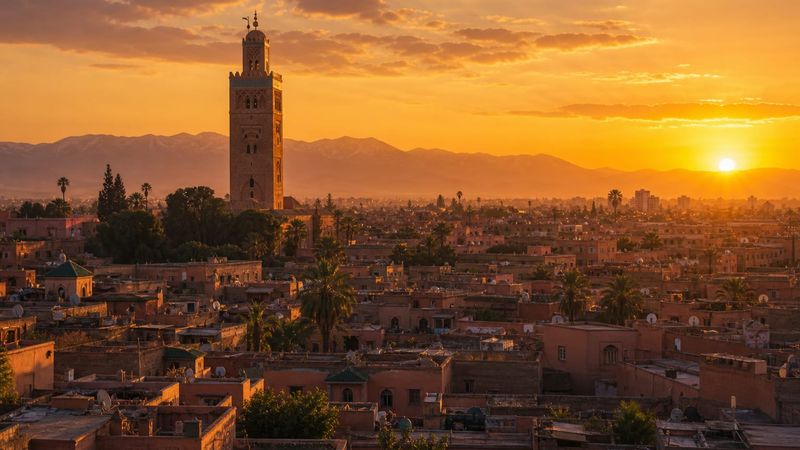
Marrakech
City hub and live exhibitions
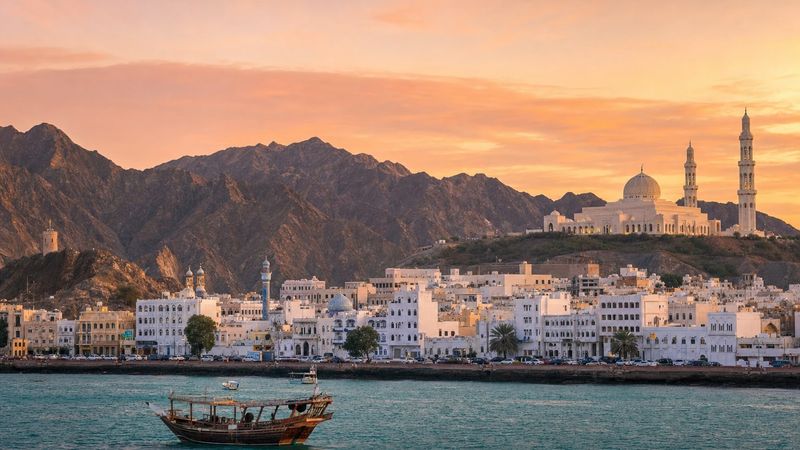
Muscat
City hub and live exhibitions
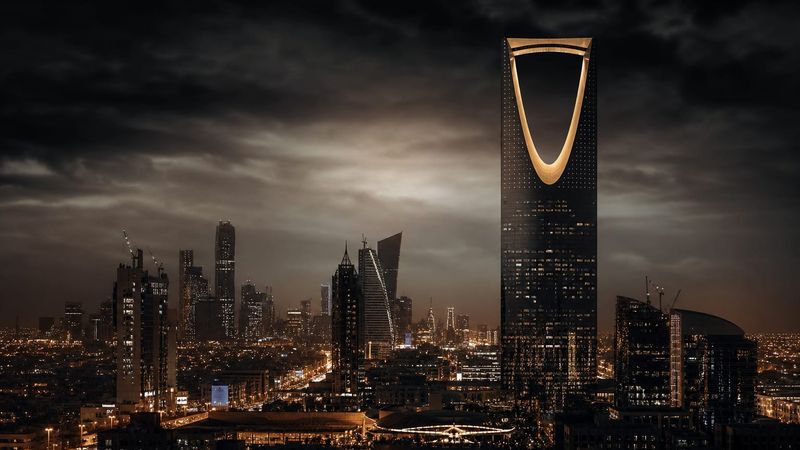
Riyadh
City hub and live exhibitions
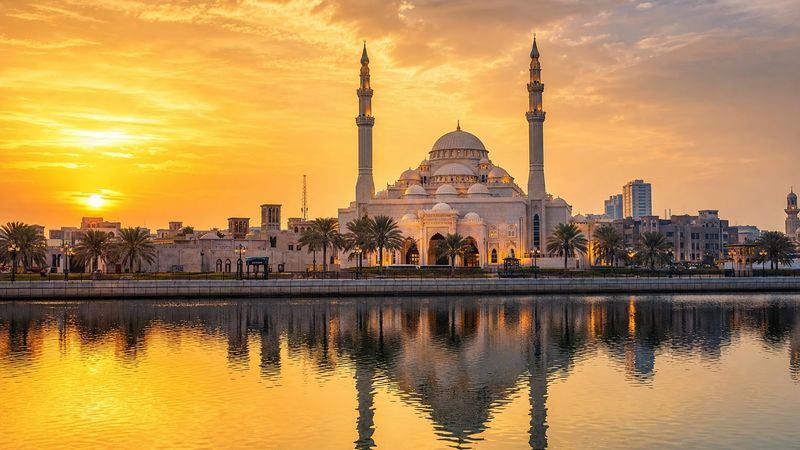
Sharjah
City hub and live exhibitions
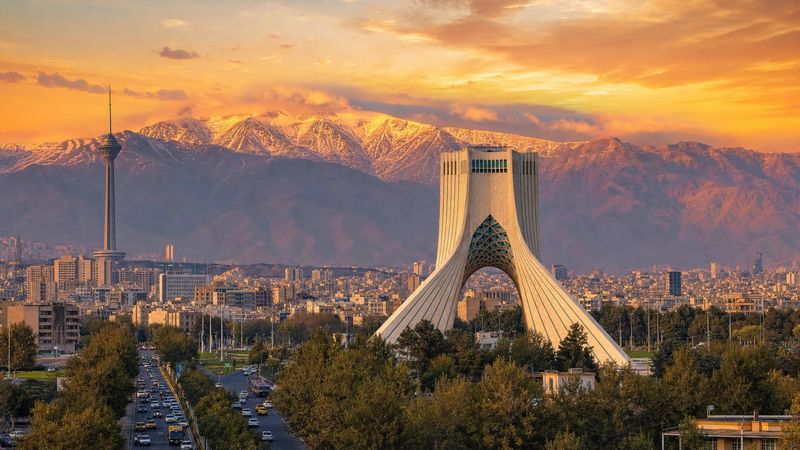
Tehran
City hub and live exhibitions
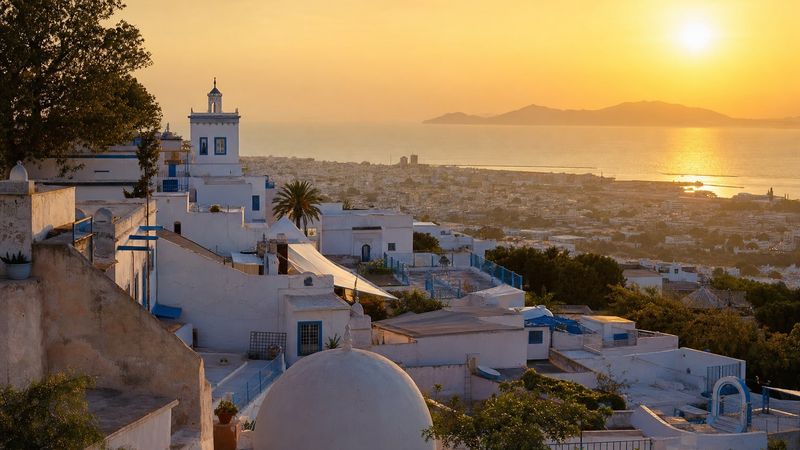
Tunis
City hub and live exhibitions
New works
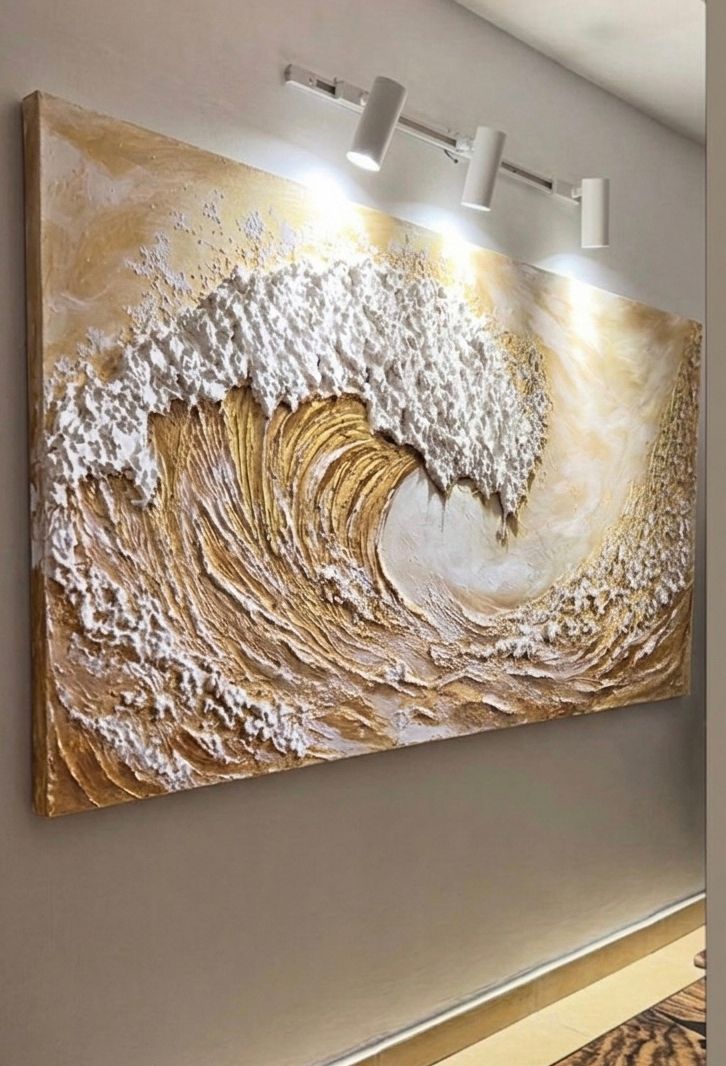
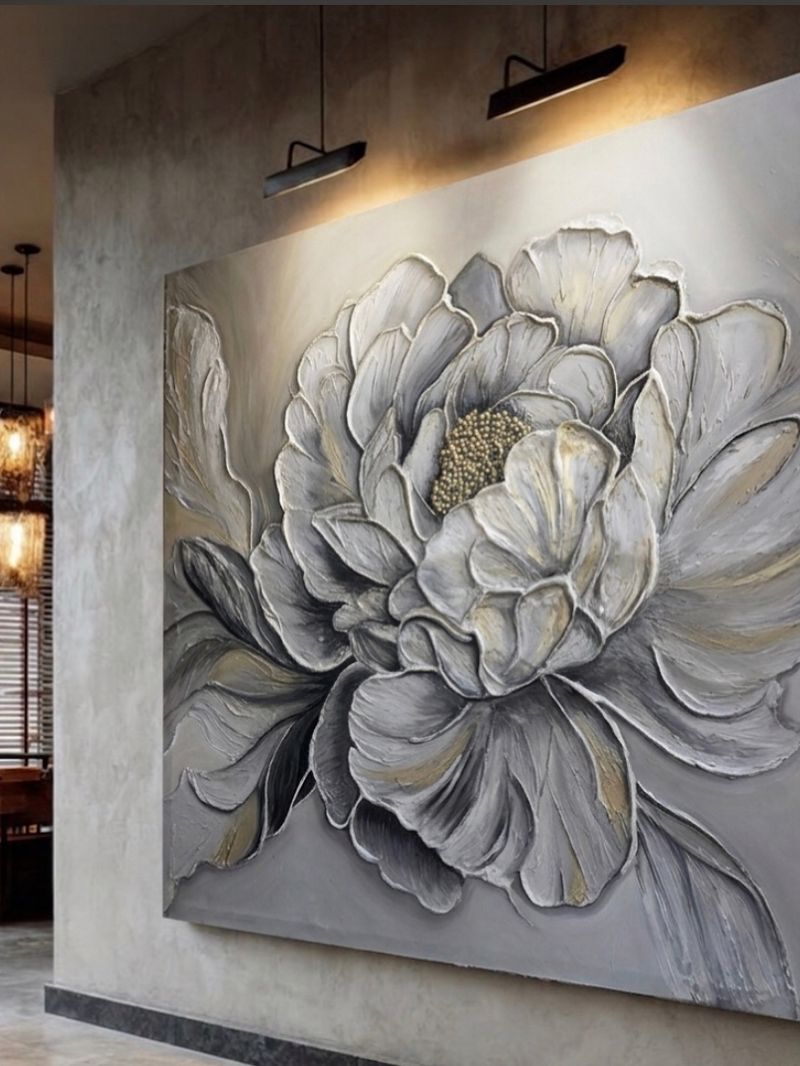
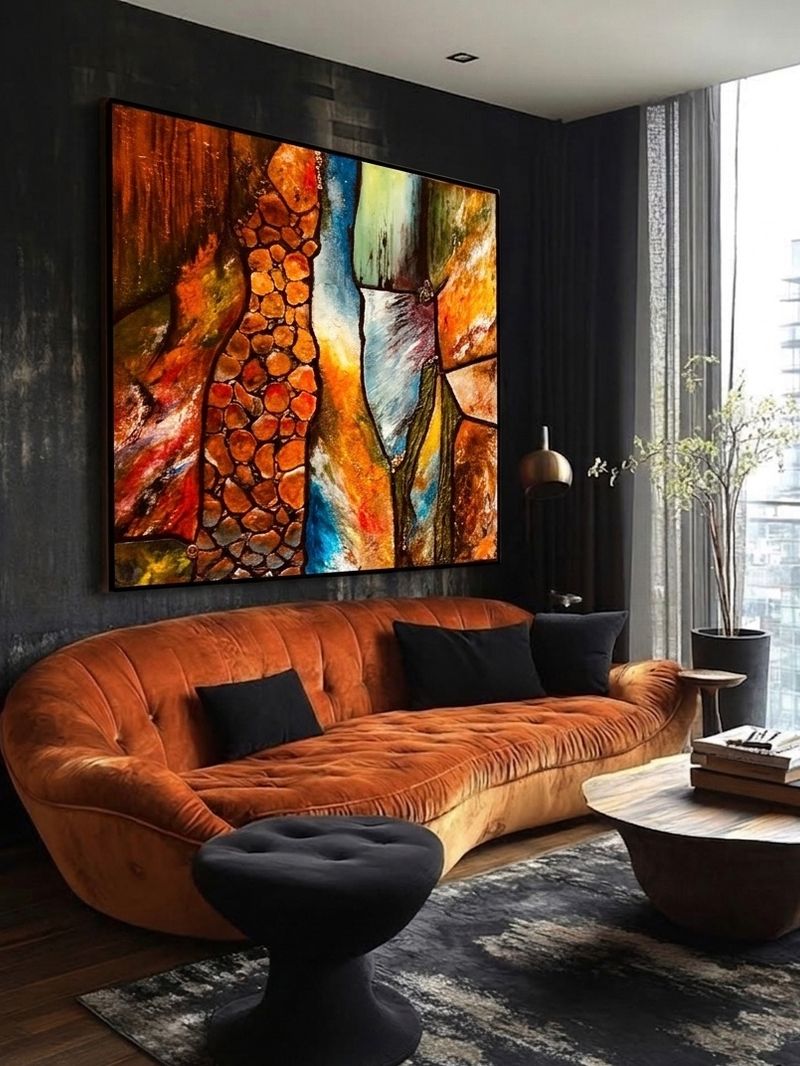
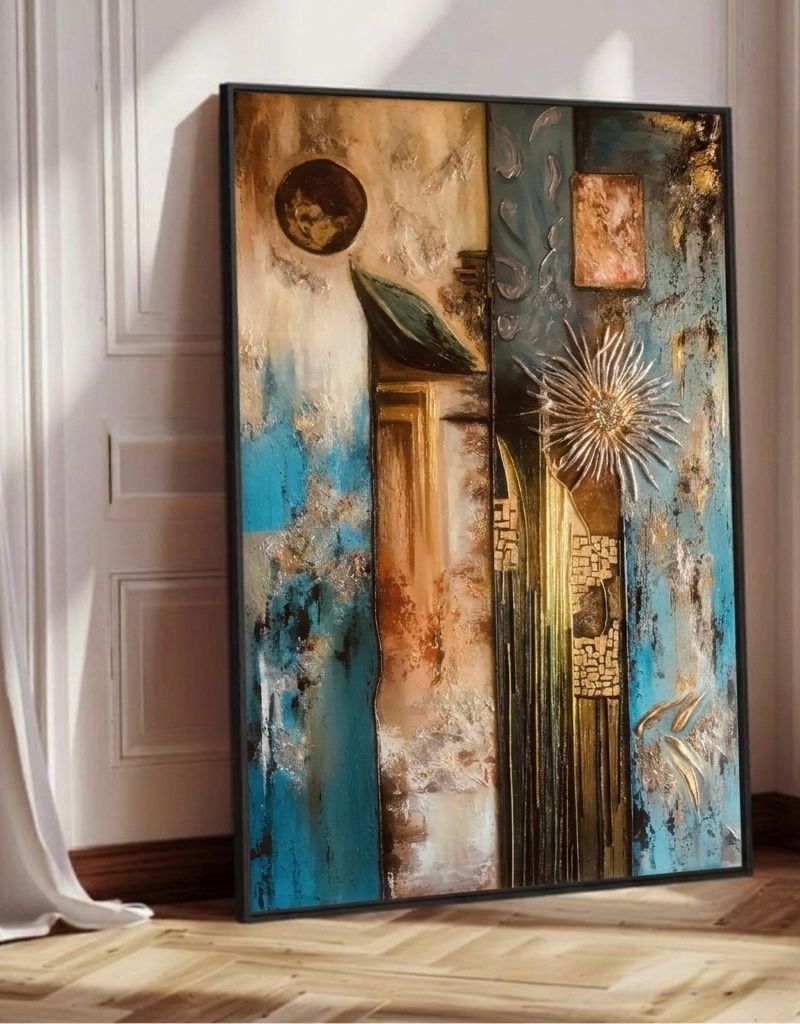
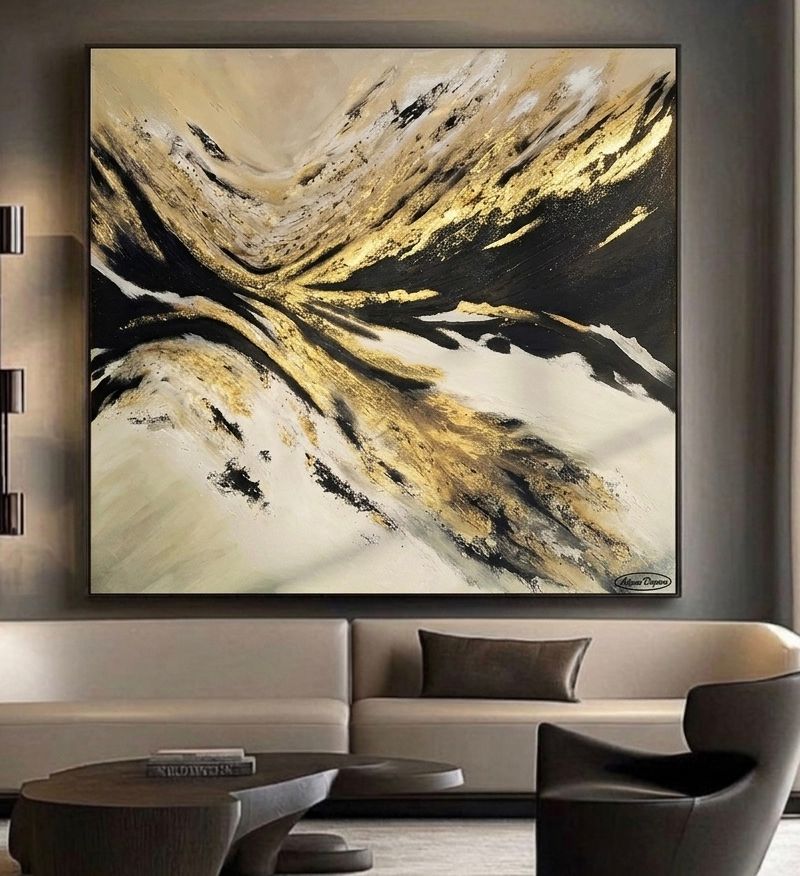
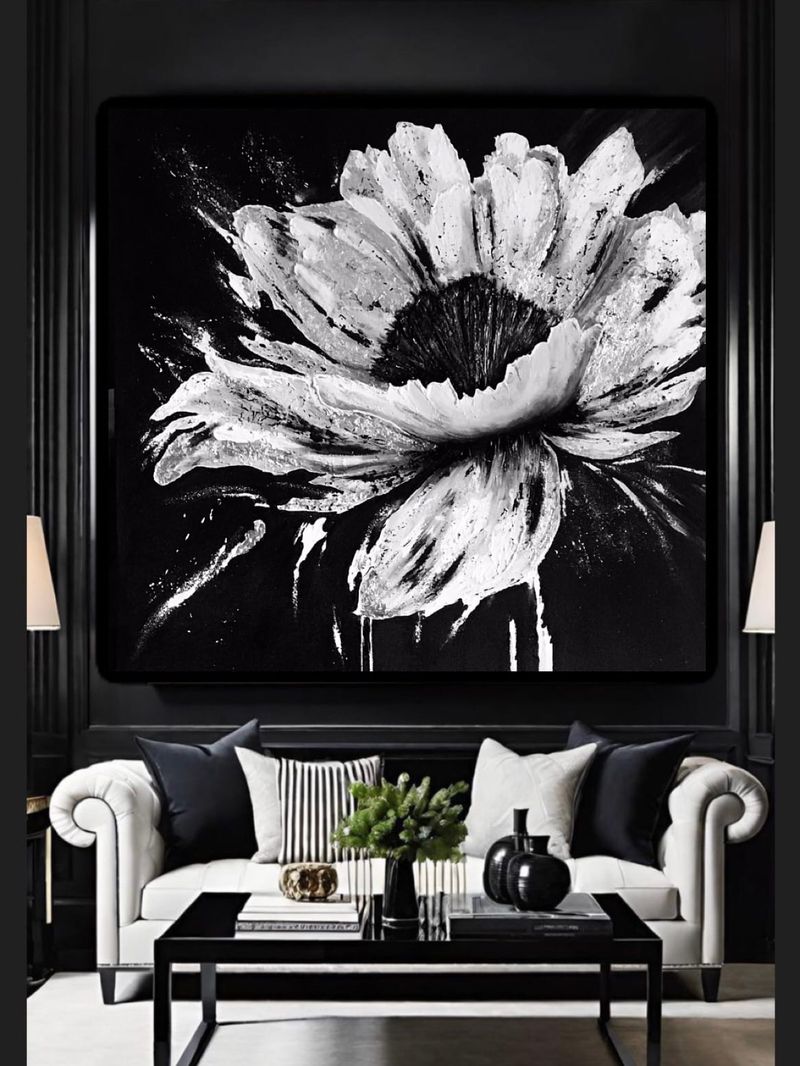
Works added to Exhibo by galleries this month
From the blog · MENA
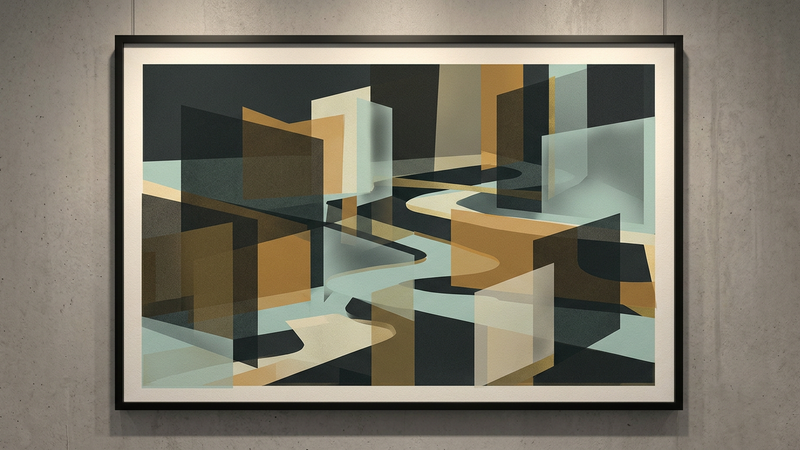
Contemporary Istanbul Expands Its Global Footprint Amid Shifting Markets
The twenty-first edition welcomes seventeen new exhibitors while navigating regional economic headwinds
A look at how the Istanbul fair balances local momentum with international growth against a backdrop of macroeconomic volatility.
Editorial
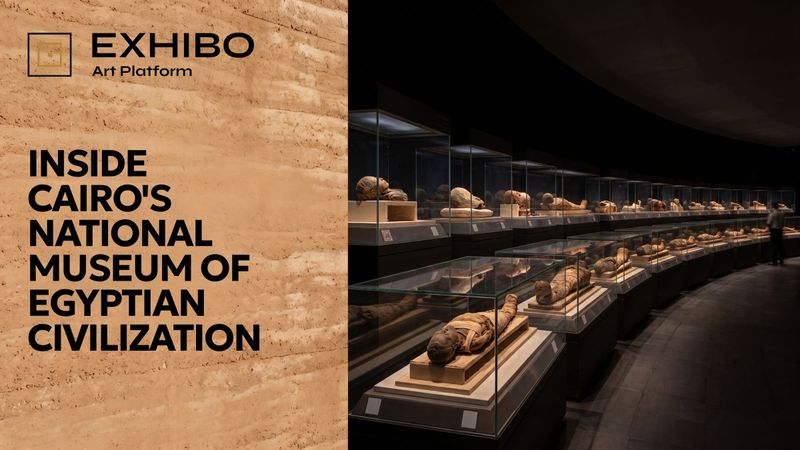
The Museum of Everything That Became a Tomb
Egypt built a museum to tell the story of an entire civilisation — seven thousand years of it, from flint tools to the present. The public knows it for one thing: the room where twenty dead kings lie in the dark.
In a black, hushed hall beneath the National Museum of Egyptian Civilization in Old Cairo lie the mummified bodies of Ramesses II, Hatshepsut, and eighteen other rulers of the New Kingdom — carried here in 2021 in a televised parade watched around the world.
Editorial
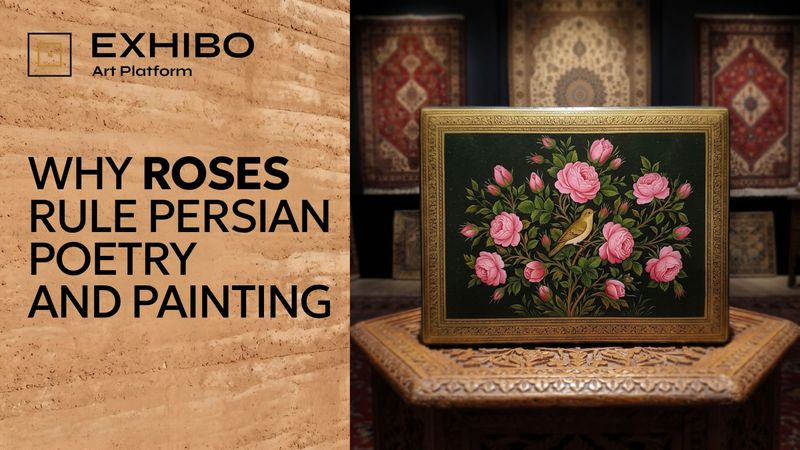
The Flower That Was Never Only Beautiful
The rose rules Persian poetry and painting — but under the sweetness sits a thorn, a bleeding bird, and a national emblem quietly assembled out of Chinese, European and Persian parts. A history of gol o bolbol, from a medieval still to a Dubai gallery.
Gol o bolbol — the rose and the nightingale — is among the most beautiful images in a thousand years of Persian art, and in modern Persian it also means sweet, empty talk. Under the tile, the picture is darker: a bird singing in blood for a flower that will not answer and will not last.
Editorial
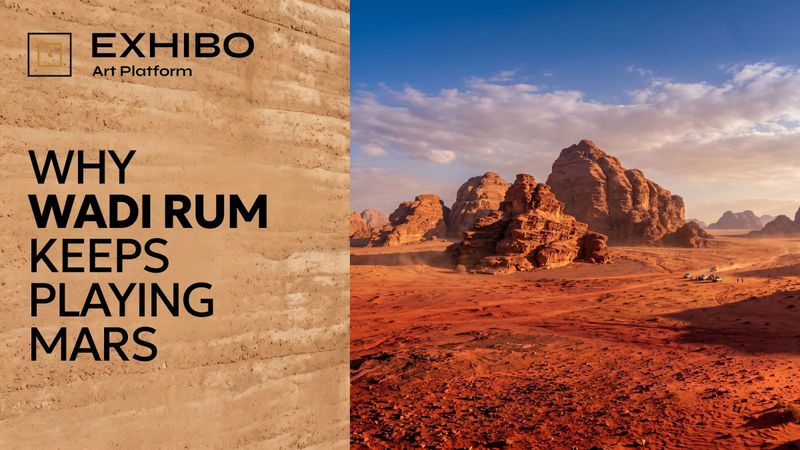
Why Wadi Rum Keeps Playing Mars: A Desert That Is Right About the Wrong Planet
A valley in southern Jordan has become cinema's favourite Mars — not because it is like the planet, but because it looks like the one we carry in our heads.
Put Wadi Rum beside a rover photograph and you can't tell which is Mars. But the desert shares almost nothing with the real planet except its colour — and lately, the illusion has grown powerful enough that real space missions have come to Jordan to rehearse.
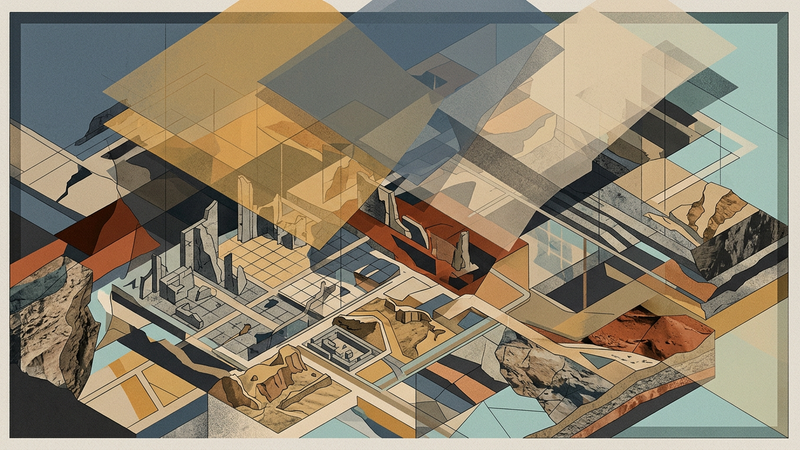
Olivo Barbieri: Time Space Geometry
Aerial surveys and optical distortions reshape how we perceive landscape and history
Borusan Contemporary presents Olivo Barbieri's first Turkish solo show, examining how elevated perspectives and manipulated focus transform familiar terrains into abstract compositions.
Editorial
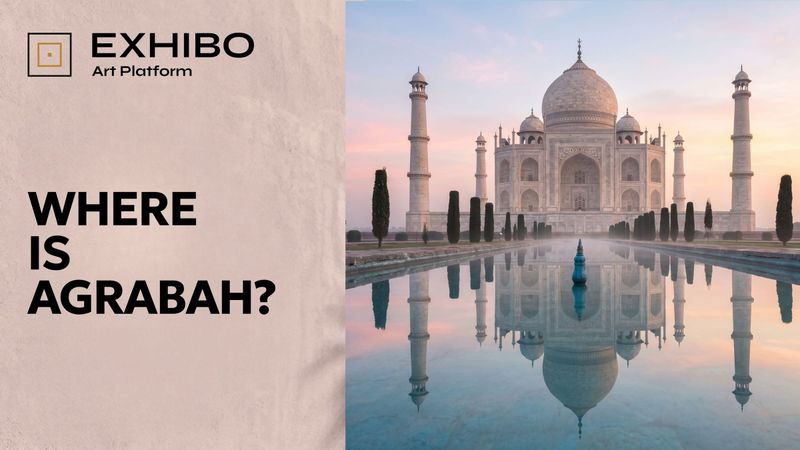
Where Is Agrabah? The City Disney Assembled From Real Places
Agrabah was going to be Baghdad. A war made it fictional — and then Disney built it back out of real places, from a tomb in Agra to a valley in Jordan that usually plays Mars.
The Sultan's palace where Princess Jasmine feels trapped has the silhouette of the Taj Mahal — which is not a palace at all, but a tomb. That is how Agrabah works. Disney's fairy-tale city was going to be Baghdad, until the Gulf War made the name impossible; the studio invented a place that could not be found on a map, then quietly rebuilt it out of real ones — Isfahan and Agra, Marrakesh and Mandalay, a Jordanian desert that has played both Arabia and Mars.
World
Beyond the region — the cities our galleries and collectors already move between.
Cultural hubs
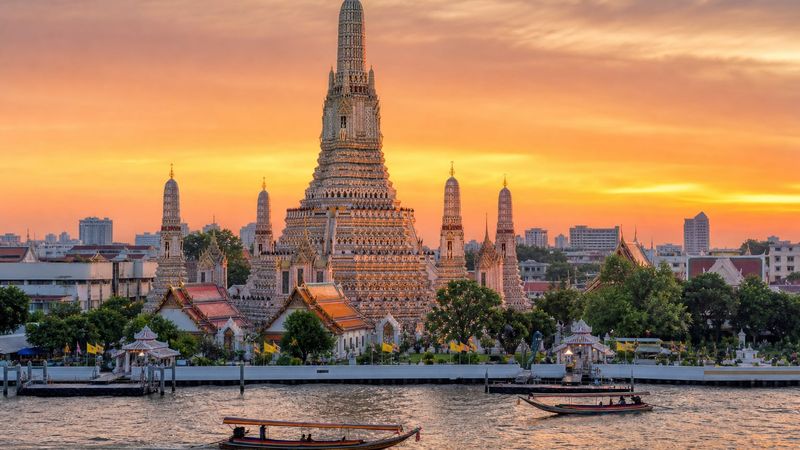
Bangkok
City hub and live exhibitions
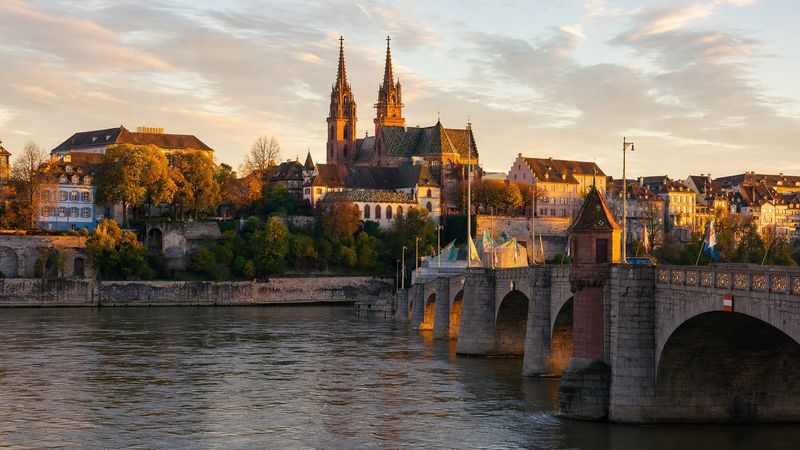
Basel
City hub and live exhibitions
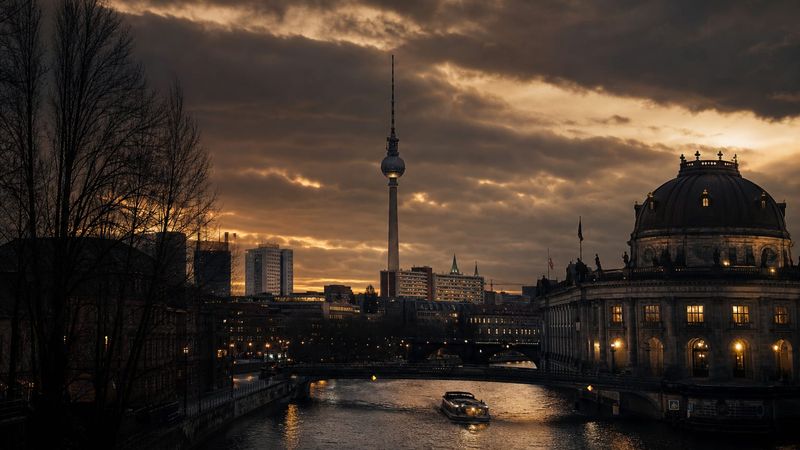
Berlin
City hub and live exhibitions
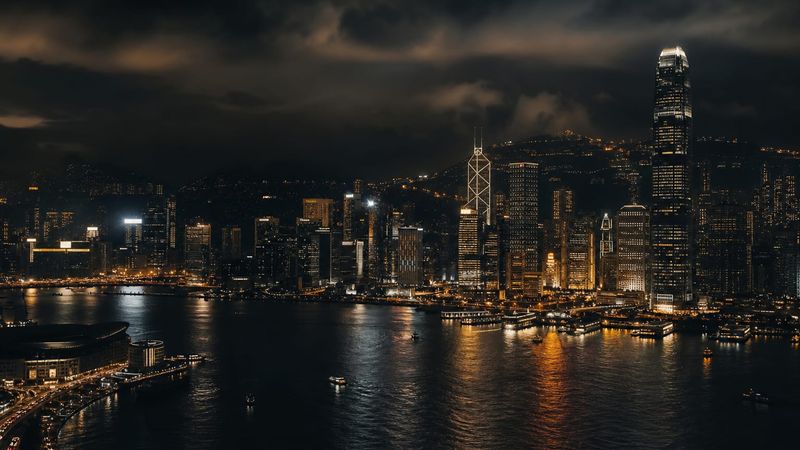
Hong Kong
City hub and live exhibitions
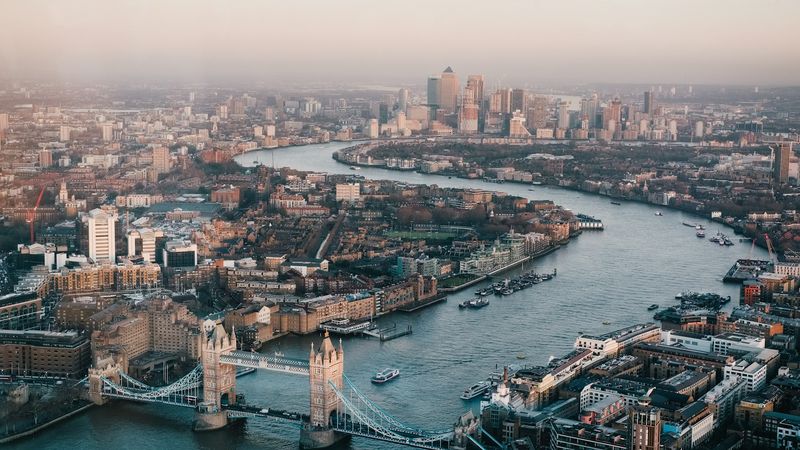
London
City hub and live exhibitions
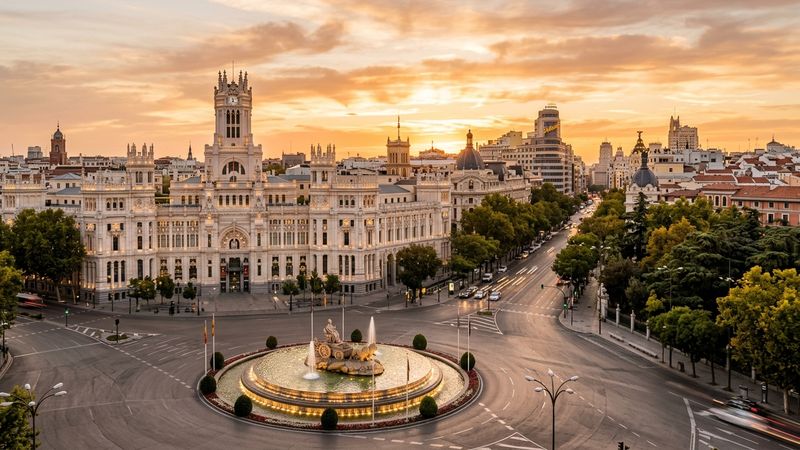
Madrid
City hub and live exhibitions
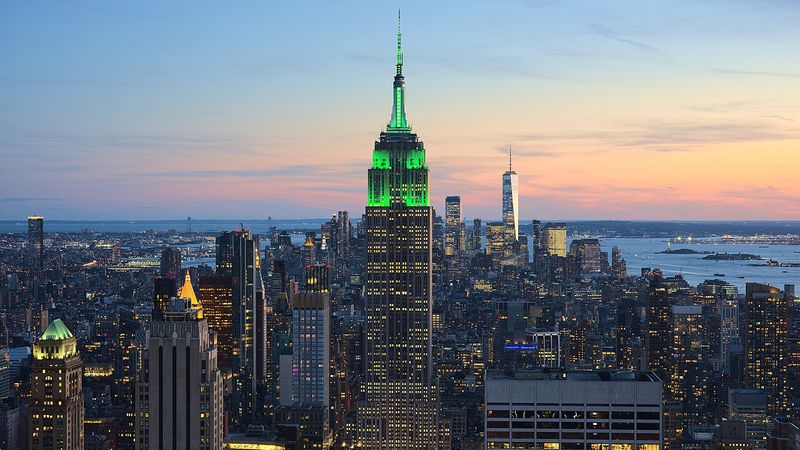
New York
City hub and live exhibitions
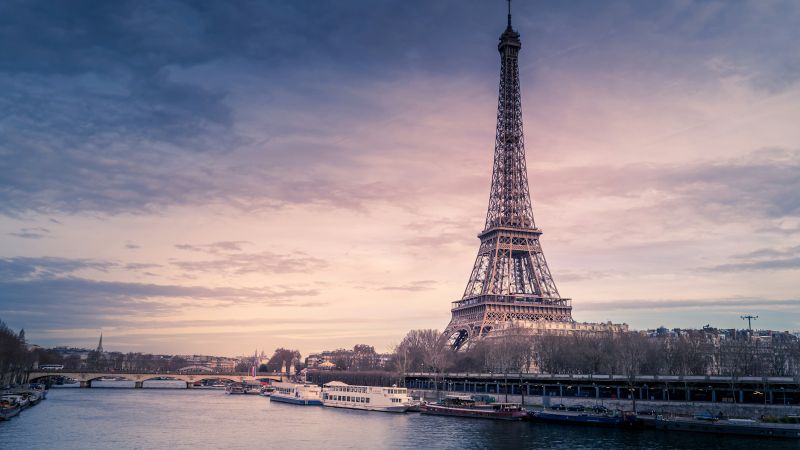
Paris
City hub and live exhibitions
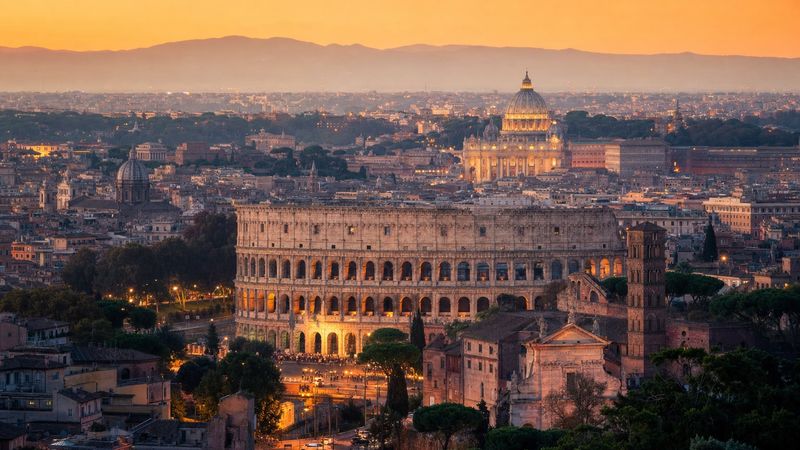
Rome
City hub and live exhibitions
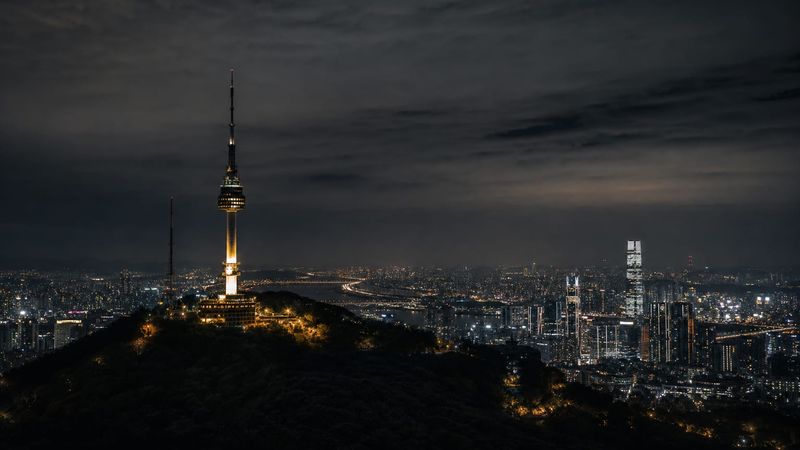
Seoul
City hub and live exhibitions
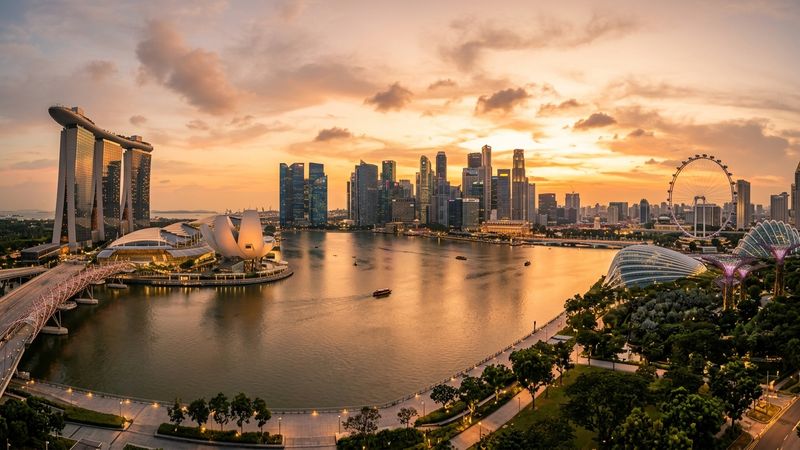
Singapore
City hub and live exhibitions
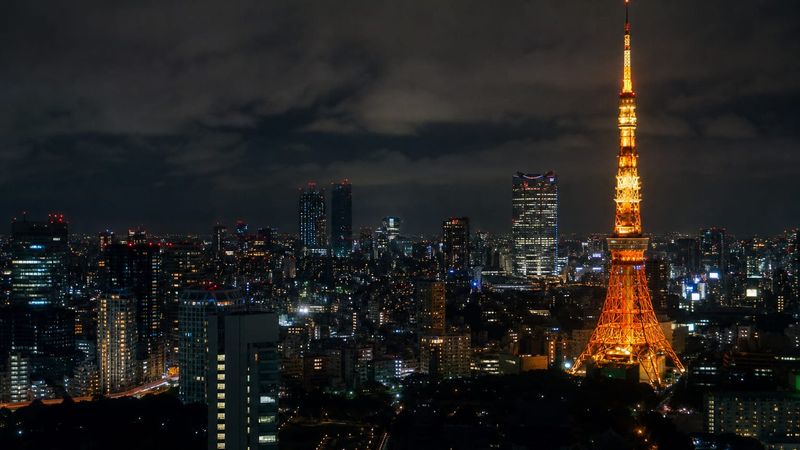
Tokyo
City hub and live exhibitions
From the blog · World
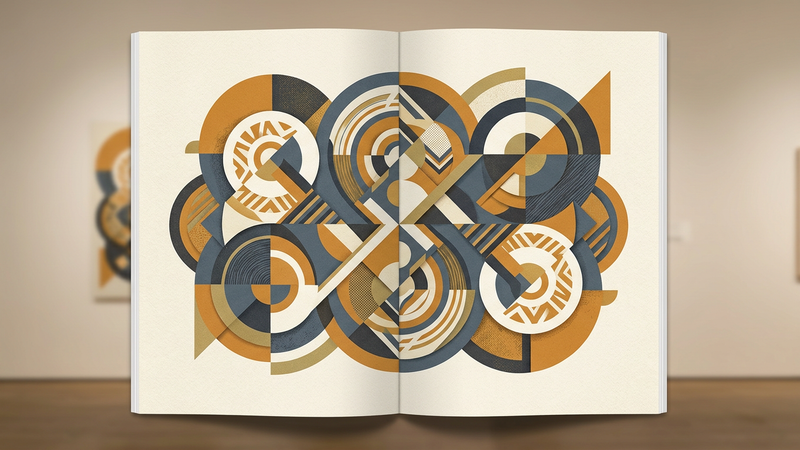
Gustave Fayet: Collector—Artist Designer
A comprehensive survey at the Fondation Louis Vuitton reuniting collected masterpieces with the designer's own studio practice.
The Paris institution expands its patronage series with a dual-focused examination of Gustave Fayet, bringing together hundreds of acquired works and restored creations to chart his impact on early modernism.
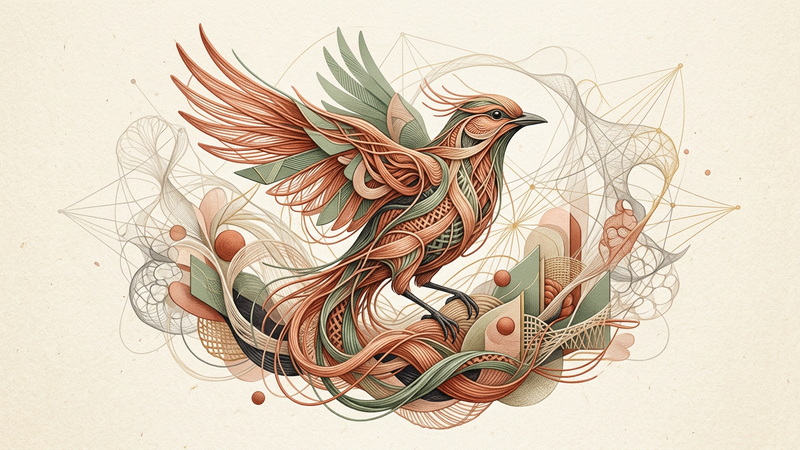
Mohammad Alfaraj: The Heart Is a Bird's Nest, the Brain Is a Spider Web
First European institutional solo explores cross-species kinship and domestic ecologies
Mohammad Alfaraj's latest showcase at the Delfina Foundation merges multimedia installations with regional folklore to reimagine shared habitats.
Vancouver Establishes Cultural Land Trust Amid Artist Housing Crisis
A new municipal framework seeks to secure long-term studio space and prevent creative displacement.
Vancouver's council has approved a structural mechanism to retain artists and nonprofits as soaring property costs threaten the city's creative sector.
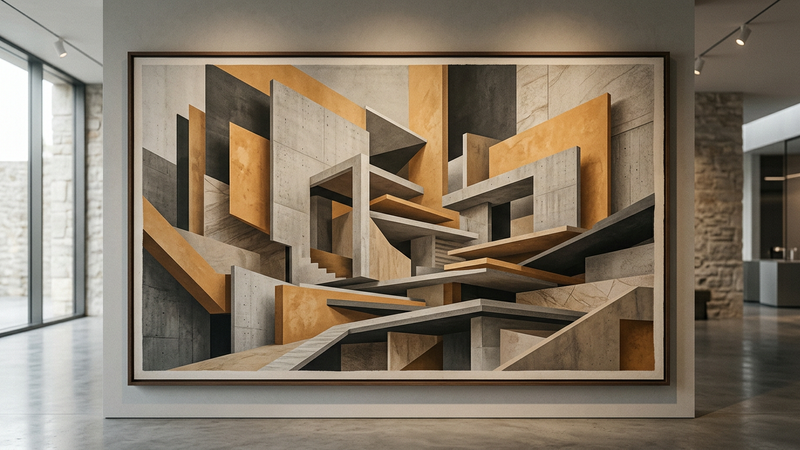
New York's Museum Building Boom Continues
How institutional expansions are reshaping the city's cultural geography
From avant-garde venues in the Lower East Side to historic collections scaling up across Manhattan, New York's architectural ambitions are fundamentally altering how audiences experience visual culture.
Navigating the Lucas Museum's Narrative Visions
Inside Los Angeles' ambitious yet contradictory institution celebrating illustrated storytelling
A critical look at George Lucas's new cultural venue, where blockbuster imagery meets a sprawling collection of narrative art.
Taking Back Our Space: MoMA's Photographic Survey on Body Politics
How a 1970s feminist archive inspires contemporary photographers to rethink spatial inequality
A new exhibition at MoMA pairs Marianne Wex's pioneering street photography with seven modern creators exploring gender, race, and Indigenous sovereignty through the lens.
Create an account
Save galleries · Follow artists · Build collections · Receive exhibition alerts
Editorial
Explore allEditorial
Long-form guides to the places, histories and ideas shaping contemporary art.
Arab Contemporary Sculpture
Sculptural works with Arab and MENA context — live from gallery tags on the platform.
Editor's Picks — BARS Gallery
Hand-picked paintings from BARS Gallery's current programme, ordered by editorial weight.
Best Noir Galleries in Dubai
Galleries in Dubai whose programme leans into shadow, contrast, and cinematic atmosphere — tagged for genre Noir.
Never lose an exhibition again. Save places. Follow artists. Build your own cultural map.
For galleries & museums
Run your gallery’s public presence
- Find or add your gallery
- Publish exhibitions and press releases
- Manage enquiries in one place
For collectors & visitors
Keep track of what you love
- Save galleries and works
- Follow artists
- Get alerts when a show opens near you