
Dubai · 23/09/2026
Maggie Otieno: Sojourner — The Difference is the Same
Maggie Otieno's first solo exhibition
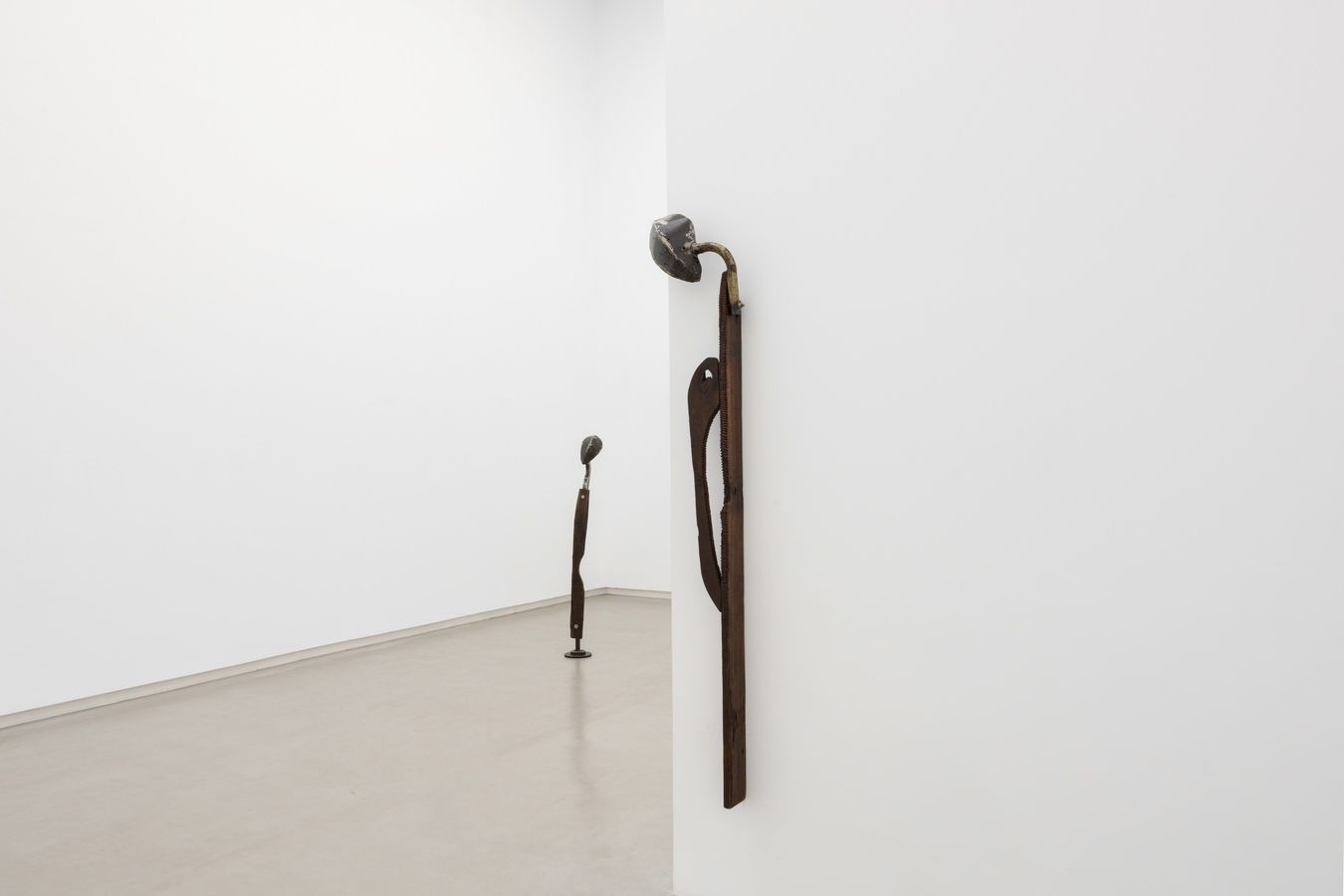
Some artists impose themselves on their materials; others listen. Maggie Otieno belongs firmly to the second group. Her practice grows out of attentiveness rather than force: wood is not bent into submission and metal is not hammered into silence. Each fragment is approached as a bearer of memory — already marked and shaped by time, already carrying histories that precede the sculptor's hand. Her work starts from the recognition that materials remember. Sojourner: The Difference is the Same, Otieno's first solo exhibition, at Efie Gallery in Dubai from 23 September to 13 November 2026, gives public form to a philosophy that has matured quietly over years of practice. The sculptures are not simply assembled objects but encounters with material histories: railway sleepers weathered by decades of use, distressed timbers bearing the marks of labour and climate, and fragments of metal tools, joinery bolts, spanners and structural elements drawn from the world of work and infrastructure. In her hands these components remain active participants in the conversation. At the heart of the exhibition is the railway sleeper. In the East African landscape it carries particular historical weight, bound up with the spread of the railway and the movement of people, goods and labour across territories. For decades these beams absorbed the pressure, vibration and heat of passing locomotives, largely unseen. Otieno treats them not as industrial leftovers but as witnesses whose endurance becomes part of the sculptural language. Bolt holes stay visible, cracks are preserved and weathering is allowed to speak. Fractures turn into structural lines, splits open small emotional spaces within the form, and the grain reads like a map — a topography of endurance shaped by time, labour and environment. Distressed materials are central to her process. Rather than seeking pristine surfaces, she looks for fragments that have lived: weathered timber, oxidised tools, structural bolts and worn fastenings. Her role becomes one of recognition — identifying which pieces resonate with the evolving language of the work and allowing them to find new form. The sculptures thus behave almost like travellers through time, carrying traces of earlier lives while asserting a distinctly contemporary presence, grounded in nature and history yet fully of the present. The exhibition also traces how this sensibility developed. Early carvings in jacaranda wood established an intimate relationship with organic material and the expressive potential of natural grain. Metal later brought density, resistance and structural tension, and during her time at Kuona Trust in Kilimani the dialogue between wood and metal — between nature and human industry — became central to her thinking. During the COVID period she produced a series of fragile, coloured aluminium sheet sculptures: refined studies of gesture and posture, pared down to essential forms, that read as quiet meditations on the feminine. Seen alongside the sleeper sculptures, they reveal a deep continuity: both explore how form conveys inner states, whether through delicacy and abstraction or through weight, balance and the silent authority of material. The shift is material rather than conceptual — an expansion from intimate study to monumental memory. A turning point came through her encounter with the late Chandu Dodia, who supplied many of the sleepers she works with. Visiting his furniture workshop, he told her that while he could turn the sleepers into furniture, an artist could reveal the stories held within the wood, and he urged her to give the material a voice. From then on the sleepers became entrusted histories, and her task became one of careful listening. Trust — in material, in process and in the way certain fragments find their place — runs quietly through the exhibition. Assembled through careful selection and intuition, the works feel at once deliberate and inevitable, discovered rather than invented, and viewers often meet them with a sense of recognition. Otieno's formation within Kenya's contemporary art scene, including early involvement with AfricanColours, instilled a deep respect for craftsmanship, detail and responsibility towards both material and audience. Despite their rugged character, the sculptures are carefully resolved: joinery is deliberate, weight is balanced and bolts, spanners and fastenings remain visible as compositional elements. Standing before them, one becomes aware of duration. There is also a distinctly Kenyan sensibility here — sleepers are familiar sights along disused tracks and in repurposed structures, and Otieno elevates them without romanticising them, presenting them as carriers of collective memory. Across her practice one principle holds: scars are evidence of endurance. By leaving the marks of lived experience visible, she honours the history embedded in each fragment and carries it forward. Wood remembers pressure, metal remembers labour, and tools remember the hands that once held them; when an artist listens closely enough, those memories become form.