
Toronto · Canada
Art Toronto 2026 Report: Canadian Art Focuses on Domestic System
A ground-level look at how local galleries and artists navigate economic pressure through organic practice and institutional solidarity
Grounding the Fair
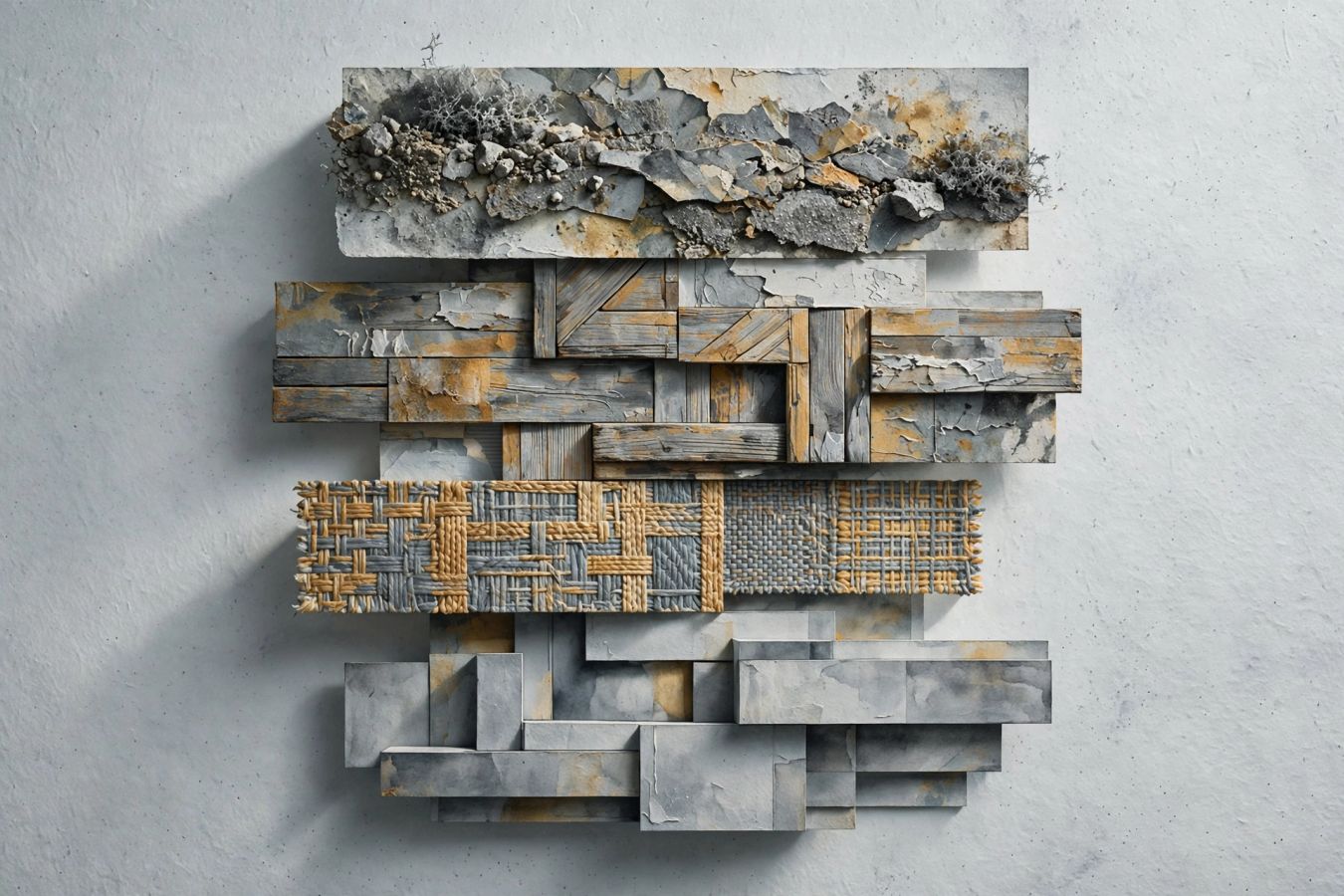
The entrance to Art Toronto's twenty-seventh edition offers little of the usual glossy polish. Visitors step directly onto a mound of earth beneath Lynn Donoghue's Untitled Watching. Created in 1996 and displayed publicly here for the first time, the piece anchors the Caribou Tarp series. Donoghue conceived it after wandering the Alberta tundra during the mid-nineties. Discarded antlers littered the ground. The soil and fabric arrangement sets a tone that echoes throughout the Metro Toronto Convention Centre. Space matters less than substance at this year's fair.
Economic headwinds have reshaped the roster considerably. Trade tensions with the United States, inflation and rising energy costs forced rapid recalibrations across the sector. Director Emily Jean Alexander confirms capacity has slipped merely five percent. Roughly eighty percent of the one hundred and five exhibitors now operate domestically. Galleries from New Brunswick make their debut alongside numerous operations from British Columbia, Québec and Ontario. American presence has shrunk. The atmosphere leans toward resilience rather than retreat. You notice the shift immediately.
Downstairs, Rich Loen presents Databells. The Ottawa-based former software engineer wired together ordinary church and door bells to chime at mathematically exact intervals. The mechanism tracks fluctuating metrics, ranging from global TikTok views per minute to atmospheric carbon removal figures. It functions as a quiet counterweight to digital saturation. Ascending to the main level shifts the focus entirely. Kathy Slade's Sinking in the West hangs heavily near the stairwell. Mónica Reyes Gallery displays the mix. It meditates on geological time and recurring patterns.
The McMichael Canadian Art Collection occupies a prominent corner. The Kleinburg institution remains shuttered for renovations but uses the fair to unveil My First Medicine Teacher. Christi Belcourt painted the large-scale canvas. Nearby, Nicholas Metivier Gallery splits its footprint. One section highlights current roster artists while the other dedicates itself to Edward Burtynsky. His Mining: For the Future project returns to Western Australia, a region he first photographed aerially two decades ago. The vibrant textures expose lithium and cobalt extraction sites. Industrial scale meets ecological necessity.
Montreal's Galerie Nicolas Robert hosts Sameer Farooq. Ascension for Bakers extends his Flatbread Library research, aligning traditional bakeware shapes with Buddhist reliquaries. Vancouver's Wil Aballe showcases Karin Jones. The Bond dress reinterprets Queen Victoria's wedding attire using blonde hair extensions, probing contemporary beauty politics. Beeswax dominates another corner. Douglas Scholes constructed a sprawling form titled What happens when a thing is maintained. Art Mûr brings Karine Giboulo's Joy is a Resistant Bacteria into the space. Organic matter consistently outperforms sterile digital aesthetics here.
Nia Centre for the Arts operates concurrently with a dedicated Black Art Fair on Oakwood Avenue. Their booth features Heritier Bilaka's Califia, a tribute to Queen Nzinga. Ceremonial Art displays Marika Swan's Embraced in Interdependence, a woodblock print that bridges West Coast Indigenous practice with broader socio-political currents. Portfolio, a Vancouver collective supporting emerging creators through sales commissions, exhibits fresh canvases by Angela Grossman and Lawrence Paul Yuxweluptun's Predator series. Yuxweluptun secures a solo presentation at the Art Gallery of Ontario next February. Equinox Gallery rounds out the regional survey with early works by Gathie Falk, archival Fred Herzog prints and Sonny Assu's layered landscapes.
The gala preview on Thursday 29 October directed proceeds toward the McMichael expansion. Federal and provincial authorities pledged fifty million Canadian dollars apiece. Hariri Pontarini Architects will design the addition. Diana Fox Carney addressed the gathering with a simple declaration about national cultural output. The fair concludes on 1 November.
Related reading
Rupture and Waterways Define the Fourth Toronto Biennial
Allison Glenn's curatorial vision transforms the city into a transnational network of installations and performances
Stephan Jost to Step Down as Director of the Art Gallery of Ontario After a Decade of Transformation
Ten years of demographic outreach, major acquisitions, and infrastructure development conclude as the institution prepares for a leadership transition.
Dylan Cease Brings Acrylic Paintings to the Art Gallery of Ontario
The Blue Jays pitcher's crossover into visual art draws crowds and supports institutional fundraising