
Toronto · Canada
Rupture and Waterways Define the Fourth Toronto Biennial
Allison Glenn's curatorial vision transforms the city into a transnational network of installations and performances
Rupture and Waterways Define the Fourth Toronto Biennial
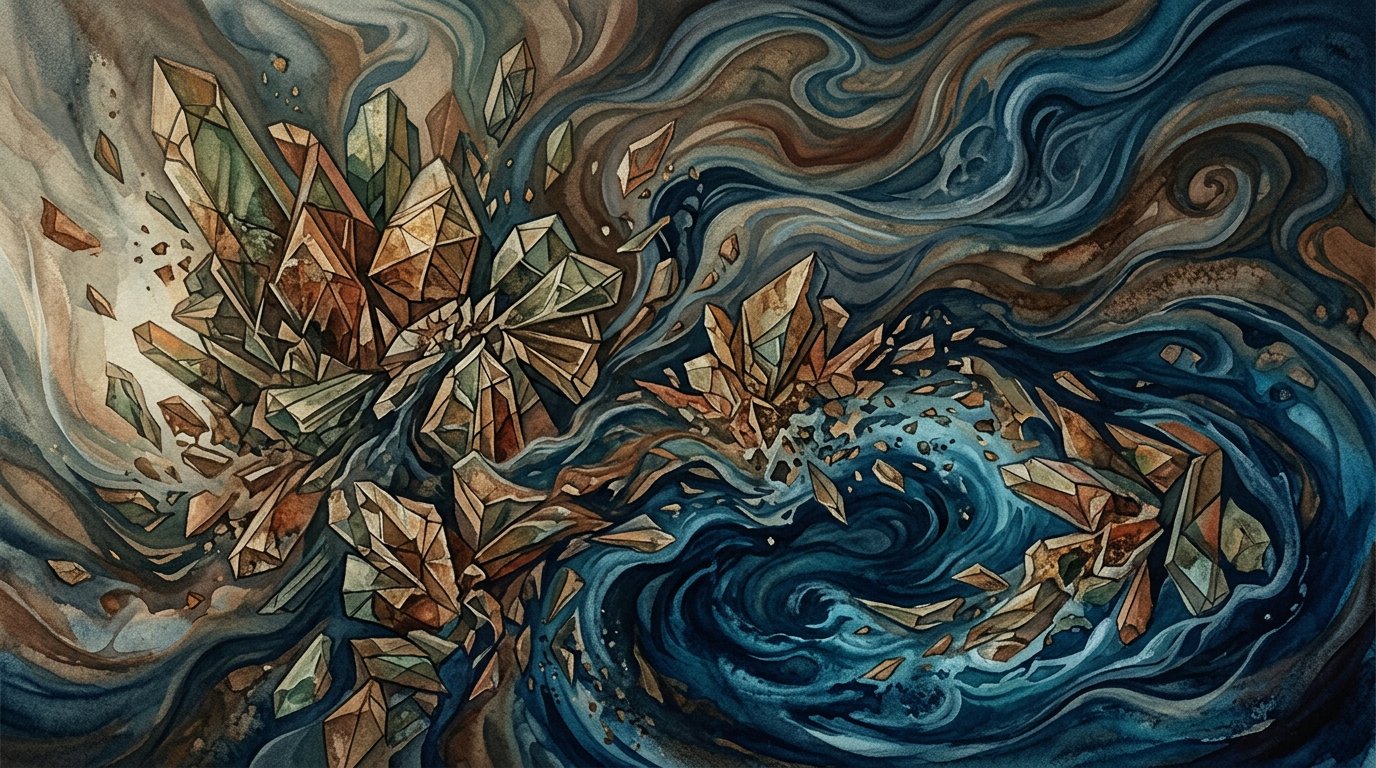
The fourth iteration of the Toronto Biennial of Art has officially opened its doors, transforming the Canadian metropolis into a sprawling network of creative interventions. Running until 20 December, this year's programme is shaped by Detroit-based curator Allison Glenn under the ongoing leadership of founding executive director Patrizia Libralato. Titled Things Fall Apart, the exhibition draws its name from both William Butler Yeats's seminal verse and Chinua Achebe's landmark novel regarding colonialism. At its core lies a probing inquiry: how might artists utilise disruption as a fundamental framework for perception? Rather than treating fragmentation as merely destructive, the curatorial stance positions rupture as a generative mechanism capable of revealing hidden histories and alternative social structures.
Spanning twelve weeks across dozens of locations, the project gathers over thirty creators and collaborative groups alongside sixteen freshly commissioned pieces. Rather than remaining confined to municipal boundaries, Glenn extends the narrative outward, treating the Great Lakes basin as an initial anchor point. From there, the programme traces connections through more than twenty historical trade corridors and maritime passages linking five distinct continents. This geographical expansion builds upon the inaugural edition's focus on local hydrography, positioning the current cycle within a broader institutional dialogue about ecological and cultural exchange. The sheer scale of the undertaking mirrors the linguistic diversity of the region itself, acknowledging that communication transcends any single metropolitan hub.
To amplify this reach, the biennial has launched an Extended Footprint initiative. Collaborating institutions spanning North America will host selected commissions concurrently, ensuring the dialogue travels well beyond southern Ontario. Partners include the Anchorage Museum, the Counterpublic Triennial in St Louis, Allana Clarke's Amend installation in Detroit, the Medina Triennial in upstate New York, and Times Square Arts in Manhattan. By decentralising the viewing experience, the model challenges traditional exhibition hierarchies and encourages audiences to navigate art across varied civic landscapes.
Glenn structures the offering into three distinct layers. The primary survey emphasises collective methodologies, sovereignty, and deliberate refusal. A secondary strand focuses on live actions and artist-led workshops designed to foster physical participation. Finally, a dedicated convening scheduled for mid-October will assemble scholars, Indigenous Elders, practitioners, and community members around three guiding principles: arrival by water, grounding, and departure. This three-day assembly will feature discussions, staged events, and communal dining across multiple neighbourhood hubs, reinforcing the belief that knowledge production thrives in shared, participatory environments.
Among the most striking contributions is Nirbhai (nep) Singh Sidhu's site-specific sculpture situated at a suburban gurdwara. Crafted from soil sourced from a Punjabi shrine linked to martyrdom narratives, the piece channels the concept of spiritual liberation while physically present. It invites visitors into quiet reflection, deliberately stepping away from the bustling downtown circuit. Meanwhile, Rebecca Belmore's commissioned work Gichigami emerged from observations near Lake Superior. Witnessing both environmental degradation and displaced communities sparked a response rooted in Anishinaabe flood mythology. Belmore transformed discarded plastic containers into seven ceremonial garments, which were carried in a silent procession before being permanently displayed at the university's art museum.
Further exploring fluid identities and collective movement, Julien Creuzet presents a mixed-media investigation at the campus gallery, drawing inspiration from Martinique's carnivalesque figures and postcolonial literature. On the water itself, Brendan Fernandes orchestrated a performance aboard a vessel navigating Lake Ontario. Accompanied by an eighteen-person choir and two choreographers, the piece utilised vocal frequencies and ambient noise to examine resilience and mutual support during unstable periods. Together, these interventions demonstrate how the biennial treats aquatic networks and structural fractures as intertwined catalysts for contemporary artistic practice, proving that displacement often yields profound creative renewal.
Related reading
Stephan Jost to Step Down as Director of the Art Gallery of Ontario After a Decade of Transformation
Ten years of demographic outreach, major acquisitions, and infrastructure development conclude as the institution prepares for a leadership transition.
The Art Gallery of Ontario announces the departure of its long-serving director, marking the end of a transformative era defined by audience expansion and architectural renewal.
Dylan Cease Brings Acrylic Paintings to the Art Gallery of Ontario
The Blue Jays pitcher's crossover into visual art draws crowds and supports institutional fundraising
Toronto Blue Jays ace Dylan Cease transitions from the diamond to the gallery floor, showcasing acrylic works that blend athletic intensity with contemporary aesthetics.
Royal Ontario Museum Acquires Landmark Collection of Arab Textiles
Nearly 600 handcrafted garments and cultural objects from the Widad Kawar archive find a permanent home in Toronto
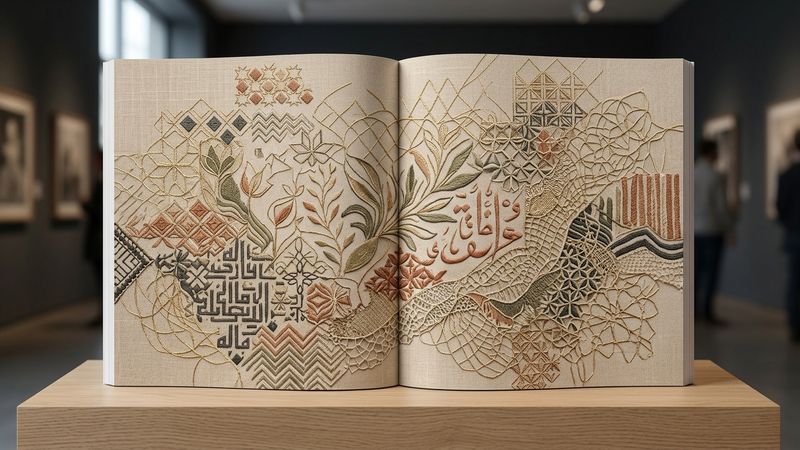
The Royal Ontario Museum has secured one of the world's most significant collections of Arab dress and heritage arts, comprising almost 600 objects spanning fourteen countries across the region.