
London · United Kingdom
William Morris Gallery Reopens With Intimate Restoration and New Focus
A Domestic Reimagining at the William Morris Gallery
The William Morris Gallery in Walthamstow has returned to the public following an extensive internal transformation and curatorial rethink. Situated within a Grade II-listed manor where the nineteenth-century figure resided during his youth, the institution is unveiling six newly arranged rooms this Saturday, 3 October. The timing deliberately coincides with the 130th anniversary of his passing, marking the venue's most substantial structural and interpretive shift since its 2012 refurbishment.
Architect Sam Jacob and director Hadrian Garrard have prioritised a residential atmosphere over monumental architecture. By employing restrained palettes and commissioning regional artisans to fabricate plinth structures resembling domestic furniture, the team has softened the institutional edge. A hand-blown lighting fixture by Stewart Hearn suspended near the main entrance further reinforces this welcoming ethos. Garrard notes that this granular, financially responsible strategy mirrors the subject's own belief that contentment stems from meticulous engagement with ordinary routines. Rather than constructing overt architectural statements, the renovation responds directly to feedback from Waltham Forest residents, whose input shaped everything from multigenerational label testing to broader interpretive frameworks.
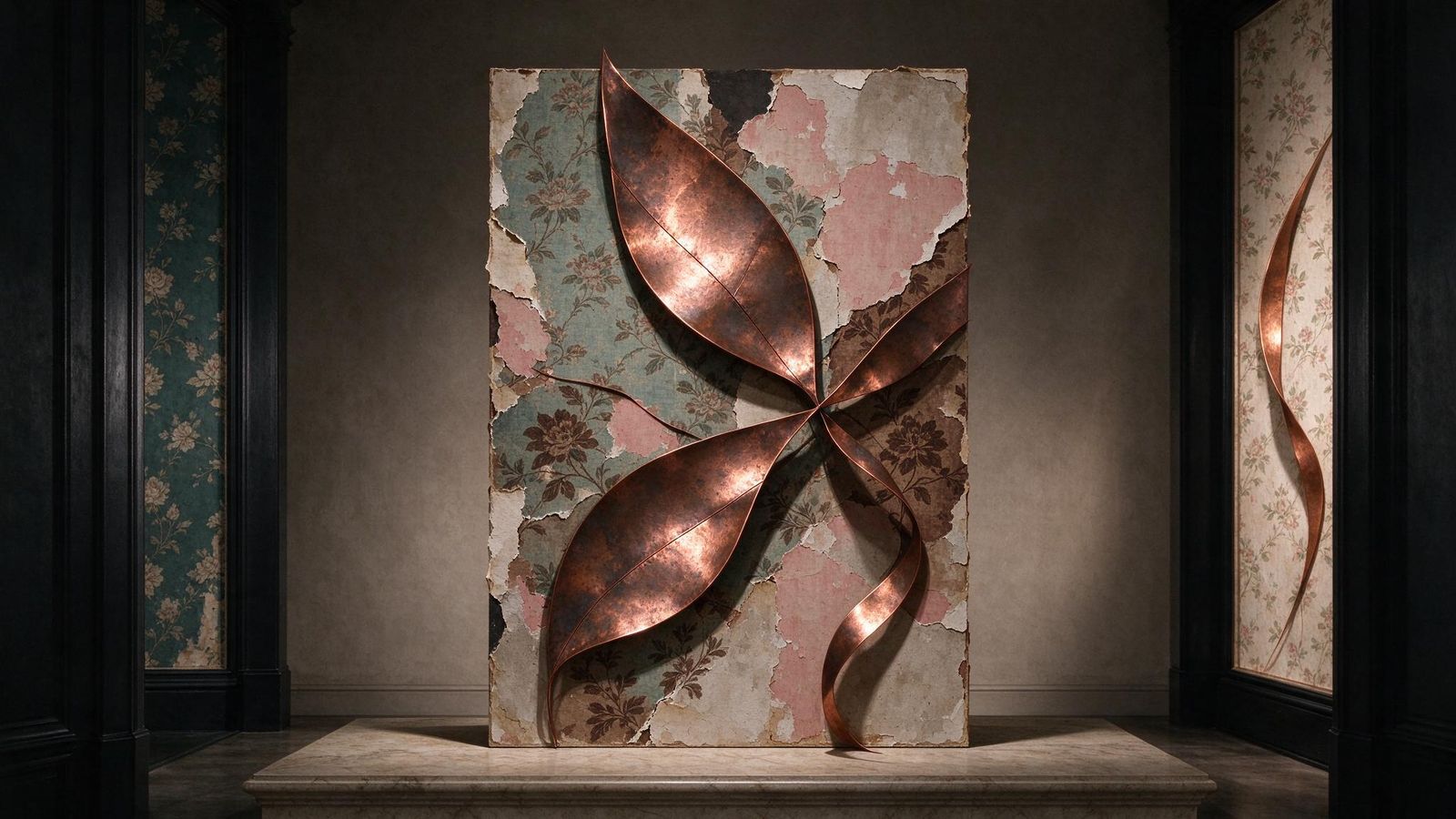
The overhaul also confronts the inherent tensions within the namesake's biography. Born into financial comfort yet dedicated to egalitarian principles, he championed accessible beauty while his commercial ventures catered exclusively to affluent clients. These paradoxes are woven throughout the displays. In the entrance hall, a copper-clad reception desk honours the labourers who worked at the Devon Great Consols Mine, funding the family's wealth. A master engraver has inscribed commemorative verses directly onto the surface. Nearby, a chamber juxtaposes a vivid crimson ceiling against rich wall tones, displaying opulent textiles alongside a canvas bag brimming with underground political tracts. Garrard intends to eventually incorporate a heavily ornamented edition of Karl Marx's foundational text into this dialogue. Even a traditional sculptural portrait has been relocated away from the main foyer, reflecting a deliberate move away from uncritical hero worship.
Visitors will encounter numerous pieces rarely shown outside conservation studios. Among them is a garment created for the artist's spouse, originally intended as a costume for a major painting now held elsewhere. Also featured is a political banner produced by the organisation he helped establish, temporarily borrowed from a Manchester archive. Perhaps the most arresting item is a preserved strand of his hair, severed shortly after he died. The curation deliberately amplifies marginalised narratives, dedicating space to cross-cultural inspirations drawn from Islamic artistry, alongside creative outputs from female relatives such as May and Jenny, both of whom played significant roles in his commercial enterprises.
Financial backing totalling approximately £1.5 million arrived from charitable trusts including the Garfield Weston Foundation and the Wolfson Foundation, supplemented by municipal support. The refreshed venue launches alongside Earthly Paradise: Radical Living in the UK, a survey examining unconventional lifestyles across Britain. Looking ahead, a dedicated initiative titled Morris Today aims to debut next year, offering emerging creators a platform. Garrard views this completion not as a final destination but as an ongoing practice, emphasising that cultural institutions must evolve continuously. He suggests that the core tenets guiding this project resonate increasingly strongly in today's cultural climate.
Related reading

Bridging Japanese Craftsmanship and Contemporary Design
How international makers engage with Tokai's industrial heritage at the V&A
An exploration of how global designers collaborate with Japanese artisans to fuse ancestral techniques with modern conceptual frameworks.
Why Heidi Gallery Has Traded Berlin for London's Maddox Street
Pauline Seguin explains the economic and cultural drivers behind Heidi's transcontinental move.
From shrinking municipal budgets to shifting collector habits, the dealer details why Berlin's appeal has faded and London's allure endures.

Mohammad Alfaraj: The Heart Is a Bird's Nest, the Brain Is a Spider Web
First European institutional solo explores cross-species kinship and domestic ecologies
Mohammad Alfaraj's latest showcase at the Delfina Foundation merges multimedia installations with regional folklore to reimagine shared habitats.