
Rome · Italy
MAXXI BVLGARI PRIZE 2026: New Commissions by Bersani, Dieye, and Moscardini
Three women finalists present site-specific works at Rome's national museum
A Historic Shortlist
The fifth iteration of the MAXXI BVLGARI PRIZE has finally broken its own pattern. For the first time since the award began, every finalist is a woman. Chiara Bersani, Adji Dieye, and Margherita Moscardini stand together in Rome. Their selection arrived on October 24, 2025 during a quiet gathering at the Italian Cultural Institute in Paris. Now the focus shifts to the gallery space itself.
Inverted Structures and Legal Frameworks
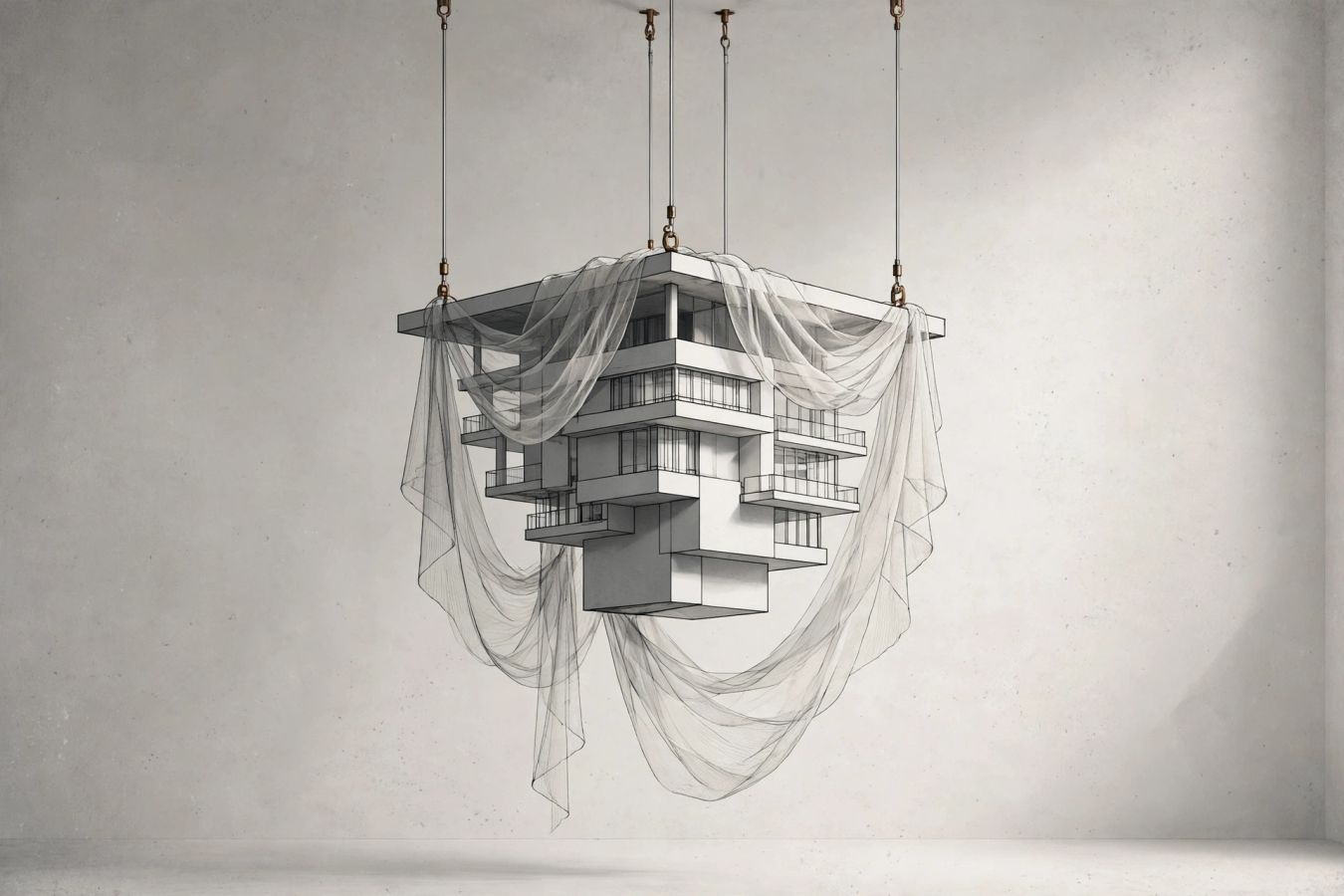
Giulia Ferracci has picked the showing. Three new commissions occupy the rooms. Dieye opens the floor with a towering installation called Una Resa senza Caduta. Iron tubes support sheer rayon cloth. The form mirrors the tower originally built for French West Africa at the 1931 Paris Colonial Exhibition. It hangs upside down. Precarious balance defines the piece. By flipping a monument designed to show imperial control, the work exposes lingering visual hierarchies. The colonial gaze never really left.
Moscardini pairs sculpture with statutory language. Her piece, Una strada, features a cast bronze slab taken directly from the pavement outside Via Guido Reni. She mounts it vertically beside a rubber and plaster mould. The project borrows from Justinian's Institutes. Specifically, the concept of res nullius in bonis refers to assets belonging to no single owner. Working alongside philosopher Michele Spanò and legal scholars Alessandra Donati and Francesco Follieri, she drafted a proposed amendment to Italy's heritage code. If this proposal wins, the bronze will eventually replace the actual street stones. Civic duty meets aesthetic practice.
Ritual and Recognition
Bersani occupies the adjoining room. Blanche. Si fece un giaciglio nel mio udito takes shape inside a small wooden crate coated in stucco and plaster. A functional lyre attaches to the side. The object traces back to an Egyptian mummy stored at the British Museum. That body carries osteogenesis imperfecta. So does the artist. She converts clinical diagnosis into a sarcophagus and a recurring ceremony. Periodic vocal performances activate the mechanism. A song circulates through the space. It's a gesture that honours bodies that civil records routinely overlook.
Selection and Acquisition
An international panel chose these three artists. Francesco Stocchi, Micol Forti, Adam Kleinman, Beatrix Ruf, and Rein Wolfs reviewed nominations submitted by curators, researchers, and critics across Italy. Lucia Aspesi, Matteo Binci, Christian Caliandro, Frida Carazzato, Treti Galaxie, Emanuele Guidi, Denis Isaia, Marta Papini, and Anna Santomauro initially put forward candidates. The jury now waits for the verdict. On February 23, 2027, they'll name the recipient. The winning artwork enters the permanent MAXXI Collection immediately after.
The exhibition runs from November 6, 2026 through March 7, 2027. Dario Cimorelli Editore will publish a companion volume edited by Ferracci. Texts inside come from Jean-Christophe Babin, Maria Emanuela Bruni, Frida Carazzato, Emanuele Guidi, Adam Kleinman, Michela Maffongelli, Marta Papini, Beatrix Ruf, and Francesco Stocchi. You can trace the full nomination list back to that October afternoon in Paris. The bronze pavement slab sits waiting in the studio.
Museums mentioned

Related reading
Italy moves toward formal Nazi-looted art panel
A new parliamentary bill proposes a dedicated committee to examine provenance records and return seized artworks to heirs or Jewish communities.

Etruscan Masterpieces Return to Public View in Rome After €15m State Acquisition
National Etruscan Museum presents 37 fresco panels from the François Tomb in landmark exhibition
Budapest's Cultural Rebirth: Ten Essential Works Across Its Major Institutions
Political shifts have reopened doors to masterpieces spanning Raphael, Goya and Vasarely