News

Metropolitan Museum of Art

Editorial from Exhibo and official announcements from Metropolitan Museum of Art.

News by Exhibo

Editorial coverage on Exhibo

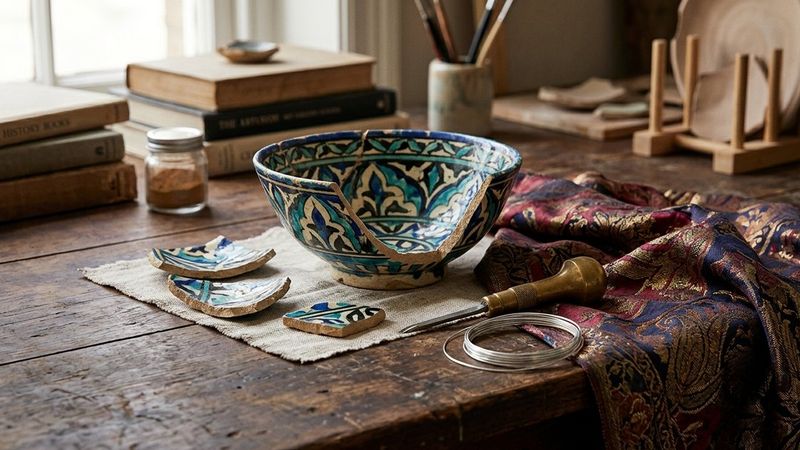
Workshop still life with Islamic ceramic bowl shards in cobalt and turquoise glaze, brass inlay tools and silk thread on a wooden bench in warm sidelight
Guide

Islamic Decorative Arts: Ceramics, Metalwork, Glass and Textiles

From Kashan luster bowls to Mamluk mosque lamps and Safavid silks: a museum survey of four luxury media with named works in London, New York and Doha

Islamic decorative arts are the portable luxury crafts of Muslim-ruled lands: pottery and tile, inlaid brass, enamelled glass, woven silk and knotted carpet. This survey follows workshop conditions, techniques and trade from Abbasid Iraq to Ottoman Istanbul, with four close readings and a media comparison table, while Iznik depth, arabesque theory and building programmes sit in sibling articles on the series hub.

Iznik-style ceramic tile workshop atmosphere with cobalt and turquoise glazed fragments and saz leaf motifs in warm studio light, no readable inscriptions.
Guide

Ottoman Art and the Court Workshop

Court workshops, Iznik tiles, metalwork, textiles and imperial architecture from Bursa to Topkapı, with named museum works

Ottoman art names the luxury objects, tiles, metalwork, textiles and architectural programmes made under sultans from the fourteenth century to the early twentieth. The Ehl-i Hiref court corps and the nakkashane design office coordinated makers in Istanbul, Iznik and Bursa. This survey stays with workshop organisation and decorative media; miniature painting and manuscripts sit in sibling guides.

Oak table in north light with pewter cup, snuffed wick, hourglass and folded linen in a seventeenth-century still-life studio, no readable text and no copy of a famous painting.
Guide

Vanitas Painting, Explained

Netherlandish still life as a moral argument: how painters built vanitas tables, six named works, and how to recognise the type.

Vanitas is a Netherlandish still-life type: a table of goods and mortality markers arguing that status and pleasure do not last. This guide defines the type, shows how Haarlem and Leiden workshops built it, reads six named works from 1603 to 1977, and keeps it distinct from memento mori history, object dictionaries, and pop-culture namesakes.

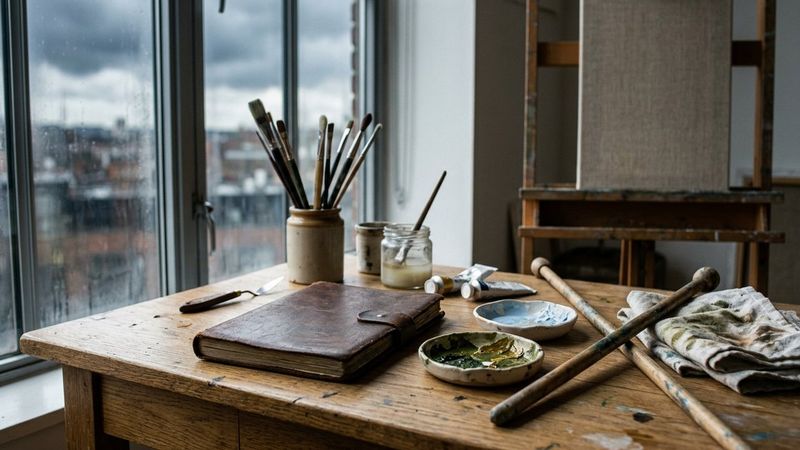
Oak studio table with a worn leather sketchbook, earth-green and sky-blue pigments in ceramic dishes, and a rain-heavy sky beyond a north-facing window, suggesting European landscape practice.
Guide

Landscape Painting: A History

How Western painters turned scenery from a backdrop into a genre, from Dutch mills and Claude’s ports to Constable and Impressionist weather

Landscape painting became a European specialism in the seventeenth century, then a vehicle for national feeling, scientific looking and modern colour. This history follows the genre from antiquity’s backgrounds through Dutch naturalism, Claude, the picturesque, Romantic weather and Impressionist light, with four works read in museum collections.

Oak study table with brass calipers, an hourglass, a plaster wing fragment and a closed old book under cool north-window light, no readable text.
Guide

Iconography: How to Read Symbols in Art

Panofsky’s three levels, attributes and source-checking: a method for reading Western pictures without treating every object as a code.

Iconography in art history is a method: name what you see, match it to a conventional type, then test that match against a dated source. This guide walks Panofsky’s levels, Ripa and ICONCLASS, and six museum works from Botticelli to Beuys, and keeps Christian saints, MENA symbol lists and the Symbolist movement on their own pages.

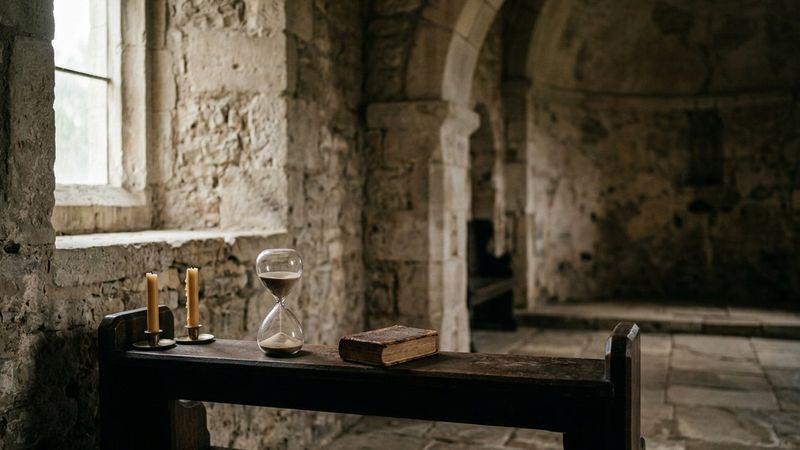
Candlelit stone chapel with an hourglass, closed leather-bound book and unlit beeswax tapers on an oak bench, cool north window light, no figures.
Guide

Memento Mori: A Cultural History

From a slave's whisper on a Roman chariot to Tudor rings, printed knights and later fashion, Europe kept death in daily view.

Latin tags and skull rings sit in search results next to stoic merch. The older story is public ritual: triumphs, cadaver tombs, rosary beads, marriage portraits and prints that put mortality on a body you could wear or a wall you had to pass. This guide tracks that history without turning it into a Dutch still-life lesson or a tattoo catalogue.

Close-up of linseed oil, amber resin tears and green copper pigment on a scarred oak bench, with a yellowed varnish film catching raking light
Guide

Why Paintings Darken and Yellow

Linseed oil, aged varnish, dirt and unstable pigments each yellow or darken a picture, and cleaning reverses only some of those changes

Old pictures look brown for mixed reasons: soot, oxidised varnish, yellowed linseed oil, and pigments that have changed in the film. Conservators can lift dirt and later varnish in many cases. They cannot restore copper greens gone brown or lead white turned transparent. The chemistry, the history of noticing it, and the limits of treatment.

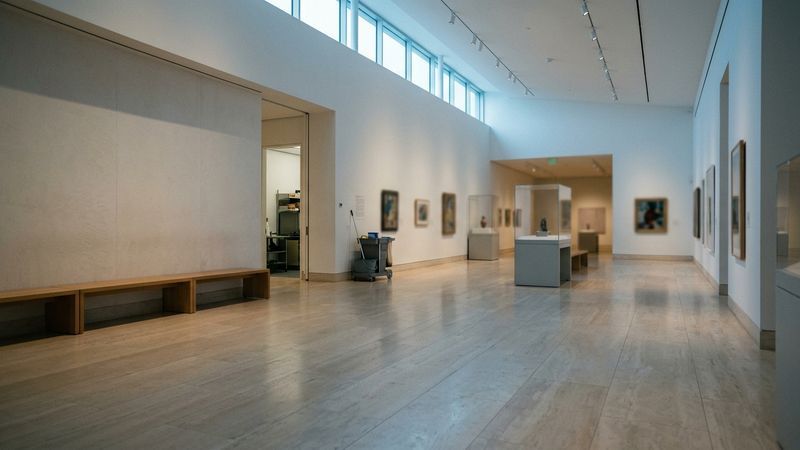
Sunlit museum gallery with empty benches and pale stone floors, collection displays soft in the distance, quiet before opening
Guide

Museum Jobs, Explained

An organogram of museum employment families, from collections and learning to security, retail and the routes people use to enter them

Museums hire curators, but they also hire registrars, educators, conservators, handlers, visitor hosts, fundraisers and facilities teams. This guide maps the employment families behind a working museum, how major institutions organise those teams, what a working week looks like in each cluster, and how pay and entry routes vary by region.