Tunis

Carthage

1 gallery · 3 museums · 14 places

About this district

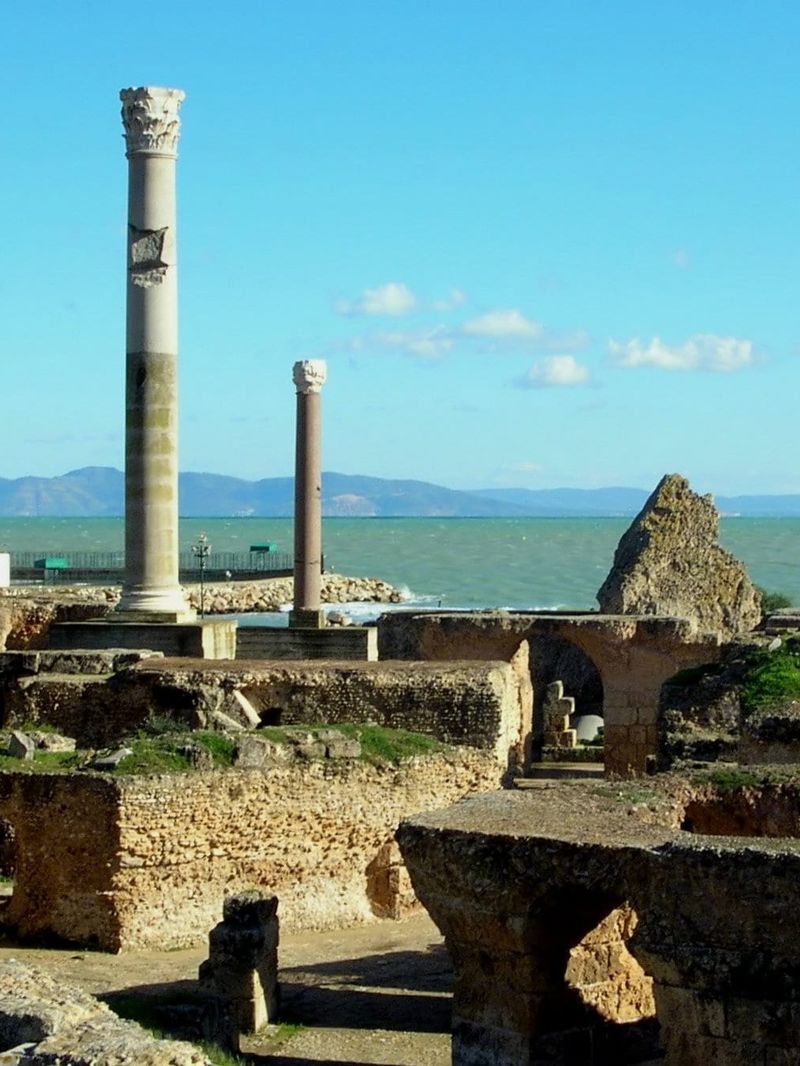
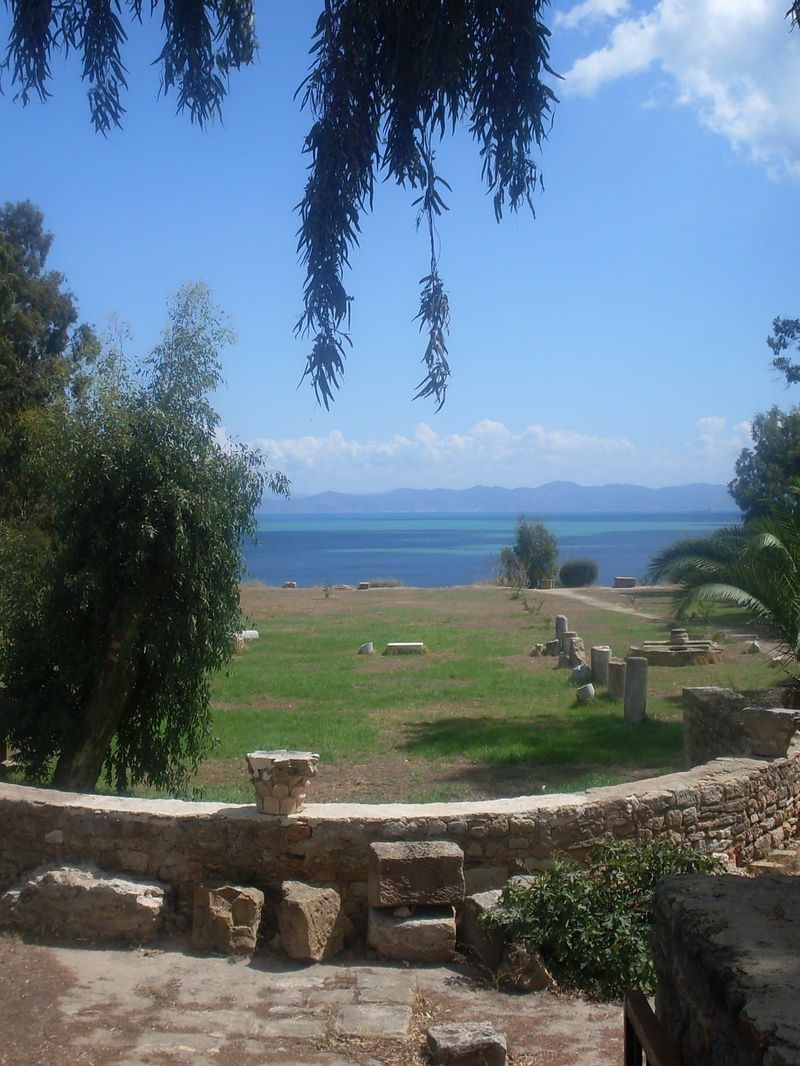
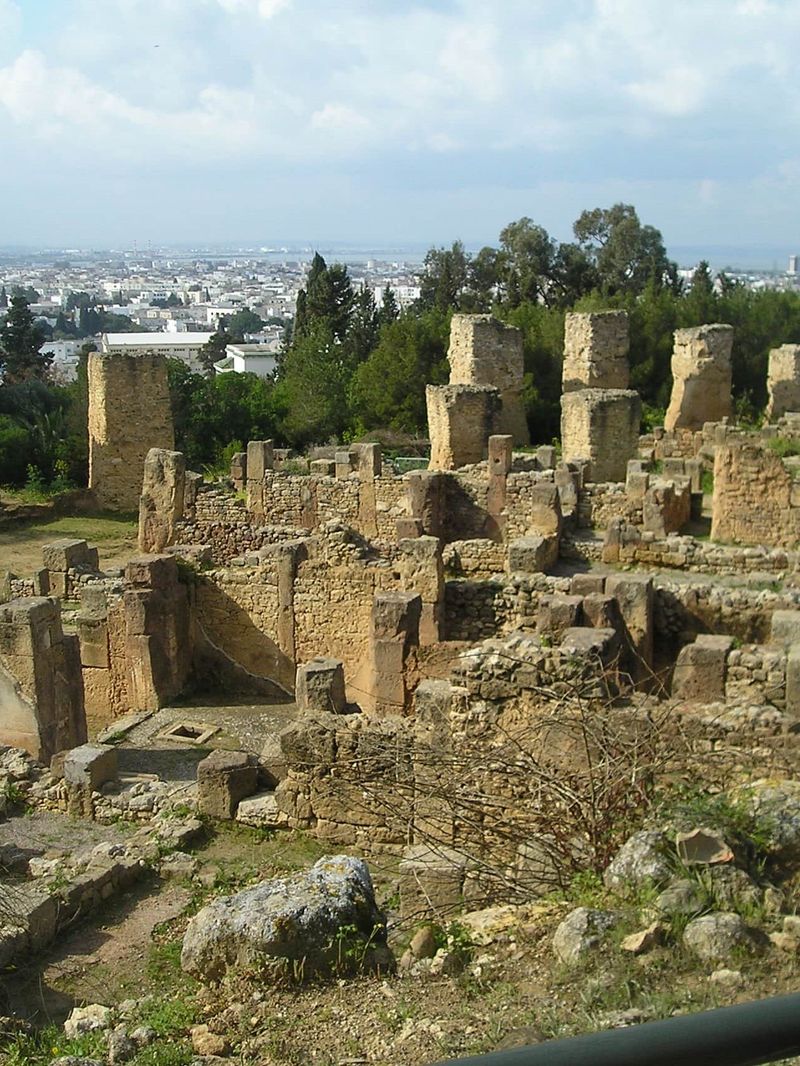
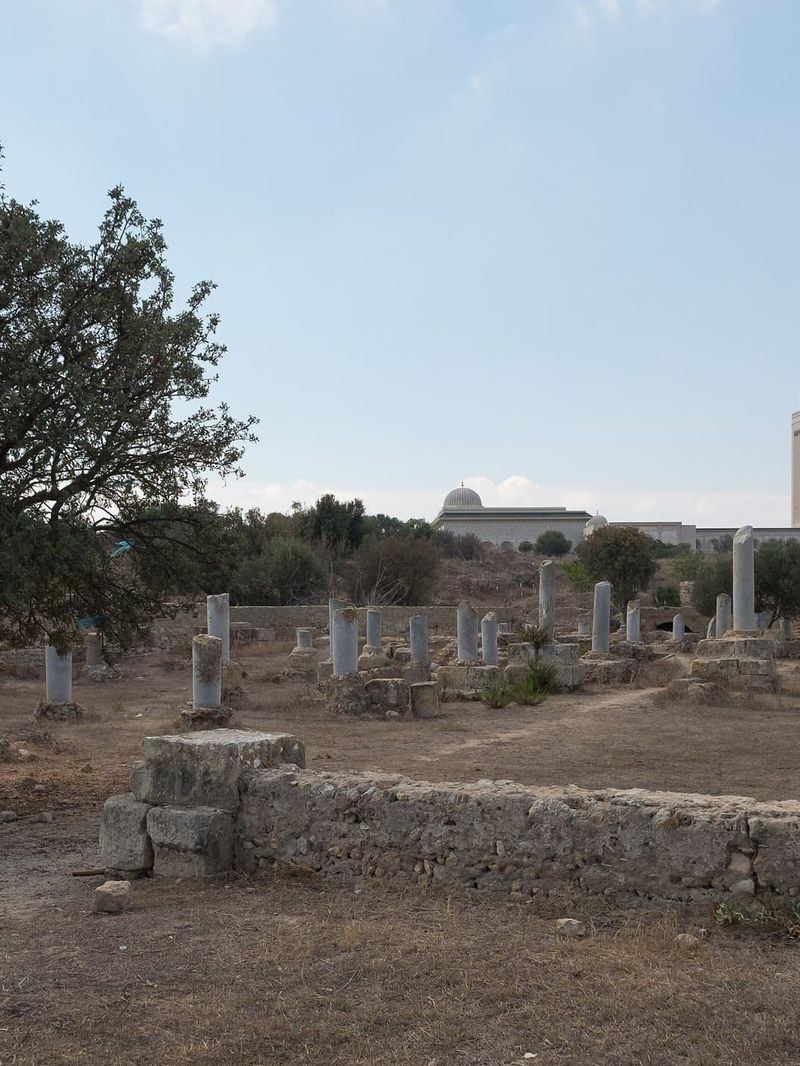
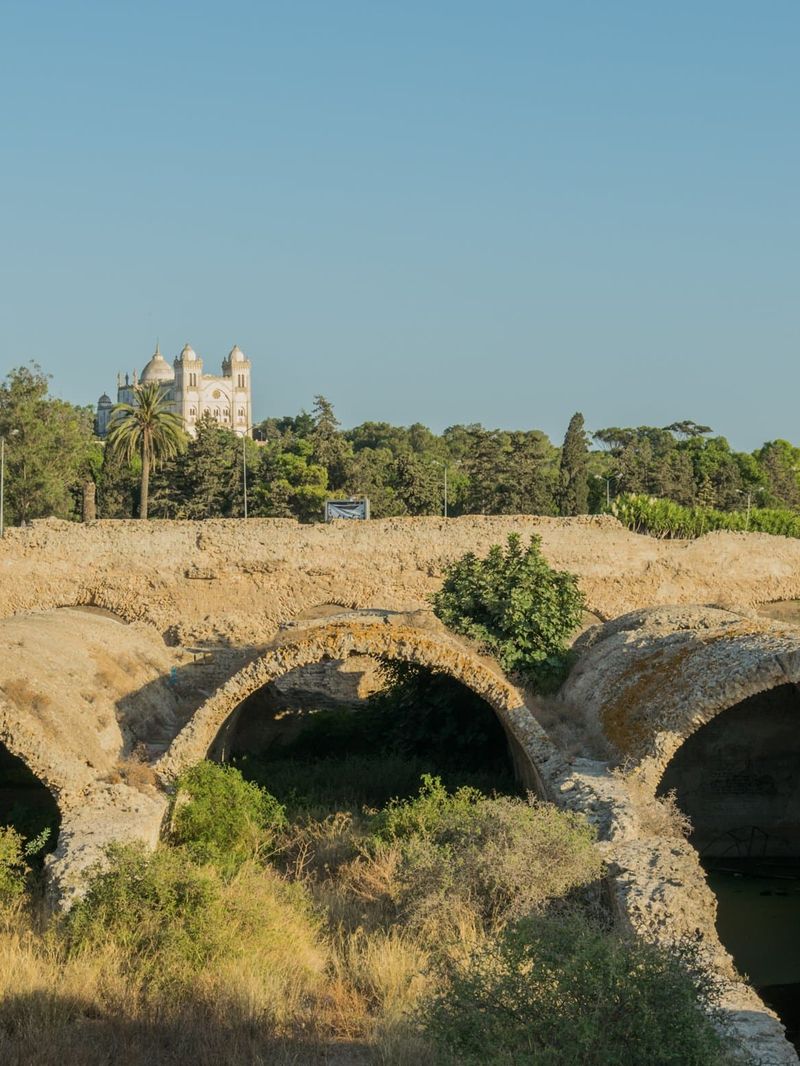
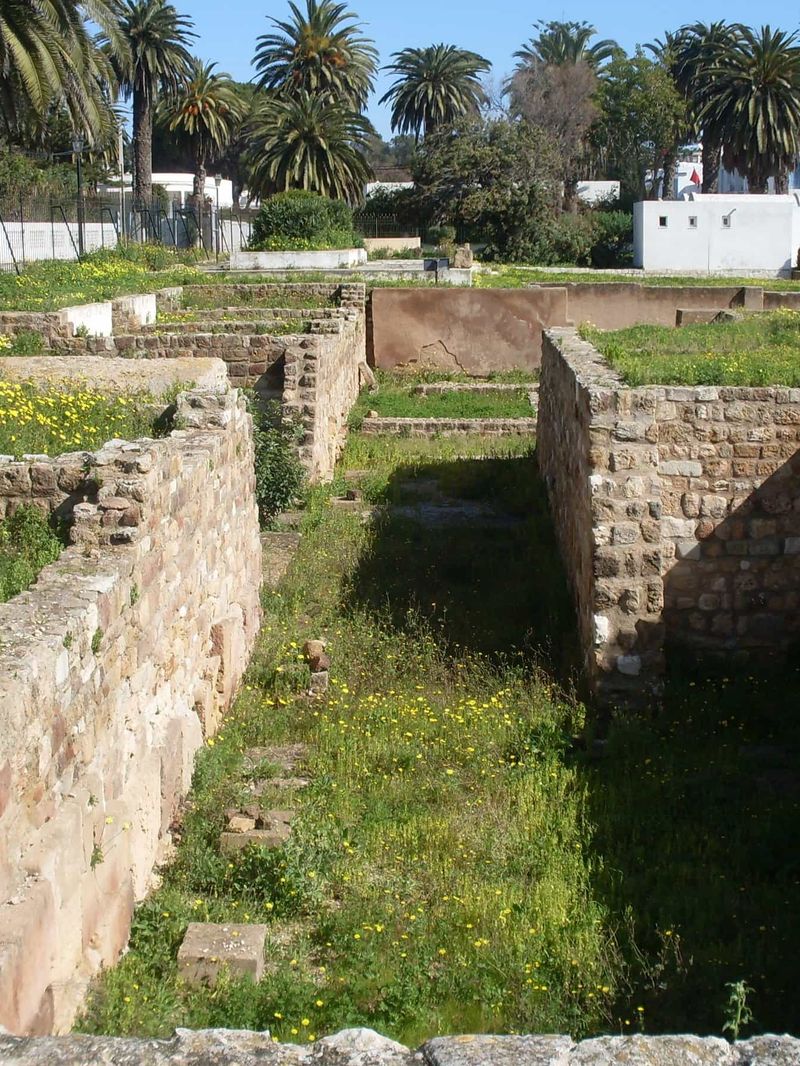
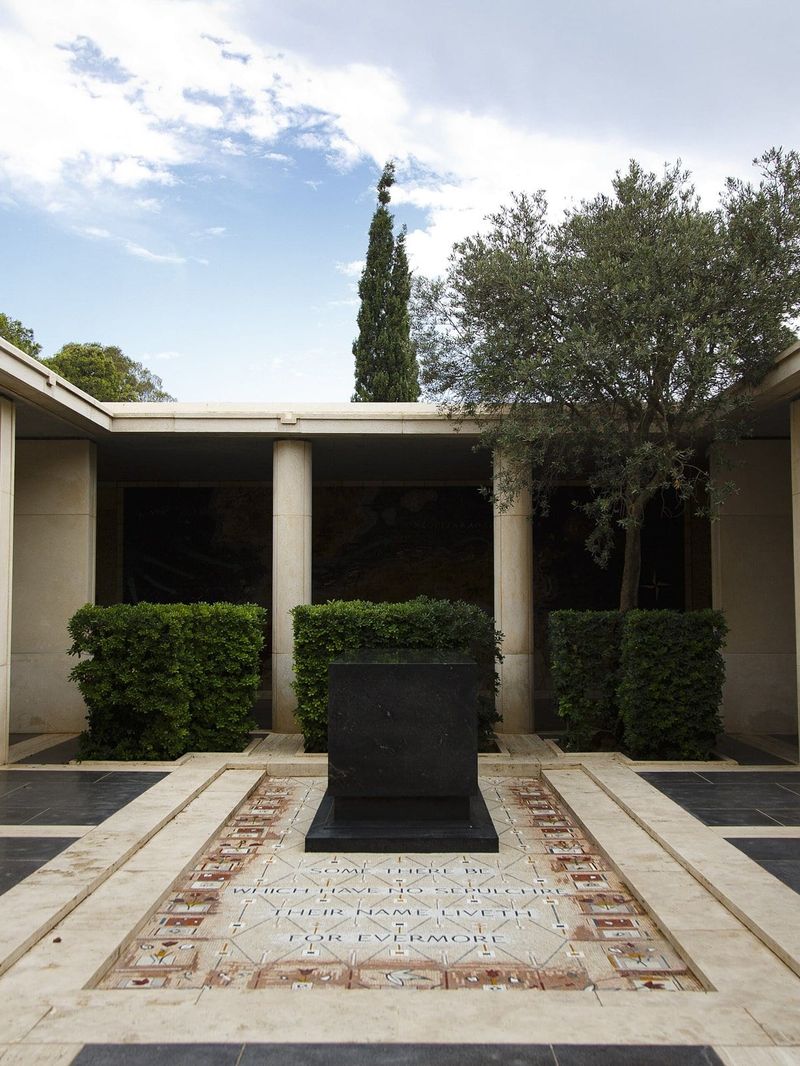
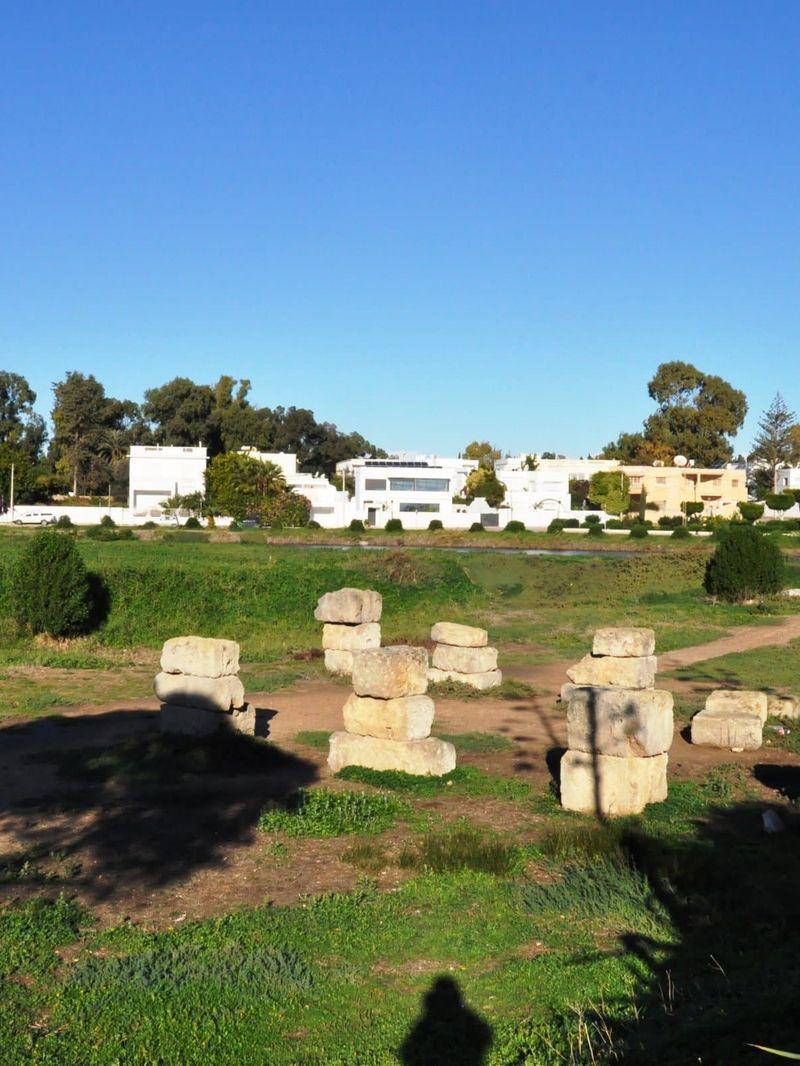
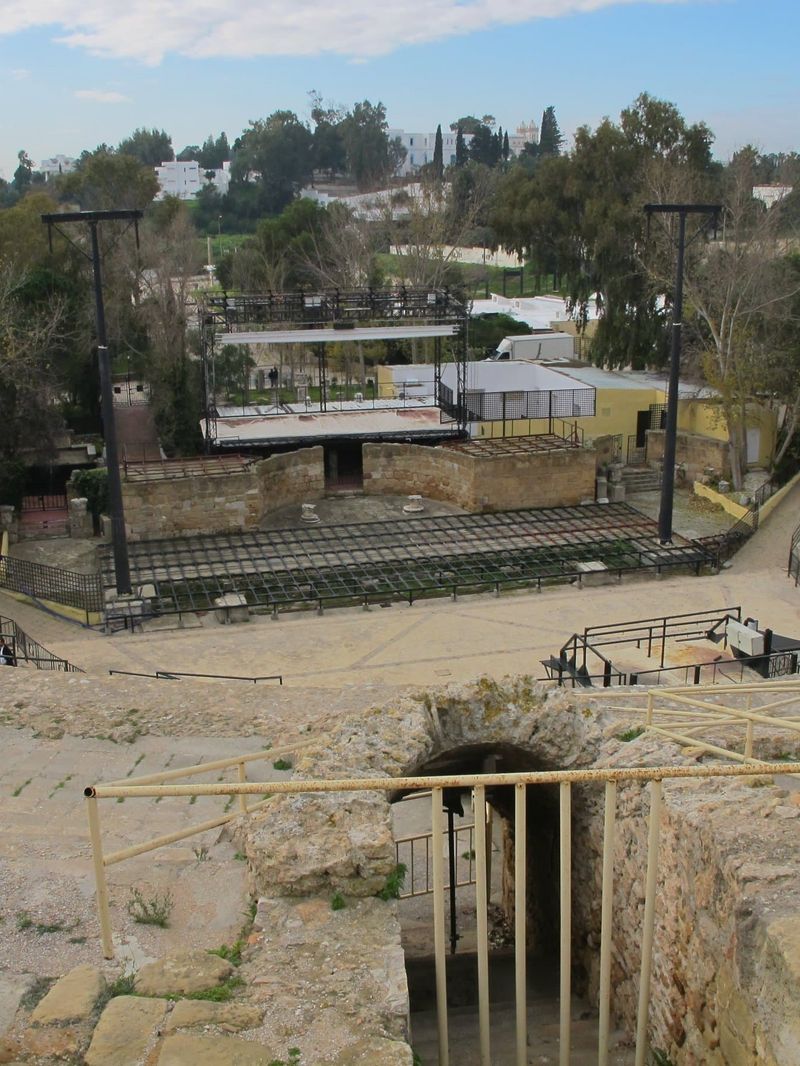
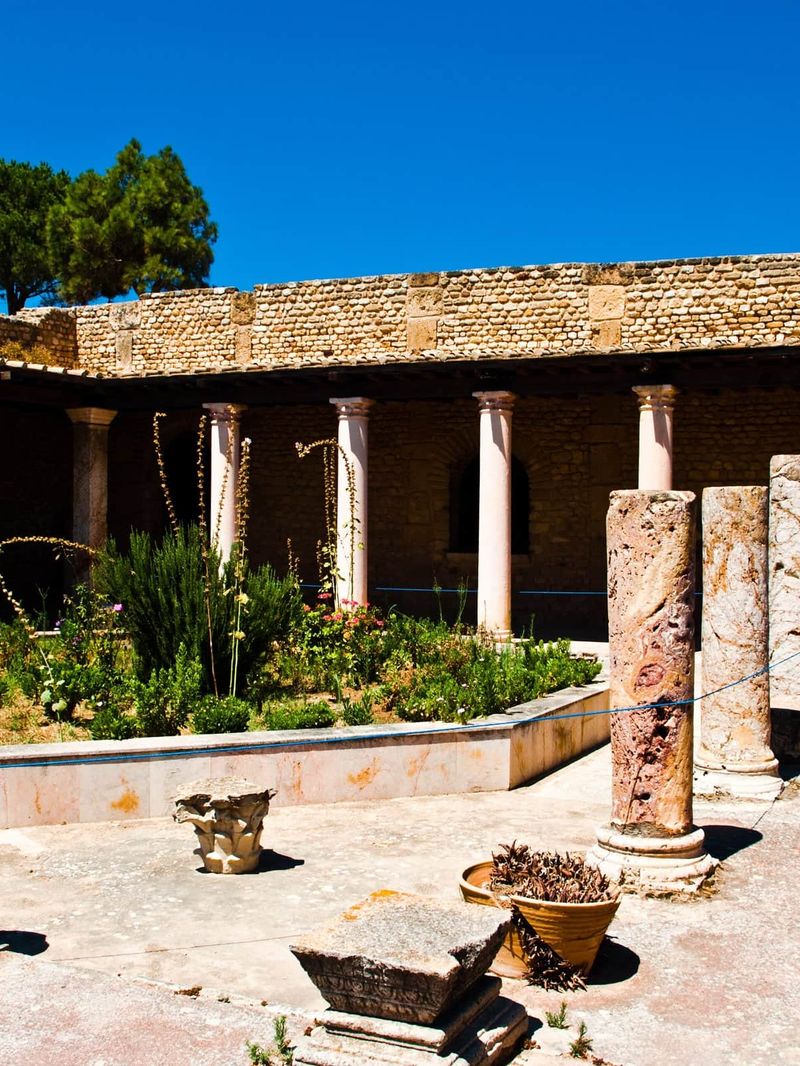
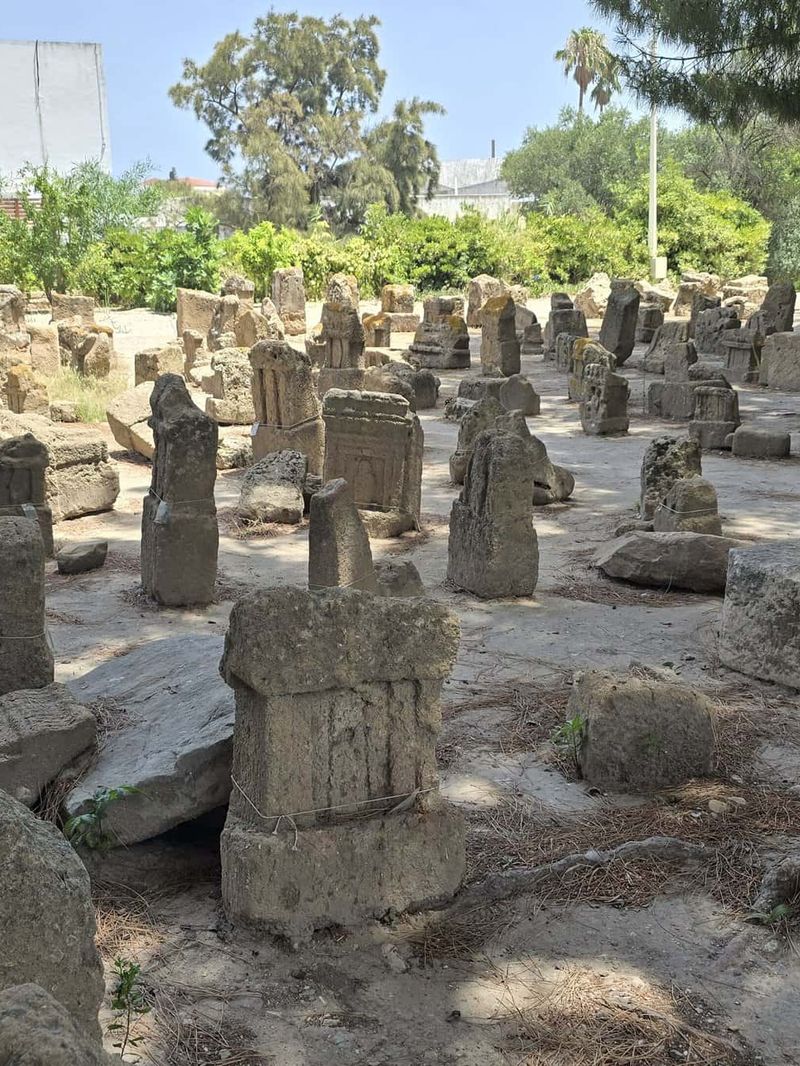
Carthage is the ancient city on the coast between Tunis and Sidi Bou Saïd — the remains of one of the great powers of the ancient Mediterranean, spread across a wide site above the sea, and a UNESCO World Heritage Site. This is heritage at its most profound: Punic ports and sanctuary, Roman baths and villas, a hilltop museum, two and a half thousand years layered into the ground and the sea air. The register is archaeological and epic. The past is the whole, magnificent subject.

Galleries

Museums

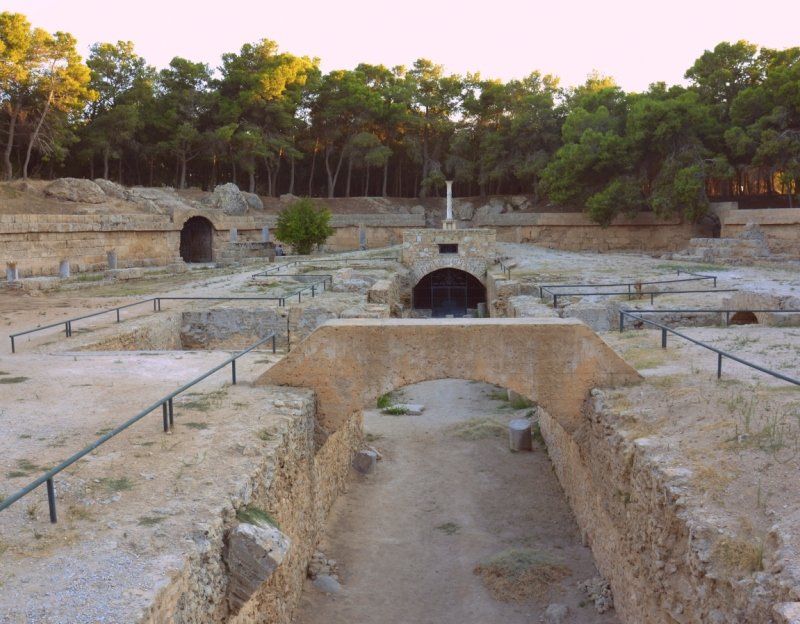
Amphitheatre of Carthage — place

Amphitheatre of Carthage

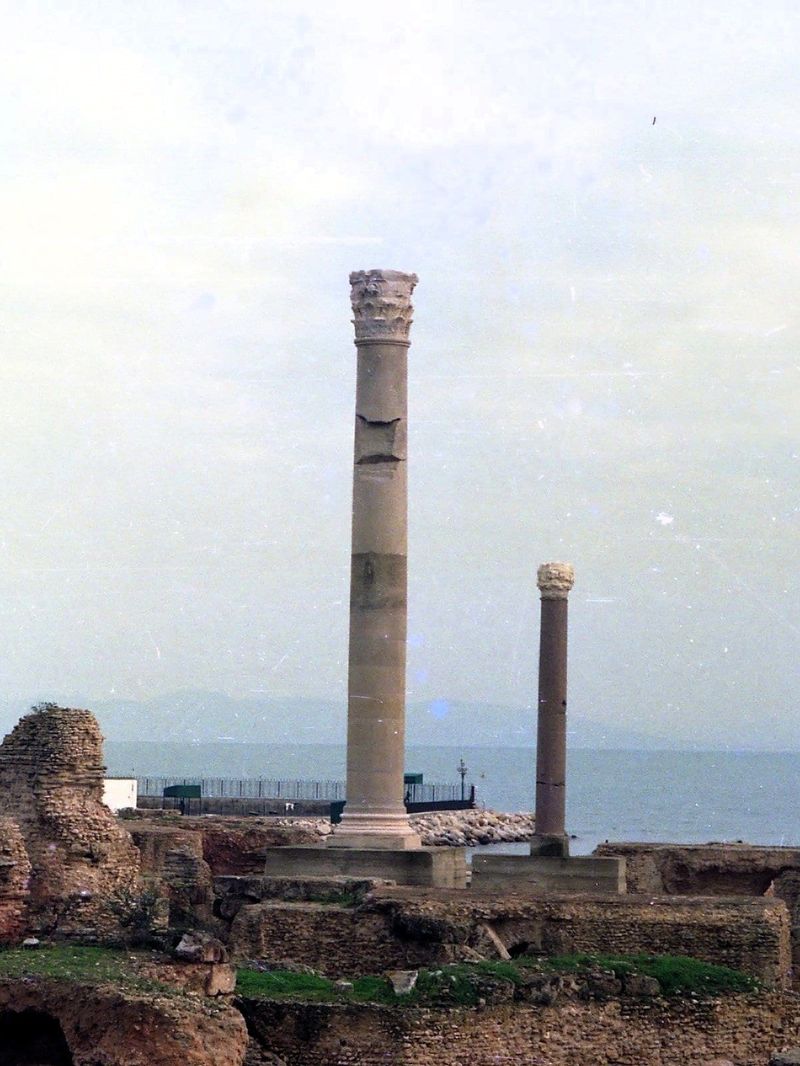
Antonine Baths, Carthage — place

Antonine Baths, Carthage

Archaeological Site of Carthage — place

Archaeological Site of Carthage

Basilica of Saint Cyprian, Carthage — place

Basilica of Saint Cyprian, Carthage

Byrsa Hill, Carthage — place

Byrsa Hill, Carthage

Cathedral of Saint Louis (Acropolium), Carthage — place

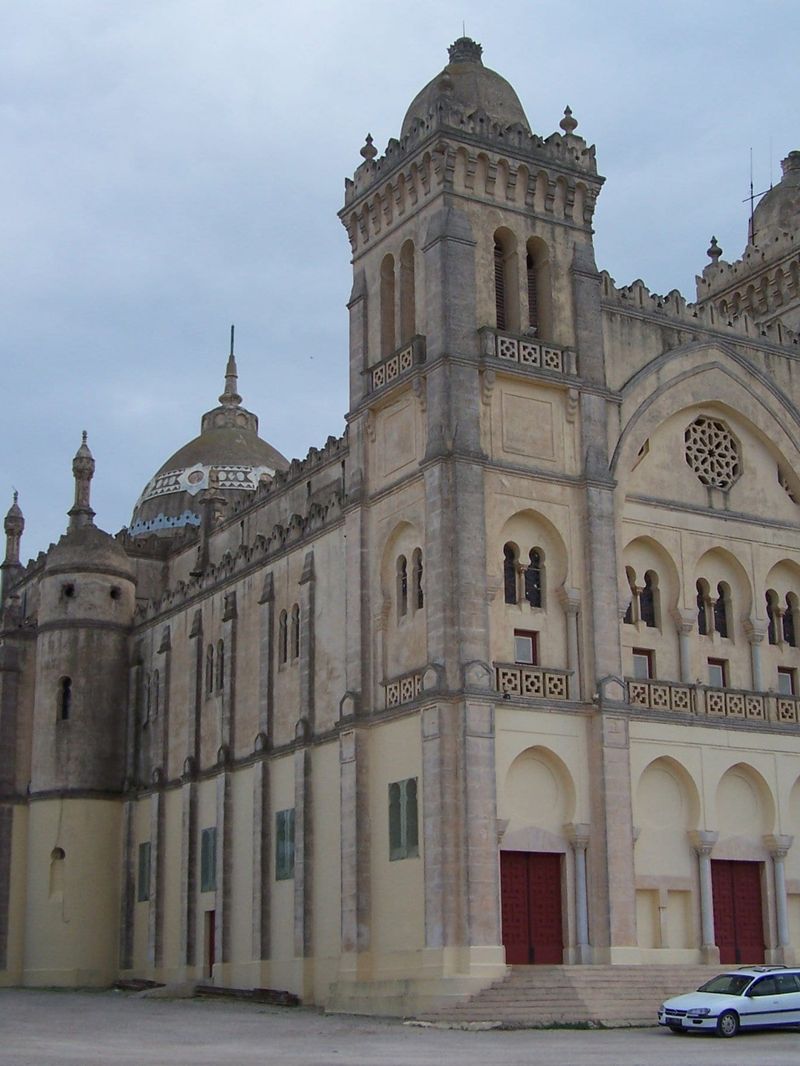
Cathedral of Saint Louis (Acropolium), Carthage

Damous El Karita Basilica, Carthage — place

Damous El Karita Basilica, Carthage

La Malga Cisterns, Carthage — place

La Malga Cisterns, Carthage

Magon Quarter, Carthage — place

Magon Quarter, Carthage

North Africa American Cemetery, Carthage — place

North Africa American Cemetery, Carthage

Punic Ports of Carthage — place

Punic Ports of Carthage

Roman Theatre of Carthage — place

Roman Theatre of Carthage

Roman Villas and Odeon, Carthage — place

Roman Villas and Odeon, Carthage

Tophet of Salammbo, Carthage — place

Tophet of Salammbo, Carthage

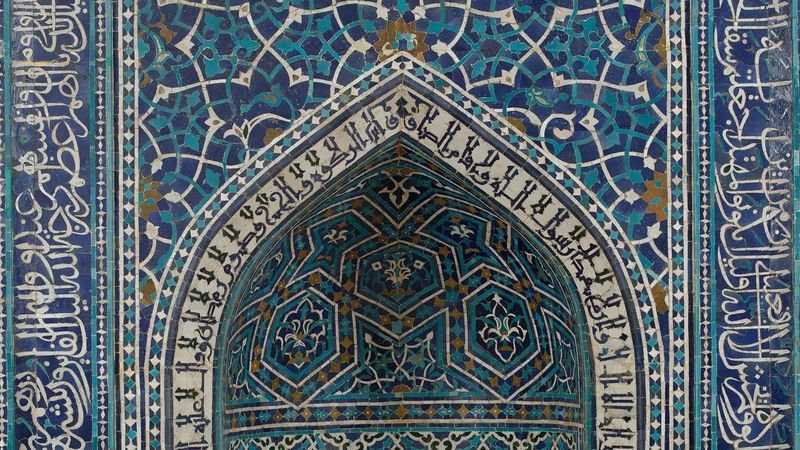
Blue and turquoise glazed tile mosaic of a mihrab, a prayer niche, from Isfahan, Iran, dated 1354–55, with a pointed arch framed by bands of Arabic calligraphy
Editorial

56 English Words With Arabic Roots: Art, Colour, Fabric and Architecture

Azure lost a letter, alcohol was once eye make-up, and a sofa was a carpeted platform. A field guide to the art words English borrowed from Arabic — and how sure we can be about each one.

Your sofa, your cotton shirt and the sequins on a party dress all have Arabic roots. We checked 56 English words from the world of art — colour, cloth, architecture and the studio — against two major dictionaries to trace where each came from, which languages carried it, and which famous etymologies are still disputed.

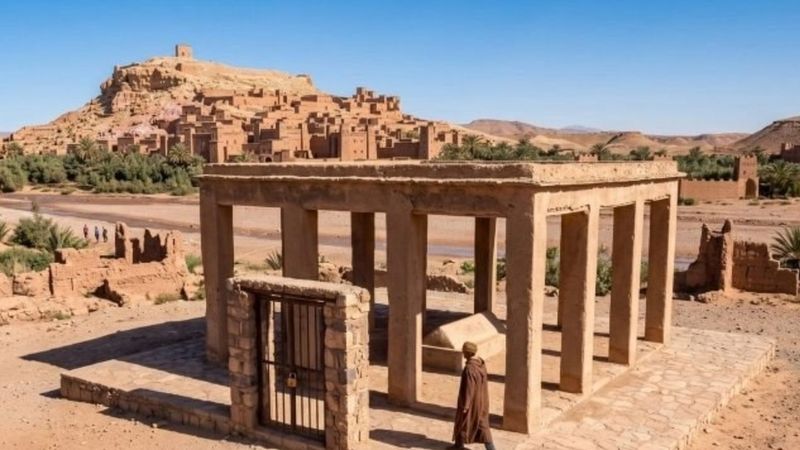
An open, columned tomb pavilion with a padlocked iron gate standing on one side and no walls around it, so the locked gate can simply be walked around.
Editorial

Nasreddin: The Trickster Everyone Claims

A padlocked gate with no walls, two rival graves, and stories told among two dozen peoples: how the wise fool of the Islamic world became a shape every culture fills with itself.

In Akşehir, a tomb said to hold Nasreddin Hodja stands in an open pavilion behind a heavy padlocked gate — with no wall on either side. It is the perfect monument to a man who may not be in it. The stories told under his name belong to more than one tradition and more than one century: Turkish, Persian, Arab, Central Asian, Uyghur. Reformist satirists, Soviet novelists, Chinese animators and UNESCO have each tried to give him a fixed home.