
Dubai · United Arab Emirates
Elie Khouri's New Foundation Takes Shape in Dubai
A private villa in Jumeirah 1 becomes the home for Ekaf
A Private Foundation Takes Shape in Jumeirah
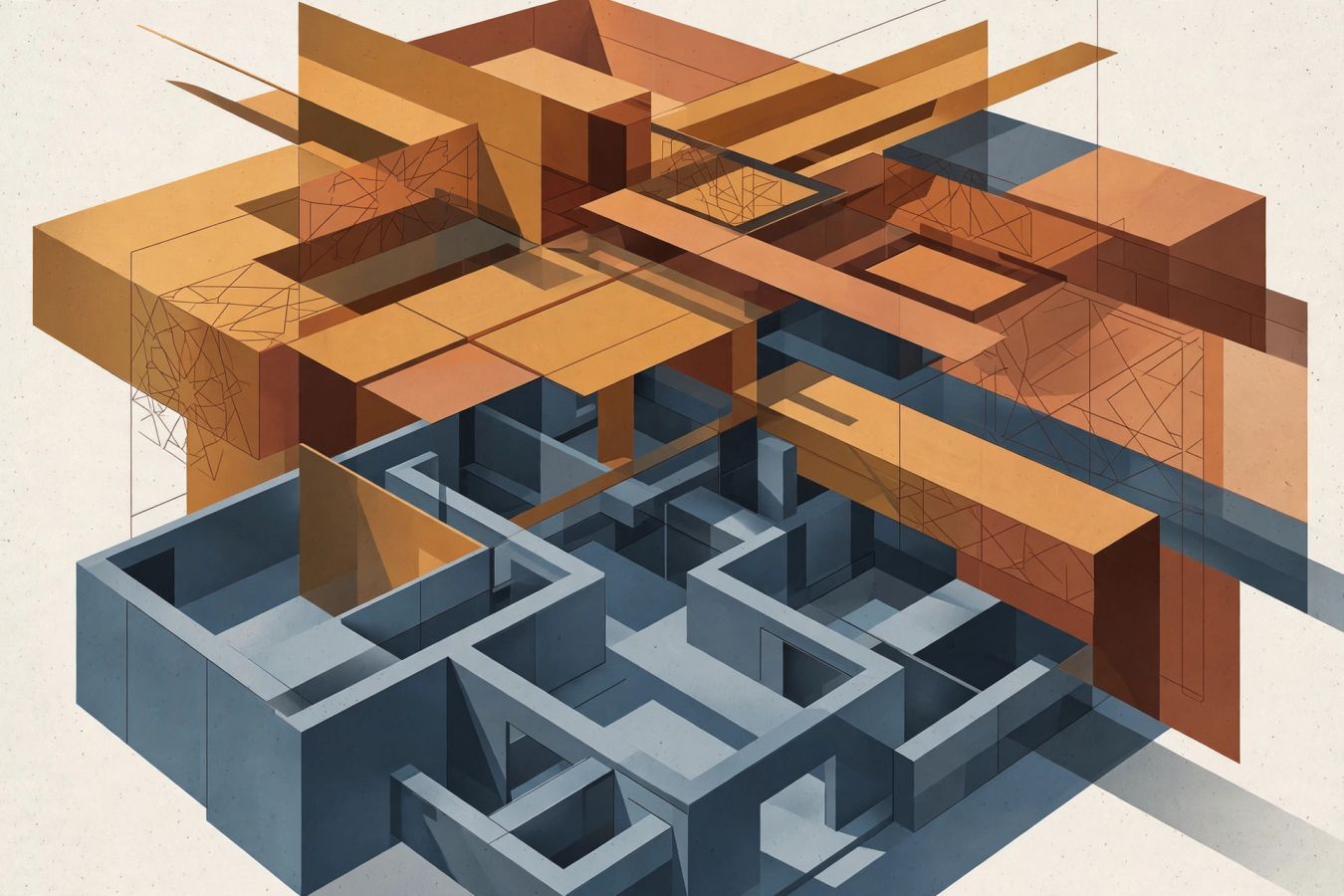
Elie Khouri has spent decades assembling one of the most substantial private collections in the United Arab Emirates. He is now converting those holdings into a permanent architectural presence. The Elie Khouri Art Foundation, operating under the acronym Ekaf, will occupy a renovated villa in Jumeirah 1. Counterspace, the practice directed by Sumayya Vally, is handling the structural redesign. The venue is scheduled to welcome visitors in 2028.
Khouri's career traces a clear path across financial and cultural sectors. Born in Lebanon, he served as chief executive of Omnicom Media across the Middle East and North Africa before establishing roots in Dubai during the nineties. His interest in institutional infrastructure began roughly five years ago. He joined the Deflina Foundation's collectors-in-residence programme in London, an initiative launched in 2017 that treats collecting as a disciplined practice. Through that network, he conducted feasibility studies to map exactly what the local system required. The residency model forced him to examine how private wealth could translate into public utility without mimicking Western institutional templates.
Dubai currently operates without a major public museum. Independent initiatives have filled the resulting vacuum. Jameel Arts Centre and Alserkal Avenue form the established backbone, supported by smaller entities like Ishara, which concentrates on South Asian practices. Khouri acknowledges that private funding remains essential for cultural development in a city driven by commerce. He frames Ekaf as a mechanism for exchange rather than mere display. The foundation will centre on global contemporary work while maintaining a steady focus on regional creators. It is a pragmatic balance. The archive already spans more than three hundred artists. Early programming will draw directly from his personal acquisitions. Subsequent seasons will rely heavily on external loans and partnerships. Long term, Khouri plans to decouple the institutional holdings from his private portfolio entirely. The separation matters.
Caroline Louca arrives as the founding director. She brings operational experience from Abu Dhabi's Department of Culture and Tourism alongside her tenure at Christie's Middle East. A dedicated curatorial team will be recruited as the project nears its finish line. Louca emphasises that education and public dialogue will run parallel to exhibition schedules. The chosen site reinforces this approach. Jumeirah 1 sits among the city's earliest residential districts. Affluent families have lived there for generations. The selected property sheltered an Emirati household throughout the nineteen eighties. Vally's renovation preserves distinct Gulf architectural motifs that resonate with older locals. The firm has deliberately avoided erasing the villa's previous identity. Courtyards and shaded walkways will remain central to the spatial layout. This isn't merely aesthetic. It responds to climate and tradition.
Louca describes the intended visitor experience in blunt terms. She wants guests to feel comfortable posing difficult questions rather than passively absorbing displays. The foundation will track its progress through audience engagement metrics and repeat attendance. Talks, workshops, and lecture series will operate alongside the gallery spaces. Construction continues quietly behind closed gates. The first public doors are set to open in 2028.
Galleries mentioned
Museums mentioned

Related reading
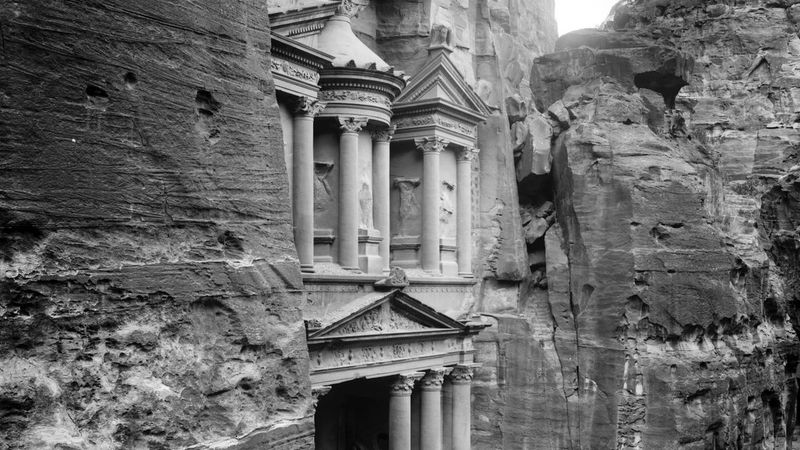
Filmed, but Not Recorded: The Arab World’s Missing Film Locations
Wikidata knows Gladiator was filmed in Morocco. It doesn’t know where.
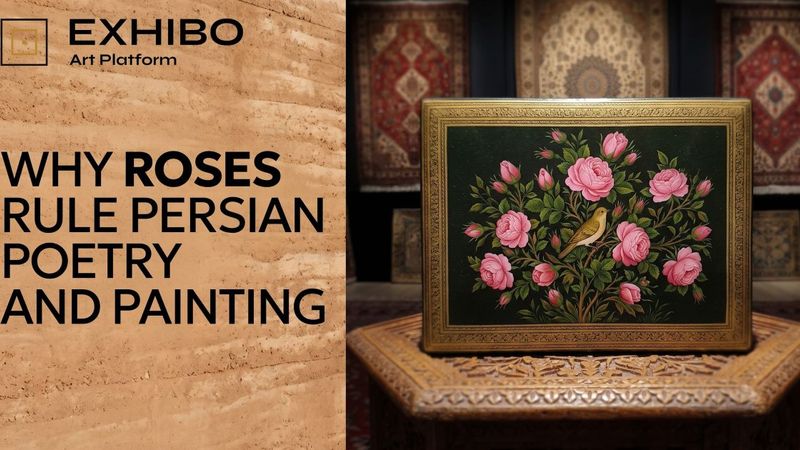
The Flower That Was Never Only Beautiful
The rose rules Persian poetry and painting — but under the sweetness sits a thorn, a bleeding bird, and a national emblem quietly assembled out of Chinese, European and Persian parts. A history of gol o bolbol, from a medieval still to a Dubai gallery.
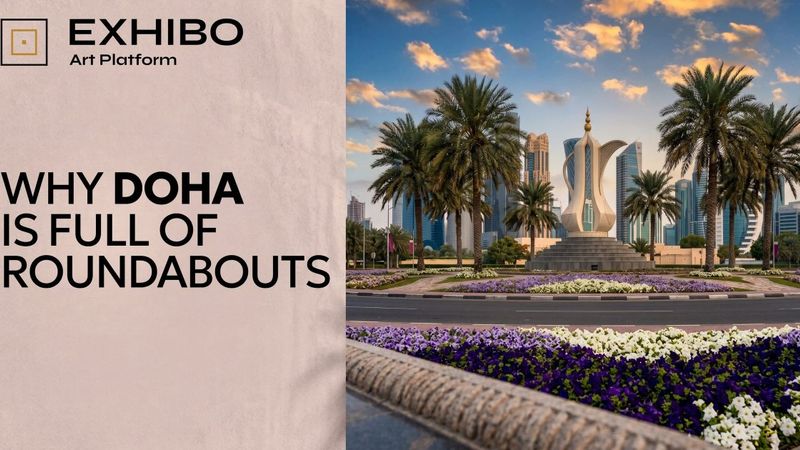
Why Doha Is Full of Roundabouts
An old circle at a crossroads, sharpened by British road engineering, became the way an Arabian city found its way and remembered itself — and it took the bulldozers to reveal it.