United Arab Emirates

Cities

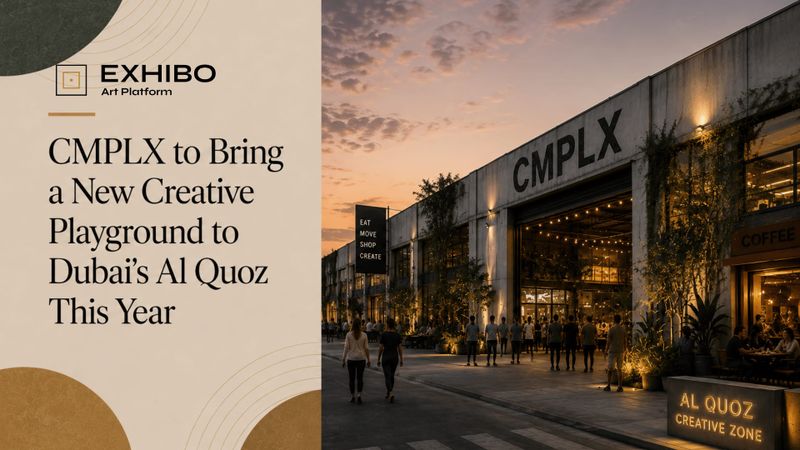
CMPLX to Bring a New Creative Playground to Dubai's Al Quoz This Year

CMPLX to Bring a New Creative Playground to Dubai's Al Quoz This Year

A seven-warehouse lifestyle hub combining food, wellness, retail and creative studios is set to open in Al Quoz Creative Zone by the end of 2026, adding a new anchor to the neighbourhood built around Alserkal Avenue.

CMPLX, a new warehouse-style lifestyle destination combining food, wellness, retail and creative studios, is set to open in Dubai's Al Quoz Creative Zone by the end of 2026 — adding a fresh anchor to a neighbourhood already defined by Alserkal Avenue's galleries and cultural spaces.

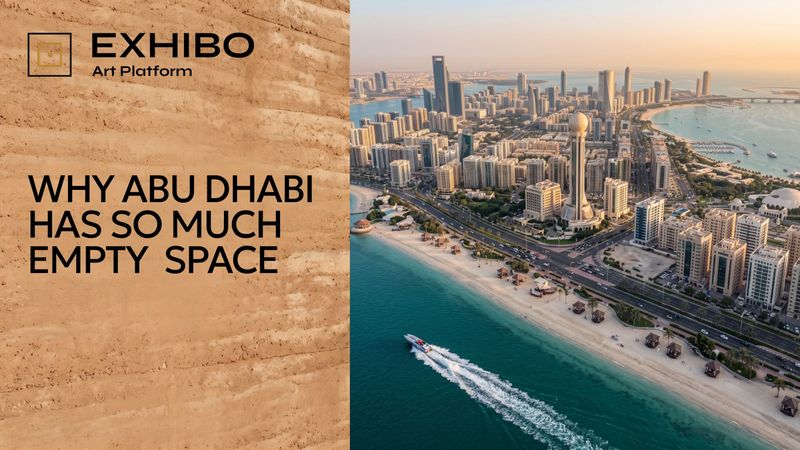
Aerial view of central Abu Dhabi showing its wide arterial roads and rectangular superblocks, towers lining the perimeters with lower buildings
Editorial

Why Abu Dhabi Has So Much Empty Space

The wide roads and open blocks of the capital look like the luxury of a place with land to spare. They are closer to the opposite — a set of deliberate decisions about planning, land and time, made on an island that was never as limitless as it feels.

The easy explanation is desert plus oil money: room to spread and the means to spread into it. But space is not what a city has — it is what a city decides to do with what it has. Abu Dhabi's emptiness turns out to be almost entirely decided: a modernist grid, a founder who wanted straight roads so the capital could be reached quickly, a land system with no yearly tax and no deadline, a vast greening programme. The room was the plan.

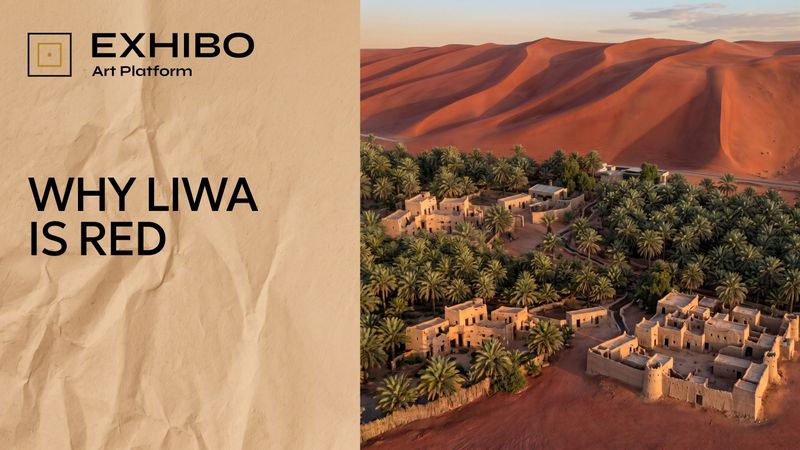
The deep rust-red mega-dunes of the Liwa crescent in the Empty Quarter, rising in smooth ridges under clear sky, with a thin line of green date palms at their base
Editorial

Why Liwa Is Red

The red of the world's tallest dunes isn't a fact about the sand — it's a record of everywhere the sand has been. A drowned sea, an ice-age wind and a buried green Arabia, all pressed into a single colour.

Everyone knows why Liwa is red: iron in the sand. It's true the way "the Gulf is white to reflect heat" is true — the first sentence of a much longer story. The red is a microscopically thin coat of rust on grains of clear quartz, and where those grains came from is almost impossible to picture from the dunes: the floor of a sea that no longer exists, lifted grain by grain and stacked three hundred metres high.

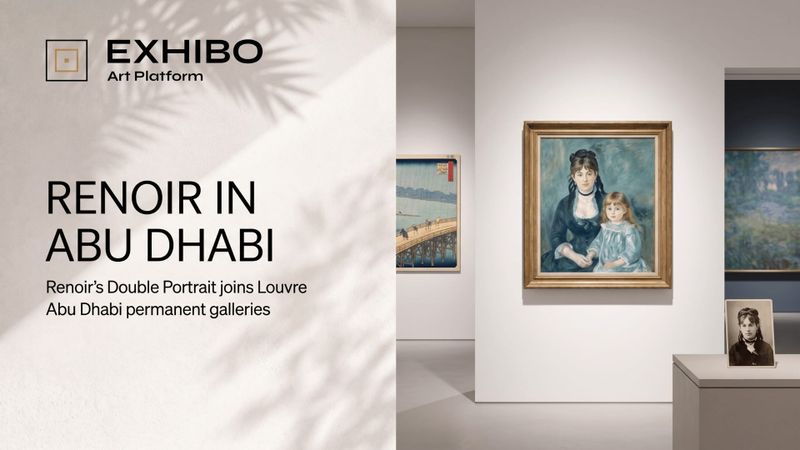
Renoir's Double Portrait of Berthe Morisot Joins the Permanent Galleries at Louvre Abu Dhabi

Renoir's Double Portrait of Berthe Morisot Joins the Permanent Galleries at Louvre Abu Dhabi

The 1894 painting, the latest addition to the Abu Dhabi Masterpieces Collection, will be on view for a year alongside Monet, Japanese prints and photography that trace Impressionism's cross-cultural roots.

Pierre-Auguste Renoir's 1894 double portrait of Berthe Morisot and her daughter, Julie Manet, is now on display in the permanent galleries of Louvre Abu Dhabi for one year — the latest addition to the Abu Dhabi Masterpieces Collection, placed in dialogue with Monet, Japanese prints and period photography.

Why Gulf Cities Are So White: Beyond the Physics - Gulf cities look white
Editorial

Why Gulf Cities Are So White

The dazzling white of Gulf cities looks like simple physics — sunlight, reflected. The real story runs through coral, lime, faith, oil and the way traditions acquire their reasons after the fact.

Everyone knows why Gulf cities are white: white reflects the sun. It isn't wrong — it's just one strand of a much thicker rope. Follow it back through coral walls and lime skins, a sustainability code that never mentions colour, and a desert that was never really dark and the tidy explanation starts to look like something we tell ourselves afterward.

Hatta: The Valley That Changed Hands — blog article
Editorial

Hatta: The Valley That Changed Hands

Ninety minutes from Dubai, a mountain town where the same water has shaped human settlement for four thousand years.

Most guides to Hatta list its fort, its dam and its trails. This is the valley told differently — through the single physical problem that has shaped every era of its life. From Bronze Age tombs sited by the water to a mosque timed by shadow to a hydro plant that answers Dubai in ninety seconds, one question runs through four thousand years: where does the water go, and whose turn is it?