
Sharjah · United Arab Emirates
Sharjah Biennial 17 Unveils Curatorial Vision and Opening Schedule
Angela Harutyunyan and Paula Nascimento frame the 2027 edition around archival residue and spatial memory
A Restless Archive: Sharjah Biennial 17 Takes Shape
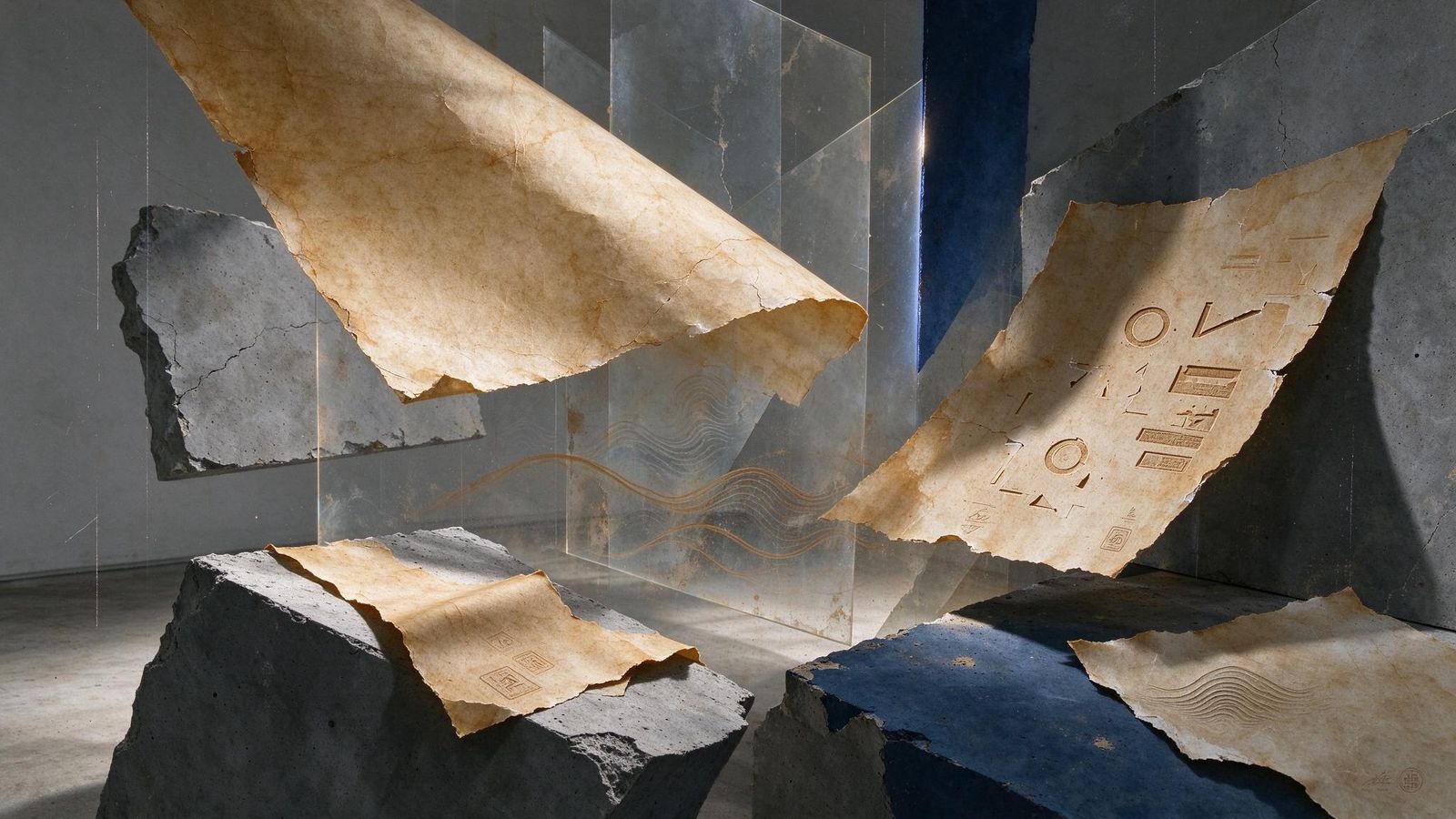
The seventeenth iteration of the Sharjah Biennial is scheduled to run between late January and mid-June 2027. Under the direction of Angela Harutyunyan and Paula Nascimento, this year's edition adopts the thematic banner What remains, sits restive. Rather than treating historical fragments as static relics, the exhibition framework positions them as active forces that continue to shape contemporary spatial and temporal politics. Across eleven distinct locations within the emirate, participating creators will interrogate unresolved narratives and the lingering impacts of modernist ambitions.
Opening Week Programme
The inaugural phase spans four days at the start of February, though officially dated from the twenty-first through the twenty-fourth of January. Events will unfold simultaneously across Sharjah, Al Dhaid, Kalba, and Khorfakkan. Attendees can anticipate guided walkthroughs, live presentations, multimedia installations, and curated screenings. Among the standout interventions is Angélica Ferreira's engagement with a former cinema building dating back to the 1970s. Her project examines architectural mobility and how structural forms carry postcolonial histories across different geographical contexts. Meanwhile, Cynthia Zaven revives forgotten maritime vocal traditions from the Arabian Gulf region. These recordings often functioned as outlets for communal sorrow or as affirmations of resilience among those who stayed behind during maritime labour migrations.
Sound-based practices form another core pillar of the early schedule. Christian Salablanca Díaz presents kinetic sculptures that translate personal recollections of navigating mangrove waterways in Costa Rica into auditory experiences. Jessica Ekomane and Ntshepe Tsekere Bopape will similarly deploy audio-driven works situated within the varied topographies of the host region. The initial block concludes with Present Uneven, a cinematic survey assembled by the lead curator alongside Tevž Logar. This selection investigates how earlier political visions and utopian dreams mutate rather than disappear, continuously resurfacing in current cultural production.
Discursive Sessions and March Meeting
Following the debut fortnight, the foundation will host its annual March Meeting from the nineteenth to the twenty-first of March. Designed as a forum for critical exchange, the gathering extends the biennial's theoretical groundwork through panel discussions and commissioned live works. Victor Gama delivers a multimedia solo piece that recontextualises the writings of anthropologist Augusto Zita N'Gonguenho, layering handwritten notes against southern African rhythmic structures and digital soundscapes. Wendy Morris leads a nocturnal procession toward a coastal breakwater, delivering vocal elegies directed at waters historically referred to as bitter seas. Hassan Khan closes the performance strand with newly composed tracks that respond directly to contemporary geopolitical instability. Evening gallery visits remain available throughout the symposium, alongside complimentary transport linking central and eastern districts on the eighteenth of March.
Curatorial Framework and Venues
The decision to split the curatorial vision between two distinct methodological lenses reflects a broader shift in regional exhibition practices. Rather than enforcing a single narrative arc, the framework encourages friction between archival recovery and infrastructural critique. Harutyunyan's emphasis on ideological residues aligns with ongoing debates regarding decolonial historiography, while Nascimento's focus on spatial memory responds to rapid urban transformation across the Gulf. Together, they construct a field where historical weight and physical infrastructure operate as equal mediators of meaning. Participants are not merely displaying objects; they are deploying archives, scores, and built environments as active agents. This approach demands that audiences engage with discomfort rather than seeking resolution, positioning the biennial as a laboratory for processing collective uncertainty. As the programme unfolds over five months, the emphasis on sonic materials, architectural interventions, and discursive gatherings suggests a deliberate move away from traditional white-cube display models. Instead, the event prioritises embodied experience and critical dialogue, reinforcing the institution's commitment to sustaining long-term cultural exchanges beyond temporary viewing periods.
Exhibition spaces span multiple municipalities. Within Sharjah proper, visitors will navigate Arts Square, Calligraphy Square, Al Mureijah Square, the Photography Gallery, The Flying Saucer, and the Museum of Islamic Civilisation. Regional sites include the Al Dhaid Art Centre, Arts Palace and Farm, the historic Kalba Ice Factory, and facilities in Khorfakkan such as the local hall and cinema complex. Registration for the preliminary schedule remains open through the foundation's official channels.
Galleries mentioned
Museums mentioned
Related reading
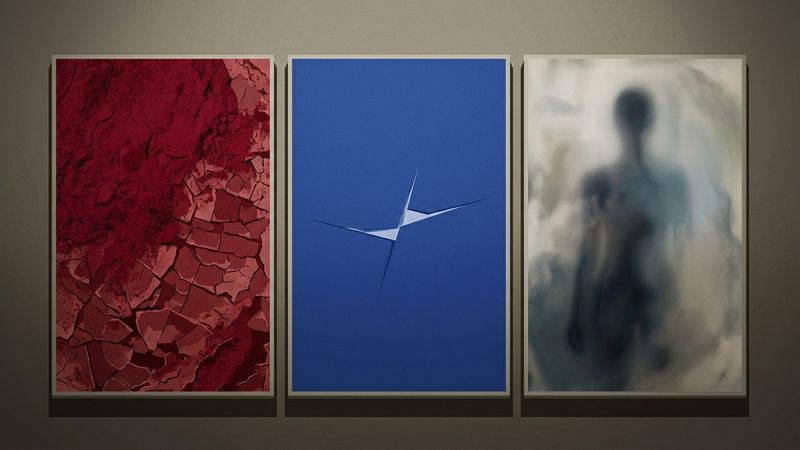
Karen Ohanyan: Delicate Matter at the National Gallery of Armenia
Exploring concealment, materiality, and memory in new triptychs
A review of the artist's latest survey, examining how layered wax and pigment transform painting into a site of quiet resistance.
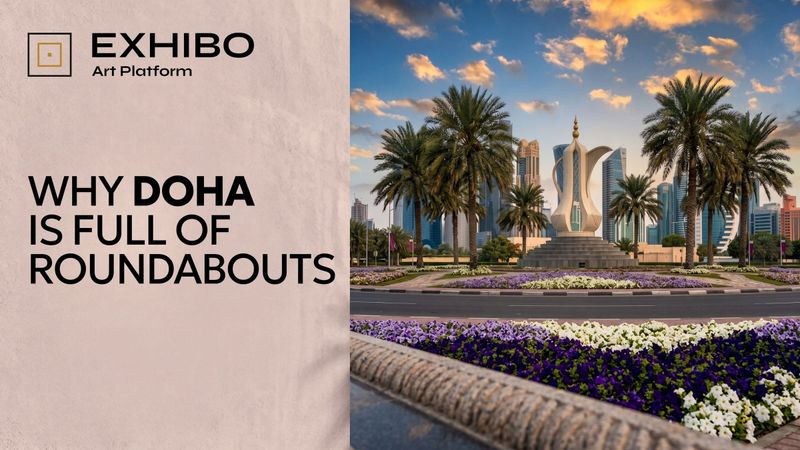
Why Doha Is Full of Roundabouts
An old circle at a crossroads, sharpened by British road engineering, became the way an Arabian city found its way and remembered itself — and it took the bulldozers to reveal it.
In a city where a landmark was more useful than an address, Doha's roundabouts became its navigation, its landscaping and its national image all at once. Now they're being torn out for signalled junctions — and the affection for them arrived, as one scholar put it, only posthumously.
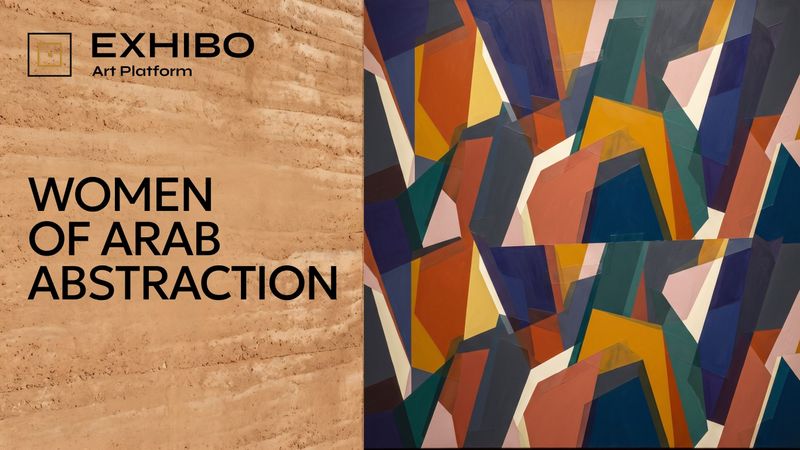
Women of Arab Abstraction
The letter set loose, the line woven, the arabesque the West once threw away — and the women who built modern abstraction out of all three, then got written out of it.
Abstraction is usually told as a Western invention that arrived elsewhere late. Saloua Raouda Choucair, Etel Adnan, Madiha Umar and a room of others tell it differently — often as the only woman in the movement, building modern form from the geometry, craft and calligraphy their own culture already held.