
Abu Dhabi · United Arab Emirates
Guggenheim Abu Dhabi Sets December Opening Date
Frank Gehry's Saadiyat Island museum to join global network amid regional shifts
A New Landmark for Saadiyat Island
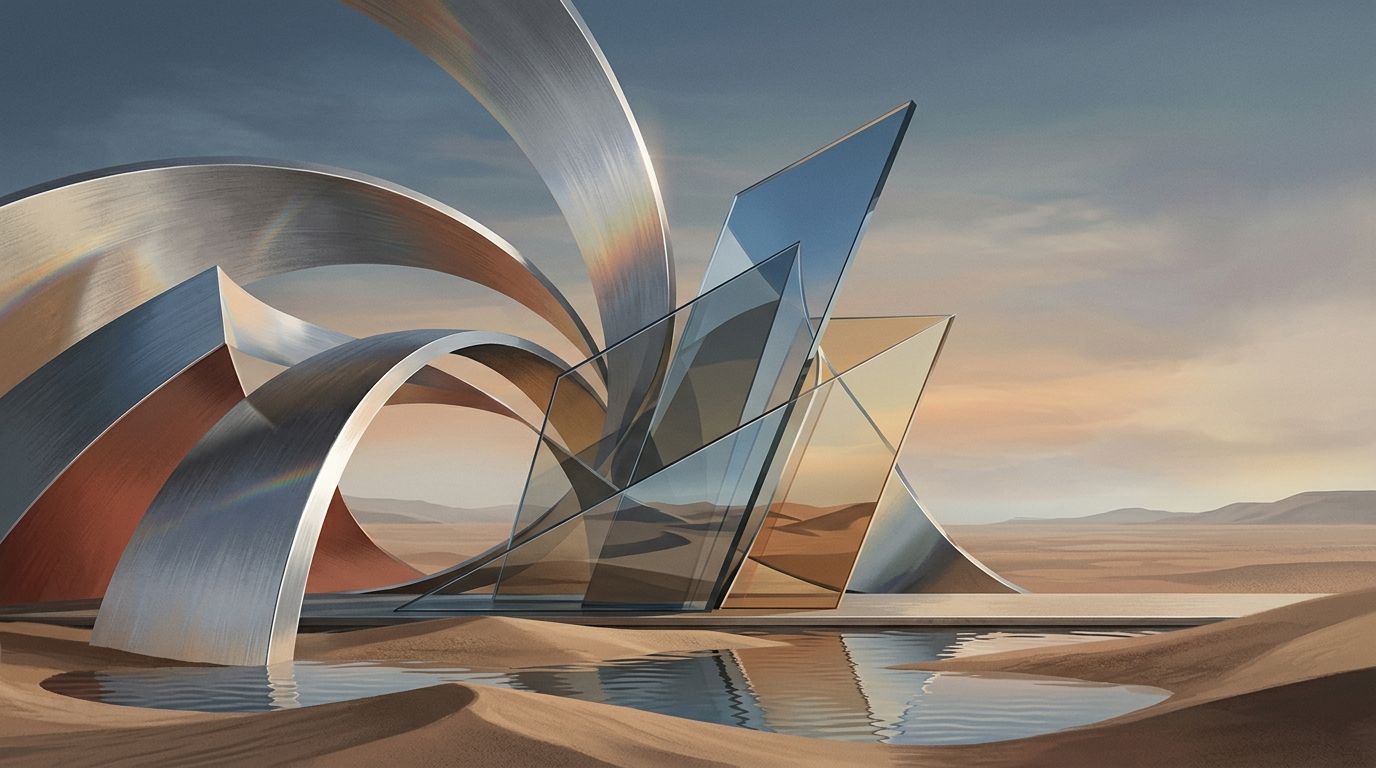
The Department of Culture and Tourism-Abu Dhabi has confirmed that the Guggenheim Abu Dhabi will finally welcome visitors on 11 December. Originally conceptualised in 2006, the institution arrives after two decades of development and stands as the most expansive branch within the global Guggenheim network. It joins established venues in New York, Bilbao, and Venice, yet distinguishes itself through a deliberate regional emphasis. Situated on a prominent promontory within Saadiyat Island's cultural district, the building sits just a short stroll from the Louvre Abu Dhabi, which debuted in 2017. The island's broader cultural ecosystem also features the Zayed National Museum and the Natural History Museum Abu Dhabi, creating a dense cluster of international institutions. The architectural vision belongs to the late Frank Gehry, whose signature fluid forms are expected to define the site's exterior and interior circulation. While the total expenditure remains unconfirmed, the scale is undeniably ambitious.
Architectural Ambition and Regional Focus
Spanning thirty dedicated spaces, the museum encompasses 11,600 square metres of climate-controlled interior galleries alongside 23,000 square metres of open-air exhibition zones. This generous footprint allows curators to explore modern and contemporary practices from the 1960s onwards, with particular attention directed toward West Asia, North Africa, and South Asia. Rather than adhering to a strict chronological narrative, visitors will encounter thematic routes that examine abstraction, popular culture, landscape, linguistic expression, and narrative traditions. The institutional statement emphasises that audiences may navigate these spaces according to their own interests, fostering a more fluid encounter with artistic production. This structural generosity also permits large-scale installations and site-specific commissions that might otherwise struggle in tighter urban environments. By prioritising thematic over chronological organisation, the museum aims to encourage comparative viewing across different artistic movements and geographic origins. Stephanie Rosenthal, who leads the project, has consistently framed the initiative as an attempt to establish a forward-looking institution for the current century. In recent professional communications, she highlighted the collaborative nature of the team, noting how diverse backgrounds and disciplines have shaped the museum's development through periods of significant logistical and cultural negotiation. Her remarks underscore a commitment to institutional agility and cross-cultural dialogue.
Navigating a Complex Cultural Landscape
The December inauguration arrives at a moment of considerable regional tension. Geopolitical instability across the Middle East, particularly following recent military engagements involving Iran and its allies, has already disrupted the local art calendar. Art Dubai was rescheduled earlier this year in response to security concerns, while Frieze Abu Dhabi remains on course for a November 2026 debut. Within this context, the Guggenheim's arrival carries both symbolic weight and practical challenges. The institution will need to maintain operational resilience while fostering sustained engagement with artists and audiences across the Gulf and beyond. The broader art market in the region has witnessed rapid institutional growth, yet consistent programming and audience development remain ongoing priorities. This opening will inevitably draw comparisons with neighbouring cultural ventures, testing whether the Guggenheim can carve a distinct identity while contributing to a cohesive regional dialogue. As Abu Dhabi continues to position itself as a global cultural hub, the Guggenheim's opening will serve as a critical test of how international museum models adapt to local contexts. Whether the venue succeeds in bridging historical narratives with contemporary practices, and whether it can sustain momentum amid shifting regional dynamics, will likely define its legacy in the years ahead. The project also raises questions about the long-term sustainability of mega-institutions in rapidly developing cultural districts, particularly when funding structures remain opaque and programming must navigate complex geopolitical realities.

Related reading
Filmed, but Not Recorded: The Arab World’s Missing Film Locations
Wikidata knows Gladiator was filmed in Morocco. It doesn’t know where.
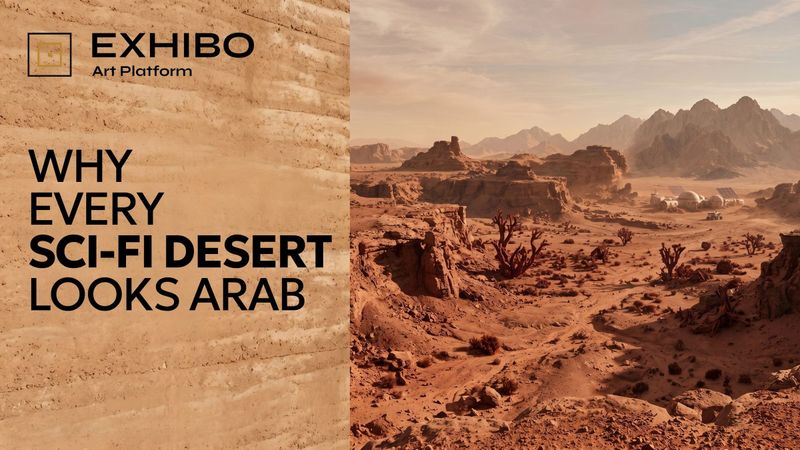
Why Every Sci-Fi Desert Looks Arab
From Arrakis to Tatooine, when a film wants a desert to feel ancient, prophetic and alien, it reaches for an Arab and Berber vocabulary — and reveals more about the West that built it than the region it borrows from.
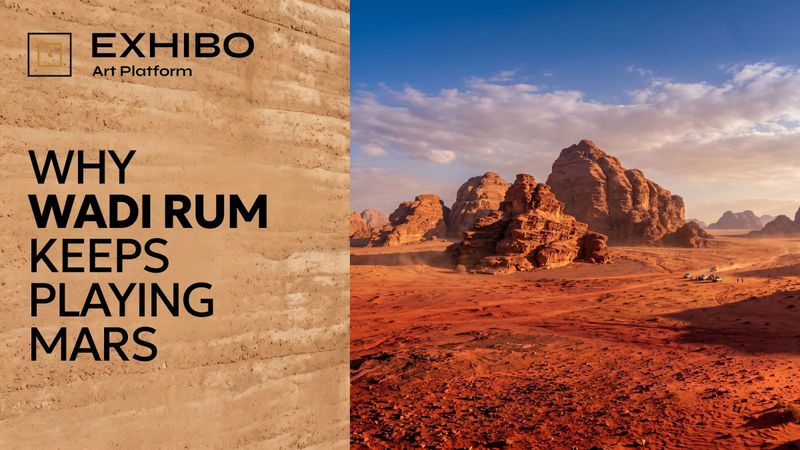
Why Wadi Rum Keeps Playing Mars: A Desert That Is Right About the Wrong Planet
A valley in southern Jordan has become cinema's favourite Mars — not because it is like the planet, but because it looks like the one we carry in our heads.