Abu Dhabi

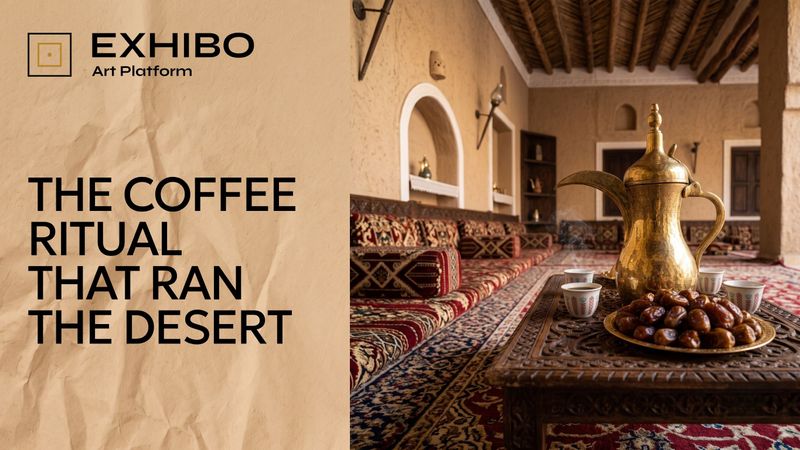
A host pours Arabic coffee from a dallah into a small handle-less finjan cup in a majlis
Editorial

The Coffee Ritual That Ran the Desert

A cup of coffee in the desert was a contract, a test, a truce, and a promise of protection — a whole social order in the tilt of a small white cup.

Among the Bedouin of Arabia, serving coffee was never just hospitality — it was a code. The order of the cups, the amount poured, the shake of the wrist that says enough: a whole unwritten language for turning a dangerous stranger into a guest, and sometimes an ally. The story of Arabic coffee as the social law of the desert — and how it lives on in the region's museums and art.

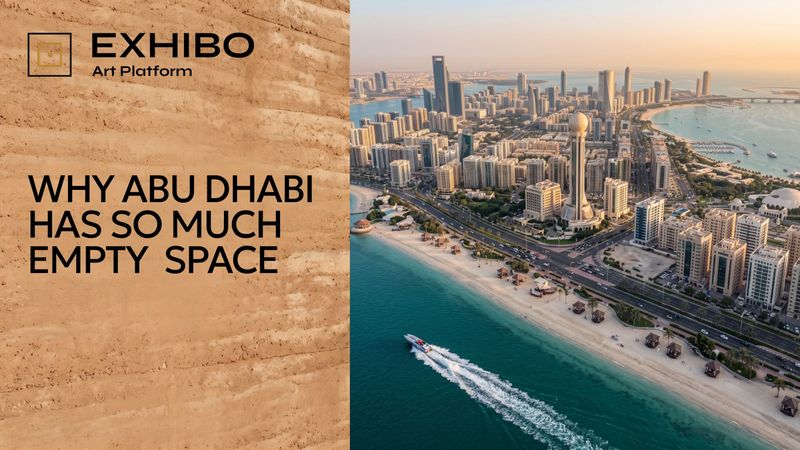
Aerial view of central Abu Dhabi showing its wide arterial roads and rectangular superblocks, towers lining the perimeters with lower buildings
Editorial

Why Abu Dhabi Has So Much Empty Space

The wide roads and open blocks of the capital look like the luxury of a place with land to spare. They are closer to the opposite — a set of deliberate decisions about planning, land and time, made on an island that was never as limitless as it feels.

The easy explanation is desert plus oil money: room to spread and the means to spread into it. But space is not what a city has — it is what a city decides to do with what it has. Abu Dhabi's emptiness turns out to be almost entirely decided: a modernist grid, a founder who wanted straight roads so the capital could be reached quickly, a land system with no yearly tax and no deadline, a vast greening programme. The room was the plan.

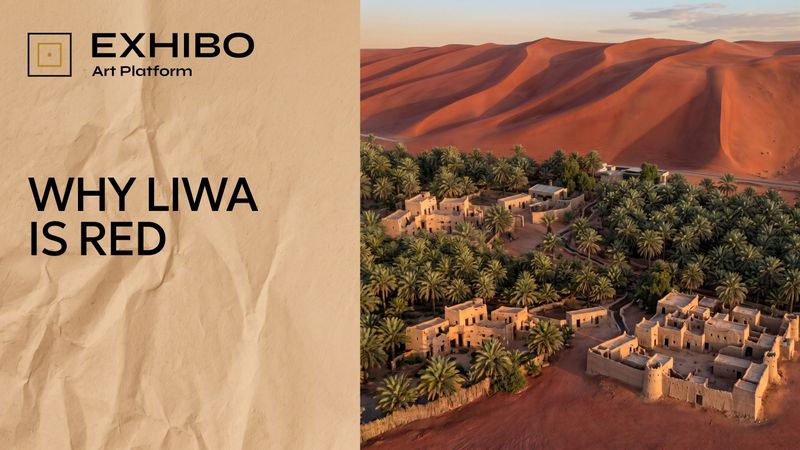
The deep rust-red mega-dunes of the Liwa crescent in the Empty Quarter, rising in smooth ridges under clear sky, with a thin line of green date palms at their base
Editorial

Why Liwa Is Red

The red of the world's tallest dunes isn't a fact about the sand — it's a record of everywhere the sand has been. A drowned sea, an ice-age wind and a buried green Arabia, all pressed into a single colour.

Everyone knows why Liwa is red: iron in the sand. It's true the way "the Gulf is white to reflect heat" is true — the first sentence of a much longer story. The red is a microscopically thin coat of rust on grains of clear quartz, and where those grains came from is almost impossible to picture from the dunes: the floor of a sea that no longer exists, lifted grain by grain and stacked three hundred metres high.

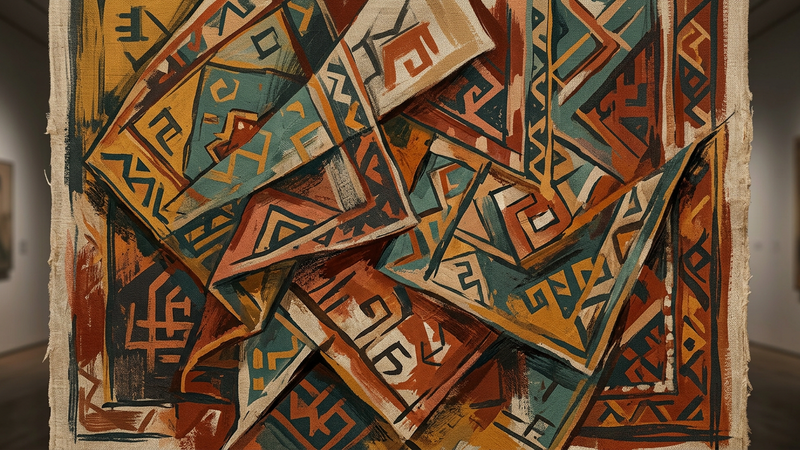
Handwoven Sadu textile with traditional Bedouin geometric patterns in red, black and brown
Editorial

Sadu Weaving: The Geometry of Bedouin Textiles

The geometry the Bedouin wove, and the women who carried it in memory because nothing was written down.

On a loom you stake into the sand, Bedouin women wove the interior world of the Gulf — tents, dividers, camel trappings — and threaded through the wool a geometry that carried tribe, family and meaning. A story of Sadu: the patterns and their names, the women who transmitted them without a single written word, and the quiet work of keeping the craft alive.

A vast circle of fire burning on a dark plain at night — the outline of a city with four radial roads, drawn in flame.
Editorial

The City With No Ruins: What Is Left of Abbasid Baghdad

A caliph drew his capital in fire, the Mongols erased it, and a video game rebuilt it out of Isfahan and Samarkand. What actually survives of Abbasid Baghdad, where it is, and who else has tried to put it back.

Climb a viewpoint in Assassin's Creed Mirage and you see the Round City whole — double walls, four gates, the green dome at the centre. Nobody has ever seen that view. No excavated remains have been securely identified as any of it. This is what is actually left of ninth-century Baghdad, where you would have to go to stand in it, and why Ubisoft was the second team to rebuild a city that no longer exists.

A strand of natural Gulf pearls, the luxury export that built the Arabian Gulf before oil
Editorial

The Sea That Came Before the Oil: The History of the Pearl

Eight thousand years before the first barrel, the Gulf had already built a global economy — out of an oyster, a held breath, and a rope.

Before oil, the Arabian Gulf ran on the pearl: a global luxury trade that raised its cities from the sand, drew fortunes and real suffering in equal measure, and then vanished almost overnight. The story of the industry that made the modern Gulf — and the quiet way it is coming back.

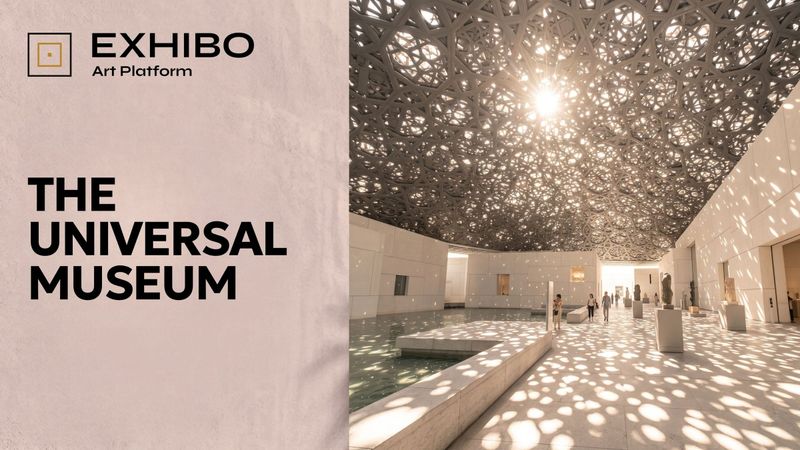
Renoir's Double Portrait of Berthe Morisot Joins the Permanent Galleries at Louvre Abu Dhabi

Renoir's Double Portrait of Berthe Morisot Joins the Permanent Galleries at Louvre Abu Dhabi

The 1894 painting, the latest addition to the Abu Dhabi Masterpieces Collection, will be on view for a year alongside Monet, Japanese prints and photography that trace Impressionism's cross-cultural roots.

Pierre-Auguste Renoir's 1894 double portrait of Berthe Morisot and her daughter, Julie Manet, is now on display in the permanent galleries of Louvre Abu Dhabi for one year — the latest addition to the Abu Dhabi Masterpieces Collection, placed in dialogue with Monet, Japanese prints and period photography.

Why Gulf Cities Are So White: Beyond the Physics - Gulf cities look white
Editorial

Why Gulf Cities Are So White

The dazzling white of Gulf cities looks like simple physics — sunlight, reflected. The real story runs through coral, lime, faith, oil and the way traditions acquire their reasons after the fact.

Everyone knows why Gulf cities are white: white reflects the sun. It isn't wrong — it's just one strand of a much thicker rope. Follow it back through coral walls and lime skins, a sustainability code that never mentions colour, and a desert that was never really dark and the tidy explanation starts to look like something we tell ourselves afterward.