
Dubai · United Arab Emirates
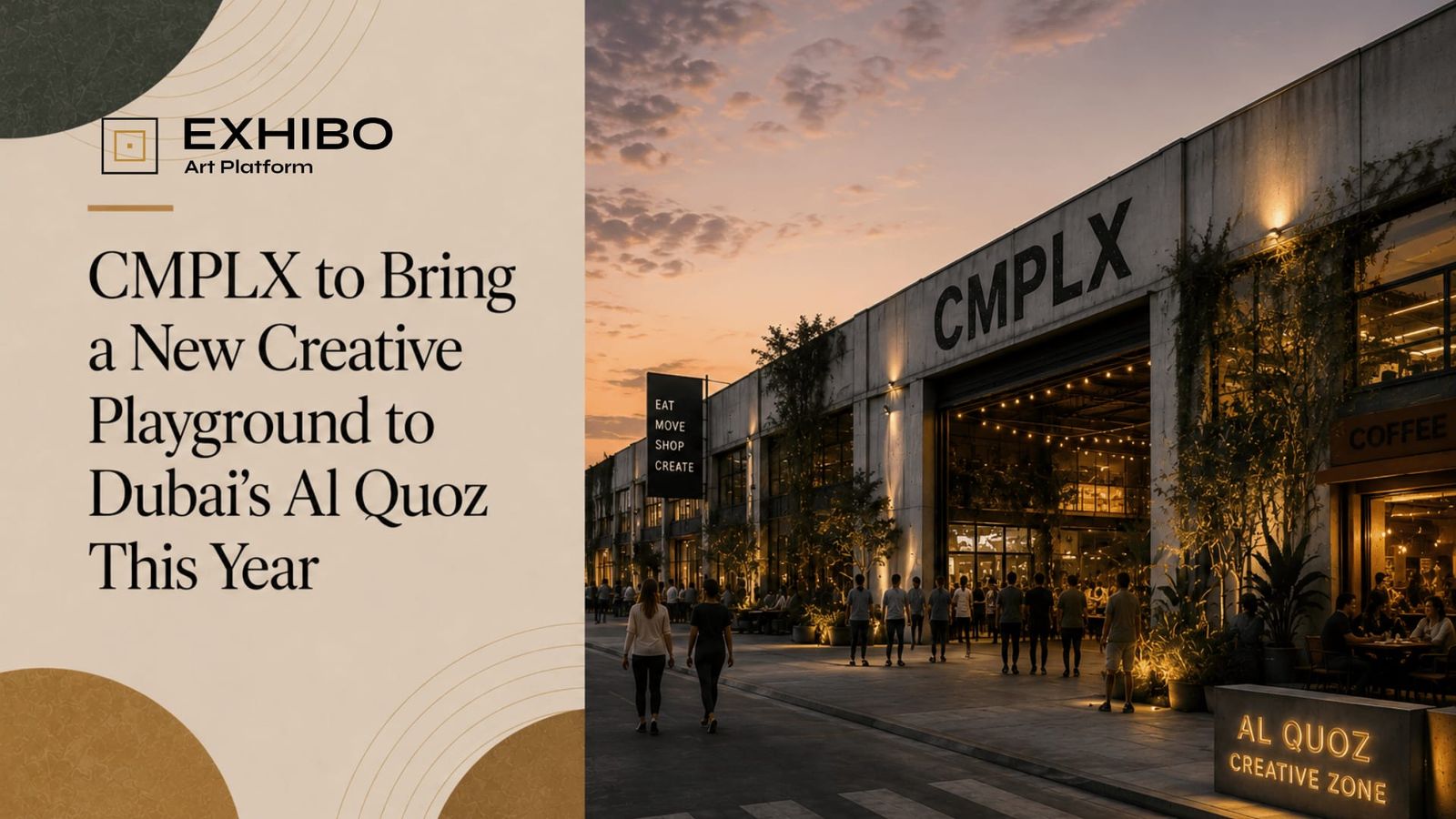
CMPLX to Bring a New Creative Playground to Dubai's Al Quoz This Year
A seven-warehouse lifestyle hub combining food, wellness, retail and creative studios is set to open in Al Quoz Creative Zone by the end of 2026, adding a new anchor to the neighbourhood built around Alserkal Avenue.
A new destination called CMPLX is expected to open in Dubai's Al Quoz by the end of 2026, introducing a warehouse-style lifestyle hub to one of the city's most active creative districts. Billed by its developers as a "creative playground, built beyond convention," the project positions itself as a natural extension of Al Quoz's ongoing transformation from industrial backwater to cultural destination — a shift anchored for close to two decades by Alserkal Avenue.
The development will comprise seven converted warehouse spaces given over to food and beverage concepts, a coffee roastery, wellness experiences, retail outlets and creative studios — a mix designed, according to its own framing, for visitors who might start the day with coffee, stay for lunch, browse independent boutiques, catch a pop-up event and finish with a wellness session, all without leaving the site.
PRACTICAL INFORMATION
Project | CMPLX |
Location | Al Quoz Creative Zone, Dubai |
Format | 7 converted warehouse spaces |
Offering | F&B, coffee roastery, wellness, retail, creative studios |
Confirmed tenant | Hikiniku to Come (opening September 2026) |
Expected opening | End of 2026 |
A Confirmed Tenant Signals the Culinary Direction
Among the concepts already confirmed for CMPLX is Hikiniku to Come, a Japanese wagyu hamburger steak restaurant opening in Dubai this September. The Tokyo-founded concept has built a specific culinary identity around minced wagyu: charcoal-grilled hamburger-style patties served with unlimited rice, prepared in traditional hagama clay pots — a format distinct from the steakhouse and fine-dining wagyu experiences that have proliferated across Dubai in recent years. Its inclusion suggests CMPLX is positioning its food offering toward specialist, single-concept dining rather than a generic food hall model.
Further tenants and creative concepts are expected to be announced as the opening date approaches.
Part of a Wider Al Quoz Transformation
CMPLX arrives at a moment when Al Quoz's evolution into a designated creative district is accelerating on multiple fronts. The neighbourhood now operates under a formal Creative Zone framework, backed by Dubai's Department of Economy and Tourism and Dubai Culture, offering streamlined licensing and regulatory incentives for arts, culture, design and media businesses looking to establish a base there.
That institutional push has been paired with physical infrastructure changes: Dubai recently completed a series of mobility projects across Al Quoz Creative Zone aimed at improving pedestrian and cycling access, alongside preparations for the area's "Super Blocks" initiative, which allows selected streets to be temporarily closed to traffic and converted into pedestrian zones during cultural events — a framework already used for Alserkal Avenue's long-running Quoz Arts Fest.
Building on Alserkal Avenue's Foundation
Alserkal Avenue, founded in 2008 by Abdelmonem Bin Eisa Alserkal, remains the district's cultural anchor: a cluster of galleries, studios, an independent cinema and public programming spread across converted industrial warehouses on 17th Street. Its annual Quoz Arts Fest, now in its 14th edition, regularly draws more than 35,000 visitors over a single weekend, and the district as a whole has become the default address for Dubai's contemporary art scene.
With Alserkal Avenue already established as the neighbourhood's cultural cornerstone, CMPLX is positioned to complement rather than compete with it — extending the amount of time visitors spend in Al Quoz by adding a dedicated lifestyle and hospitality layer alongside the galleries, without duplicating their programming. For a district built almost entirely around adaptive reuse of industrial space, CMPLX's own warehouse-conversion format fits squarely within the area's established architectural language.
Further details on CMPLX's full roster of tenants, design and exact opening date are expected in the coming months.
Related reading
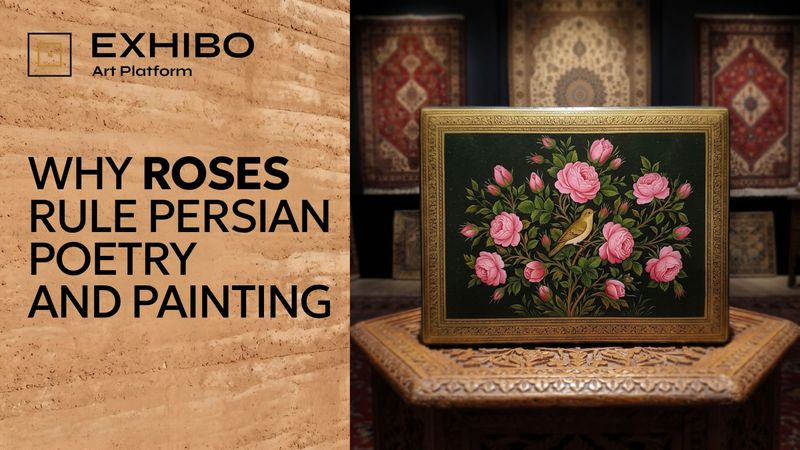
The Flower That Was Never Only Beautiful
The rose rules Persian poetry and painting — but under the sweetness sits a thorn, a bleeding bird, and a national emblem quietly assembled out of Chinese, European and Persian parts. A history of gol o bolbol, from a medieval still to a Dubai gallery.
Gol o bolbol — the rose and the nightingale — is among the most beautiful images in a thousand years of Persian art, and in modern Persian it also means sweet, empty talk. Under the tile, the picture is darker: a bird singing in blood for a flower that will not answer and will not last.
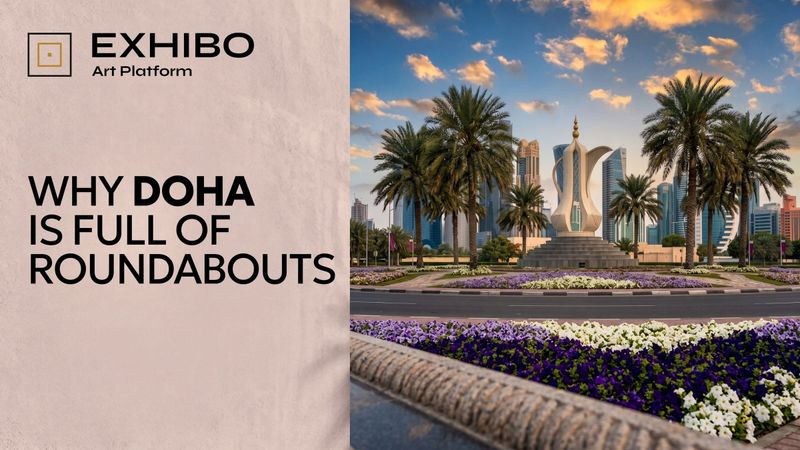
Why Doha Is Full of Roundabouts
An old circle at a crossroads, sharpened by British road engineering, became the way an Arabian city found its way and remembered itself — and it took the bulldozers to reveal it.
In a city where a landmark was more useful than an address, Doha's roundabouts became its navigation, its landscaping and its national image all at once. Now they're being torn out for signalled junctions — and the affection for them arrived, as one scholar put it, only posthumously.
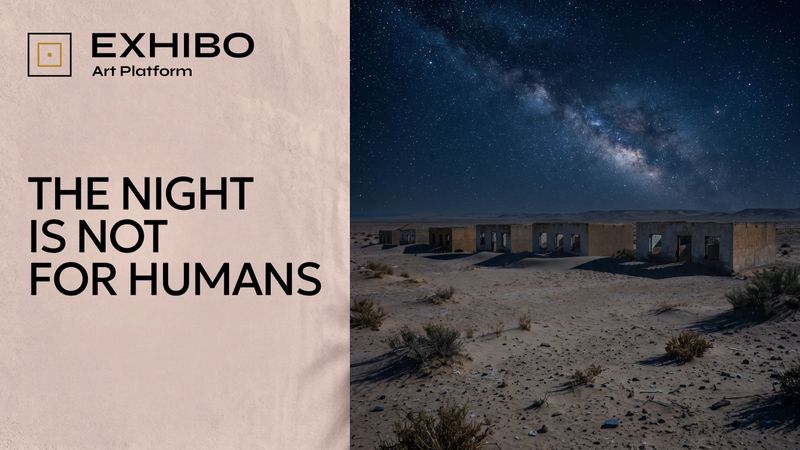
The Night Is Not for Humans: Umm Al Duwais and the Women of Emirati Folklore
A village half-buried in sand an hour from Dubai, a name that means "she of the little sickle," and what Emirati sources actually say.
The houses at Al Madam went up around 1980 and stood empty by the mid-1990s. People will tell you she lives there — not in the old stories, though. That attachment is recent, and it is the interesting part.