The sanctuary of Tanit and Baal Hammon
The Tophet of Salammbo is an open-air sanctuary near the old Punic harbours of Carthage. It was sacred to the city's chief gods, Baal Hammon and the goddess Tanit. It was in use for some six centuries, from the 8th century BC until the Romans destroyed Carthage in 146 BC.
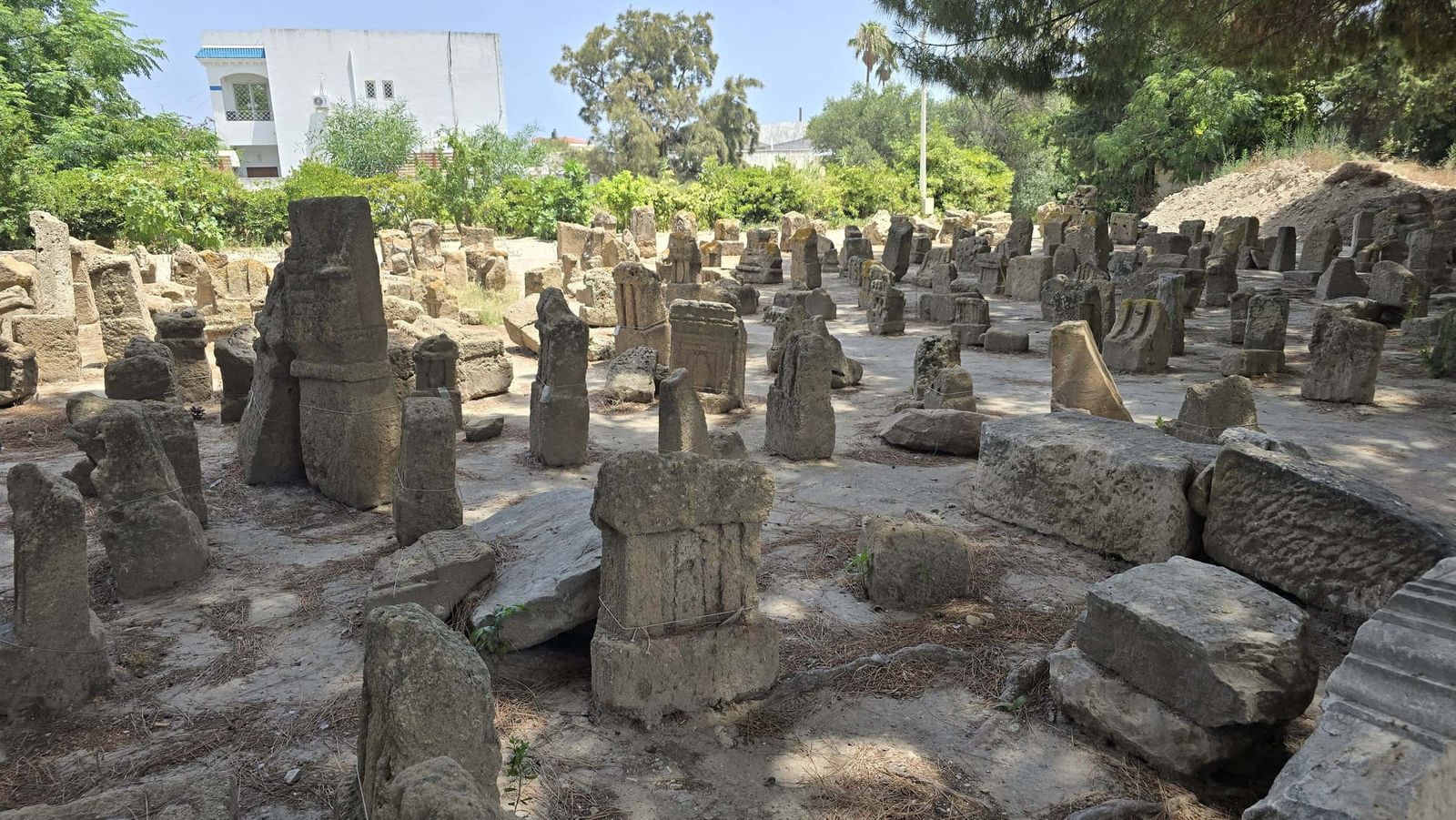
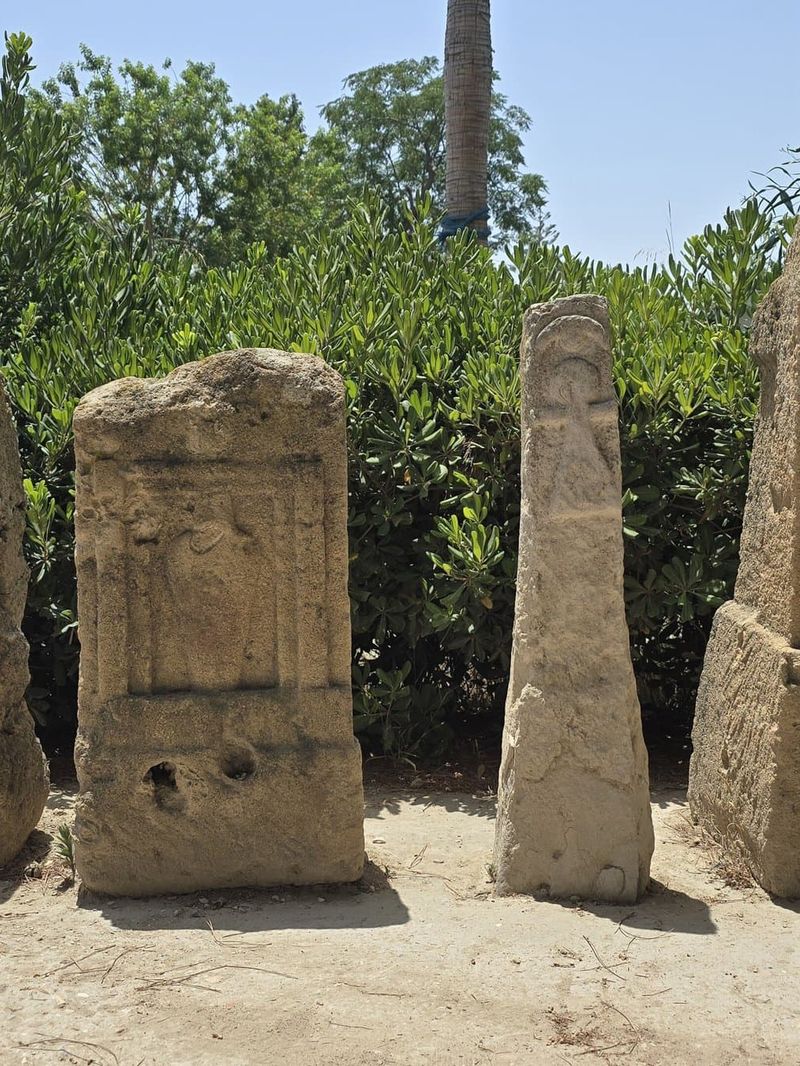
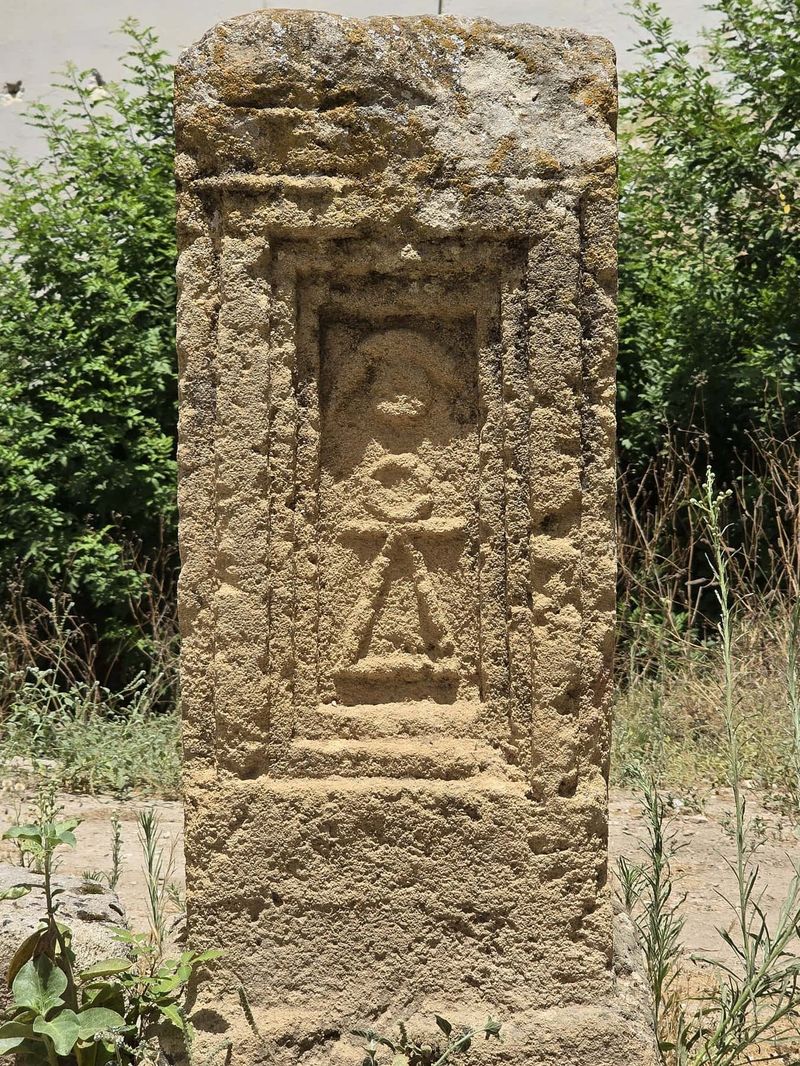
Here the Carthaginians buried urns holding the burnt bones of infants and very young children, sometimes with the remains of young animals. Over the urns they set up stone markers and later carved stelae. Many of the stelae bear the sign of Tanit, a triangle topped by a bar and a disc, or dedications in Punic to the two gods. Layer upon layer, the burials filled the ground over the centuries.
Discovery and debate
The urns came to light in the early 1920s and excavations followed for decades. Ancient Greek and Roman writers had accused Carthage of sacrificing children to its gods. The finds at the Tophet seemed to confirm them. The question is still open. Some scholars read the inscriptions and the remains as clear evidence of sacrifice. Others, after studying the bones of hundreds of children, argue that most died before or soon after birth from natural causes and that the Tophet was a special cemetery for them. The only written accounts of child sacrifice come from Carthage's enemies.
The site today
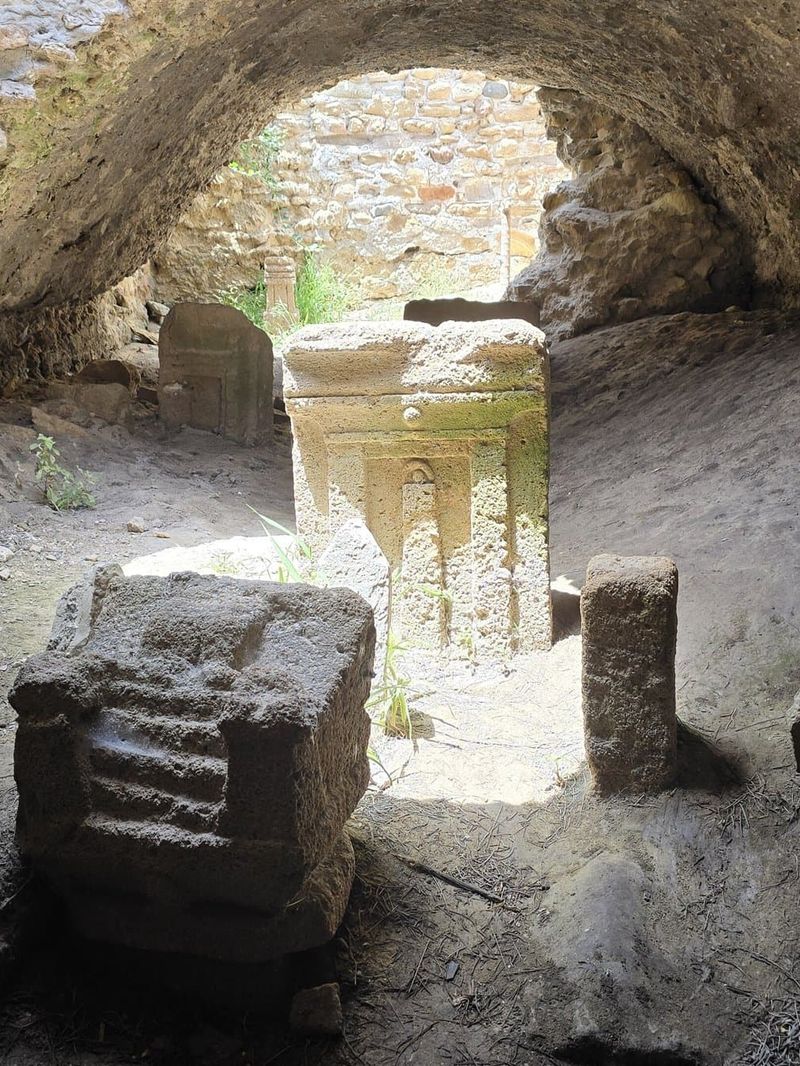
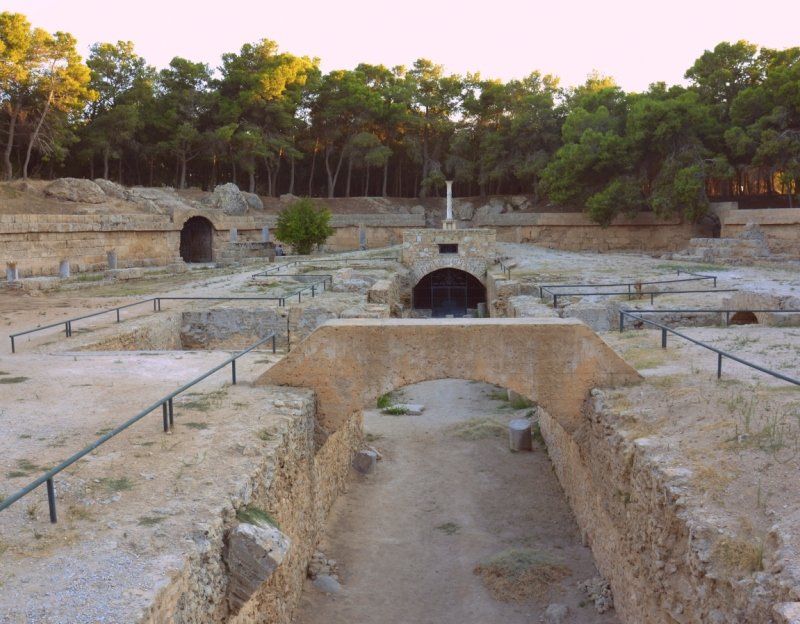
Today the Tophet is a small, shaded enclosure among the villas of Salammbo. Stelae of many shapes stand in rows among the palms. Under later Roman vaults lies a dark chamber still full of stones. Many stelae and urns from the site are in the Carthage National Museum on Byrsa Hill and the Bardo National Museum.
The Punic Ports lie a few minutes' walk to the east. The Tophet is one of the monuments of the UNESCO-listed Archaeological Site of Carthage.
Exhibo editorial
Nothing about the Tophet is loud. It is a garden of small grey stones, birdsong and dappled shade, a few streets from the sea. Yet it holds one of the hardest questions in ancient history.
Stand among the stelae with that question in mind. Each stone was cut and set up by someone. Whatever happened here, it was done with great care.
Gallery
How to find it
The Tophet is in Salammbo, the southern part of Carthage, about 15 km north-east of central Tunis. Take the TGM light railway from Tunis Marine to Carthage Salammbo station; the site is a few minutes' walk towards the Punic ports. It is one of the monuments covered by the Carthage site ticket, sold at the main sites such as Byrsa Hill.
Similar places
All places
News by Exhibo
Editorial coverage on Exhibo
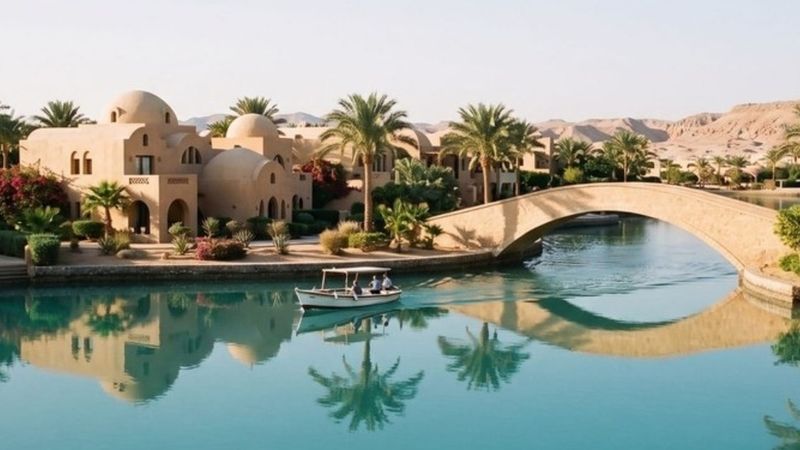
Why the Middle East Keeps Building Venice
From the Red Sea to the Gulf, canal towns keep getting called Venice. The water was usually about something else — and Venice was never quite Venice either.
The Middle East is full of “Venices”. Most began as a way to manufacture shoreline; the name usually arrived later, in English, from the people selling it.
Elie Khouri's New Foundation Takes Shape in Dubai
A private villa in Jumeirah 1 becomes the home for Ekaf
Collector Elie Khouri transforms a historic Jumeirah 1 residence into a contemporary art venue opening in 2028.
Following Damascus... Osthaus and the Islamicate Collection
Museum Folkwang revisits the founder's early travels and the formation of its historic Islamic Department
A survey of Karl Ernst Osthaus's collecting habits, featuring loans from Berlin and Dresden alongside European modernist responses.