A Hafsid summer palace
The Abdellia Palace is one of the oldest buildings of La Marsa. It was built in the early 16th century by one of the last sultans of the Hafsid dynasty, which ruled Tunisia from the 13th century until the Ottoman conquest. The sultan, Abu Abdallah Muhammad, chose the old harbour site of La Marsa for a summer residence by the sea. The palace was originally one of several pavilions set among gardens and orchards.
After the Hafsids, the palace passed to the Muradid and Husainid beys, who used La Marsa as their summer court. Each generation altered it. In the 19th century it served for a time as the summer residence of British consuls.
Architecture
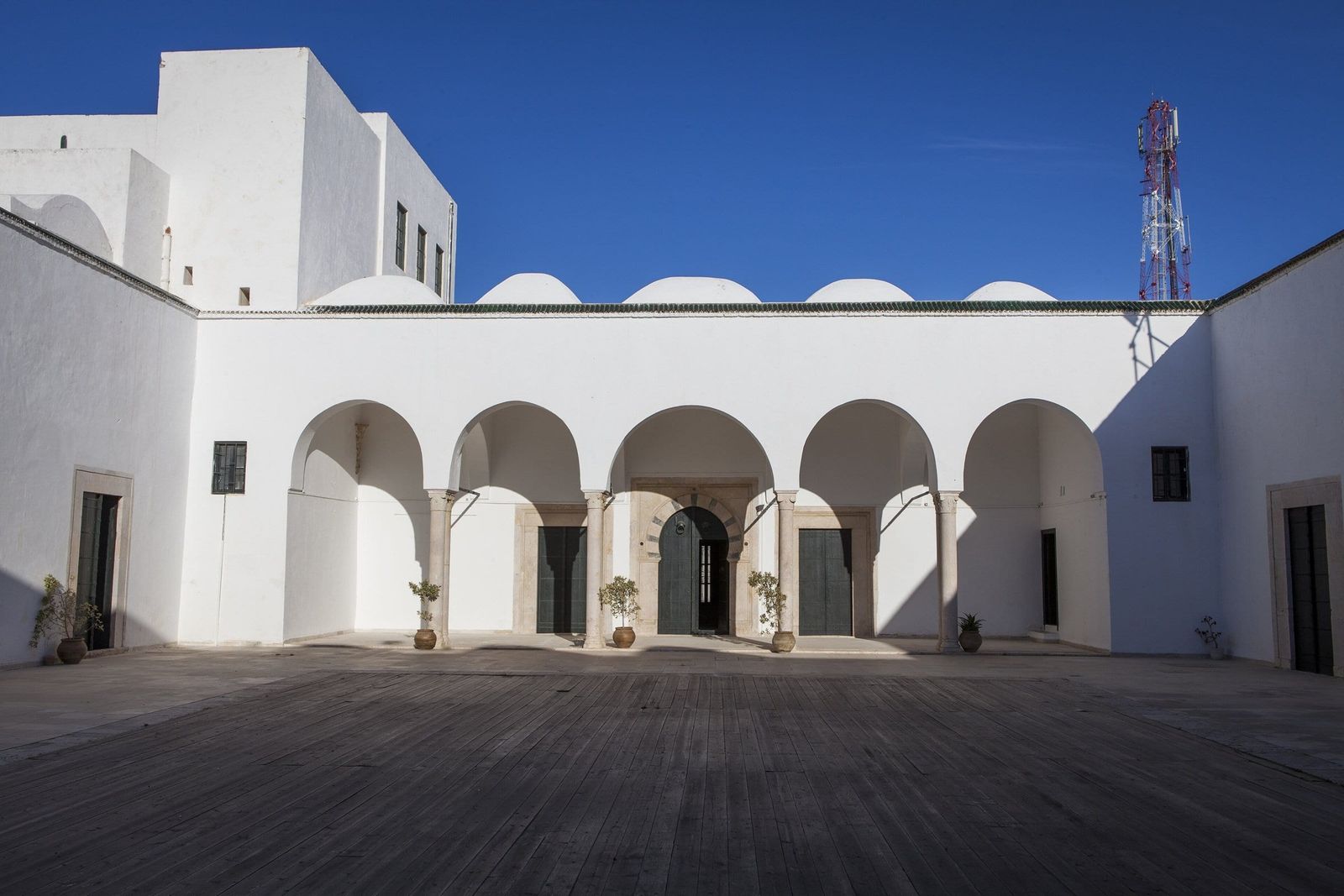
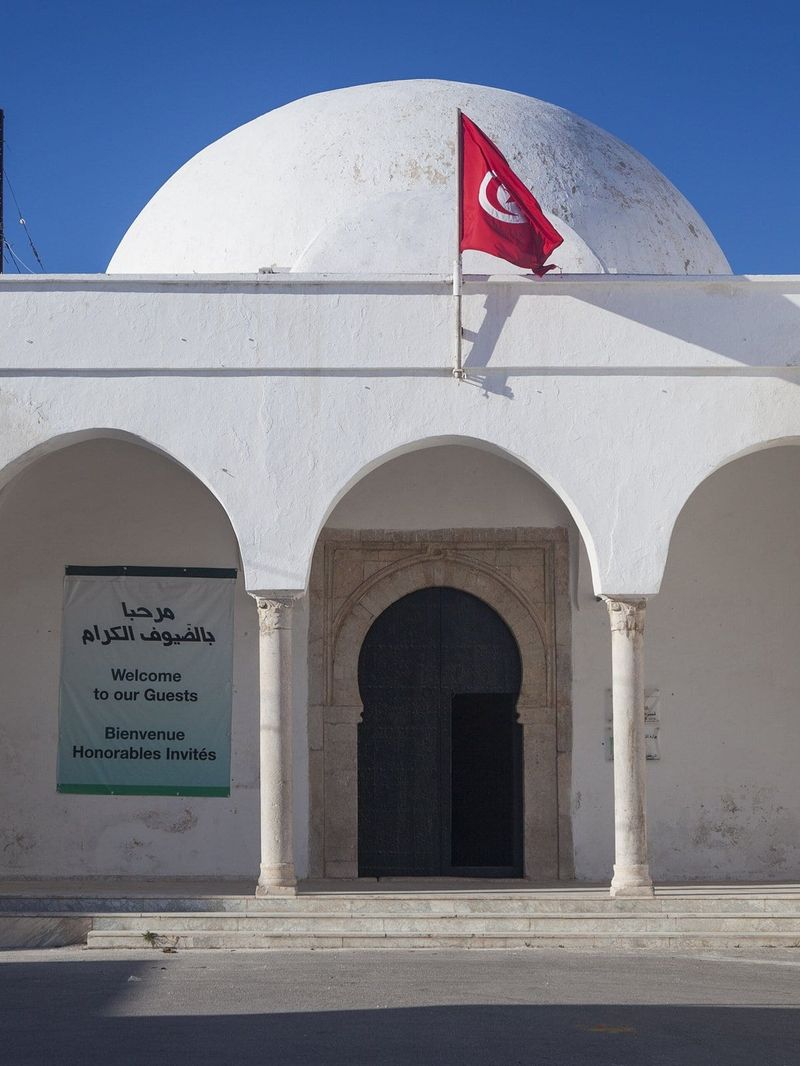
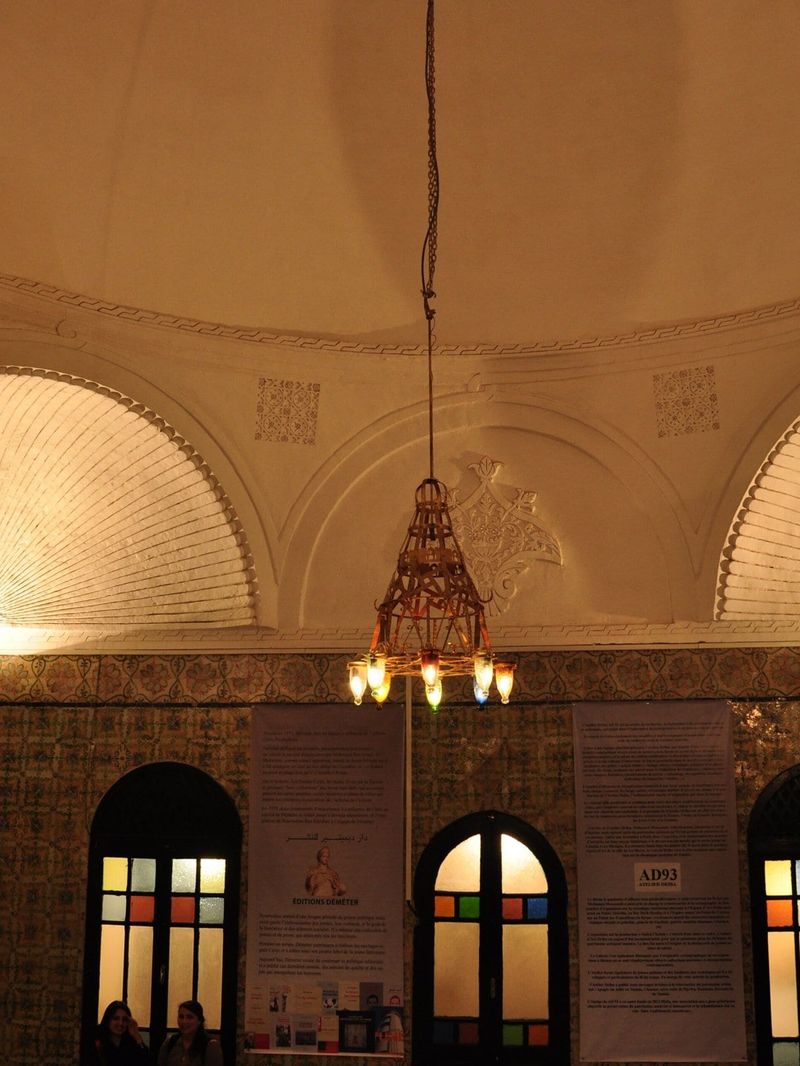
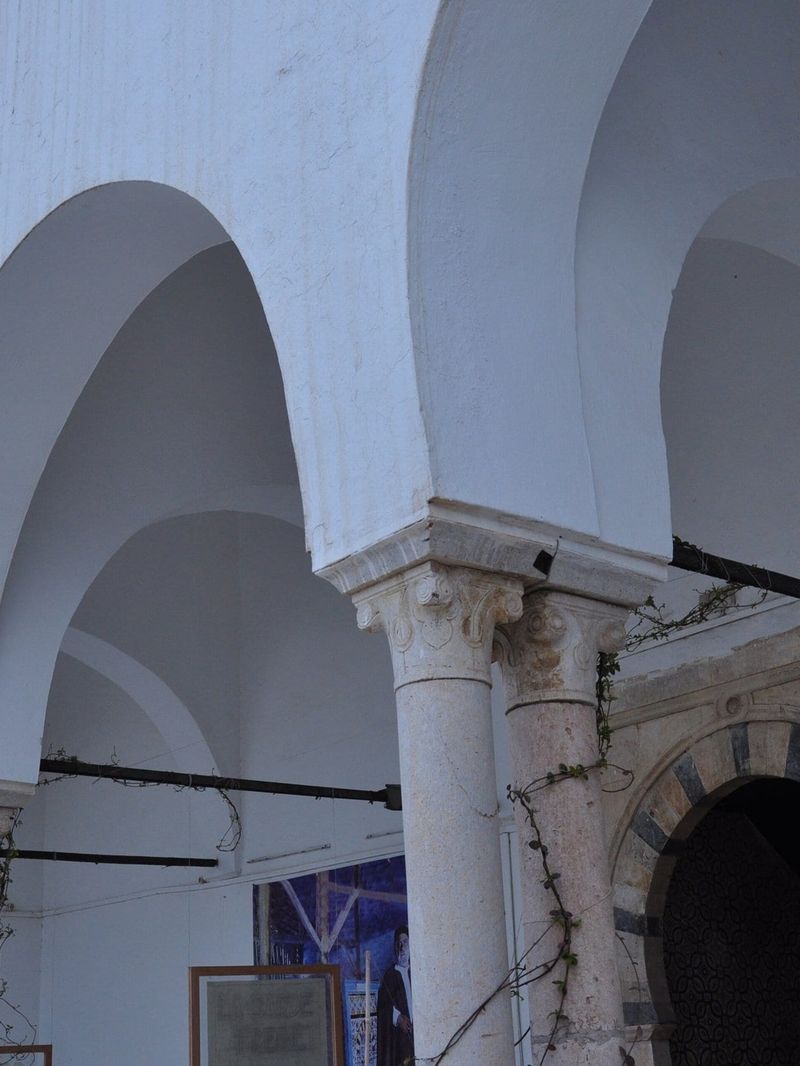
The palace is built around a large courtyard surrounded by white arcades on slender columns. Behind the arcades lie long halls, some roofed with vaults and domes, with tiled panels and carved stucco. From the street the building shows plain white walls and a dome, as many Tunisian palaces do. The richness is kept inside.
A cultural centre
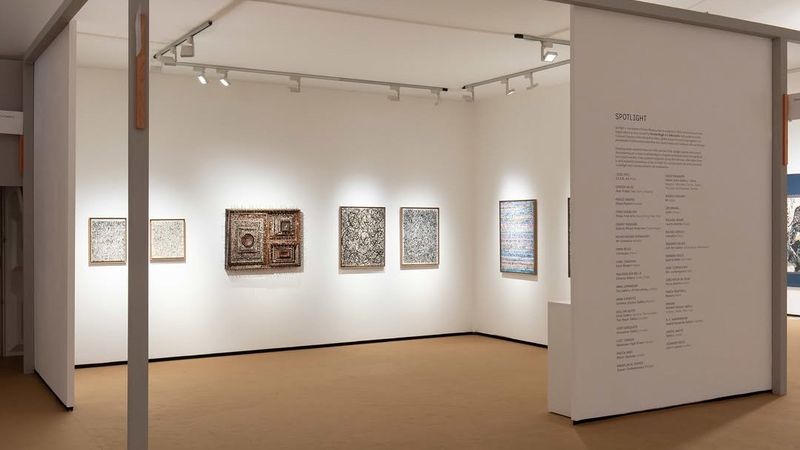
Today the palace is a cultural centre of La Marsa. It hosts art exhibitions, concerts and cultural evenings. In June 2012 it was the venue of Printemps des Arts, a contemporary art fair. Some of the works were attacked by Salafist protesters and riots followed in Tunis. The episode became one of the defining moments of the debate on artistic freedom in Tunisia after the revolution.
Exhibo editorial
White walls, white arches, a square of blue sky. The Abdellia is so simple that it is easy to miss how old it is. Sultans walked under these columns before the Ottomans arrived.
Today it belongs to the town. Painters hang their work in the halls, singers fill the courtyard on summer nights. Its recent history makes that feel less ordinary. In 2012 art in this building was slashed and the city burned for a night. That the exhibitions go on here is its own small argument.
Gallery
How to find it
The palace is in the centre of La Marsa, about 18 km north-east of central Tunis, a few minutes' walk from La Marsa station on the TGM line from Tunis Marine. It is open during exhibitions and events. The Ahmed Bey Palace and Dar El Kamila are nearby.
Similar places
All places
News by Exhibo
Editorial coverage on Exhibo
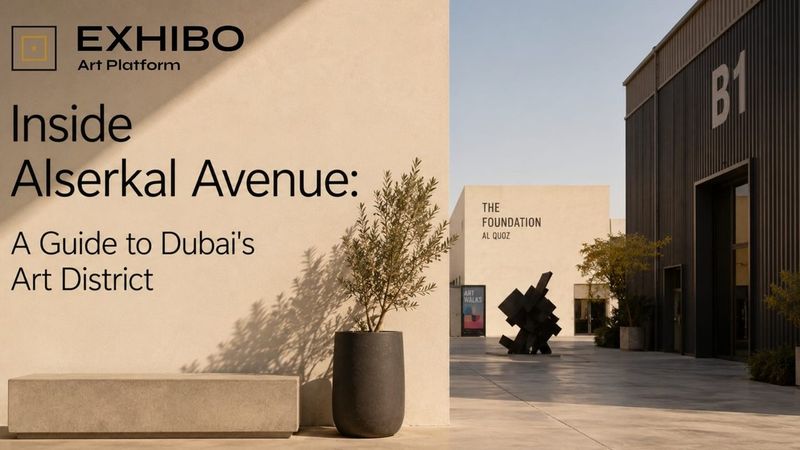
Inside Alserkal Avenue: A Guide to Dubai's Art District
How a row of Al Quoz warehouses became the most serious address in Gulf contemporary art — and how to navigate its galleries, foundations and programme.
Alserkal Avenue sits in Al Quoz Industrial Area 1 — a grid of concrete warehouses and marble workshops wedged between Sheikh Zayed Road and Al Khail Road — and it is, improbably, the most culturally credible square kilometre in the Gulf.
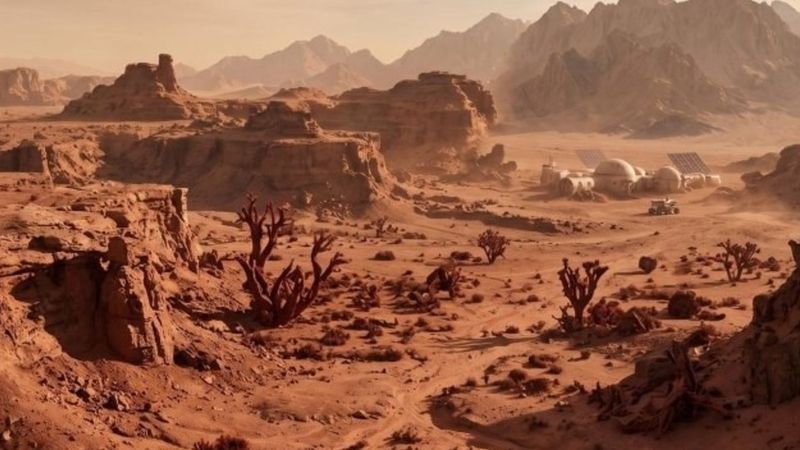
Why Every Sci-Fi Desert Looks Arab
From Arrakis to Tatooine, when a film wants a desert to feel ancient, prophetic and alien, it reaches for an Arab and Berber vocabulary — and reveals more about the West that built it than the region it borrows from.
The wrapped faces, the trilling women, the barely-displaced Arabic: cinema's alien deserts keep sounding Arab. But the vocabulary was assembled in the West — from Orientalist painting to Lawrence to Dune — and it says more about who is looking than about anyone being looked at.
The Real Aladdin: The Story That Belonged to No Country
Aladdin has no Arabic manuscript older than its French translation. Behind the gap stands a young man from Aleppo, catalogued for a century as anonymous.
The most famous "Arabian" tale in the world is missing from the oldest Arabic manuscript of the Thousand and One Nights — because before a French translator wrote it down in Paris, there was no manuscript of it to be missing from.