A summer house of the beylical age
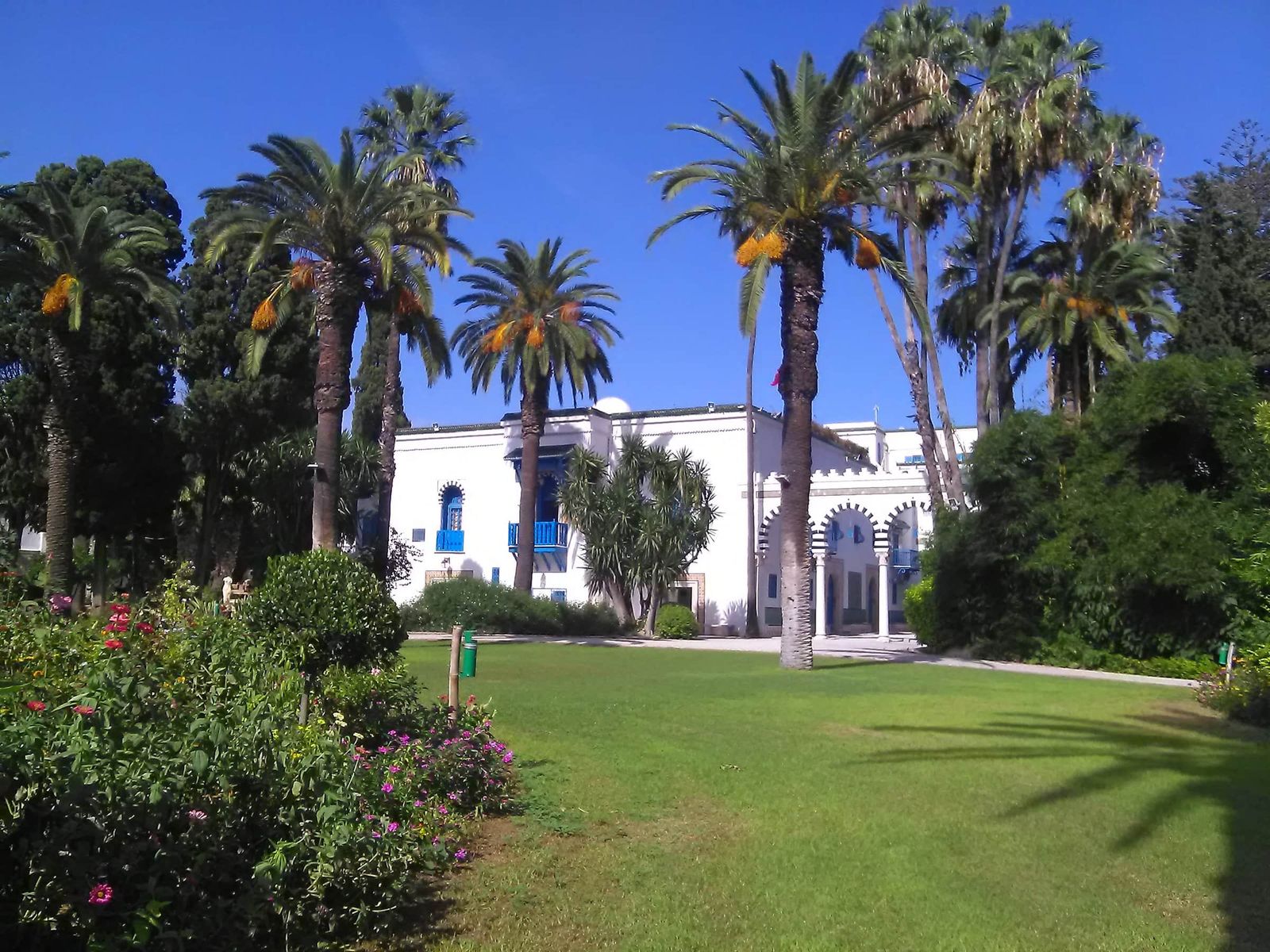
Dar El Kamila is a palace in La Marsa built around 1800 by a notable of Tunis as a summer house. In the early 19th century it was lived in by members of the ruling Husainid family. In the 1850s the bey placed it at the disposal of the French consul Léon Roches. He named it al-Kamila, the perfect one.
Since then the house has been the residence of the representatives of France in Tunisia: consuls, then the residents-general of the protectorate. Since independence it has housed the ambassadors. Each occupant enlarged or decorated it, turning a country house into a palace.
Architecture and gardens
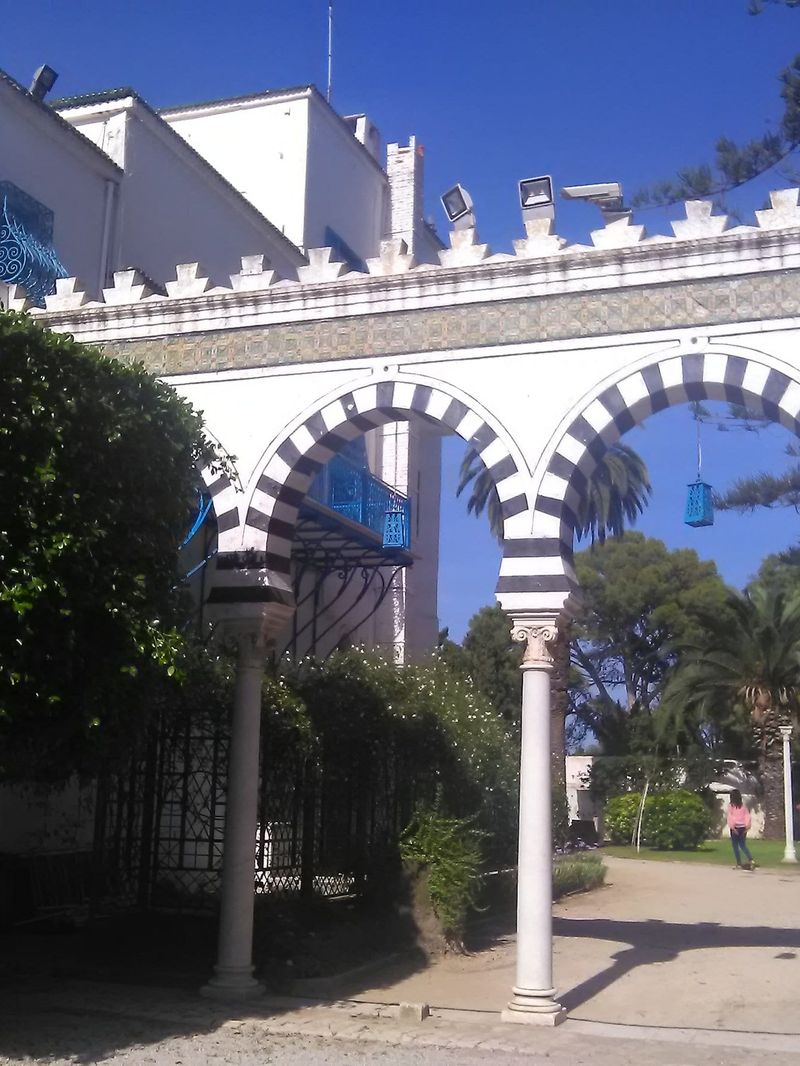
The house follows the plan of a borj, the traditional Tunisian country mansion: a vaulted lower floor for services, with the living rooms above around a large patio. Its style mixes Hispano-Maghrebi traditions with European decoration, much of it Italian. Arcades with striped arches, carved stucco, tiles and blue shutters frame the courtyards.
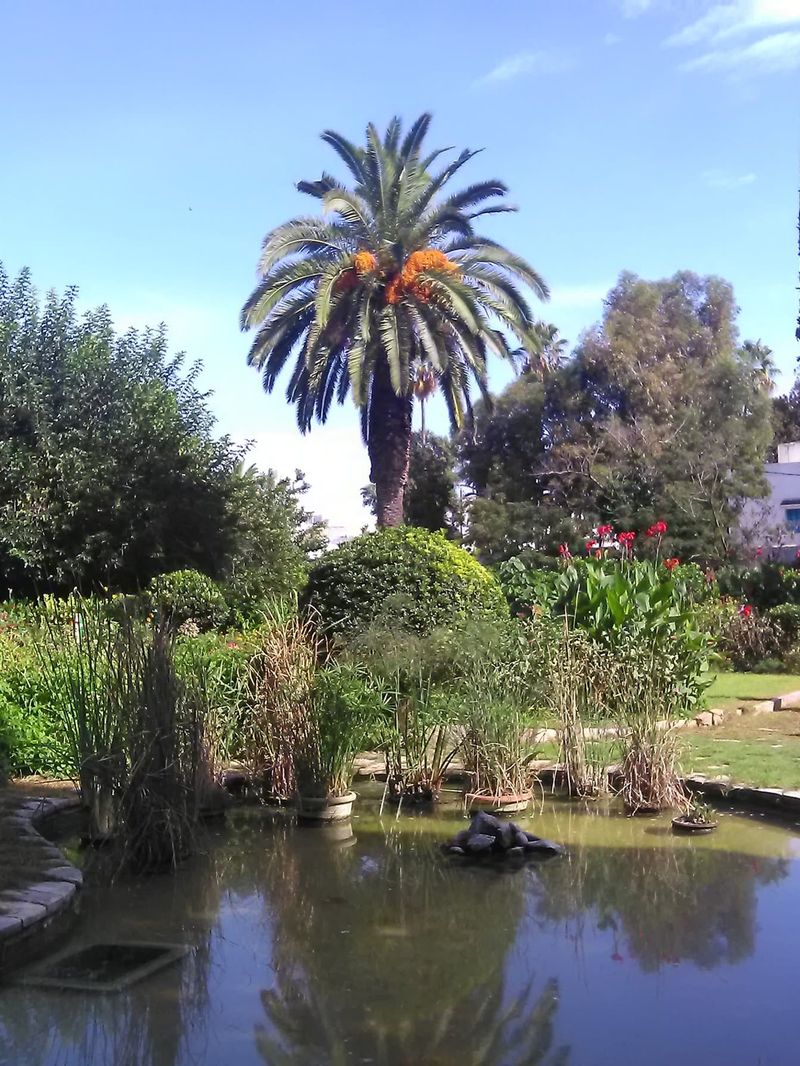
The palace stands in gardens of about three hectares, with lawns, palms, pools and old trees. Sculptures are placed along the paths.
Visiting
Dar El Kamila is an official residence and is normally closed to the public. It opens its doors for the European Heritage Days in September, as in 2025 and 2026, with guided tours of the house and gardens. It also hosts receptions, exhibitions and cultural events by invitation.
Exhibo editorial
Most of the year this is a wall with trees behind it. Then for a weekend in September the gate opens. The gardens are as much of a reason to come as the house.
It is worth timing a visit for it. Inside you see how a Tunisian summer house of the 1800s was meant to be lived in: cool vaults below, light and air above, water and shade outside. Diplomacy has filled it with chandeliers since. The bones are still local.
Gallery
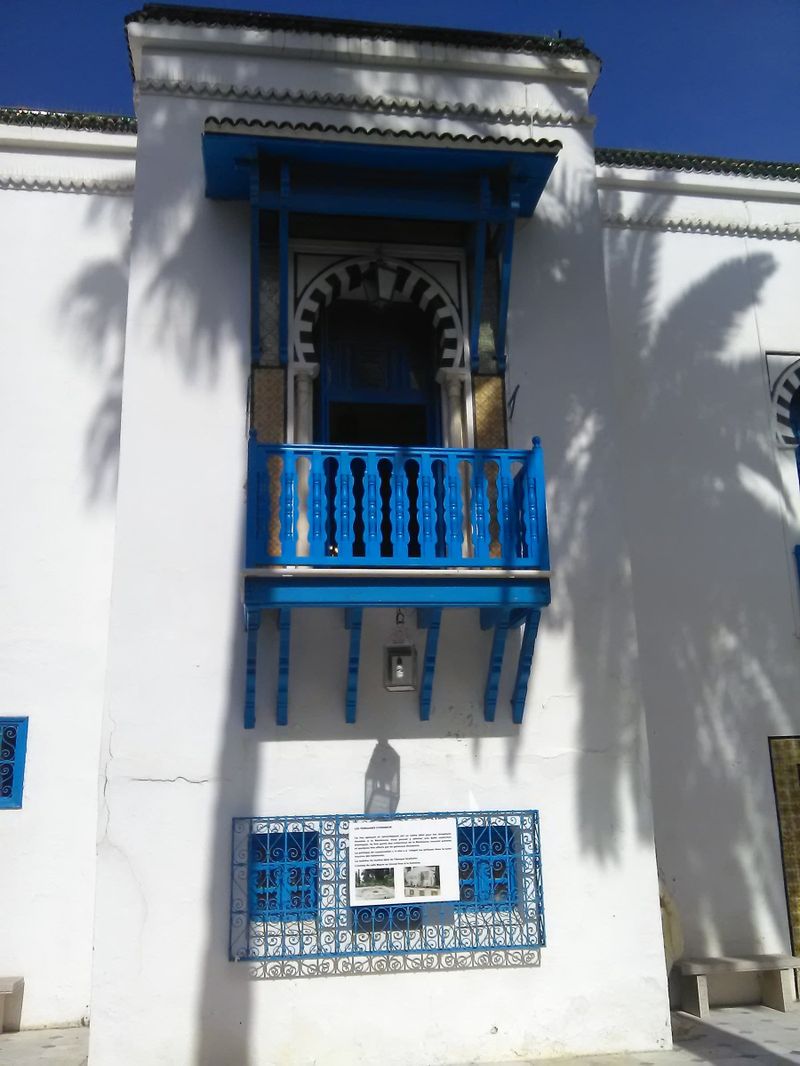
How to find it
Dar El Kamila is in the centre of La Marsa, about 18 km north-east of central Tunis, close to La Marsa station on the TGM line. It is open to the public only on announced days, usually the European Heritage Days in September. The Abdellia Palace and the Ahmed Bey Palace are a short walk away.
Similar places
All places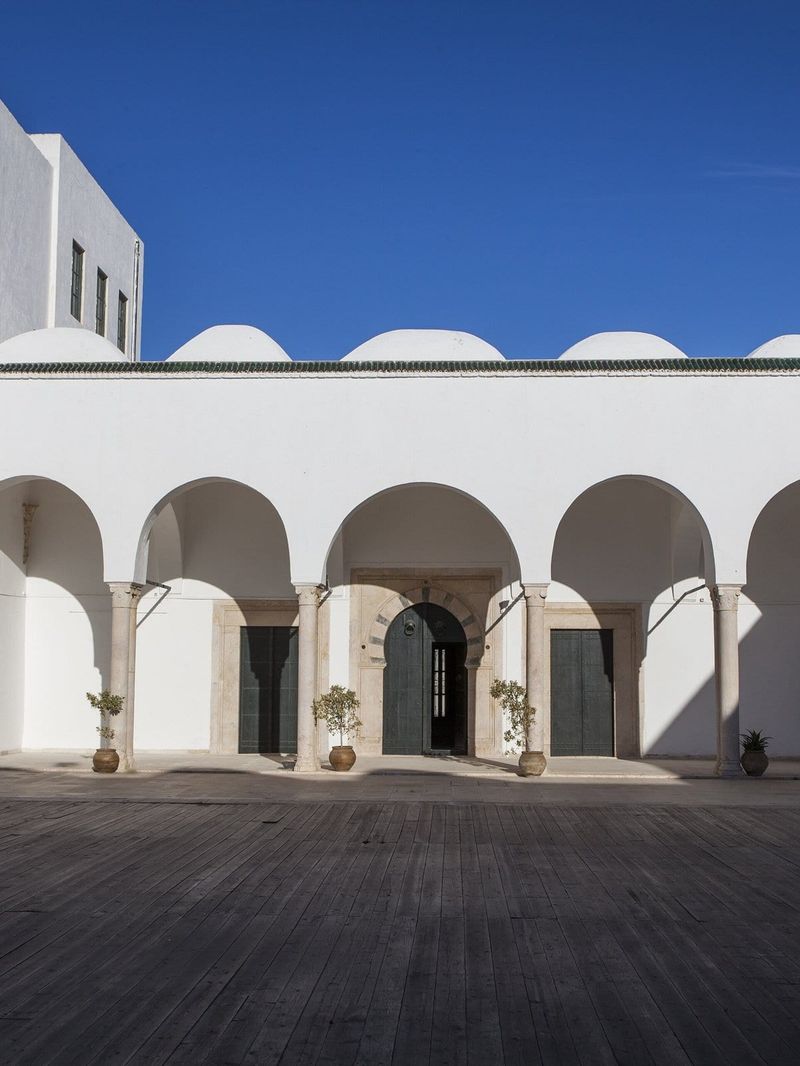
News by Exhibo
Editorial coverage on Exhibo
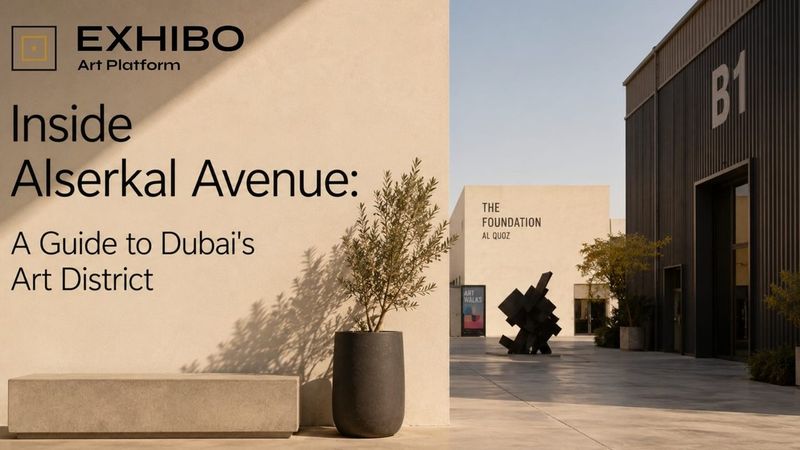
Inside Alserkal Avenue: A Guide to Dubai's Art District
How a row of Al Quoz warehouses became the most serious address in Gulf contemporary art — and how to navigate its galleries, foundations and programme.
Alserkal Avenue sits in Al Quoz Industrial Area 1 — a grid of concrete warehouses and marble workshops wedged between Sheikh Zayed Road and Al Khail Road — and it is, improbably, the most culturally credible square kilometre in the Gulf.
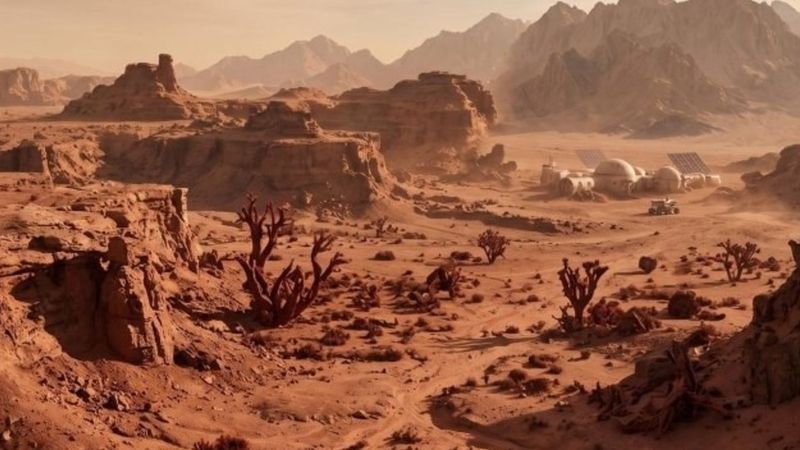
Why Every Sci-Fi Desert Looks Arab
From Arrakis to Tatooine, when a film wants a desert to feel ancient, prophetic and alien, it reaches for an Arab and Berber vocabulary — and reveals more about the West that built it than the region it borrows from.
The wrapped faces, the trilling women, the barely-displaced Arabic: cinema's alien deserts keep sounding Arab. But the vocabulary was assembled in the West — from Orientalist painting to Lawrence to Dune — and it says more about who is looking than about anyone being looked at.
The Real Aladdin: The Story That Belonged to No Country
Aladdin has no Arabic manuscript older than its French translation. Behind the gap stands a young man from Aleppo, catalogued for a century as anonymous.
The most famous "Arabian" tale in the world is missing from the oldest Arabic manuscript of the Thousand and One Nights — because before a French translator wrote it down in Paris, there was no manuscript of it to be missing from.