The citadel of Carthage
Byrsa is the low hill at the heart of ancient Carthage, overlooking the sea. It was the citadel of the Punic city. Legend tells that Dido was allowed to buy as much land as an ox hide could cover. She cut the hide into thin strips and laid them around the whole hill. The name Byrsa recalls the Greek word for hide.
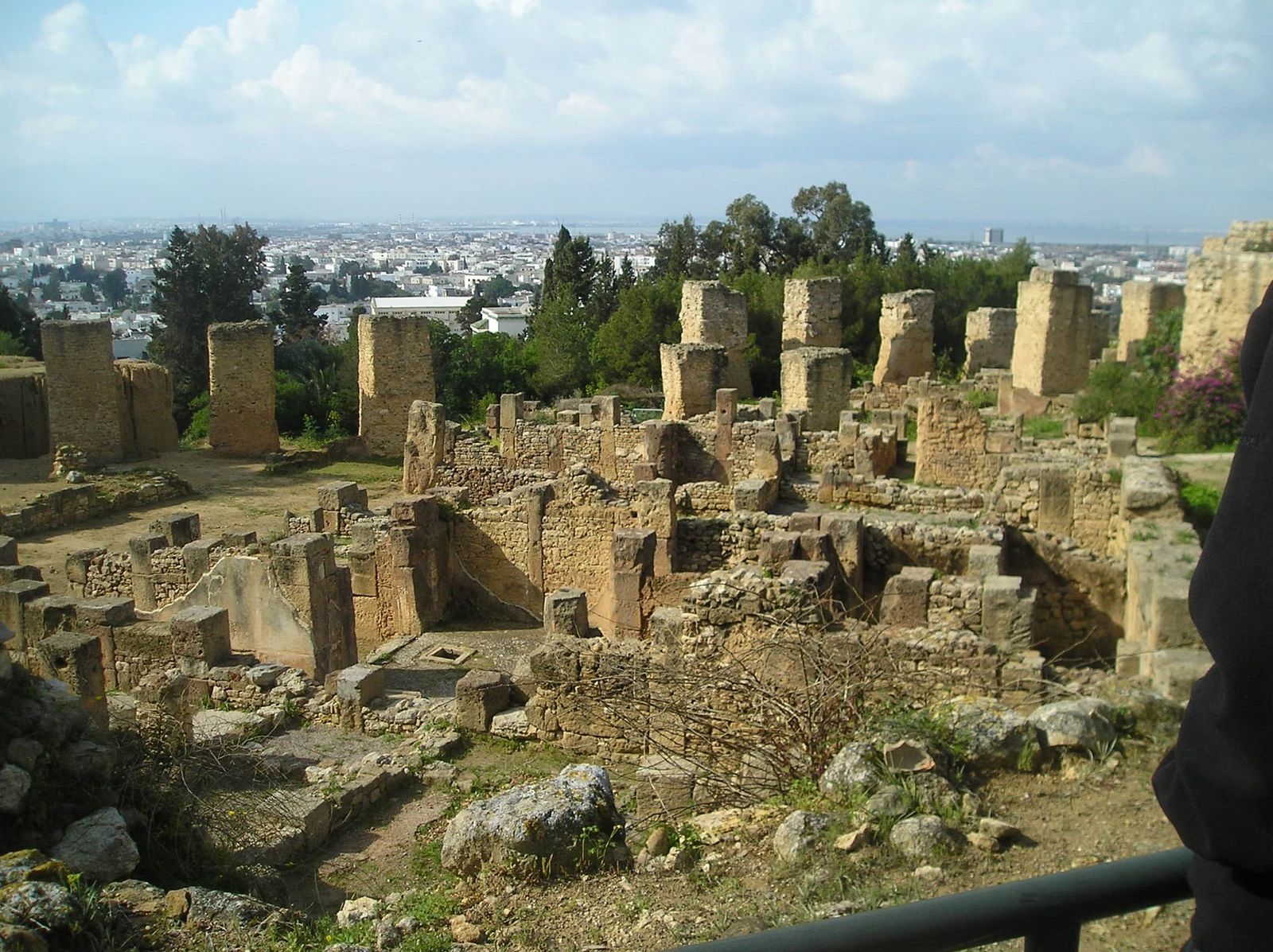
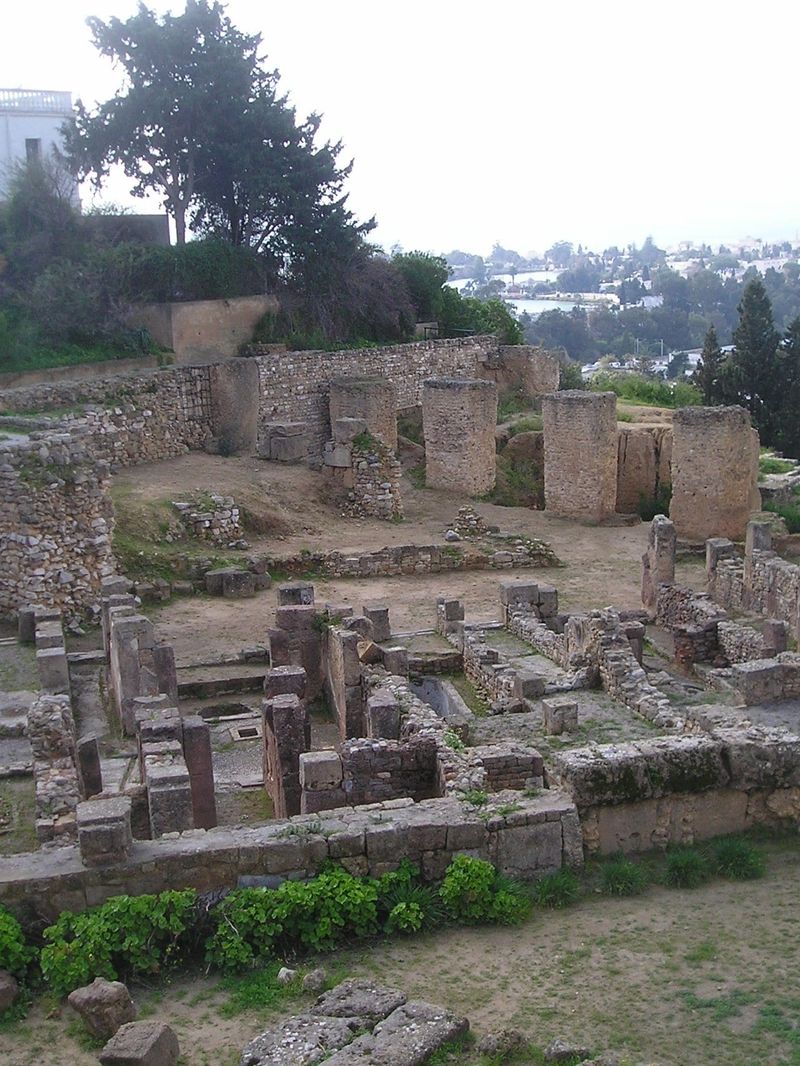
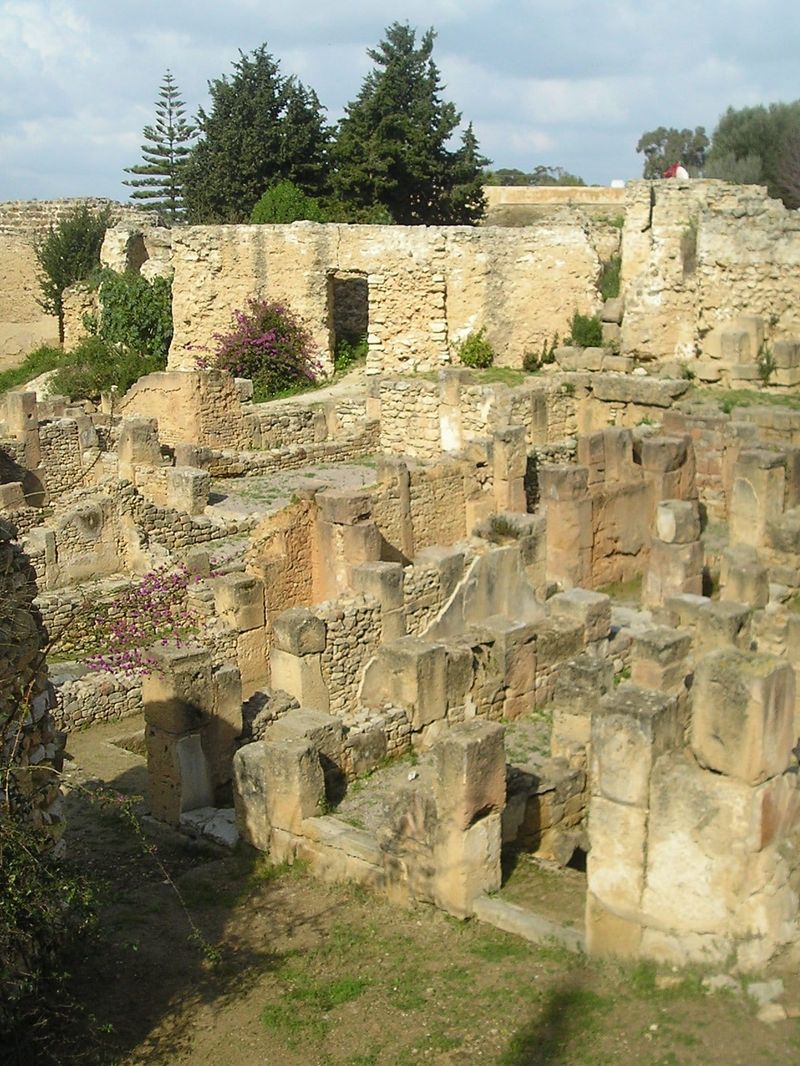
Some of the earliest tombs of Carthage were found on its slopes. In the last decades of the Punic city a residential district covered the southern side of the hill. It is known today as the Hannibal Quarter. Its houses stood along straight streets, with shops on the ground floor, staircases and plastered cisterns. In 146 BC the Romans stormed the city and the last defenders held out on Byrsa. The quarter burned.
The Roman forum above
When Rome rebuilt Carthage, the top of the hill was levelled to make a vast platform for the forum. Earth and rubble were piled over the ruins of the Punic houses. That is why they survived. The Roman hill carried the main public buildings of the colony: a temple to Juno, Jupiter and Minerva, a temple to Asclepius and a great portico. Little of them stands today.
Excavations and the hilltop today
French archaeologists dug here from the 19th century, first Charles-Ernest Beulé in 1859, then the White Fathers under Father Alfred-Louis Delattre. The Punic houses were cleared during the UNESCO campaign of the 1970s and 1980s.
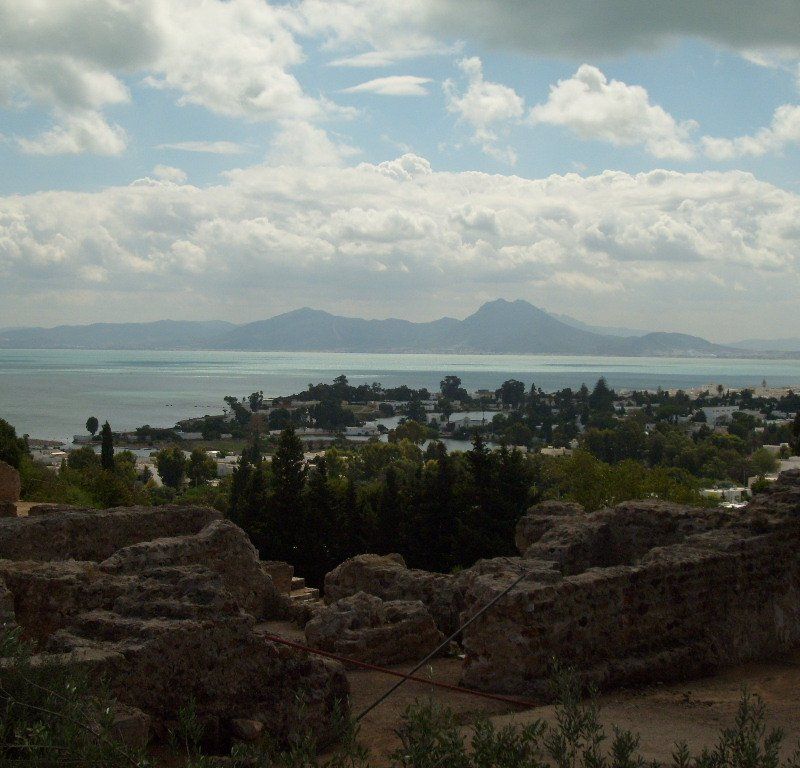
The summit is now shared by the Cathedral of Saint Louis and the Carthage National Museum. From the terraces the view sweeps over the Punic Ports, the Gulf of Tunis and the mountains of Cap Bon on the horizon.
Exhibo editorial
Come here first. Before any ruin makes sense, you need this view: the round harbour below, the line of the coast, the lagoon behind and the mountains beyond the gulf. It explains why anyone would build a city here.
Then go down into the Hannibal Quarter. The walls stand only a little above head height, but you can follow the streets and step into the rooms. These houses were buried by the people who destroyed them. Without the Roman forum on top, nothing would be left.
Gallery
How to find it
Byrsa Hill rises in the centre of Carthage. Take the TGM to Carthage Hannibal or Carthage Byrsa and walk uphill for about ten minutes, or take a taxi to the top. The site is part of the single Carthage ticket, sold at the main monuments such as the Antonine Baths and Byrsa Hill. It covers several sites spread across the suburb, so keep the ticket for the whole day.
Similar places
All places
News by Exhibo
Editorial coverage on Exhibo
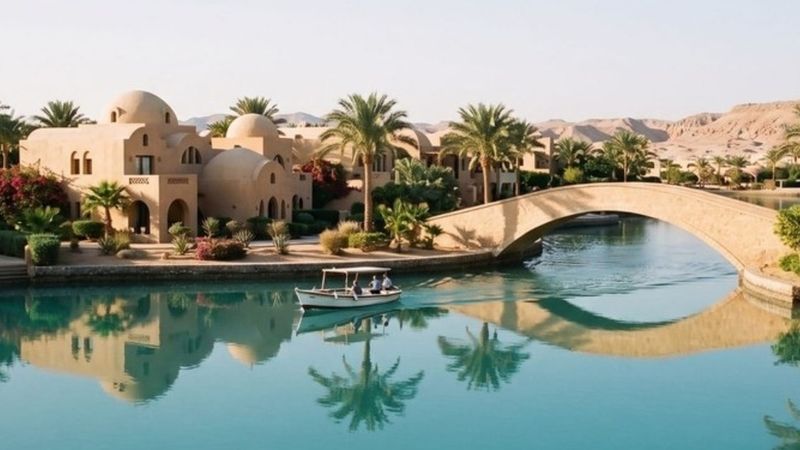
Why the Middle East Keeps Building Venice
From the Red Sea to the Gulf, canal towns keep getting called Venice. The water was usually about something else — and Venice was never quite Venice either.
The Middle East is full of “Venices”. Most began as a way to manufacture shoreline; the name usually arrived later, in English, from the people selling it.
Elie Khouri's New Foundation Takes Shape in Dubai
A private villa in Jumeirah 1 becomes the home for Ekaf
Collector Elie Khouri transforms a historic Jumeirah 1 residence into a contemporary art venue opening in 2028.
Following Damascus... Osthaus and the Islamicate Collection
Museum Folkwang revisits the founder's early travels and the formation of its historic Islamic Department
A survey of Karl Ernst Osthaus's collecting habits, featuring loans from Berlin and Dresden alongside European modernist responses.