Babylon Fortress (Roman Towers), Old Cairo
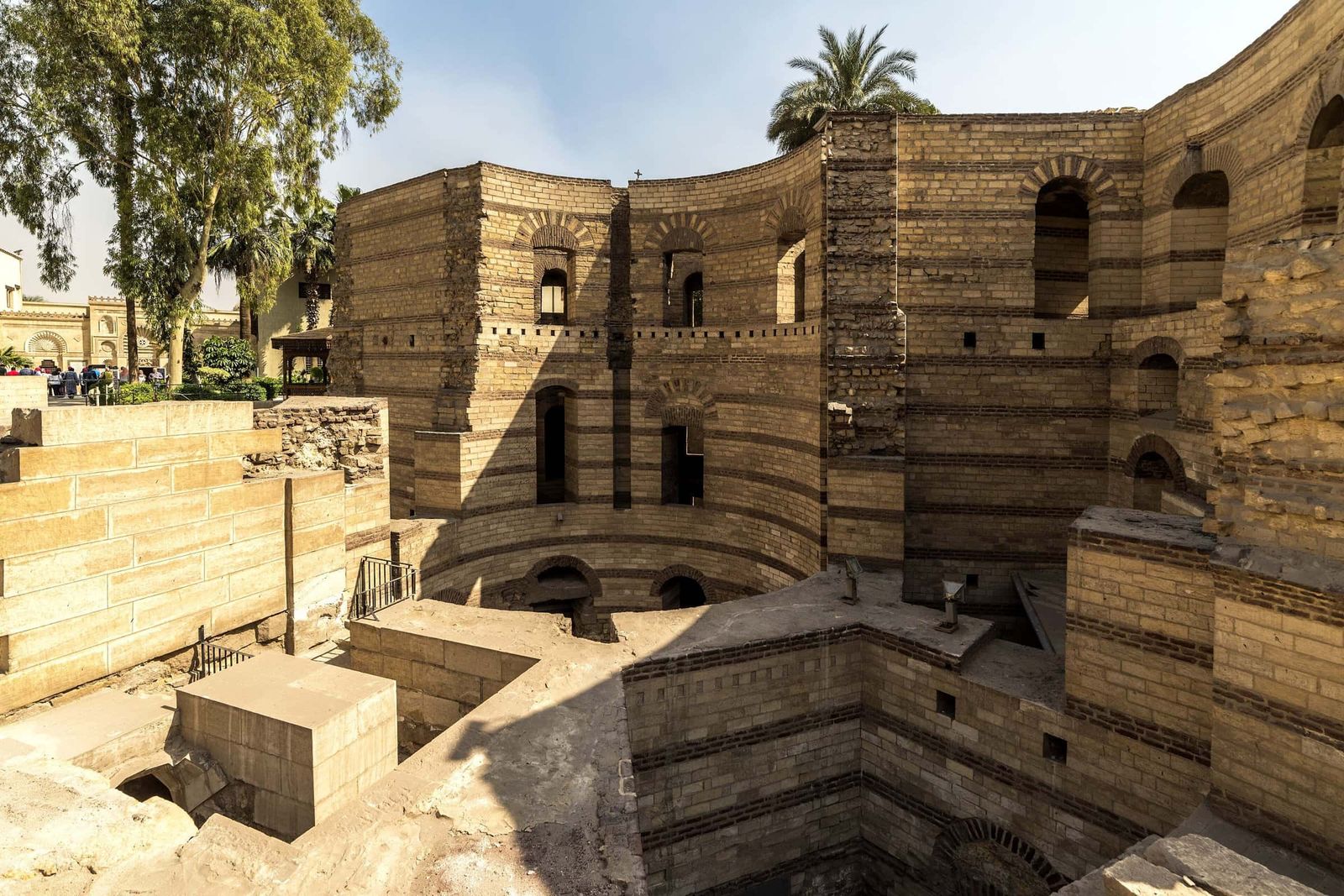
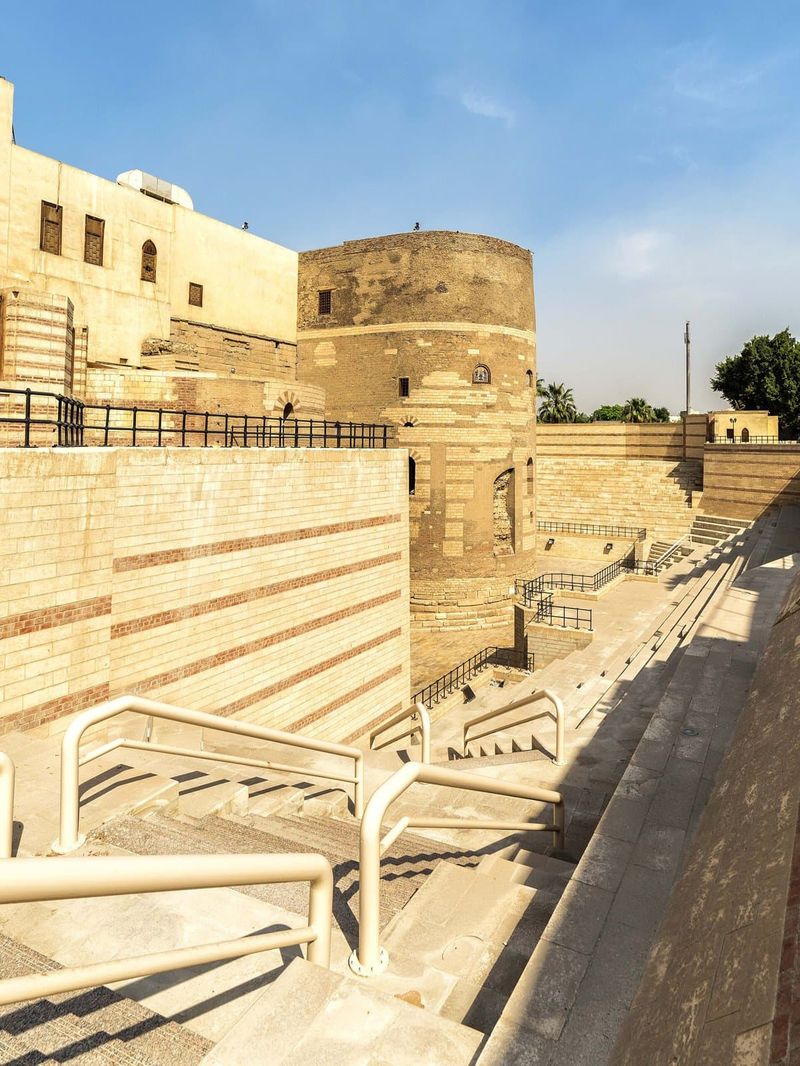
Two Roman towers of striped brick and stone in Old Cairo, the fortress Amr ibn al-As besieged before Cairo existed.
A Roman fortress on the Nile
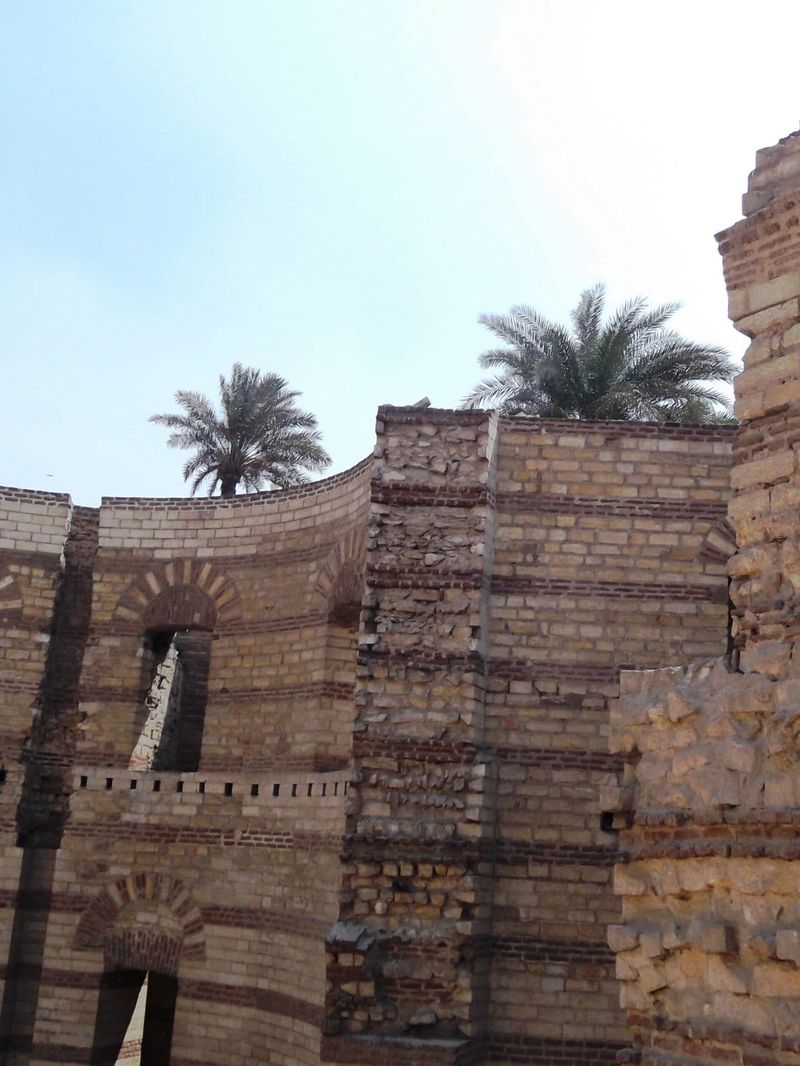
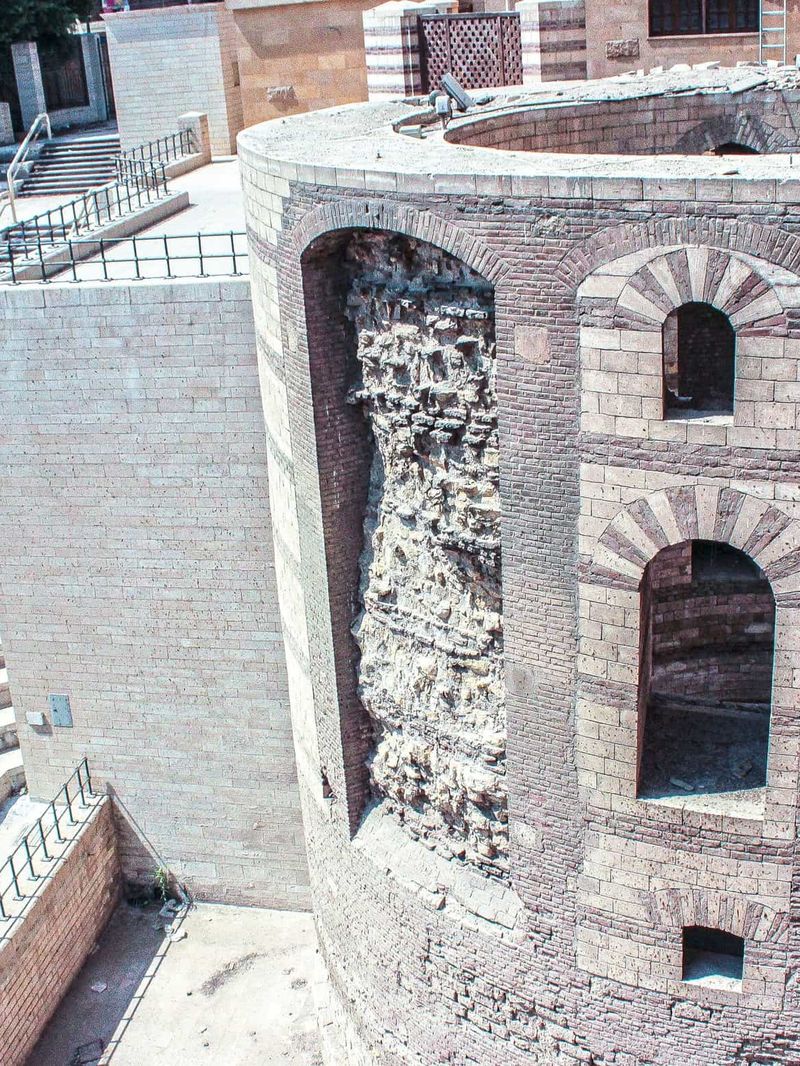
The two great round towers beside the Mar Girgis metro station are the most visible remains of Babylon, the Roman fortress around which Old Cairo grew. They stand at the heart of Coptic Cairo, below the Hanging Church and the Coptic Museum, several metres below the level of the streets around them. The towers are built in alternating bands of pale limestone and red brick, the typical striped masonry of late Roman military architecture.
The origin of the name is debated. One explanation traces it to Per-Hapi-On, the "river house of On", an older Egyptian settlement on this spot; another to captives from Babylonia once settled here.
Trajan's canal and Diocletian's walls
The fortress was built around 300 AD under the emperor Diocletian. It guarded a strategic point where the Nile met an ancient canal that ran east to the Red Sea. The canal went back to the pharaohs. The emperor Trajan restored and enlarged it around 110 AD. The Romans built a stone harbour where it joined the river. Diocletian's fortress was laid out over that harbour: the canal entered the fortress between the two massive round towers that still stand today. Later chroniclers credited the whole fortress to Trajan, but excavation has tied the walls to Diocletian.
Babylon became the base of the Roman garrison in Egypt and the seat of the governor. Interest shifted here from Memphis across the river. A town grew up around the walls.
The siege of 641
In 640 the Arab army under Amr ibn al-As reached Babylon. The fortress held out for about seven months before it surrendered in 641. Amr set up his camp beside it. That camp became Fustat, Egypt's first Islamic capital, with the Mosque of Amr ibn al-As at its centre.
Churches on Roman walls
Within the old enclosure the Christian community built its churches into and on top of the Roman structure. The Hanging Church, al-Muallaqa, takes its name from its position above the southern gate of the fortress, raised over the passage between two bastions. The round church of St George of the Greek Orthodox Patriarchate sits on the northern tower. Abu Serga, St Barbara and the Ben Ezra Synagogue stand within a few minutes' walk inside the same old quarter.
Excavation and groundwater
Rising groundwater long threatened the towers and churches. Between 1998 and 2006 the American Research Center in Egypt, with USAID funding, carried out a major project to lower the water table in Coptic Cairo. The archaeologist Peter Sheehan recorded what the works revealed, from Trajan's harbour to the Roman walls. He published the results in Babylon of Egypt: The Archaeology of Old Cairo and the Origins of the City. Visitors now look down into the cleared base of the towers from walkways above.
Exhibo editorial
Cairo is usually explained through the Pyramids or through the medieval minarets. Babylon is the missing middle. Before there was a Cairo there was a Roman garrison on a canal. The city's whole Christian quarter is literally standing on its walls.
Stand at the rail above the southern tower and look down. The ground the Romans walked on is several storeys below you. The stripes of brick and stone run round the curve like the rings of a tree. Above them, the church still holds its services on the Roman gate. It is the quietest place in Cairo to understand how the city stacks itself.
Gallery
How to find it
Take Cairo Metro Line 1 to Mar Girgis station. The towers stand directly across the road from the station exit, in front of the entrance to the Coptic Museum and the Church of St George. Walk to the right along the old wall to reach the Hanging Church steps, which climb over the southern gate. The pit around the base of the towers can be seen from the walkways.
Similar places
All places
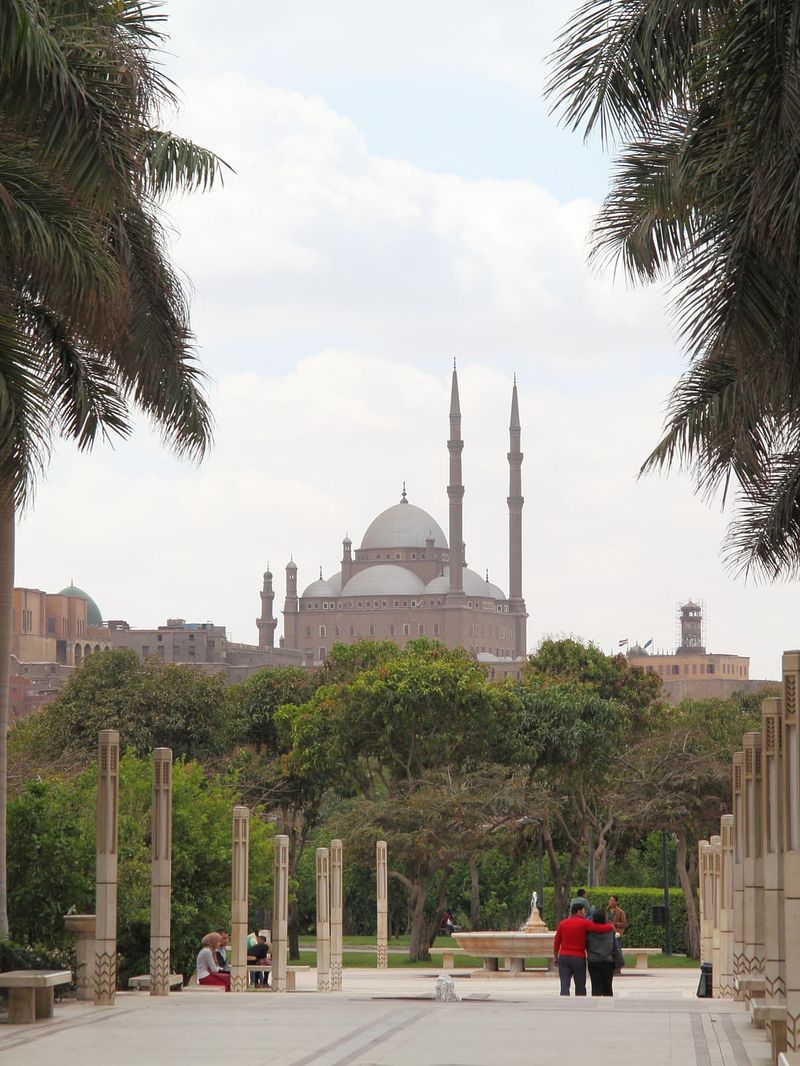
News by Exhibo
Editorial coverage on Exhibo
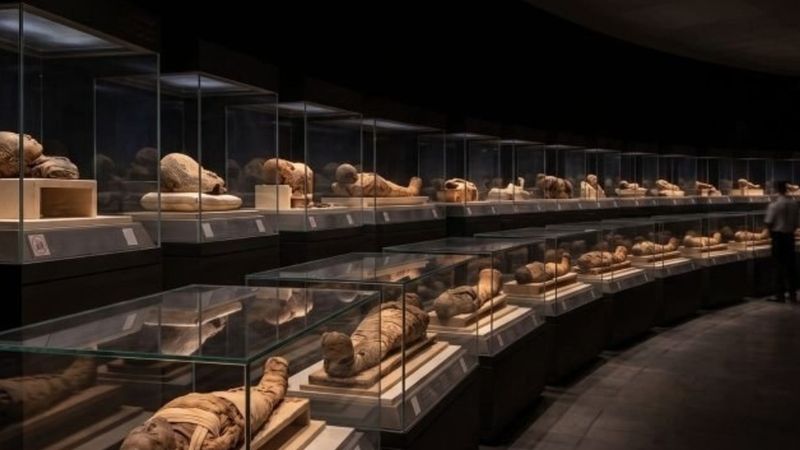
The Museum of Everything That Became a Tomb
Egypt built a museum to tell the story of an entire civilisation — seven thousand years of it, from flint tools to the present. The public knows it for one thing: the room where twenty dead kings lie in the dark.
In a black, hushed hall beneath the National Museum of Egyptian Civilization in Old Cairo lie the mummified bodies of Ramesses II, Hatshepsut, and eighteen other rulers of the New Kingdom — carried here in 2021 in a televised parade watched around the world.
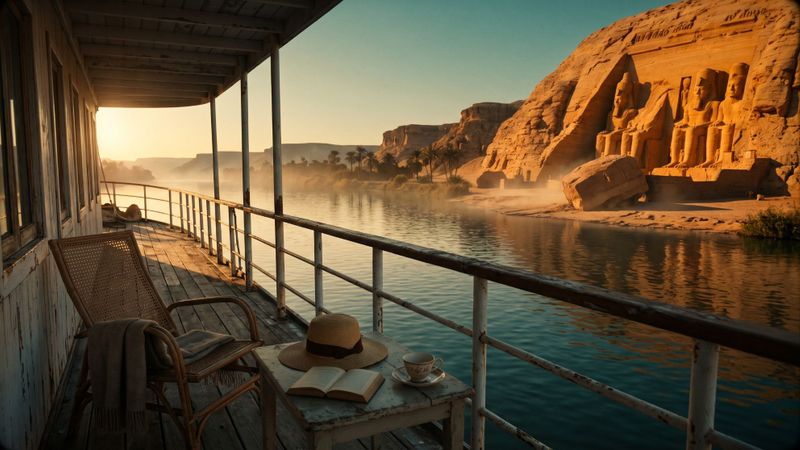
Agatha Christie's Egypt: Three Abu Simbels, a Pharaoh and a Murder on the Nile
Christie set one famous murder on the Nile and two lesser-known stories in ancient Egypt. The temples, letters and film sets behind all three.
The Abu Simbel of Death on the Nile has since moved up a hill. Christie's two other Egyptian stories lead to a pharaoh's dismantled temples at Karnak and a farmer's 4,000-year-old letters now in New York.
The Real Oasis of The Alchemist: Al-Fayoum and the Dream Coelho Borrowed
Paulo Coelho sent his shepherd to a real place in Egypt. What Santiago would have found there and where the story of the treasure at home came from.
Santiago's oasis is real. Al-Fayoum lies 100 km from Cairo, with Roman-era painted portraits, a temple on the caravan road and a dream story centuries older than Coelho.