Church of St Barbara (Coptic Cairo)
A Coptic basilica in the lanes of the Babylon Fortress, keeping the relics of St Barbara and a wall of icons.
A church of the old Coptic quarter
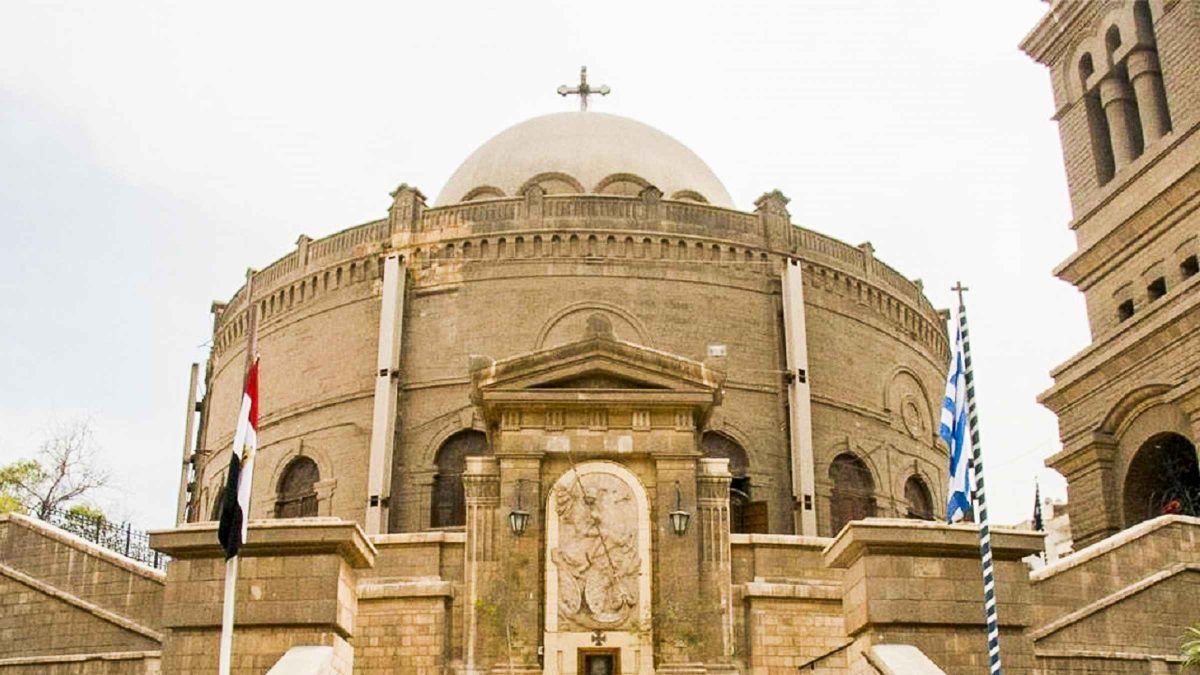
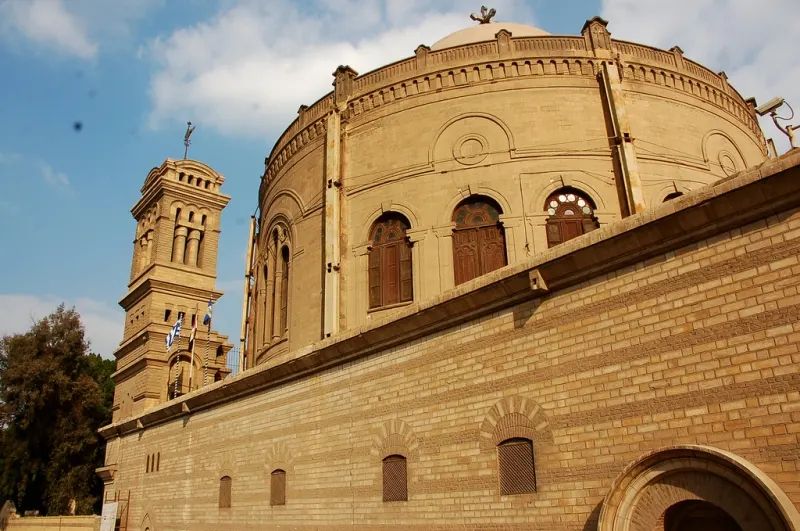
The Church of St Barbara stands in the walled Coptic enclave inside the Roman Babylon Fortress, in the same lane as the Church of Abu Serga and the Ben Ezra Synagogue. It is one of the oldest churches in Cairo: its foundation is placed in the late seventh or early eighth century, in the period after the Arab conquest when most of the quarter's churches were built, and it was restored and rebuilt many times in the following centuries. Originally dedicated to Saints Cyrus and John, it became known as the church of St Barbara after her relics were brought here.
St Barbara
Barbara is one of the most widely venerated early Christian martyrs, honoured in both Eastern and Western churches. According to her legend, she was the daughter of a pagan nobleman who shut her in a tower to keep her from the world; when she became a Christian, he denounced her and she was put to death. Her relics are kept in a side chapel of the church, which makes it a place of pilgrimage, and her feast day is celebrated here each December.
The building
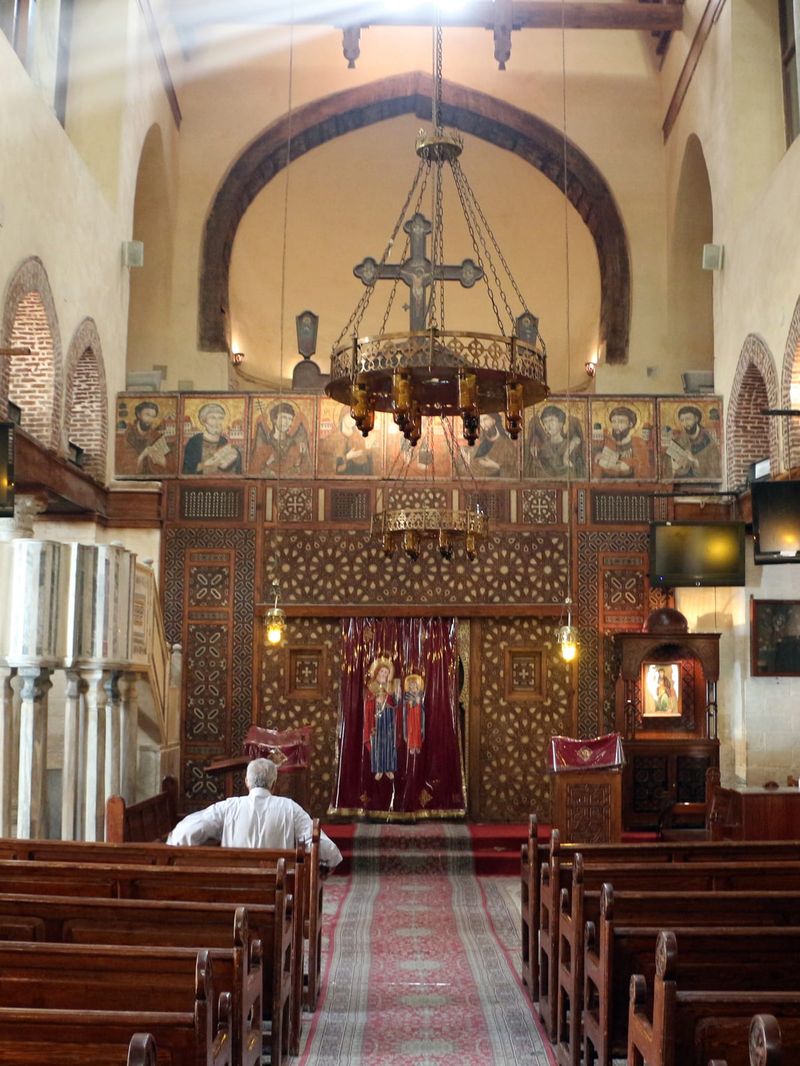
The church is a basilica with a nave and two side aisles divided by columns and a wooden roof. At the east end, three sanctuaries stand behind screens of inlaid wood and are hung with icons; the church's medieval wooden iconostasis, one of the finest examples of Coptic woodwork, is now displayed in the Coptic Museum nearby. The church preserves a collection of icons of different periods, including images of St Barbara. Old Cairo is part of the UNESCO World Heritage Site of Historic Cairo.
Exhibo editorial
From the lane, St Barbara looks like almost nothing — a doorway in a wall, a few steps down. Inside it opens into a quiet basilica, the light low, the icons dark gold, women in headscarves lighting candles in the chapel where the saint's relics rest.
It is the kind of church you only find by wandering, and that is the best way to see it: after the Hanging Church and Abu Serga, when the crowds have thinned, stop here for five minutes and simply sit. The story of a girl locked in a tower by her father is told in countless languages across Europe and the East. In this alley in Cairo, people still bring her their own.
Gallery
How to find it
From Mar Girgis metro station, pass the Hanging Church and take the sunken stairway down into the walled Coptic Cairo enclave. Follow the main lane past the Church of Abu Serga; St Barbara is a little further along, near the Ben Ezra Synagogue.
Similar places
All places
News by Exhibo
Editorial coverage on Exhibo
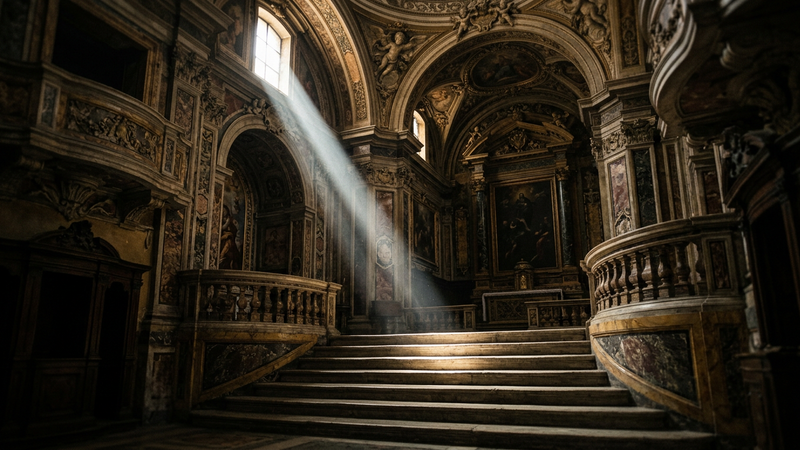
Baroque Art, Explained
Rome, Antwerp, Madrid and Amsterdam: the seventeenth-century visual language built to move bodies, faith and courts.
Baroque art pushed figures into your space and stacked diagonals for drama. This guide covers Counter-Reformation roots, key painters and sculptors from Rome to the Dutch Republic, four close readings of major works, and how the style spread, drew criticism, and still shapes museum rooms today.
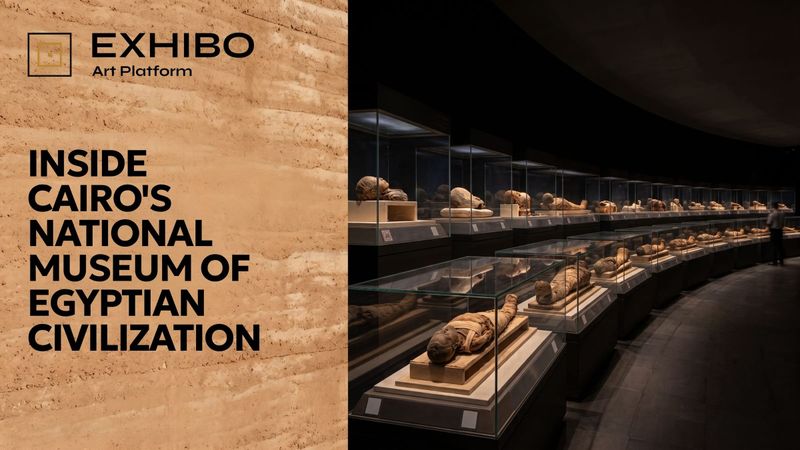
The Museum of Everything That Became a Tomb
Egypt built a museum to tell the story of an entire civilisation — seven thousand years of it, from flint tools to the present. The public knows it for one thing: the room where twenty dead kings lie in the dark.
In a black, hushed hall beneath the National Museum of Egyptian Civilization in Old Cairo lie the mummified bodies of Ramesses II, Hatshepsut, and eighteen other rulers of the New Kingdom — carried here in 2021 in a televised parade watched around the world.
Filmed, but Not Recorded: The Arab World’s Missing Film Locations
Wikidata knows Gladiator was filmed in Morocco. It doesn’t know where.
Ouarzazate is the second most filmed place in the Middle East and North Africa, yet 25 of its 27 productions are recorded only in Wikipedia prose. We compared filming records worldwide and found that in the Arab world, Wikidata usually knows the country but not the place.