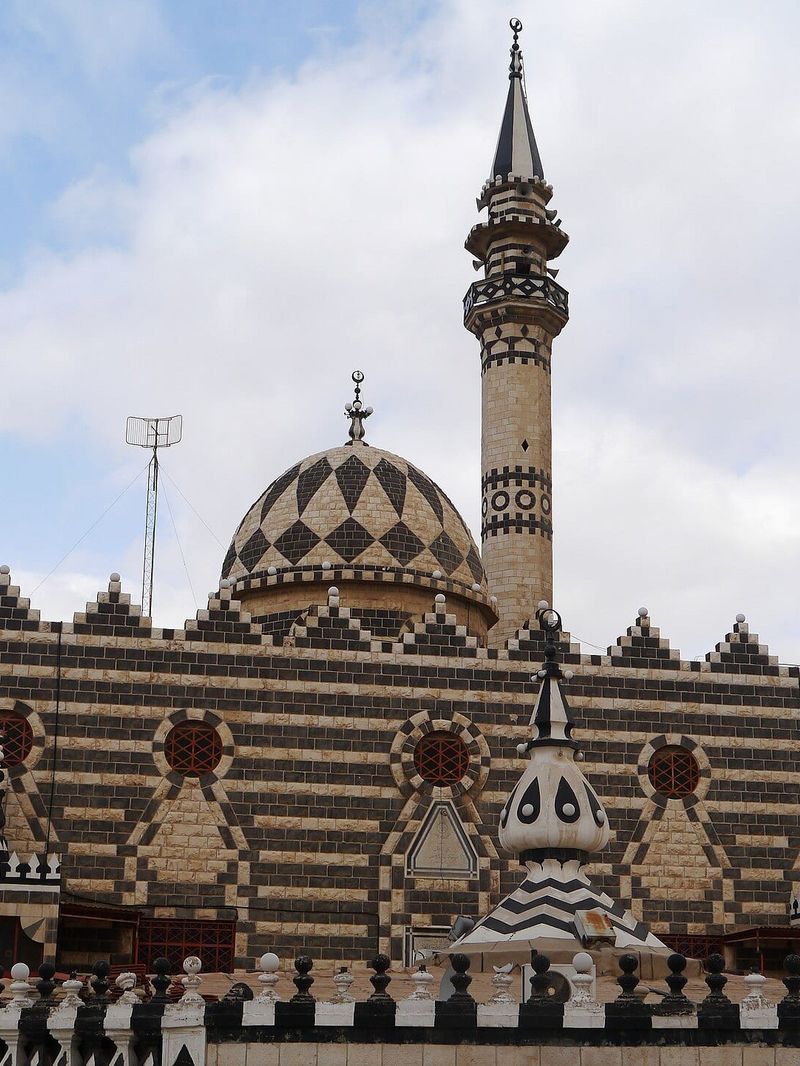
Abu Darwish Mosque
A black and white chequered mosque on one of Amman's highest hills, with a panorama of the city.
Amman
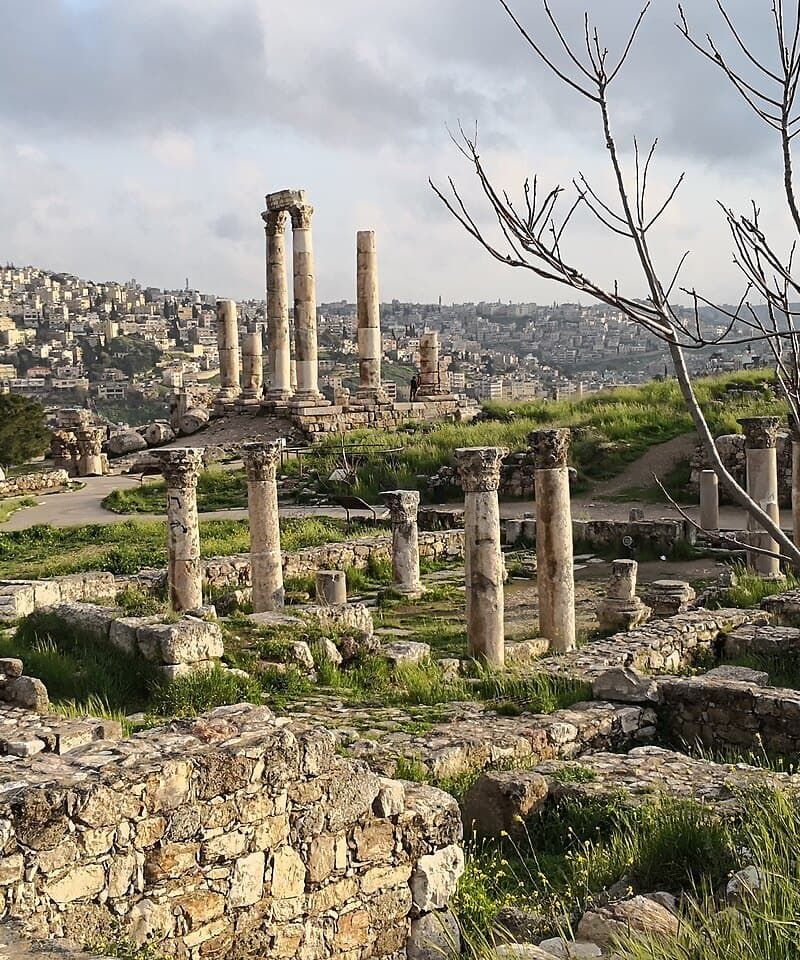
Amman Citadel (Jabal al-Qal'a)
A Roman temple, a Byzantine church and an Umayyad palace on the hill where Amman began.
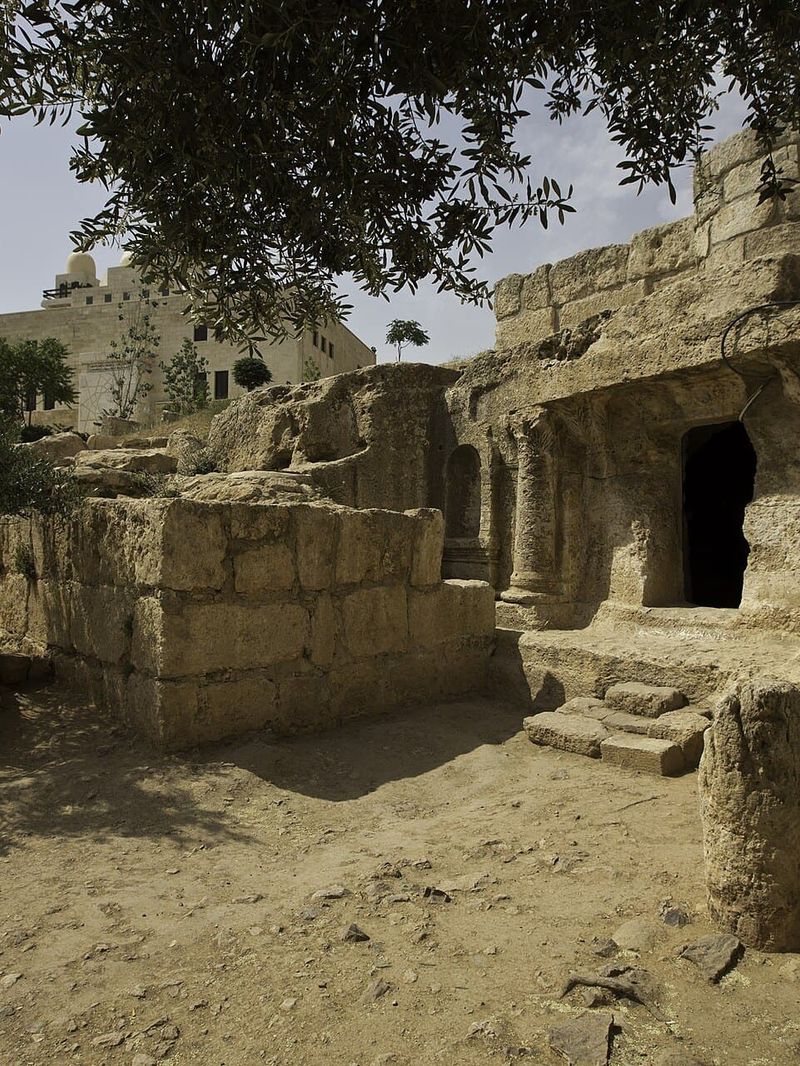
Cave of the Seven Sleepers (Ahl al-Kahf)
A Byzantine rock tomb on the edge of Amman linked to the sleepers of the Qur'an's Surah al-Kahf.
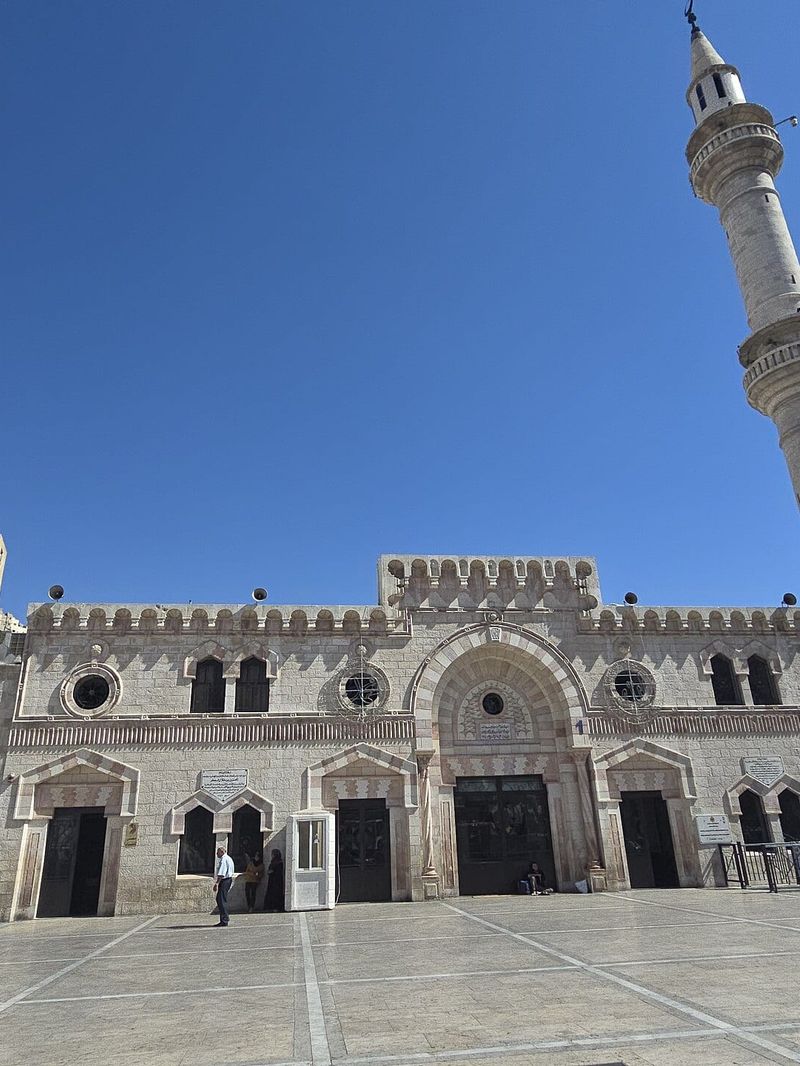
Grand Husseini Mosque
The striped stone mosque at the heart of downtown, rebuilt by Emir Abdullah I in 1924.
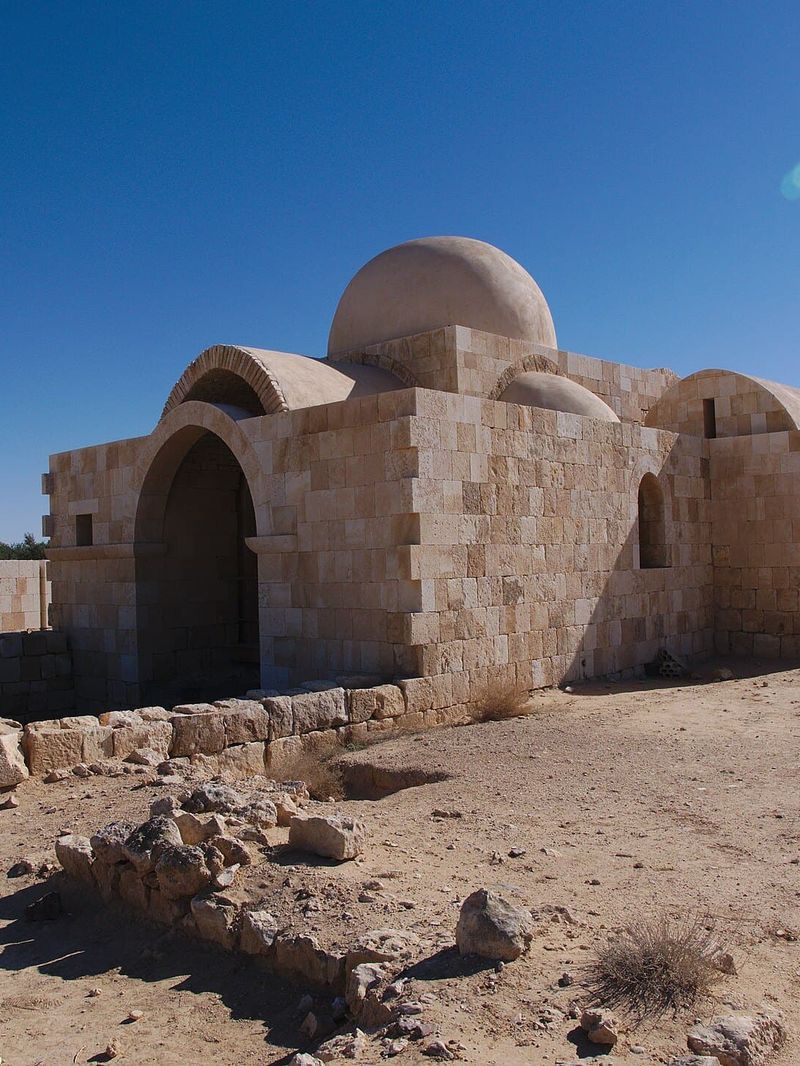
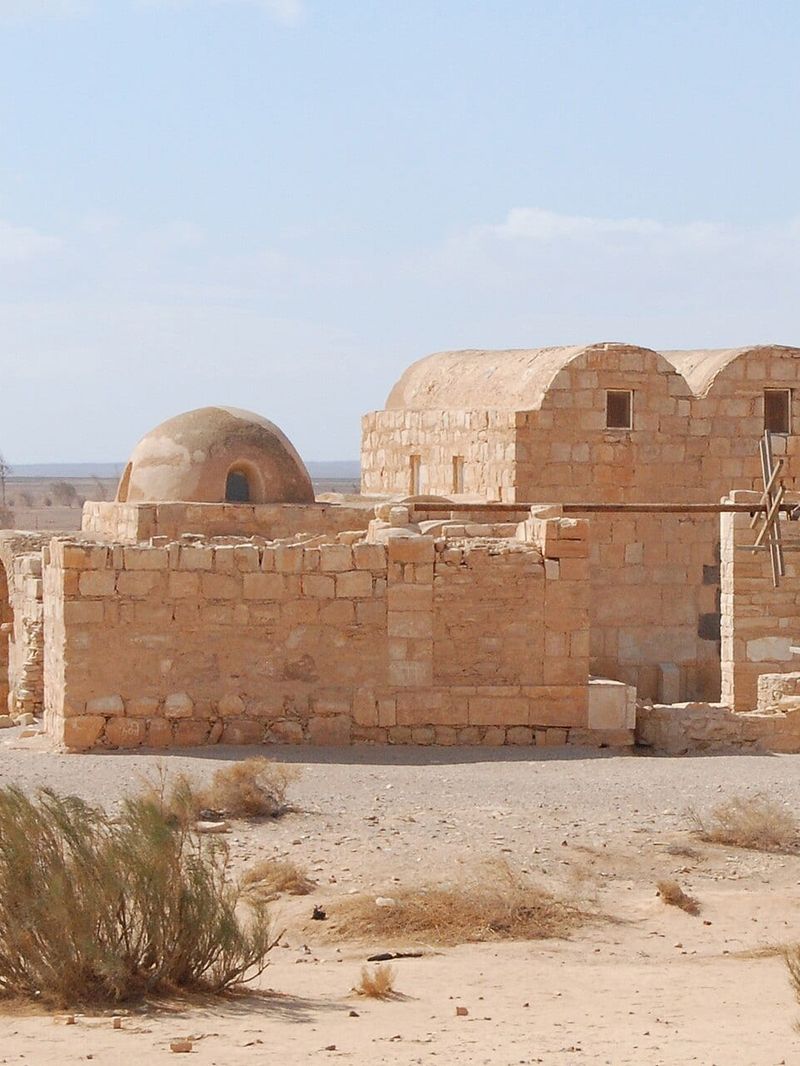
Hammam as-Sarah
A small Umayyad bathhouse in the steppe with its domed hot room and underfloor heating still in place.
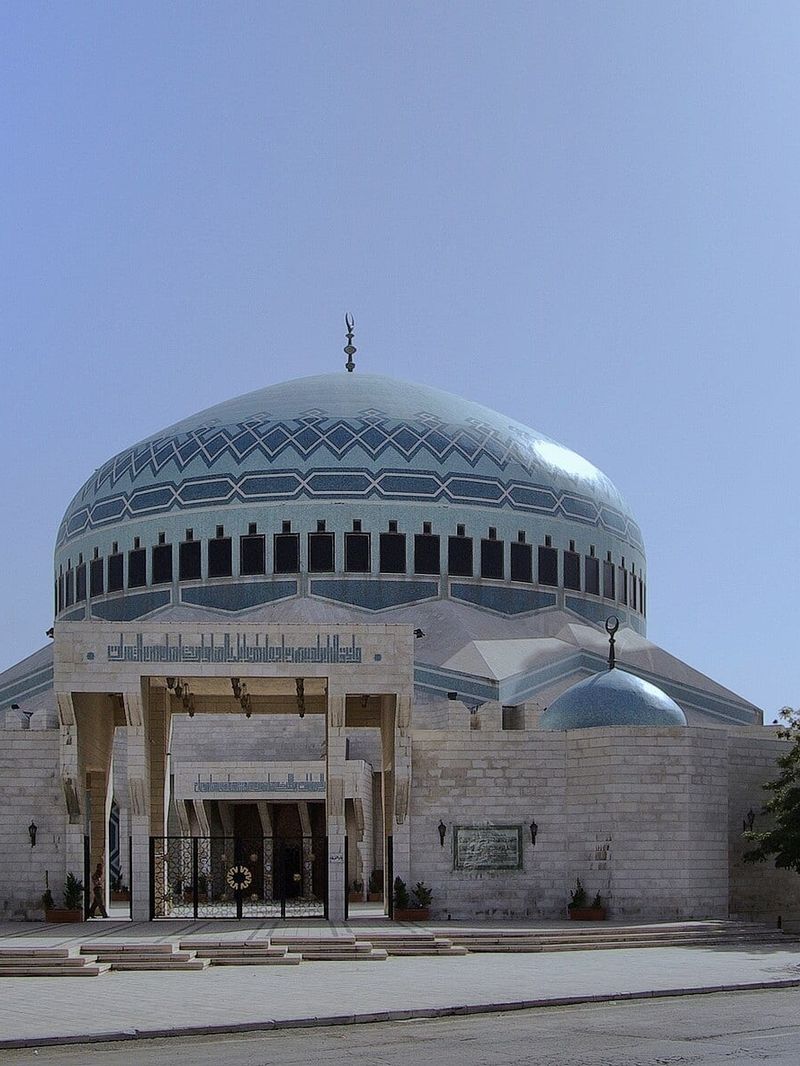
King Abdullah I Mosque
The blue-domed mosque in Abdali that opens its doors to visitors of every faith.
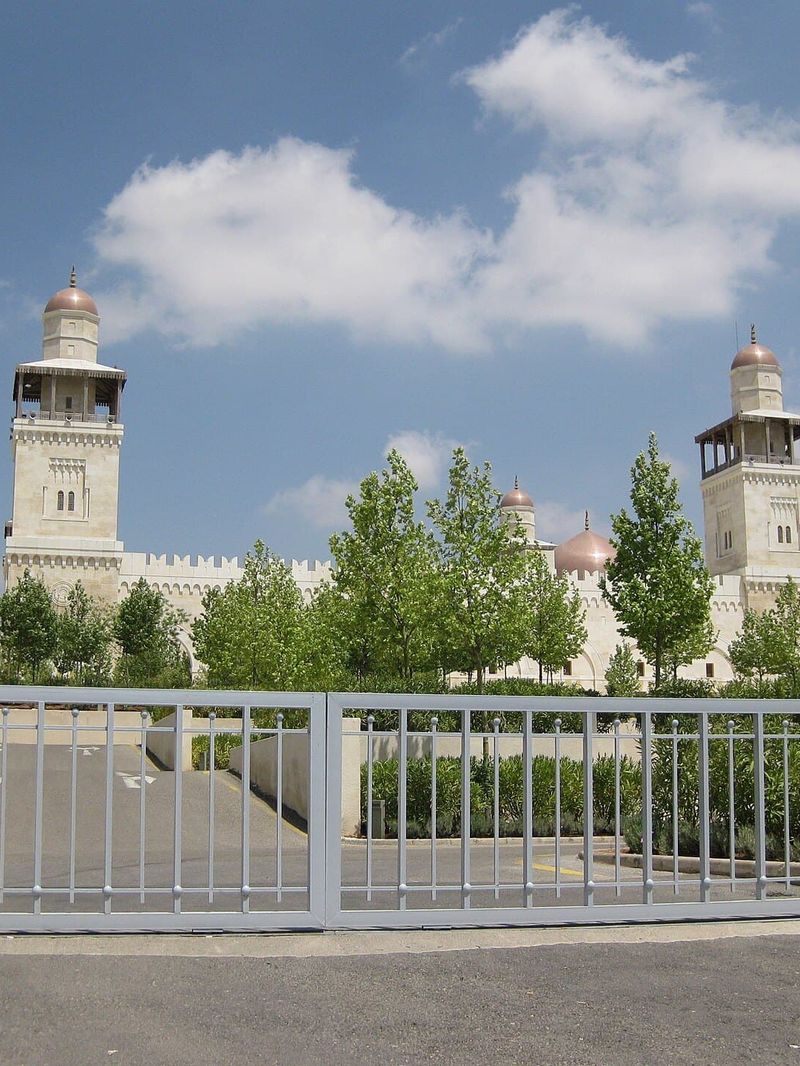
King Hussein Bin Talal Mosque
Jordan's largest mosque, in pale stone with four minarets above Al Hussein Public Parks.
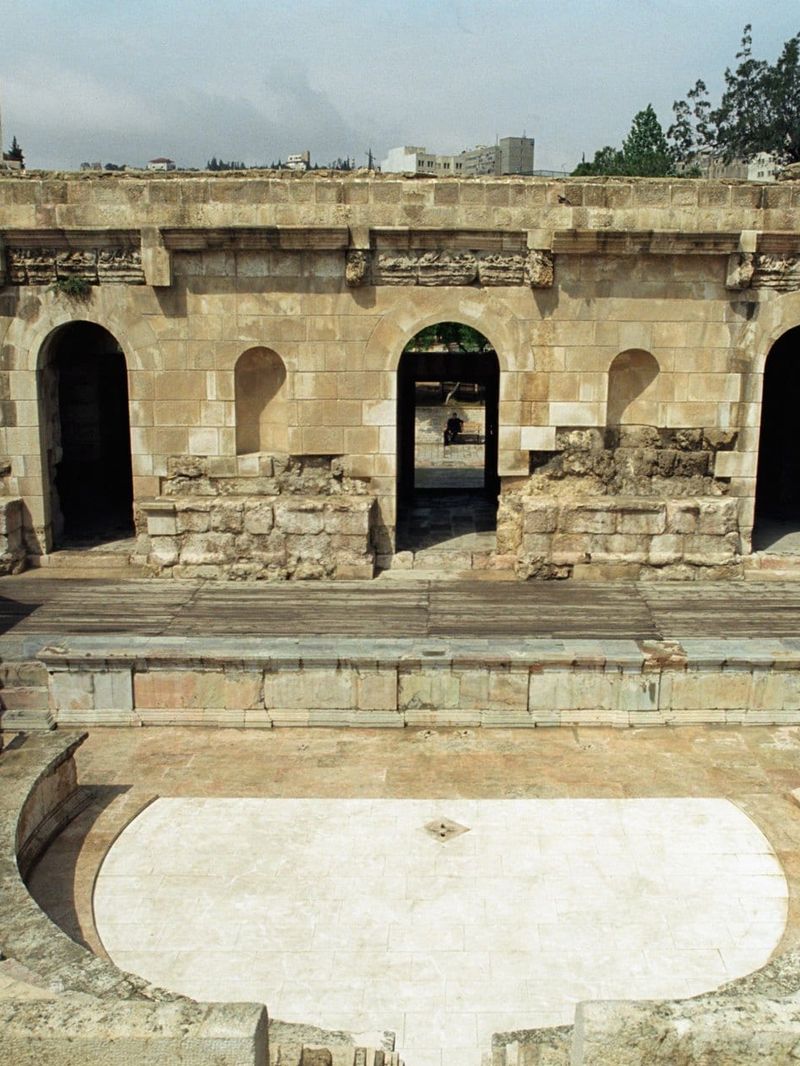
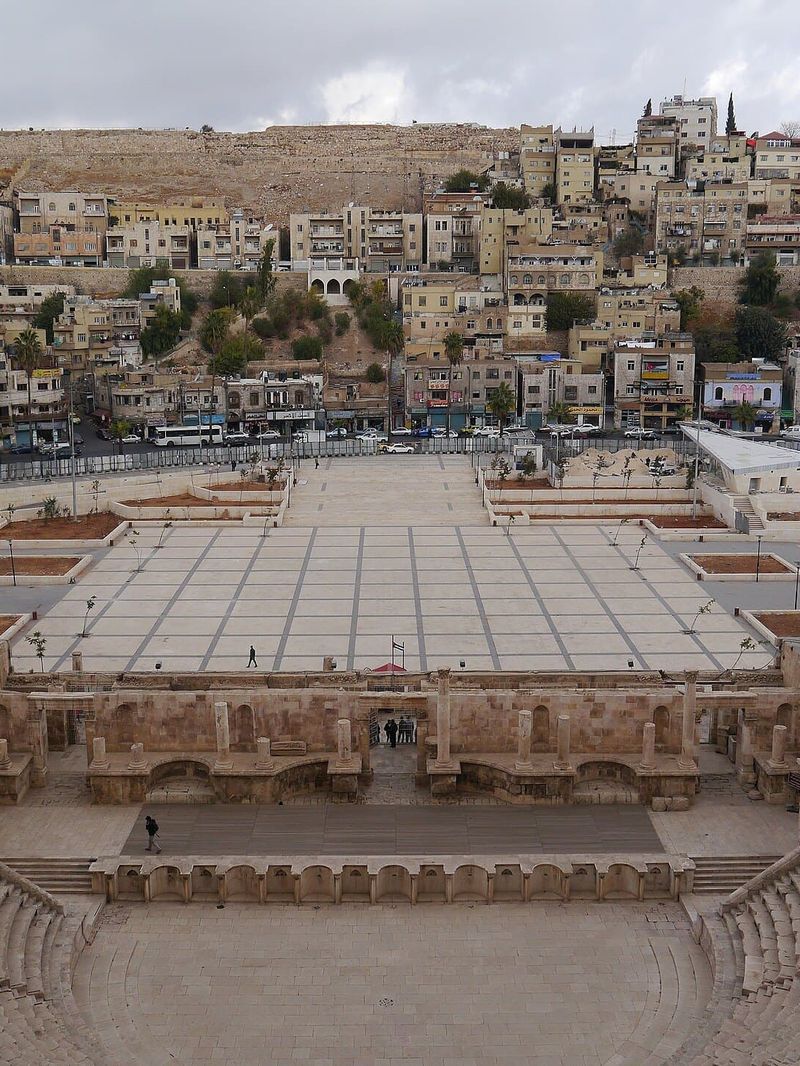
Odeon, Amman
A small roofed Roman concert hall facing the great theatre across the old forum.
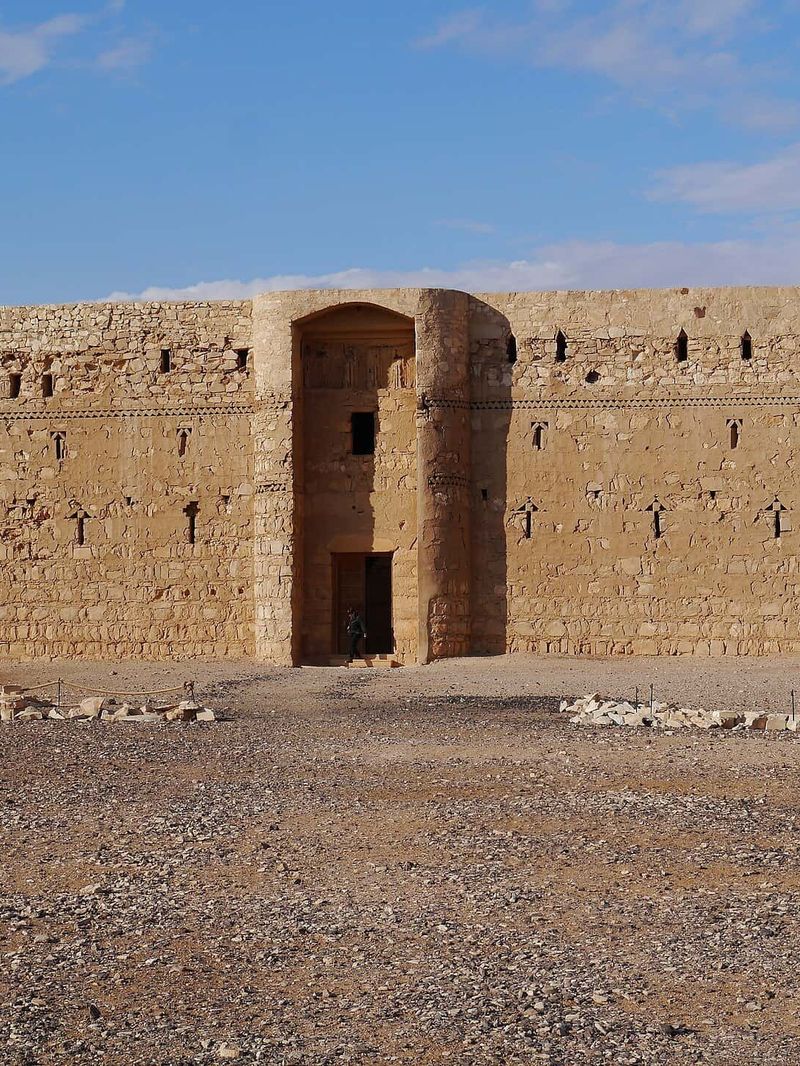
Qasr Kharana
A fortress-like Umayyad building on an empty plain that was built for meetings, not war.
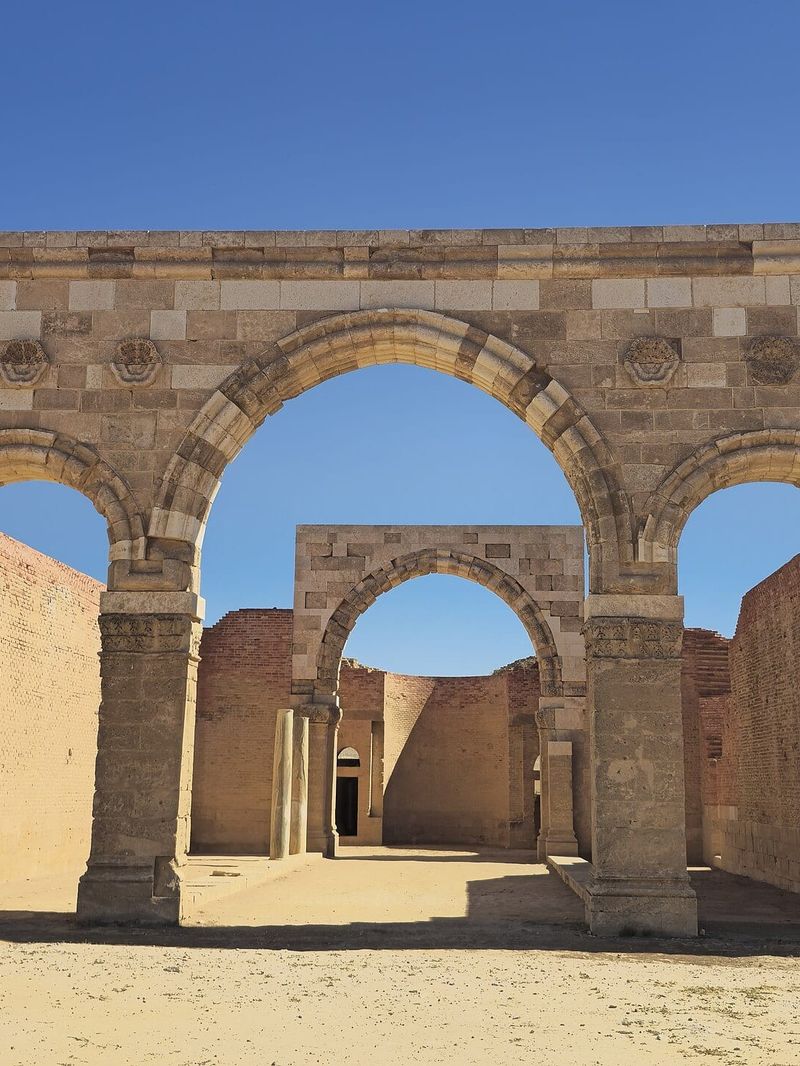
Qasr Mushatta
The largest Umayyad desert palace, left unfinished by the airport, whose carved facade is now in Berlin.
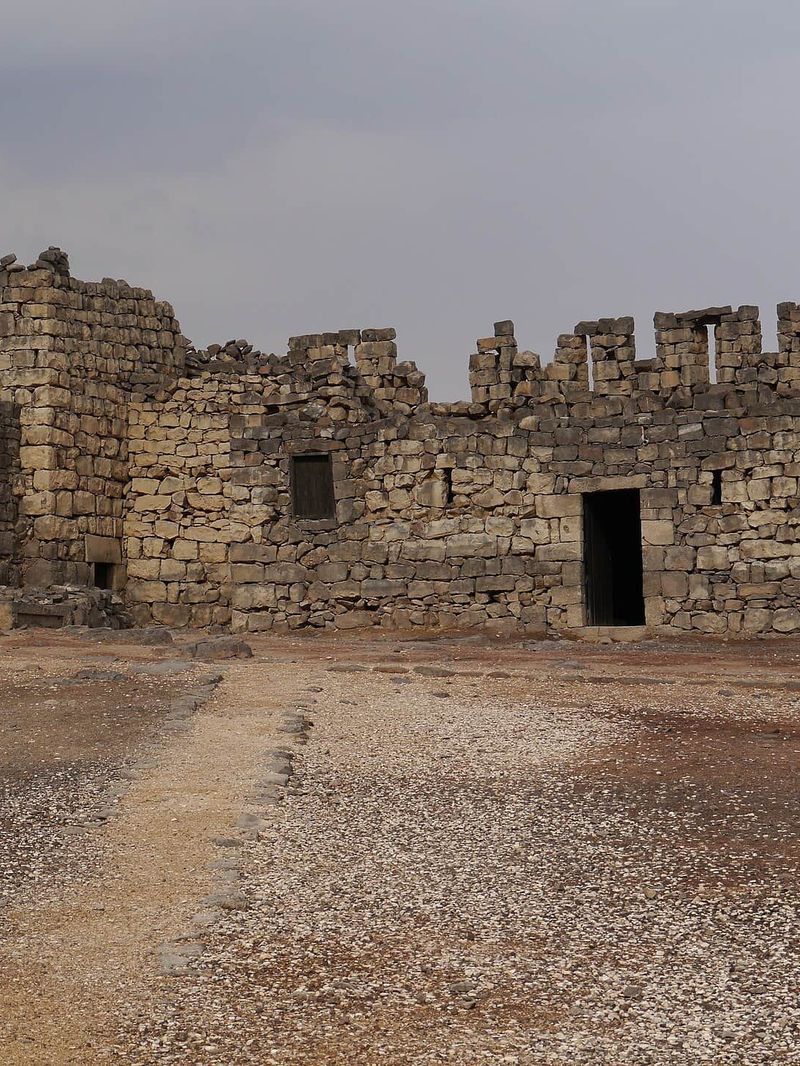
Qasr al-Azraq (Azraq Castle)
A black basalt fortress at the Azraq oasis, used by Romans, Ayyubids, Ottomans and T. E. Lawrence.
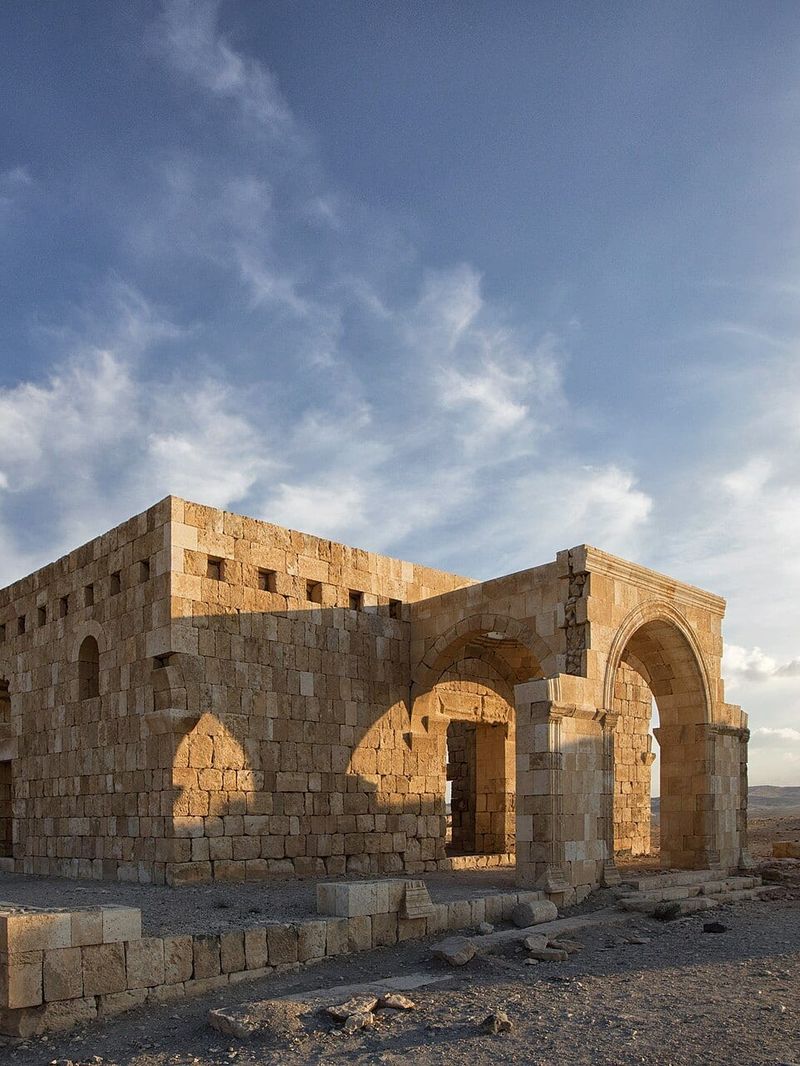
Qasr al-Hallabat
A Roman frontier fort turned into an Umayyad country palace, built of black basalt and pale limestone.
Qusayr Amra
An Umayyad bathhouse in the eastern desert whose walls and domes are covered in 8th-century paintings.
Roman Theatre, Amman
A 6,000-seat Roman theatre cut into a hillside in the middle of downtown traffic.
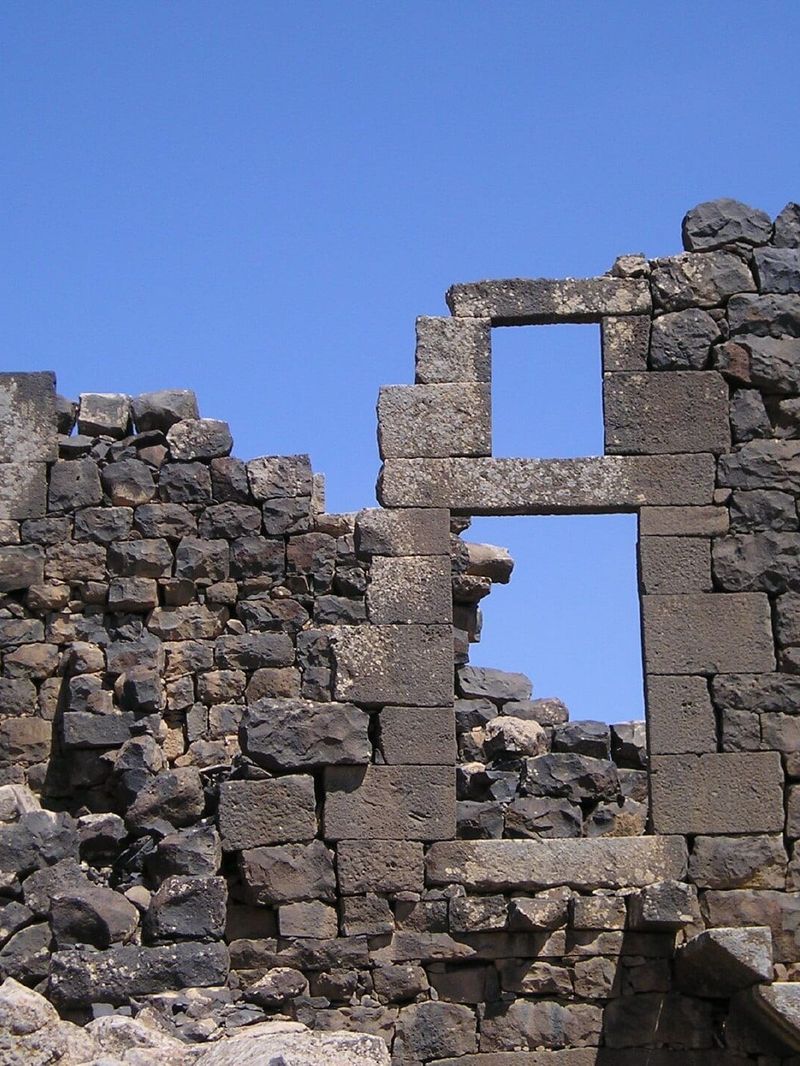
Umm el-Jimal
A whole town of black basalt houses, churches and stone doors near the Syrian border, a UNESCO site since 2024.
← Back to city guide