
Qasr Kharana
A fortress-like Umayyad building on an empty plain that was built for meetings, not war.
A castle that is not a castle
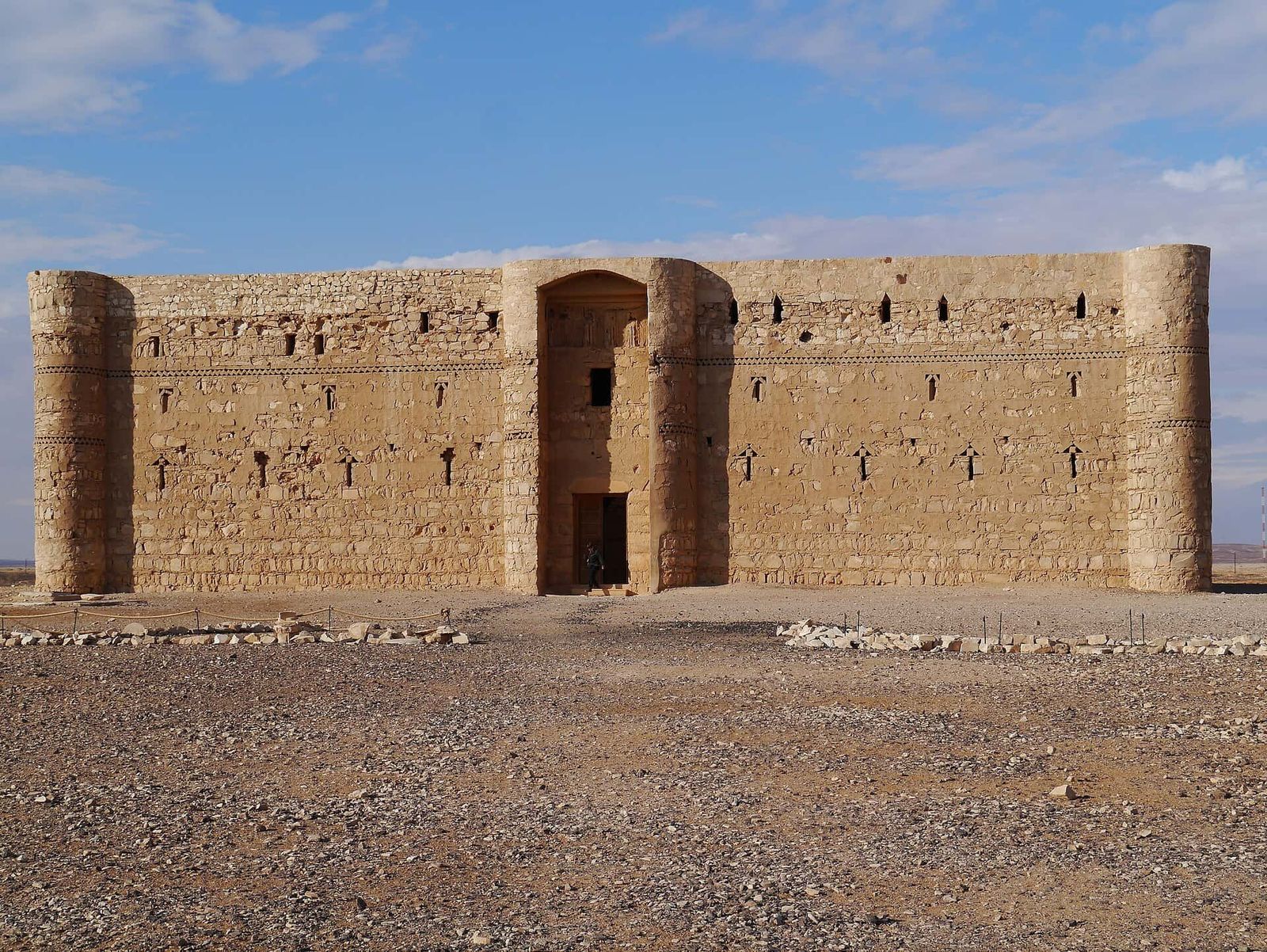
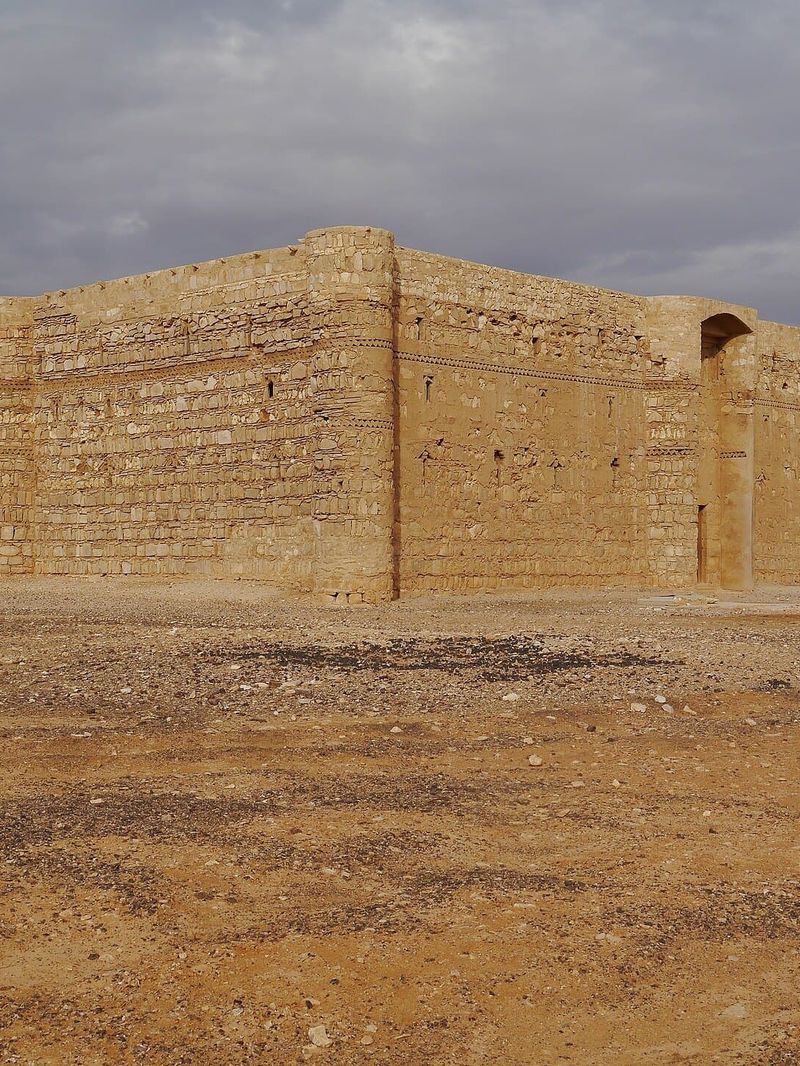
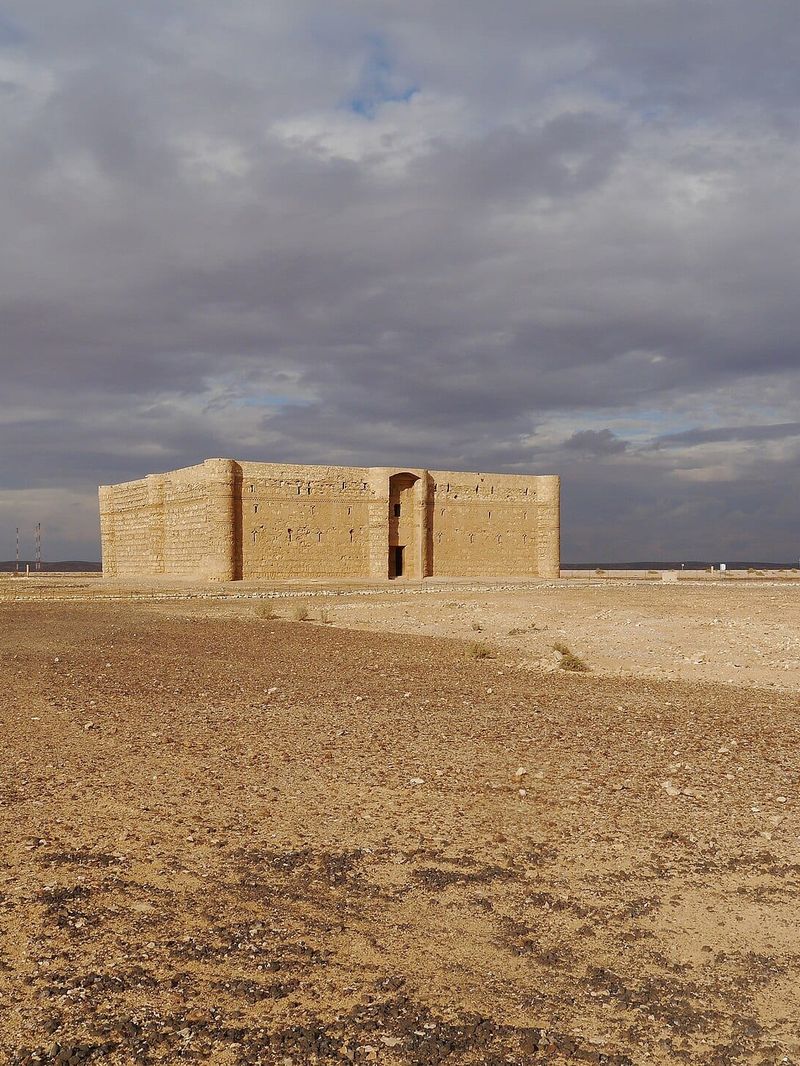
Qasr Kharana, Qasr al-Kharanah, is one of the best-preserved of the Umayyad buildings in the desert east of Amman, a square block standing alone on a bare plain. It has round towers at the corners, half-round towers along the walls and narrow slits in the masonry. Despite the look of a fortress it was not built for defence.
The building
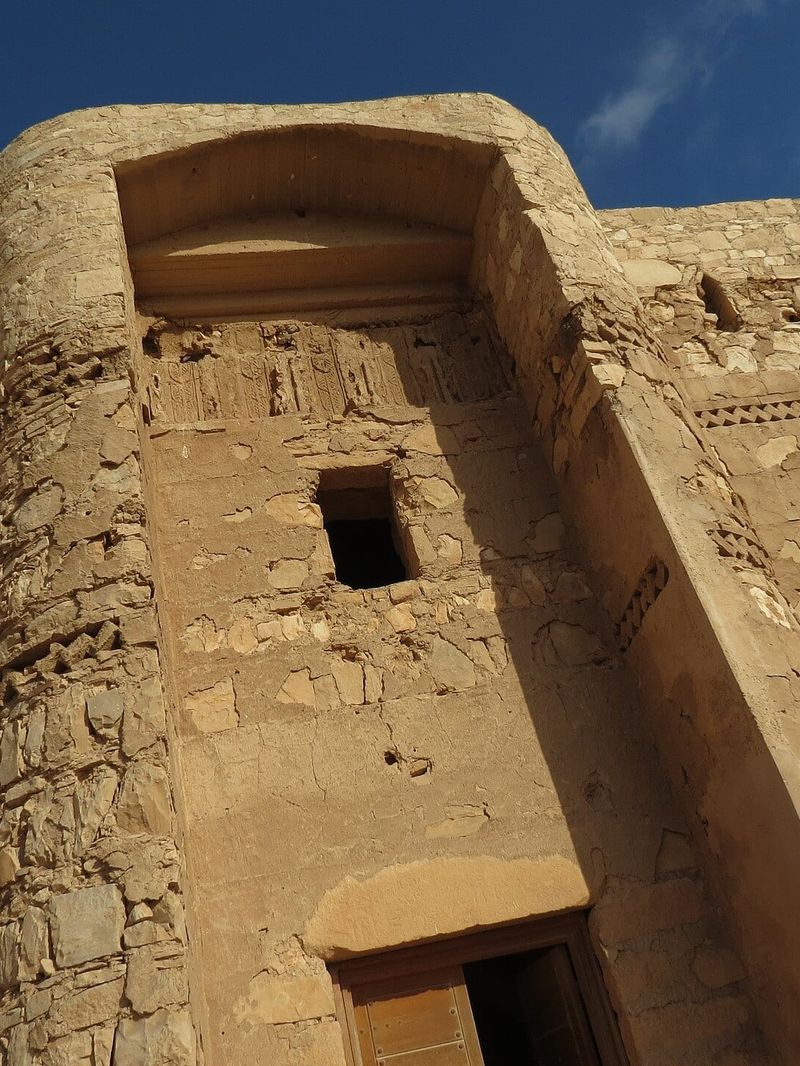
It measures about 35 metres a side and rises two storeys around a central courtyard, with some sixty rooms grouped in suites. The slits in the walls are too high and too narrow for archers. They let in light and air. The upper rooms are decorated with carved stucco rosettes and blind arches. The vaults are fine early Islamic work in stone and plaster.
Date and purpose
An Arabic inscription painted on the plaster of an upper room records a visit in the year 92 of the Hijra, AD 710. That makes Kharana one of the earliest securely dated buildings of the Umayyad period. Scholars generally see it as a place where Umayyad rulers or governors met the Bedouin tribes of the steppe, rather than a military post or a caravan inn.
Visiting
There is a visitor centre by the road. Original staircases on either side of the courtyard lead to the decorated upper floor. Further east on the same highway lies Qusayr Amra.
Exhibo editorial
Walk away from it before you walk in. Two hundred metres out, with the highway gone quiet, it is a stone box on an empty plain. The emptiness is the point. Whoever met here met on open ground in plain view, in a building that shows power without a single soldier on the walls.
Upstairs is the reward. Scalloped stucco, light falling through the tall slits, the painted line of 710 still on the plaster. Someone was here and wanted it known.
Gallery
How to find it
About 60 km east of Amman on Highway 40, on the south side of the road, roughly 15 minutes before Qusayr Amra. Park at the visitor centre. The building is a short walk across the gravel. Take the stairs on either side of the courtyard to the upper rooms.
Similar places
All places
News by Exhibo
Editorial coverage on Exhibo
Filmed, but Not Recorded: The Arab World’s Missing Film Locations
Wikidata knows Gladiator was filmed in Morocco. It doesn’t know where.
Ouarzazate is the second most filmed place in the Middle East and North Africa, yet 25 of its 27 productions are recorded only in Wikipedia prose. We compared filming records worldwide and found that in the Arab world, Wikidata usually knows the country but not the place.
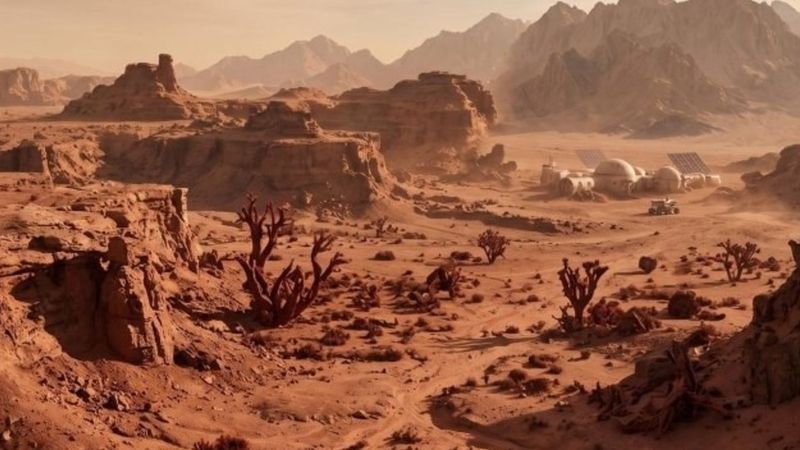
Why Every Sci-Fi Desert Looks Arab
From Arrakis to Tatooine, when a film wants a desert to feel ancient, prophetic and alien, it reaches for an Arab and Berber vocabulary — and reveals more about the West that built it than the region it borrows from.
The wrapped faces, the trilling women, the barely-displaced Arabic: cinema's alien deserts keep sounding Arab. But the vocabulary was assembled in the West — from Orientalist painting to Lawrence to Dune — and it says more about who is looking than about anyone being looked at.
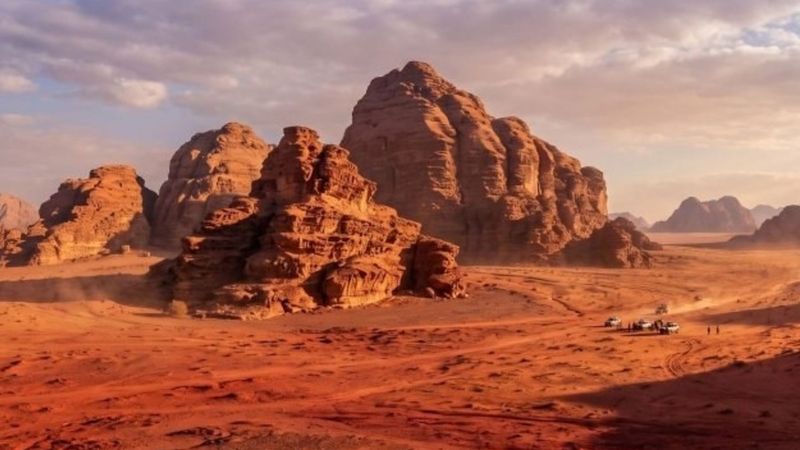
Why Wadi Rum Keeps Playing Mars: A Desert That Is Right About the Wrong Planet
A valley in southern Jordan has become cinema's favourite Mars — not because it is like the planet, but because it looks like the one we carry in our heads.
Put Wadi Rum beside a rover photograph and you can't tell which is Mars. But the desert shares almost nothing with the real planet except its colour — and lately, the illusion has grown powerful enough that real space missions have come to Jordan to rehearse.