Amman Citadel (Jabal al-Qal'a)
A Roman temple, a Byzantine church and an Umayyad palace on the hill where Amman began.
A hill lived on for millennia
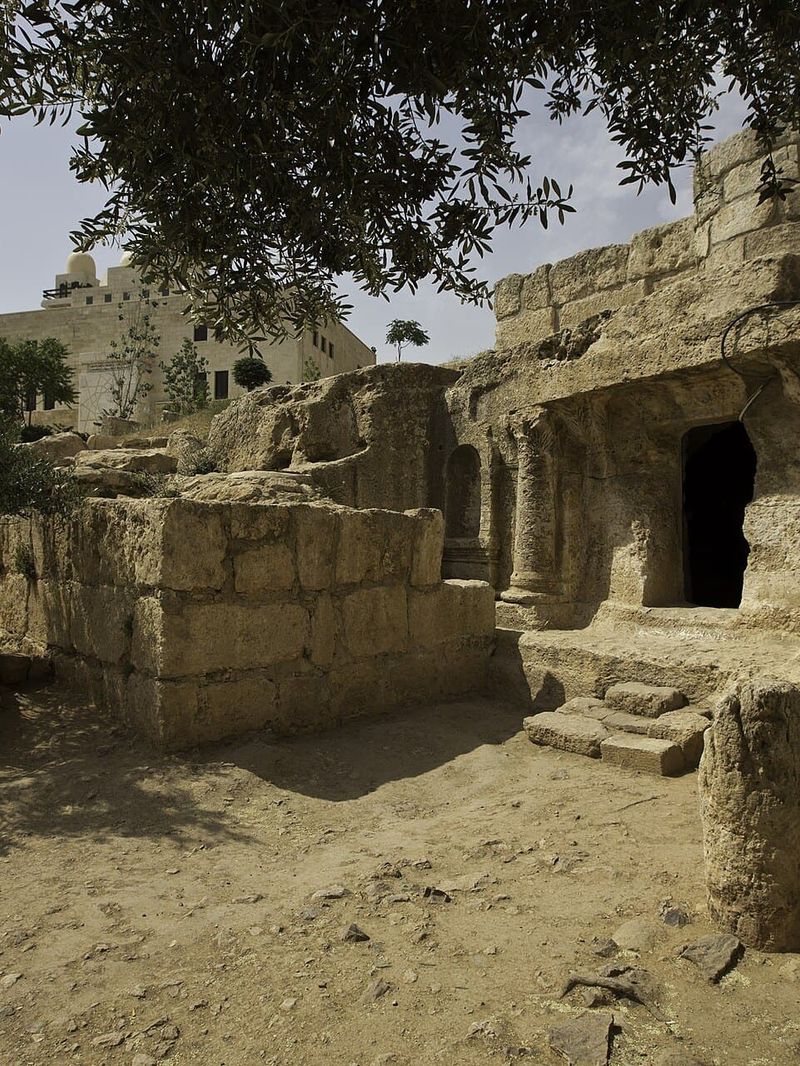
The Amman Citadel, Jabal al-Qal'a, is the L-shaped hill at the historic heart of Amman. People have lived on it since the Neolithic, which makes it one of the longest-inhabited places in the Middle East. In the Iron Age it was Rabbath-Ammon, the walled capital of the Ammonite kingdom. Under Rome the city was renamed Philadelphia and joined the Decapolis, a league of cities of Greek culture east of the Jordan. The hill became its acropolis.
The Roman temple
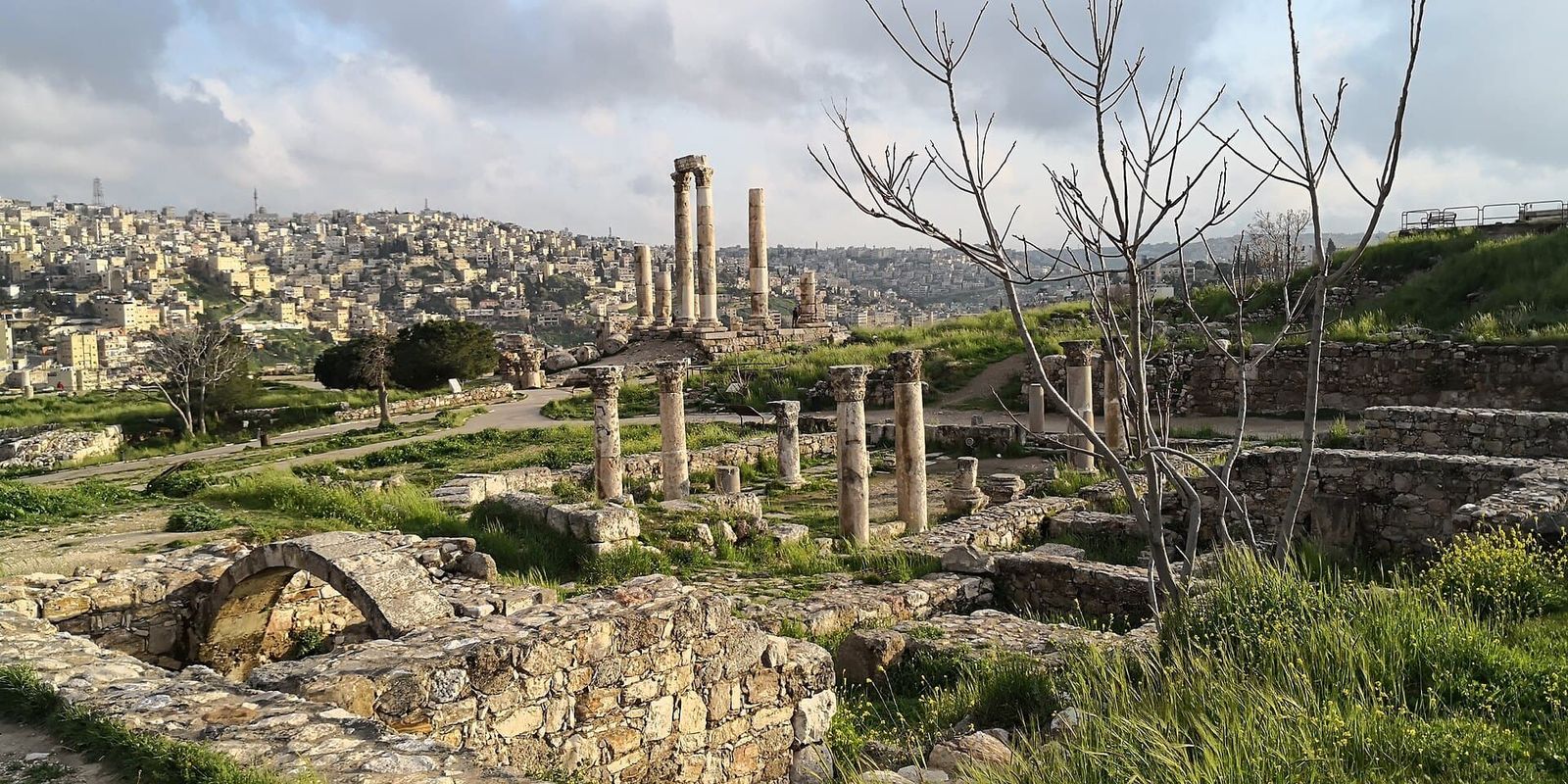
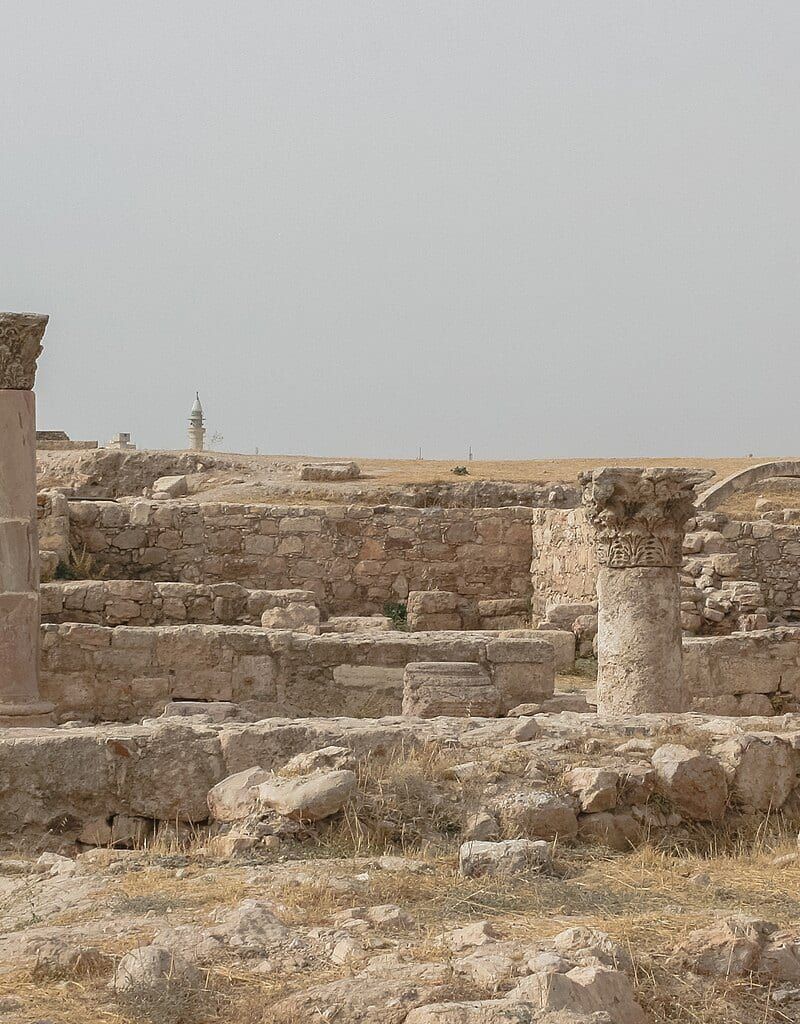
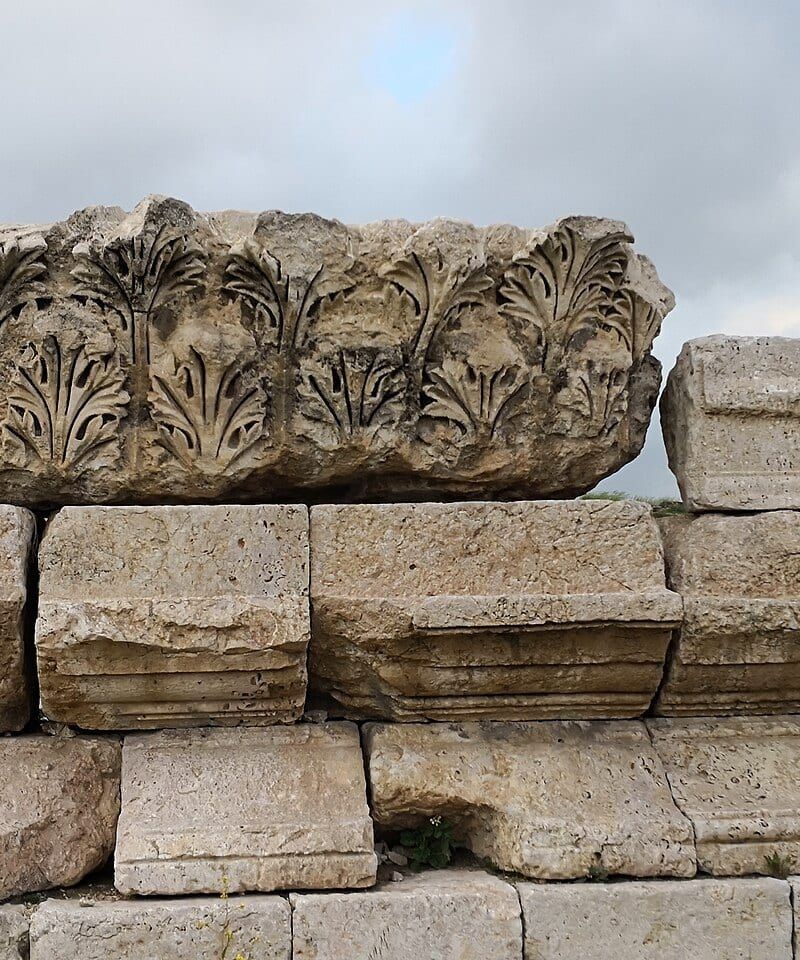
The best-known ruin is the Temple of Hercules, built in the 160s AD under Marcus Aurelius. A few of its Corinthian columns still stand on the southern edge of the hill. Beside them lie pieces of a colossal marble statue: a hand and an elbow. From their size archaeologists put the full figure at more than 12 metres tall, one of the largest marble statues known from the Roman world.
Byzantine and Umayyad Amman
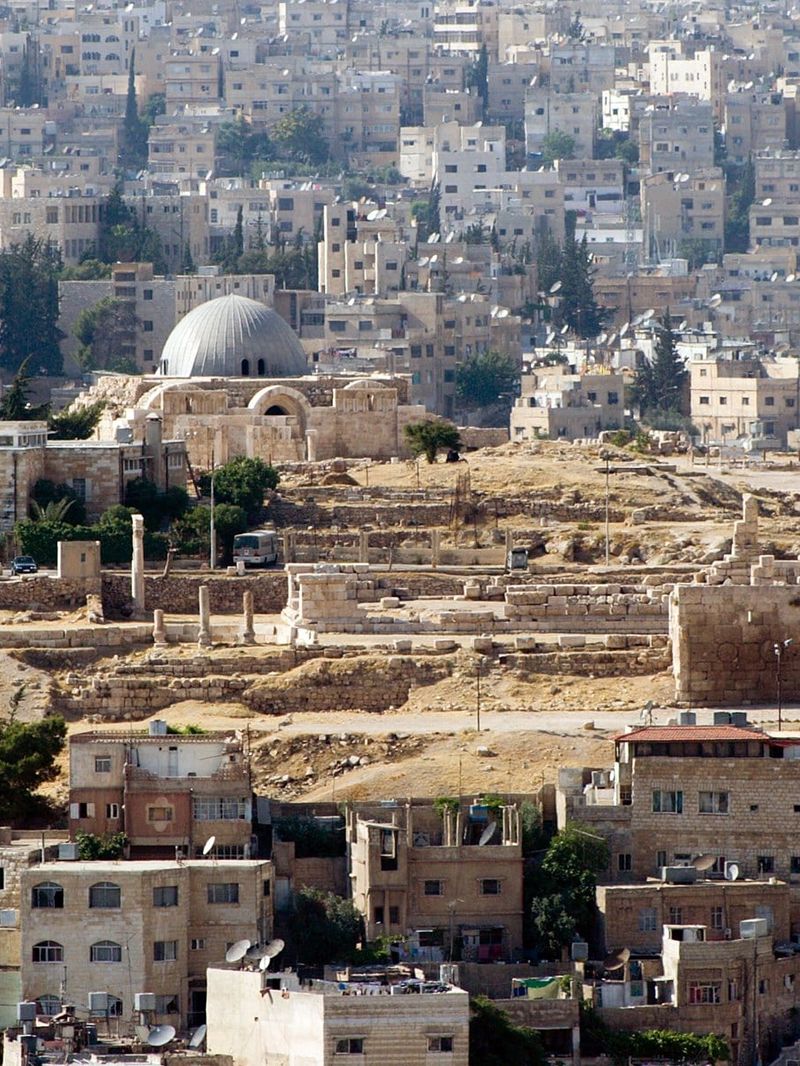
Near the centre of the hill stands a small Byzantine basilica of the sixth century, its columns set back on their bases. To the north lies the Umayyad Palace of the early eighth century. Its domed audience hall was given a new dome by a Spanish restoration team. Around it are a colonnaded street, houses, a bath and a large round cistern that once held the water supply of the hilltop. The great earthquake of 749 brought much of the complex down.
On the hill today
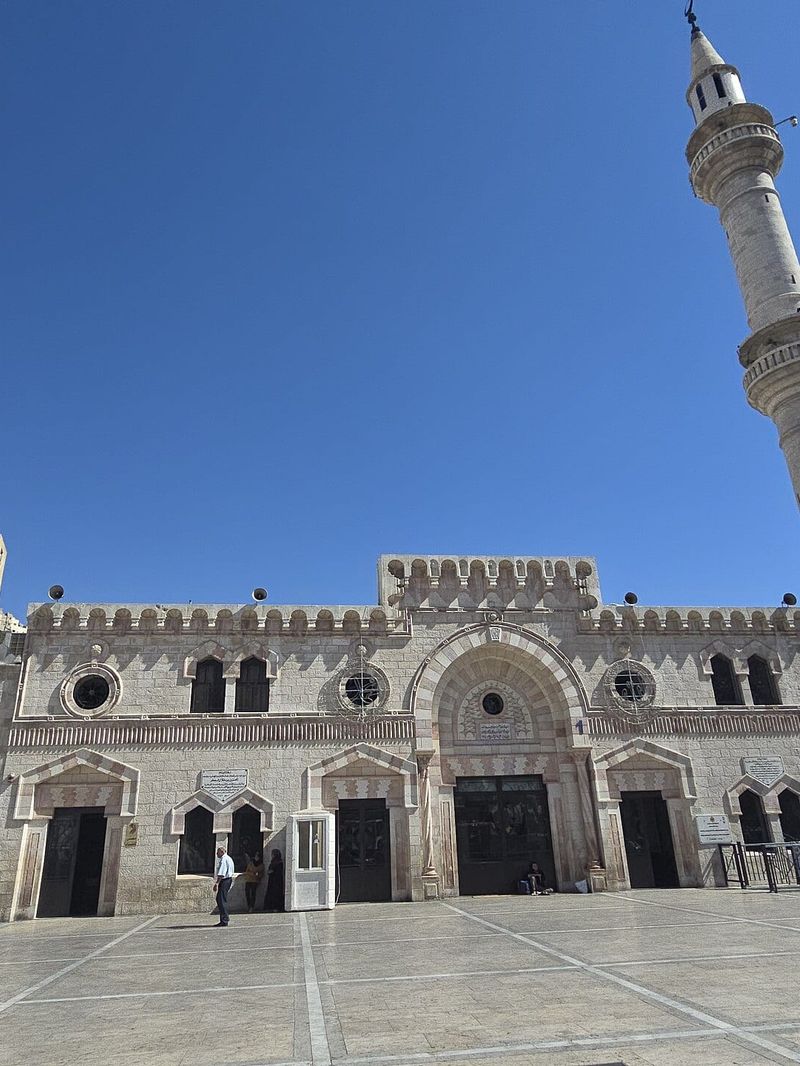
A small archaeological museum on the summit shows finds from sites across Jordan. The Citadel is included in the Jordan Pass. From the southern edge the view drops straight onto the Roman Theatre and across the hills of the old town.
Exhibo editorial
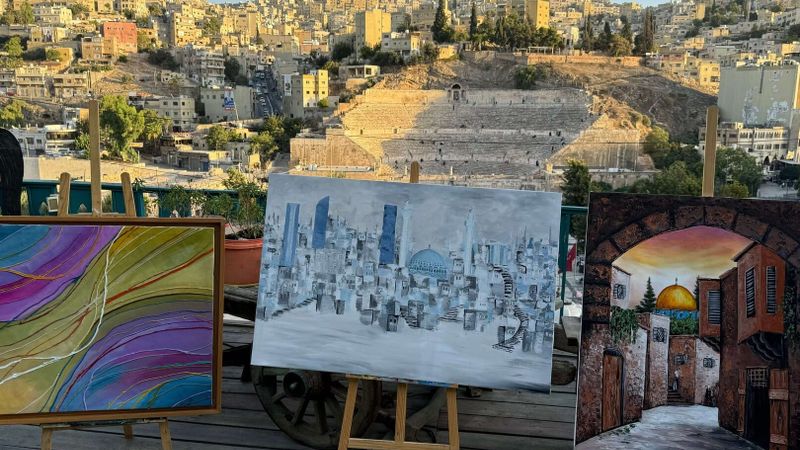
Stand at the railing by the Temple of Hercules and Amman lays itself out below you. The Roman Theatre is cut into the opposite slope. Around it the city climbs hill after hill in the same pale limestone the Romans quarried. As a capital Amman is about a century old. The hill under your feet has been one for three thousand years.
The hand is what people remember. Huge marble fingers lie by the path, attached to nobody. Nobody knows where the rest of the god went. It suits a city that has always built over its past rather than stopped to mourn it.
Gallery
How to find it
Drive or take a taxi up to the ticket office on the eastern side of the hill, with parking beside the entrance. From downtown you can also walk up the stepped lanes from the Roman Theatre side in about 20 minutes. Inside, the Temple of Hercules is straight ahead on the southern edge. The Umayyad Palace and the domed audience hall are at the northern end, past the museum.
Similar places
All places
News by Exhibo
Editorial coverage on Exhibo
Filmed, but Not Recorded: The Arab World’s Missing Film Locations
Wikidata knows Gladiator was filmed in Morocco. It doesn’t know where.
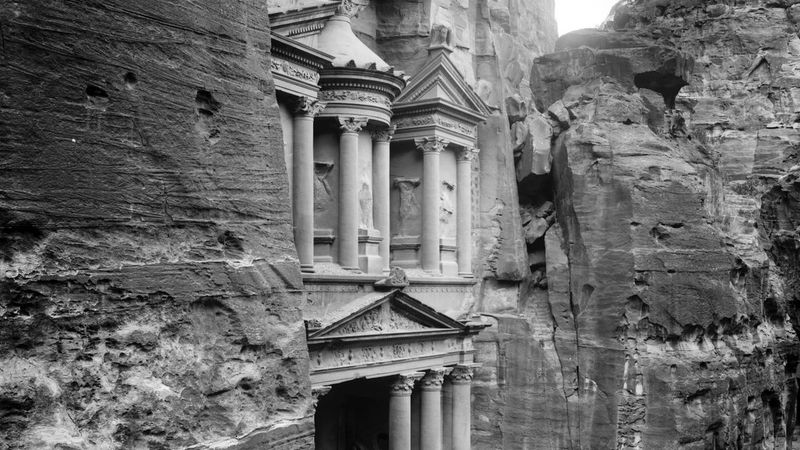
Ouarzazate is the second most filmed place in the Middle East and North Africa, yet 25 of its 27 productions are recorded only in Wikipedia prose. We compared filming records worldwide and found that in the Arab world, Wikidata usually knows the country but not the place.
Why Every Sci-Fi Desert Looks Arab
From Arrakis to Tatooine, when a film wants a desert to feel ancient, prophetic and alien, it reaches for an Arab and Berber vocabulary — and reveals more about the West that built it than the region it borrows from.
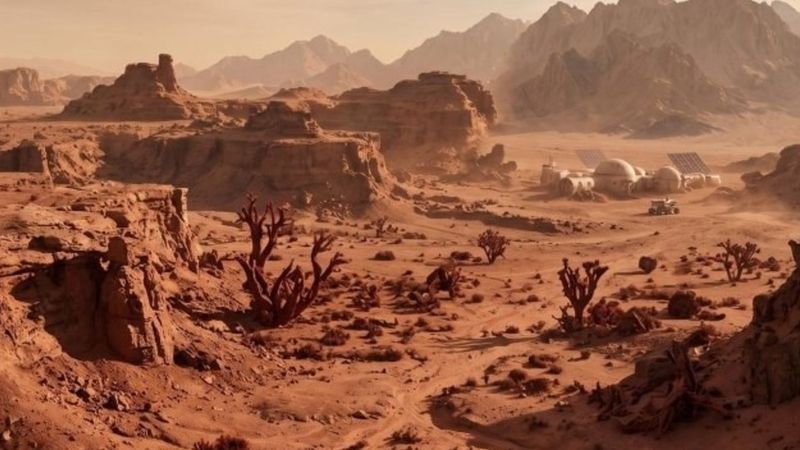
The wrapped faces, the trilling women, the barely-displaced Arabic: cinema's alien deserts keep sounding Arab. But the vocabulary was assembled in the West — from Orientalist painting to Lawrence to Dune — and it says more about who is looking than about anyone being looked at.
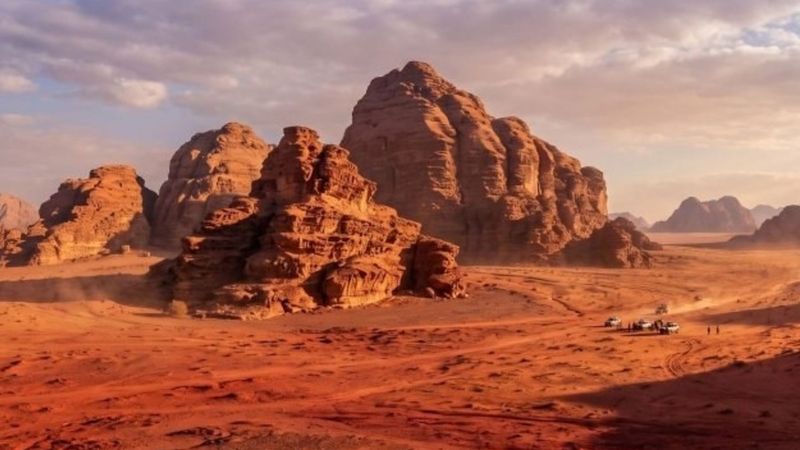
Why Wadi Rum Keeps Playing Mars: A Desert That Is Right About the Wrong Planet
A valley in southern Jordan has become cinema's favourite Mars — not because it is like the planet, but because it looks like the one we carry in our heads.
Put Wadi Rum beside a rover photograph and you can't tell which is Mars. But the desert shares almost nothing with the real planet except its colour — and lately, the illusion has grown powerful enough that real space missions have come to Jordan to rehearse.