Amman

Al Balad (Downtown)

0 galleries · 0 museums · 0 places

About this district

The oldest part of the city, in the valley the hills fold down into. Al Balad is a dense, loud maze of souqs and stone buildings, and it holds Amman's deepest history alongside its most public art. The Citadel rises above it, the Roman Theatre is carved into the hillside below, and in between the streets carry heritage houses, an independent theatre, and the city's living street-art project. This is where antiquity and the contemporary press right up against each other.

Galleries

No published galleries in this district yet.

Museums

No published museums in this district yet.

Places

No published places in this district yet.

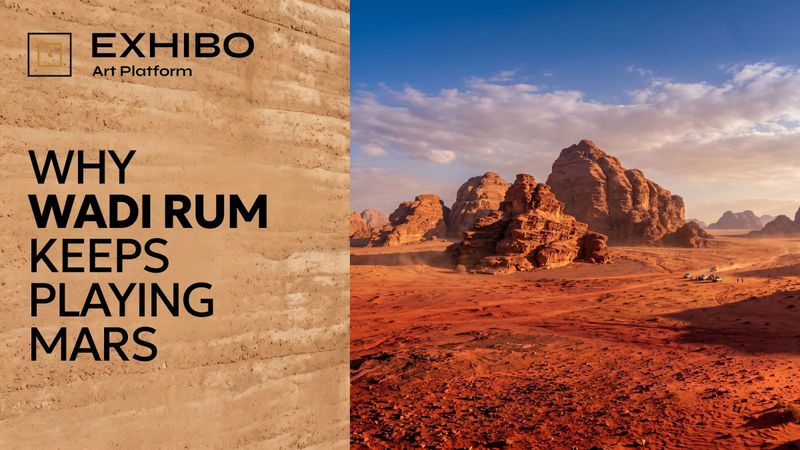
Red sandstone inselbergs rising from the iron-stained valley floor of Wadi Rum, southern Jordan — the desert used as a stand-in for Mars in The Martian and other films.
Editorial

Why Wadi Rum Keeps Playing Mars: A Desert That Is Right About the Wrong Planet

A valley in southern Jordan has become cinema's favourite Mars — not because it is like the planet, but because it looks like the one we carry in our heads.

Put Wadi Rum beside a rover photograph and you can't tell which is Mars. But the desert shares almost nothing with the real planet except its colour — and lately, the illusion has grown powerful enough that real space missions have come to Jordan to rehearse.
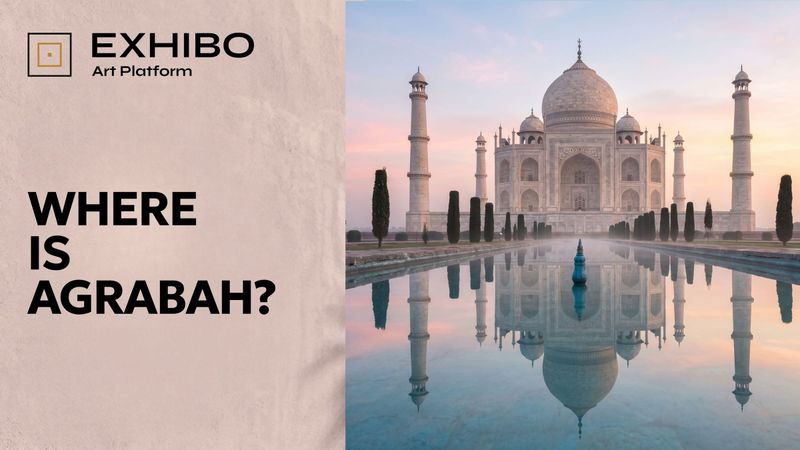
The white marble dome and framing minarets of the Taj Mahal in Agra, mirrored in the still water of its reflecting pool at dawn.
Editorial

Where Is Agrabah? The City Disney Assembled From Real Places

Agrabah was going to be Baghdad. A war made it fictional — and then Disney built it back out of real places, from a tomb in Agra to a valley in Jordan that usually plays Mars.

The Sultan's palace where Princess Jasmine feels trapped has the silhouette of the Taj Mahal — which is not a palace at all, but a tomb. That is how Agrabah works. Disney's fairy-tale city was going to be Baghdad, until the Gulf War made the name impossible; the studio invented a place that could not be found on a map, then quietly rebuilt it out of real ones — Isfahan and Agra, Marrakesh and Mandalay, a Jordanian desert that has played both Arabia and Mars.

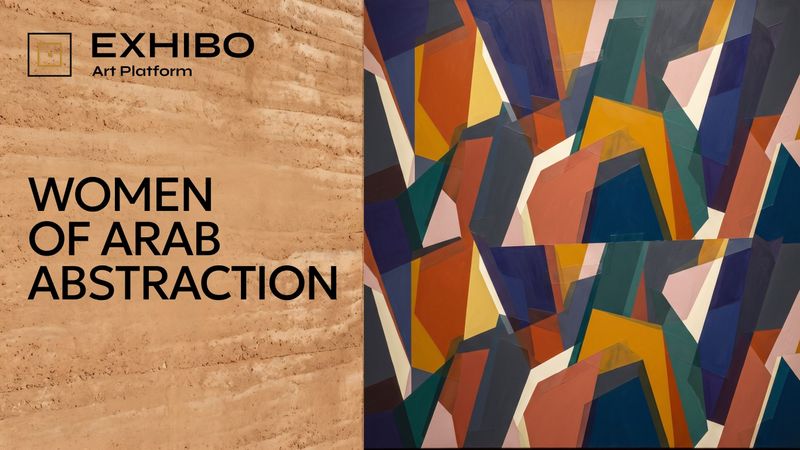
Abstract geometric composition of interlocking angular forms in layered planes of colour.
Editorial

Women of Arab Abstraction

The letter set loose, the line woven, the arabesque the West once threw away — and the women who built modern abstraction out of all three, then got written out of it.

Abstraction is usually told as a Western invention that arrived elsewhere late. Saloua Raouda Choucair, Etel Adnan, Madiha Umar and a room of others tell it differently — often as the only woman in the movement, building modern form from the geometry, craft and calligraphy their own culture already held.

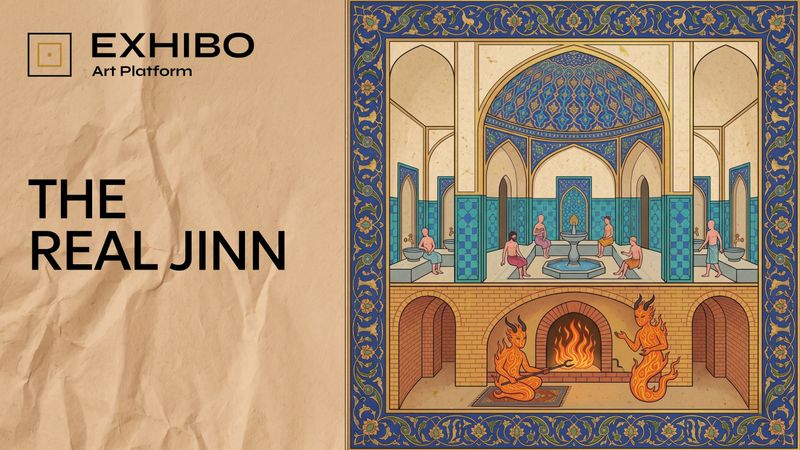
A cross-section of a medieval bathhouse: bathers above, and below them two horned fire spirits tending the furnace that heats the water.
Editorial

The Real Jinn: How the Middle East Imagined Them Before Disney

Seven kings, one for each day of the week. A portrait of Fever. Two spirits keeping a bathhouse warm. What the manuscripts actually show — and what the lamp replaced.

Folio 35v of a manuscript in Oxford shows the public baths at Tiberias in cutaway. Upstairs, people washing. Downstairs, two jinn tending the furnace, mid-conversation. It is not what most of the world expects — and it is much closer to what the unseen was actually understood to be for. A long read across twelve centuries of manuscripts, fieldwork, survey data and horror cinema.