
Umm el-Jimal
A whole town of black basalt houses, churches and stone doors near the Syrian border, a UNESCO site since 2024.
The mother of camels
Umm el-Jimal, the mother of camels, is an ancient town built almost entirely of black basalt on the plain of northern Jordan near the Syrian border. In 2024 UNESCO inscribed it as a World Heritage Site, the seventh in Jordan.
History
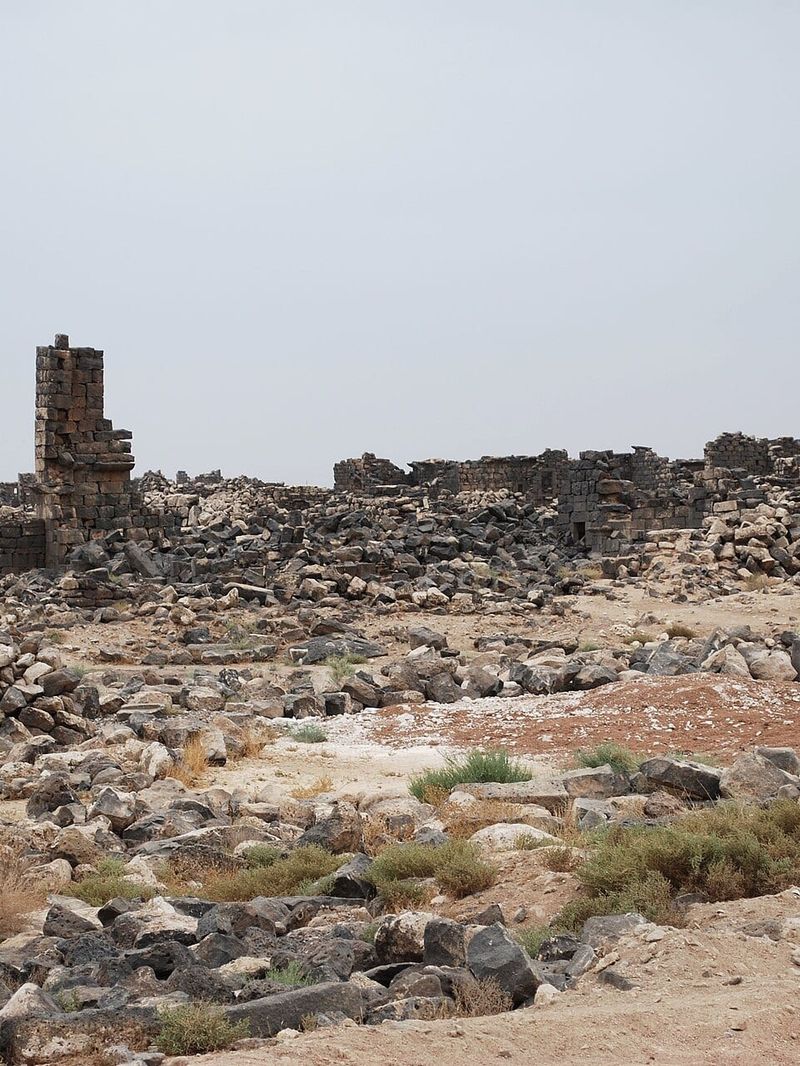
The oldest buildings date to the first century AD, when the area belonged to the Nabataean kingdom. After Rome annexed the region it held a garrison. From the fifth to the eighth century it grew into a prosperous town of farmers and traders on the route between the Hijaz and Damascus. Christian Umm el-Jimal built at least fifteen churches. Life went on under the Umayyads, who added a mosque. The earthquake of 749 hastened its decline. The ruins stood almost empty until a Jordanian village grew up around them in the twentieth century.
Houses of stone
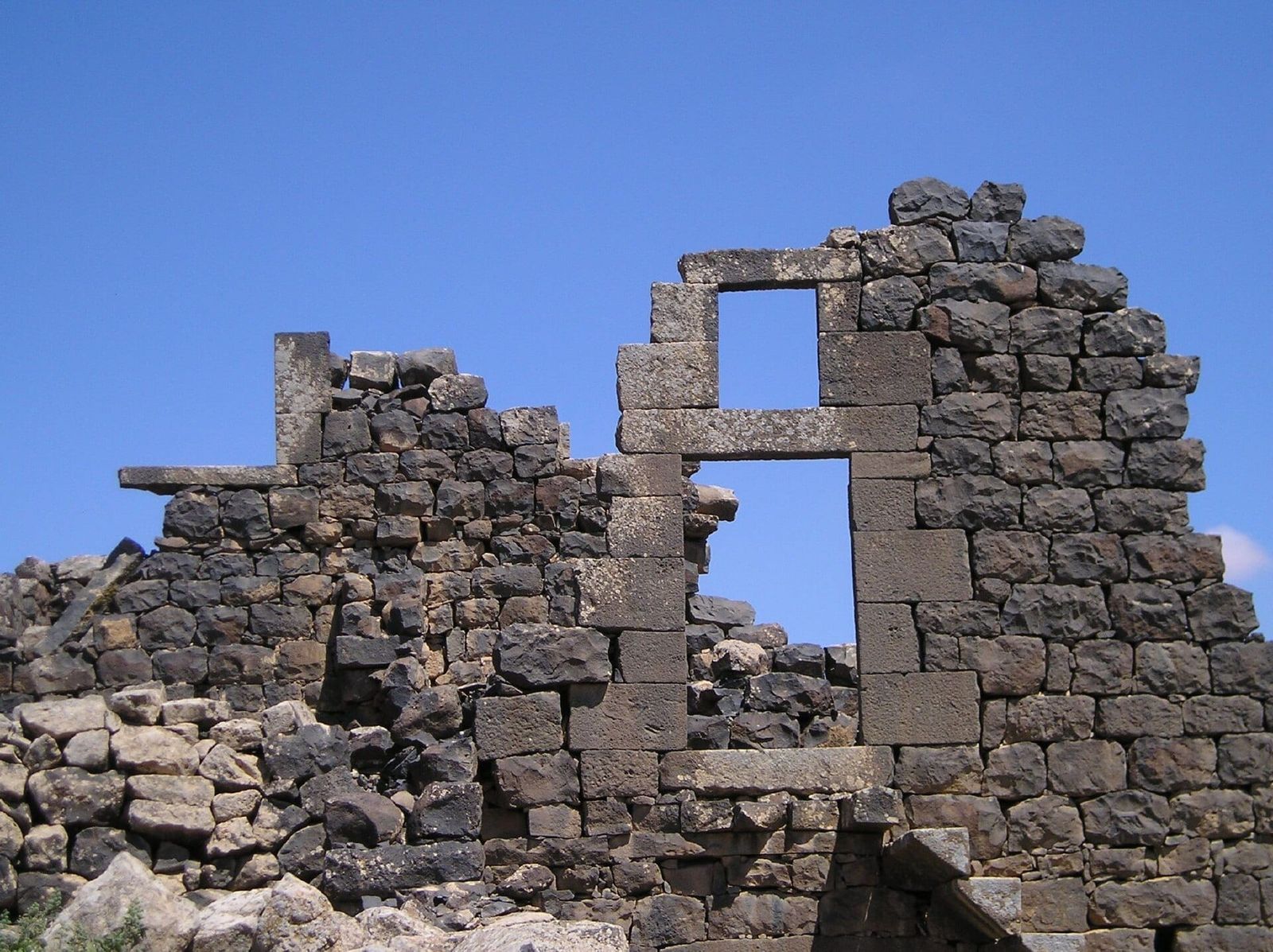
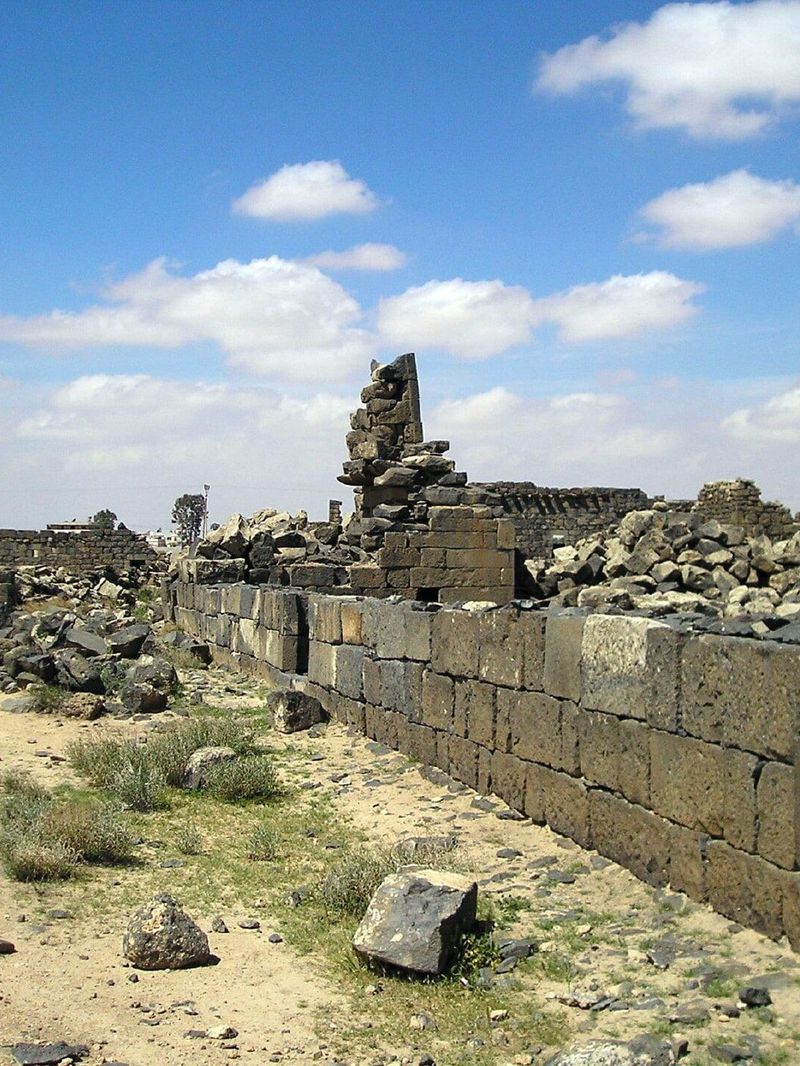
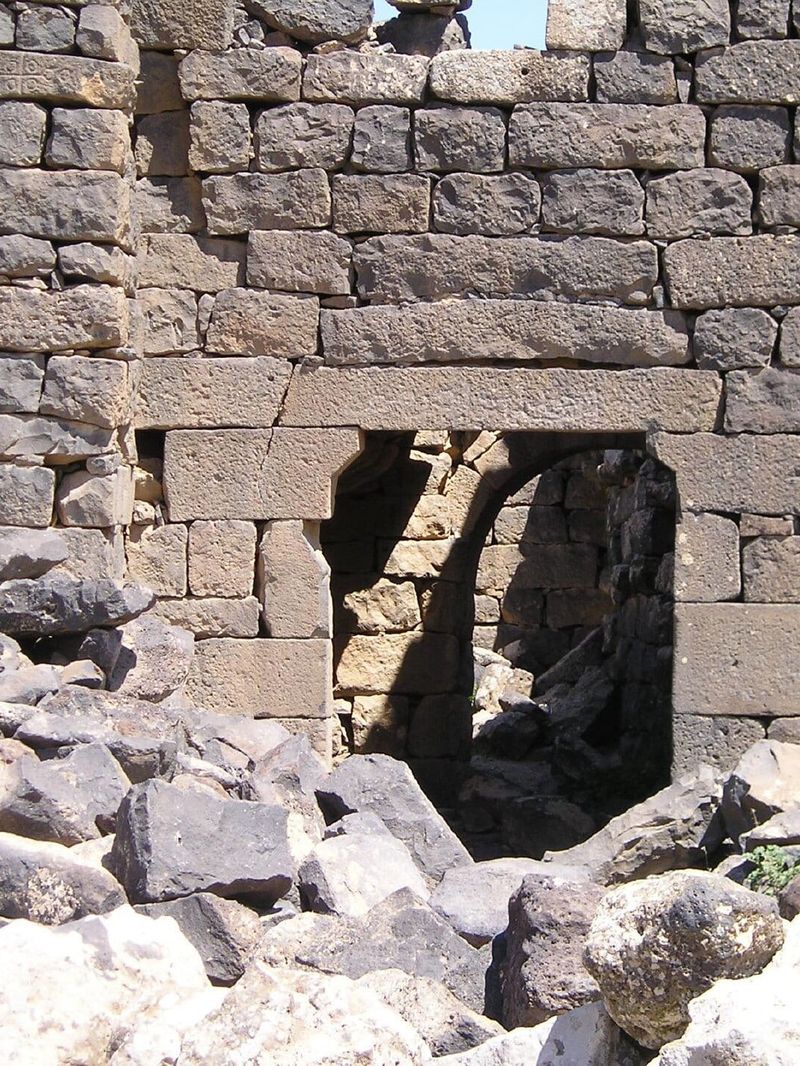
Some 150 houses survive, many still two or three storeys high, along winding lanes and courtyards. Wood was scarce, so builders roofed rooms with long basalt beams laid on corbels and arches. They made stairs, doors and even window shutters of stone. Among the highlights are the Roman barracks with its tower, the Julianos church, the West Church, the Praetorium and a system of reservoirs and channels that stored winter rain.
Research and visiting
The Umm el-Jimal Project, founded by Bert de Vries, has studied the site since 1972 together with the local community. A visitor centre stands at the edge of the ruins. A full visit takes two to three hours.
Exhibo editorial
Most ancient towns look excavated. Umm el-Jimal looks evacuated, as if people left last century rather than thirteen centuries ago. Doorframes still hold doors, stairs still climb to upper floors, a stone shutter still sits in its window.
Nobody planned it as a ruin to be visited, so there is no set route. Houses, churches, cisterns and the barracks sit wherever families and soldiers put them. Come in the late afternoon, walk without a plan and let the town assemble itself around you.
Gallery
How to find it
About 90 minutes north-east of Amman via Zarqa and Mafraq, then east towards the Syrian border. The ruins sit in and around the modern village. Park at the visitor centre on the southern edge and start from the Roman barracks. Stay on the marked visitor routes, as the border is close.
Similar places
All places
News by Exhibo
Editorial coverage on Exhibo
Filmed, but Not Recorded: The Arab World’s Missing Film Locations
Wikidata knows Gladiator was filmed in Morocco. It doesn’t know where.
Ouarzazate is the second most filmed place in the Middle East and North Africa, yet 25 of its 27 productions are recorded only in Wikipedia prose. We compared filming records worldwide and found that in the Arab world, Wikidata usually knows the country but not the place.
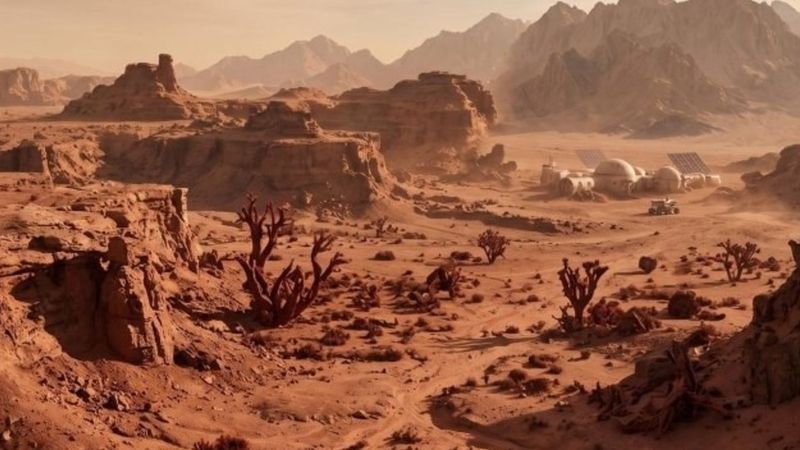
Why Every Sci-Fi Desert Looks Arab
From Arrakis to Tatooine, when a film wants a desert to feel ancient, prophetic and alien, it reaches for an Arab and Berber vocabulary — and reveals more about the West that built it than the region it borrows from.
The wrapped faces, the trilling women, the barely-displaced Arabic: cinema's alien deserts keep sounding Arab. But the vocabulary was assembled in the West — from Orientalist painting to Lawrence to Dune — and it says more about who is looking than about anyone being looked at.
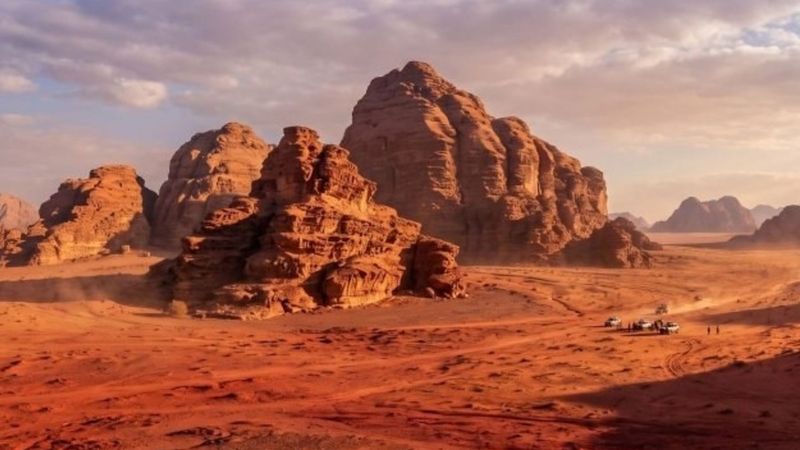
Why Wadi Rum Keeps Playing Mars: A Desert That Is Right About the Wrong Planet
A valley in southern Jordan has become cinema's favourite Mars — not because it is like the planet, but because it looks like the one we carry in our heads.
Put Wadi Rum beside a rover photograph and you can't tell which is Mars. But the desert shares almost nothing with the real planet except its colour — and lately, the illusion has grown powerful enough that real space missions have come to Jordan to rehearse.