
Hammam as-Sarah
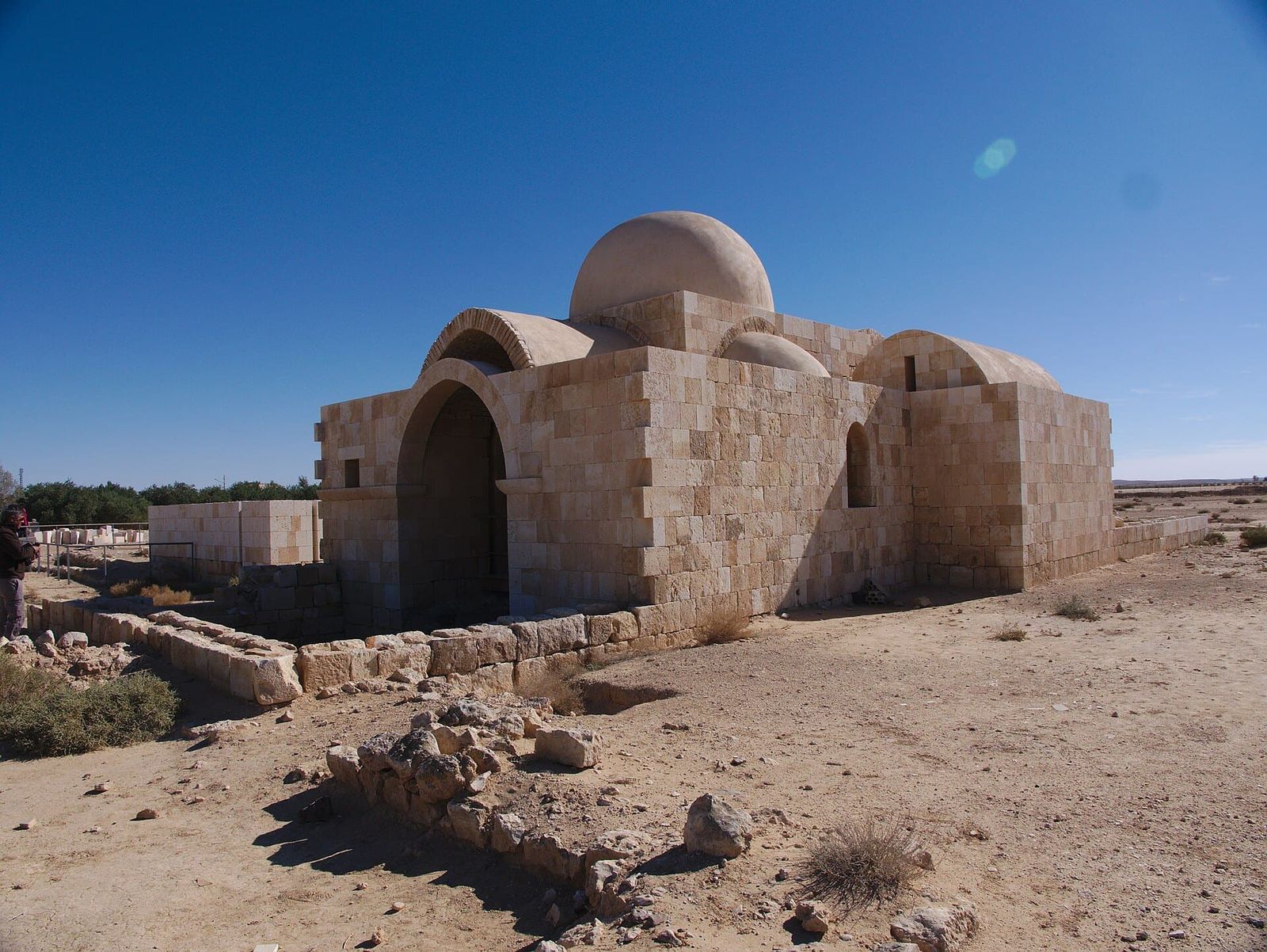
A small Umayyad bathhouse in the steppe with its domed hot room and underfloor heating still in place.
The bath of the estate
Hammam as-Sarah is an Umayyad bathhouse of the early eighth century a few kilometres east of Qasr al-Hallabat, built to serve the palace estate. It is one of the best-preserved baths of the Umayyad desert buildings.
The building
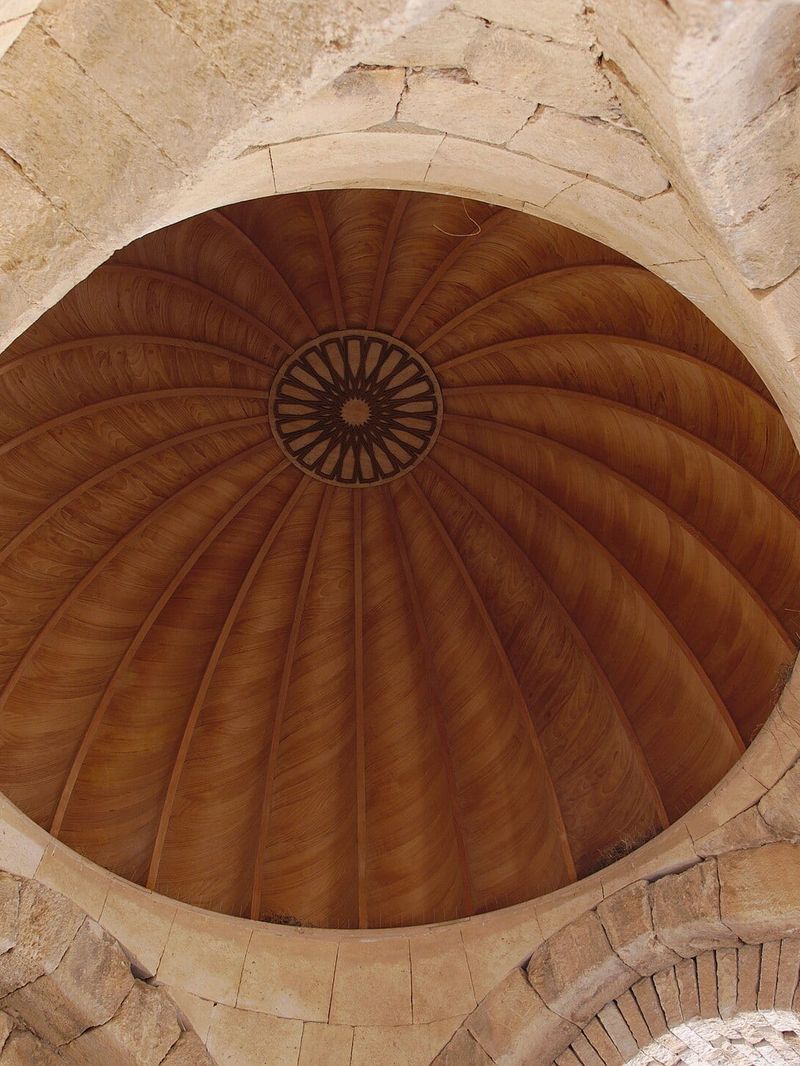
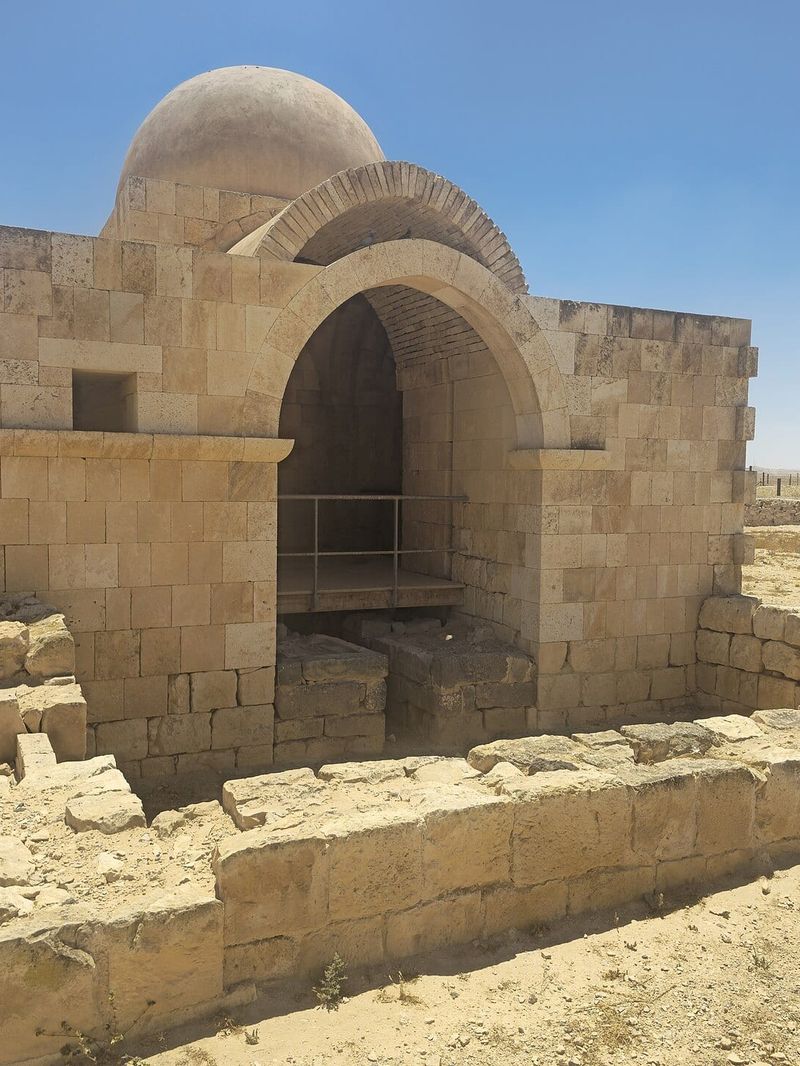
It follows the same plan as Qusayr Amra: an audience hall, then a changing room, a warm room and a hot room. The domed hot room survives almost whole. The hypocaust is clearly visible. The floor was raised on small stacks of stone through which hot air from the furnace passed. The furnace itself is still there. Beside the bath is a deep well with a system for lifting water by animal power, which fed the bath through channels and a tank.
Restoration
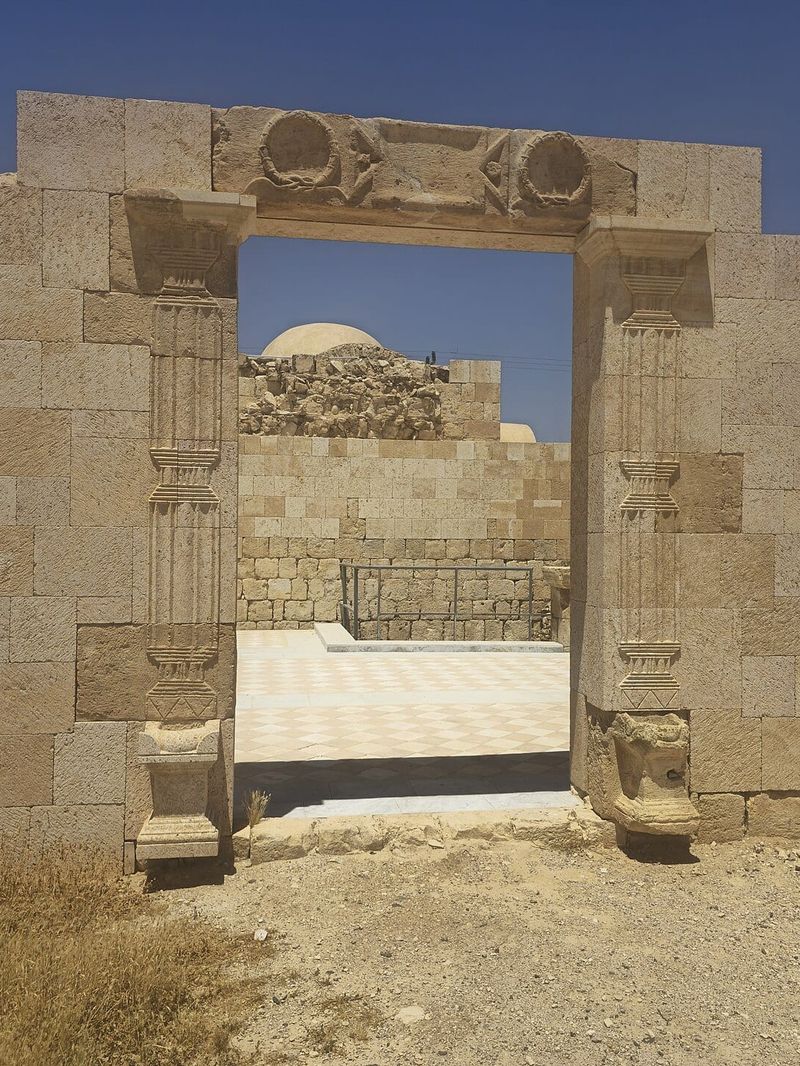
The bathhouse was rebuilt in the 1980s with its own original stones. It is visited together with Qasr al-Hallabat.
Exhibo editorial
Crouch by the hypocaust. The little stone stacks under the floor hold the whole secret of Umayyad comfort: fire, air and a great deal of labour, so someone could lie in warm steam while the wind blew dust across the plain outside.
It is a small building in a wide empty landscape. A bath in the desert says something about water and about power. The Umayyads brought the habits of the city out to the steppe and built them in stone.
Gallery
How to find it
A short drive east of Qasr al-Hallabat on the same road. It is signposted, with a small parking area beside the bathhouse.
Similar places
All places
News by Exhibo
Editorial coverage on Exhibo
Filmed, but Not Recorded: The Arab World’s Missing Film Locations
Wikidata knows Gladiator was filmed in Morocco. It doesn’t know where.
Ouarzazate is the second most filmed place in the Middle East and North Africa, yet 25 of its 27 productions are recorded only in Wikipedia prose. We compared filming records worldwide and found that in the Arab world, Wikidata usually knows the country but not the place.
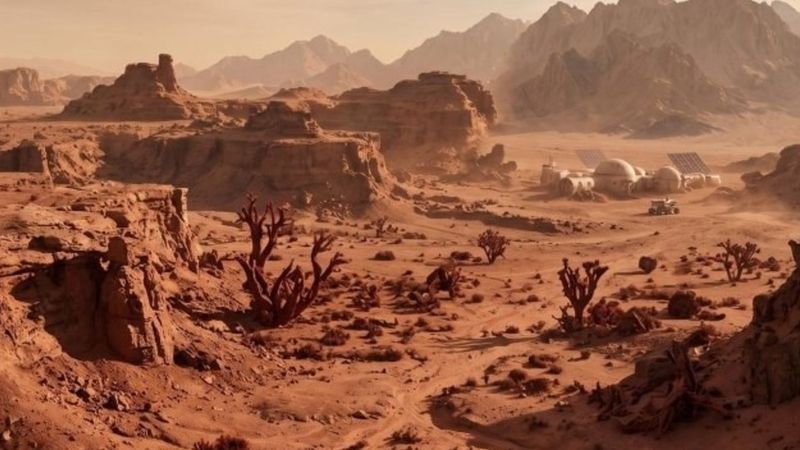
Why Every Sci-Fi Desert Looks Arab
From Arrakis to Tatooine, when a film wants a desert to feel ancient, prophetic and alien, it reaches for an Arab and Berber vocabulary — and reveals more about the West that built it than the region it borrows from.
The wrapped faces, the trilling women, the barely-displaced Arabic: cinema's alien deserts keep sounding Arab. But the vocabulary was assembled in the West — from Orientalist painting to Lawrence to Dune — and it says more about who is looking than about anyone being looked at.
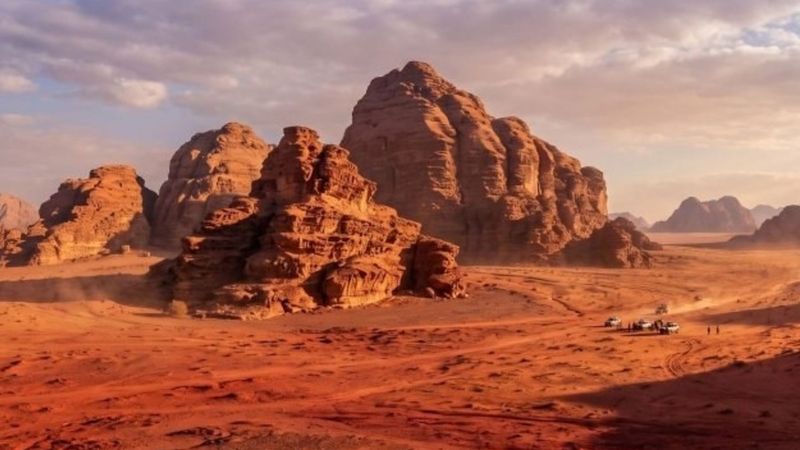
Why Wadi Rum Keeps Playing Mars: A Desert That Is Right About the Wrong Planet
A valley in southern Jordan has become cinema's favourite Mars — not because it is like the planet, but because it looks like the one we carry in our heads.
Put Wadi Rum beside a rover photograph and you can't tell which is Mars. But the desert shares almost nothing with the real planet except its colour — and lately, the illusion has grown powerful enough that real space missions have come to Jordan to rehearse.