
Qasr al-Hallabat
A Roman frontier fort turned into an Umayyad country palace, built of black basalt and pale limestone.
From fort to palace
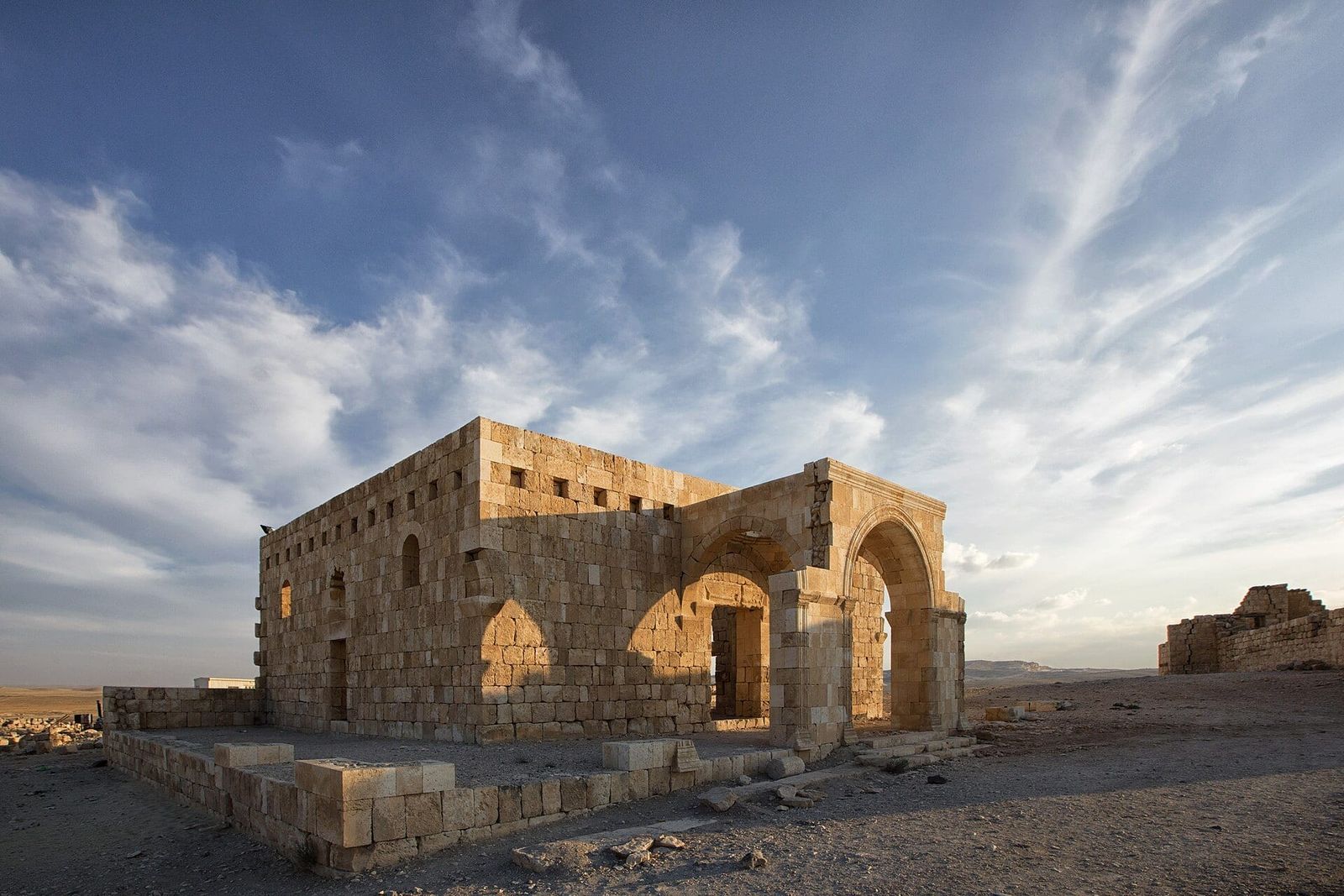
Qasr al-Hallabat is a palace complex north-east of Zarqa that began as a Roman fort on the eastern frontier of the empire. Under the Byzantines it remained a military post. In the early eighth century the Umayyads turned it into a rich residence at the centre of a farming estate.
The building
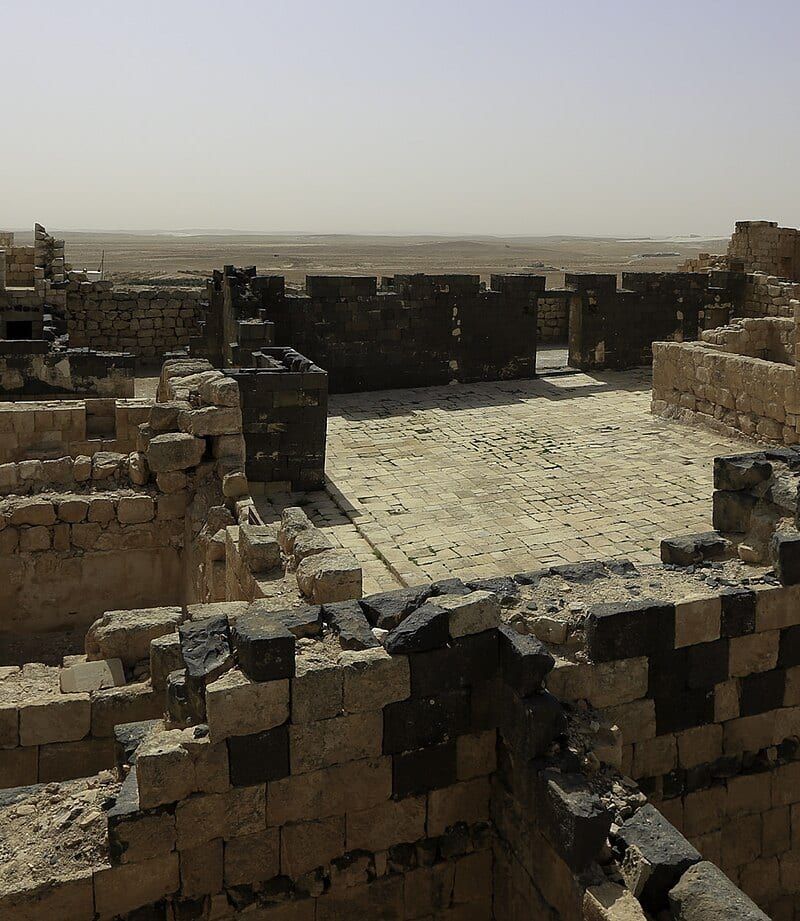
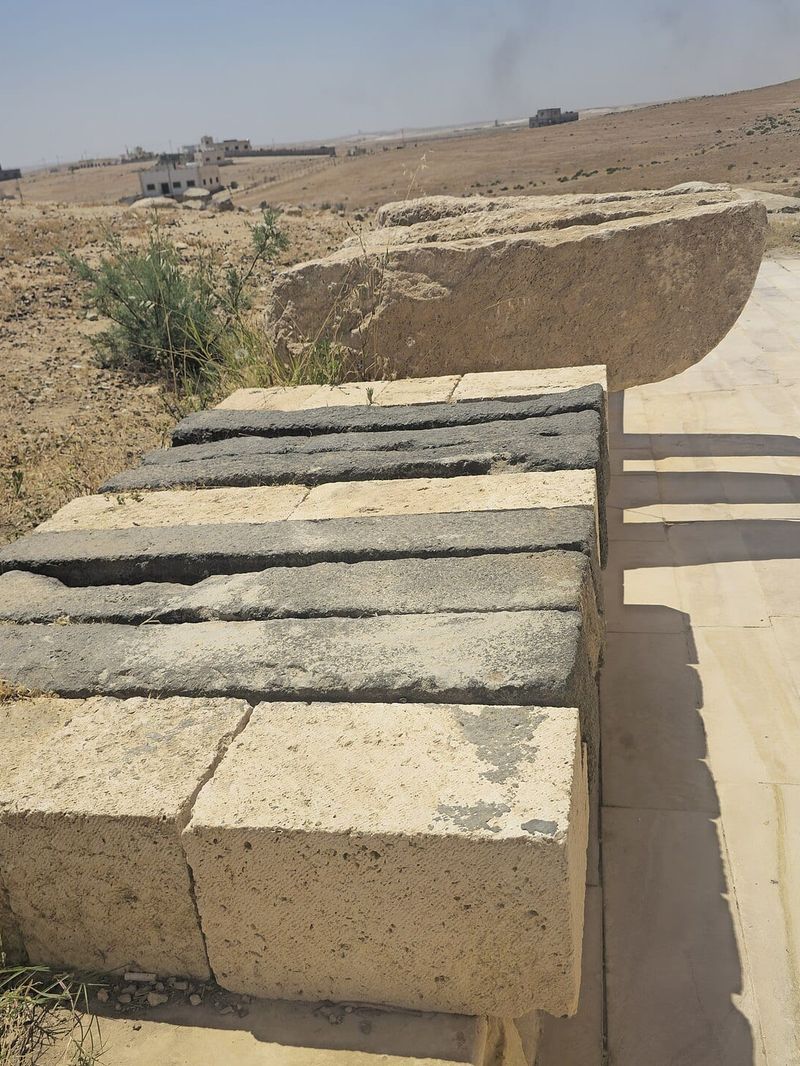
The square plan of the fort with its corner towers can still be read, built in alternating courses of limestone and black basalt. The Umayyads rebuilt the interior with decorated rooms, mosaic floors with geometric patterns and animals, carved stucco and painted plaster. Greek inscriptions from the Roman and Byzantine phases were reused in the walls, some of them set upside down. A small Umayyad mosque stands just outside. A large reservoir and cisterns supplied the estate with water.
Visiting
A visitor centre below the palace has a small museum of finds from the site. The bathhouse of Hammam as-Sarah lies a few kilometres to the east and is usually seen on the same visit.
Exhibo editorial
This is the desert castle that shows how the others came to be. First a Roman soldier's fort, then an Umayyad patron's estate built inside it, mosaics laid over barracks. Both phases live in the same wall, where black basalt and pale limestone alternate like a barcode.
Look for the blocks with Greek inscriptions built into the masonry at random. The Umayyad builders needed stone, not history. The palace is stitched together from the empire it replaced.
Gallery
How to find it
About 60 km north-east of Amman via Zarqa. Follow the signs for Hallabat from the Zarqa to Mafraq road. Park at the visitor centre below the palace, see the museum, then walk up the path.
Similar places
All places
News by Exhibo
Editorial coverage on Exhibo
Filmed, but Not Recorded: The Arab World’s Missing Film Locations
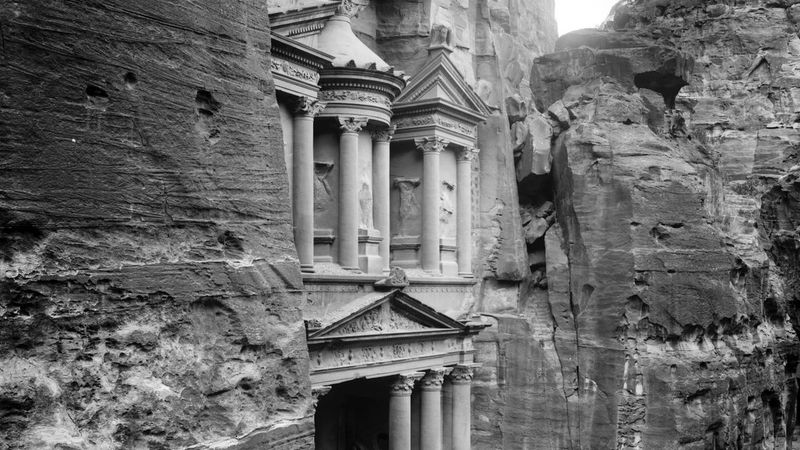
Wikidata knows Gladiator was filmed in Morocco. It doesn’t know where.
Ouarzazate is the second most filmed place in the Middle East and North Africa, yet 25 of its 27 productions are recorded only in Wikipedia prose. We compared filming records worldwide and found that in the Arab world, Wikidata usually knows the country but not the place.
Why Every Sci-Fi Desert Looks Arab
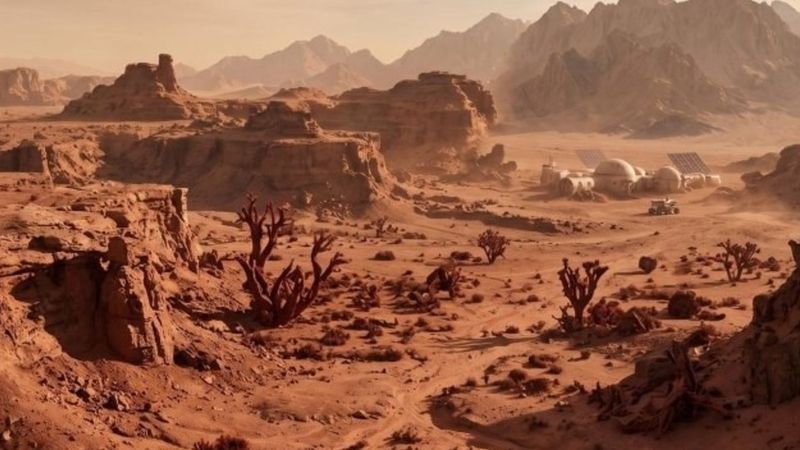
From Arrakis to Tatooine, when a film wants a desert to feel ancient, prophetic and alien, it reaches for an Arab and Berber vocabulary — and reveals more about the West that built it than the region it borrows from.
The wrapped faces, the trilling women, the barely-displaced Arabic: cinema's alien deserts keep sounding Arab. But the vocabulary was assembled in the West — from Orientalist painting to Lawrence to Dune — and it says more about who is looking than about anyone being looked at.
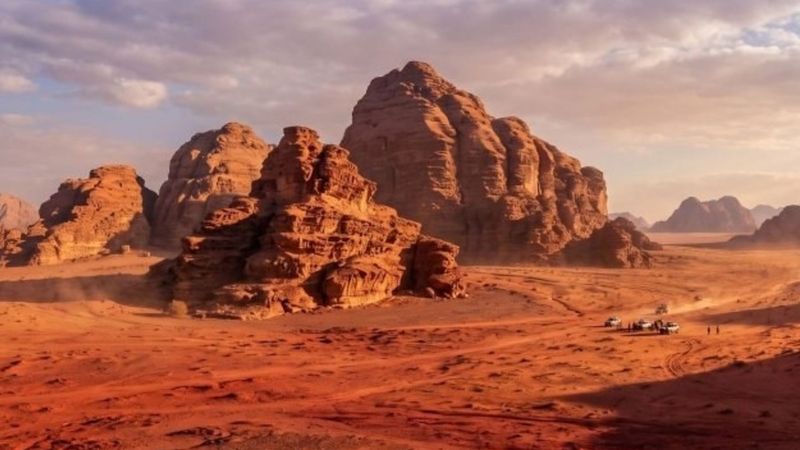
Why Wadi Rum Keeps Playing Mars: A Desert That Is Right About the Wrong Planet
A valley in southern Jordan has become cinema's favourite Mars — not because it is like the planet, but because it looks like the one we carry in our heads.
Put Wadi Rum beside a rover photograph and you can't tell which is Mars. But the desert shares almost nothing with the real planet except its colour — and lately, the illusion has grown powerful enough that real space missions have come to Jordan to rehearse.