Art Techniques & Materials
What fresco actually is, why oil beat tempera, how a bronze gets from clay to foundry, what makes a giclée different from a poster. Each medium has a chemistry, a working method, and a way of failing. The making, in detail.
Making, not collecting
These guides follow materials and processes: what goes into the work, how it is applied, who pushed the method, and how it fails in a studio or a museum store. They are written for searchers who want a technique named and explained, not a shopping list or a market essay. Collecting advice, print edition jargon, and Gulf craft deep-dives live in editorial series elsewhere.
What belongs here
Collage, mosaic, fresco, giclée, oil and acrylic, gouache, printmaking types, impasto, diptych and triptych formats, mixed media, digital art, painting supports, lost-wax bronze, and encaustic each get a page. The structure is consistent: definition, chemistry or materials, step-by-step process, historical development, named masters, degradation and conservation notes, and what the method costs to do properly today where that is knowable.
Sibling vocabulary pages in the Elements and Principles of Art series define line, form, texture and the rest. When a technique name also names a visual effect (impasto as crust, fresco as matte wall colour), the vocabulary page points here for the recipe. Printmaking history as a timeline sits with art-history period essays; this cluster names the processes (etching, lithography, screenprint) without retelling the whole chronology.
Fences readers should expect
Islamic geometry and calligraphy as contemporary MENA craft belong with editorial craft series, not as a substitute for mosaic technique. NFTs and crypto-art markets belong with the digital-art movements cluster. Conservation science deep-dives belong with the conservation series; here you get enough failure mode to read a label, not a full treatment report. Bronze casting stops at the foundry process; sculpture collecting is editorial.
How to use these guides
Read with a picture or object in front of you. Tables compare stages, materials and typical faults, not prices. Internal links point to this hub, to sibling technique pages, and to Exhibo’s museums directory when a collection holds a work named in the text. British spelling in the body; American variants appear in FAQs only where US searchers actually type them.
The tone is workshop-clear without turning into a supplier catalogue. Named works beat generic stock diagrams. When two institutions disagree on a date or attribution, the text says so.
Articles in this series
- GuideTechniques
What Is Collage?
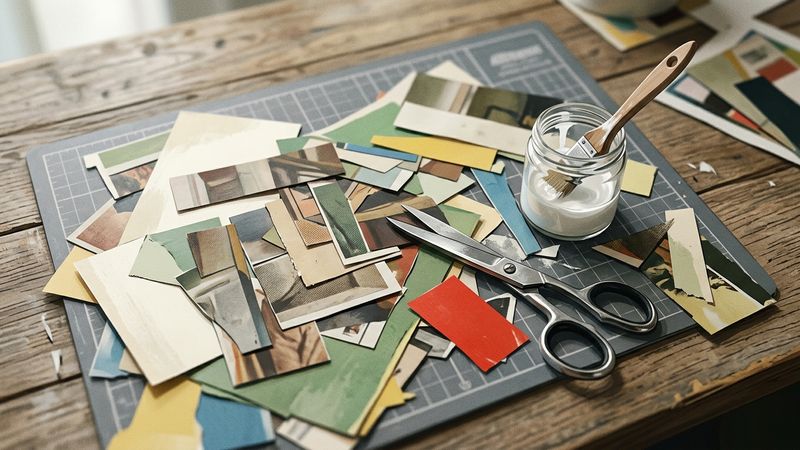
Cut paper, glue and found print on a support: how collage works as technique and object, from Cubist papiers collés to digital layers
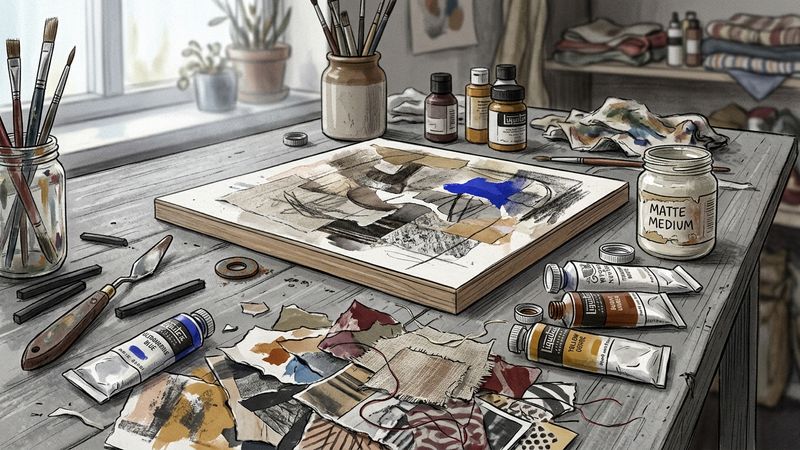
Collage glues fragments of the visible world into a new picture plane. This guide defines the technique against photomontage and assemblage, traces paper chemistry and adhesives, walks a studio sequence from support to seal, reads six museum works from Picasso to Bearden, and notes how acidic glue and cheap print stock fail in storage.
- GuideTechniques
What Is Mosaic?
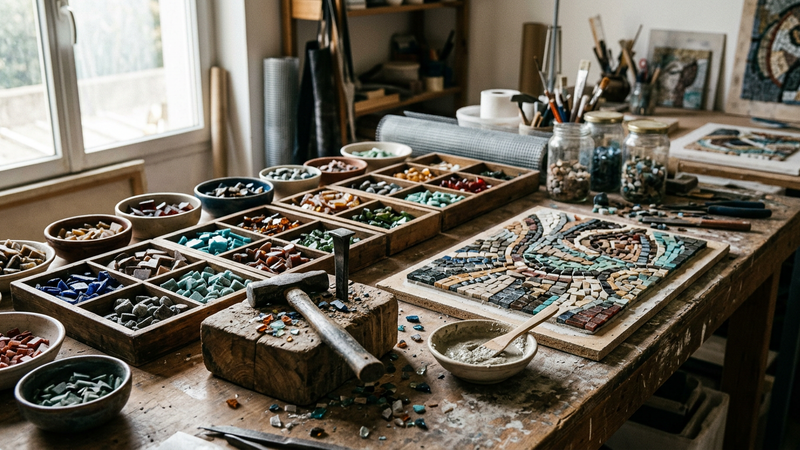
Tesserae, mortar, and andamento: how mosaicists build durable pictures in stone and glass, from Roman floors to Byzantine walls.
Mosaic in art is a surface built from small set pieces (tesserae) fixed in mortar or adhesive. This guide covers materials, direct and indirect methods, opus and andamento, six museum examples, failure modes, and what a serious commission costs today.
- GuideTechniques
What Is Fresco Painting?
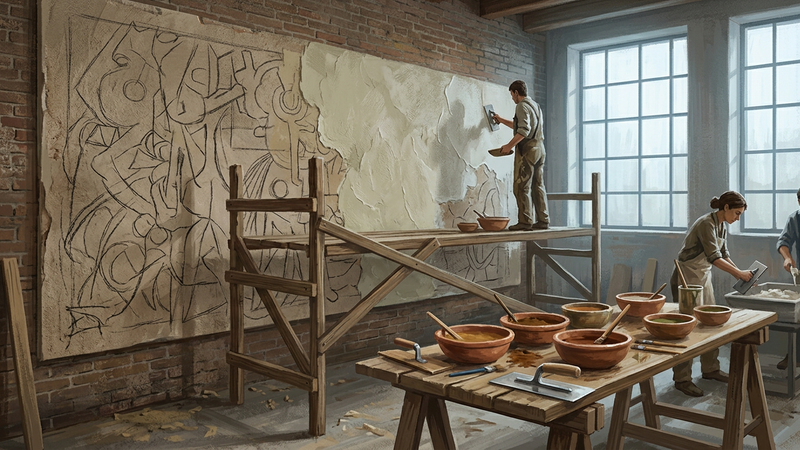
Buon fresco, secco and a secco on lime plaster: chemistry, giornate, Giotto and Michelangelo, and what wall painting costs when pigment becomes stone
Fresco is mural painting in which water-based pigment meets wet lime plaster and fixes as the wall carbonates. This guide separates buon fresco from secco and a secco, walks the plaster layers and a giornata, then reads Pompeii, Giotto's Padua cycle and Michelangelo's Sistine vault with conservators' notes on failure and repair.
- GuideTechniques
What Is a Giclée Print?
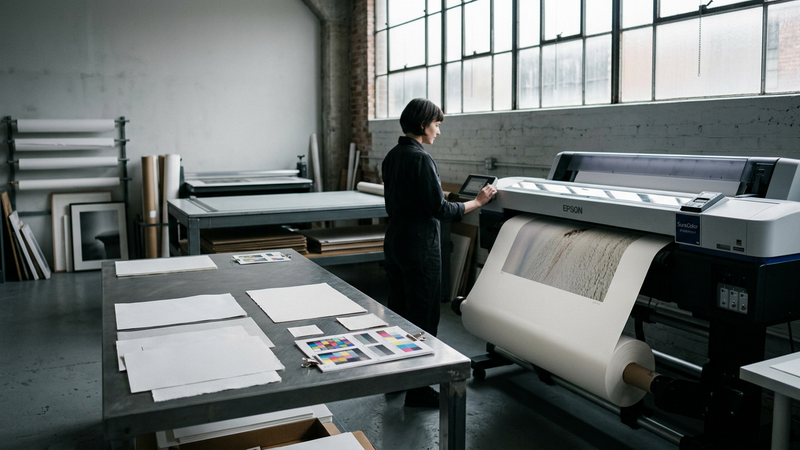
Archival pigment inkjet on cotton rag or canvas: how fine-art reproduction printing works, where the French trade name came from, and what separates it from a poster
A giclée print is a fine-art inkjet made with pigment inks on archival paper or canvas, usually from a high-resolution scan or born-digital file. The word is a 1990s trade coinage for spray-deposited ink. This page covers materials, process, history, lightfastness, and how the method differs from lithography and poster printing.
- GuideTechniques
Oil vs Acrylic Paint
Binders, drying chemistry, glazing and conservation through museum examples, from van Eyck’s oil films to post-war acrylic on canvas
Oil paint dries by oxidation; acrylic dries as water leaves a polymer film. That difference governs layering, glazing, studio safety and how conservators clean ageing surfaces. This comparison walks binders, process, mid-century adoption, named museum works, and typical material costs without turning into a shopping list.
- GuideTechniques
What Is Gouache?
Opaque watercolour on gum arabic and chalk, from Turner highlights to Matisse cut-outs, plus designer versus artist ranges
Gouache is water-based paint made opaque with extra pigment and white filler, bound in gum arabic like watercolour but drying to a flat matte film you can rewet. This guide covers chemistry, designer versus artist ranges, working method, history, named museum works, conservation risks, and what tubes cost today.
- GuideTechniques
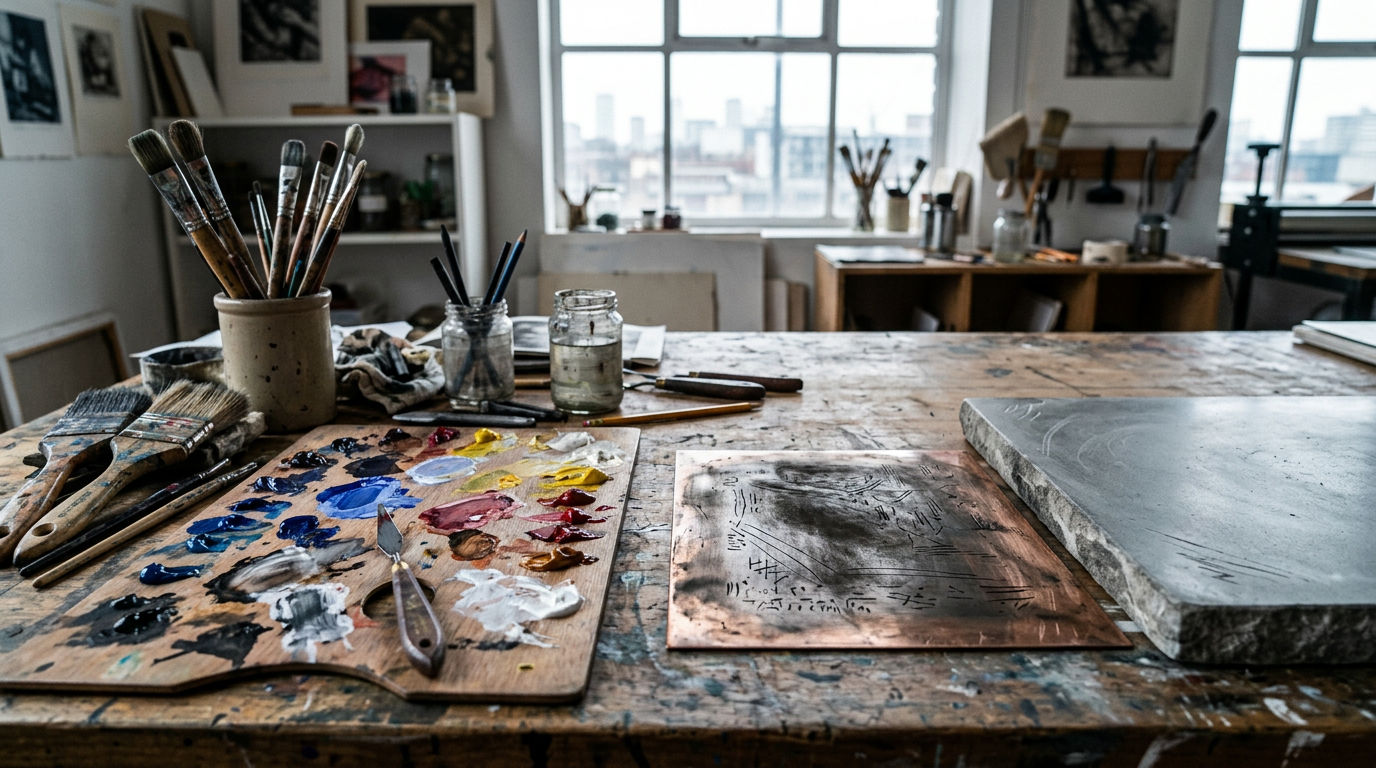
Types of Printmaking, Explained
Relief, intaglio, lithography, screenprint and monotype: how each matrix transfers ink, where it fails, and museum examples from Dürer to Warhol
Printmaking is the transfer of an image from a prepared matrix to paper or fabric, usually in multiples called an edition. This guide maps the main process types (relief, intaglio, planographic, stencil), walks through materials and steps for each, and points to museum examples you can still see on the wall.
- GuideTechniques
What Is Impasto?
Thick paint, knife and brush: binders, drying chemistry, Van Gogh to de Kooning, cracking modes, and studio costs today
Impasto is the practice of laying paint so thick that brush or knife marks stand in relief on the support. This guide stays with technique: how binders carry weight, how workshops sequence layers, who pushed the method from Rembrandt's lead white to de Kooning's scraped surfaces, and why conservators treat peaks differently from flat film.
- GuideTechniques
Diptych and Triptych, Explained
Hinged panels, wings, and the move from Roman writing tablets to Bosch, van Eyck, and Rothko: how two- and three-part formats work as structure, not only as altarpiece lore.
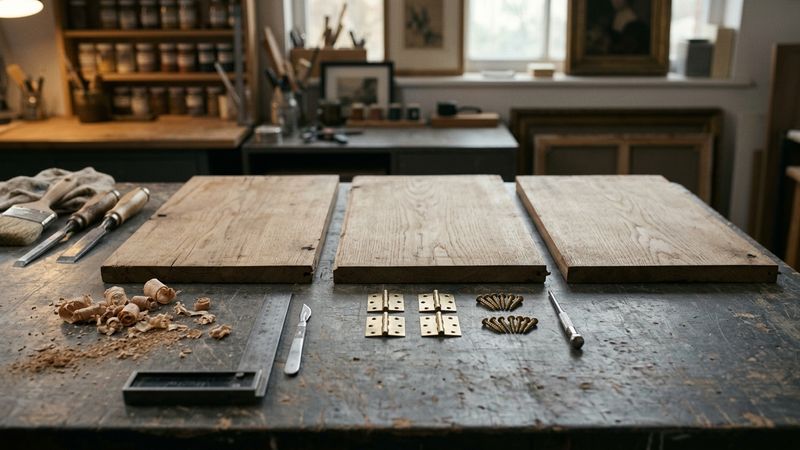
A triptych is a work in three panels, often hinged so outer wings fold over a centre; a diptych uses two. This guide defines both formats and polyptych briefly, traces panel joinery and hardware, walks a workshop sequence, reads six museum examples including Bosch and Rothko, and notes how splits, warping, and bad hinges fail in storage.
- GuideTechniques
What Is Mixed Media?
When paint, paste, print and found objects share one surface: how mixed media works as technique and label, from Cubist paste to Neo-Dada combines and contemporary assemblage
Mixed media art combines two or more materials or techniques in a single work so the label lists more than one substance or process. This guide defines the term against collage and assemblage, traces adhesive chemistry and layering order, reads six museum objects from Picasso to Rauschenberg, and notes how composite works fail in storage.
- GuideTechniques
What Is Digital Art?
Pixels, code, screens and files: how born-digital work is made, stored, shown and kept alive in museums
Digital art is visual art whose making or presentation depends on digital technology: raster and vector files, software, screens, projection, or custom code. This page covers tools, file types, display hardware, born-digital versus digitised work, and how conservators preserve software-based pieces, with Paik, Schwartz and teamLab as case studies.
- GuideTechniques
What Artists Paint On
Canvas, panel, linen, paper, metal and wall: how painting supports are built, prepared, and why the wrong substrate fails decades later
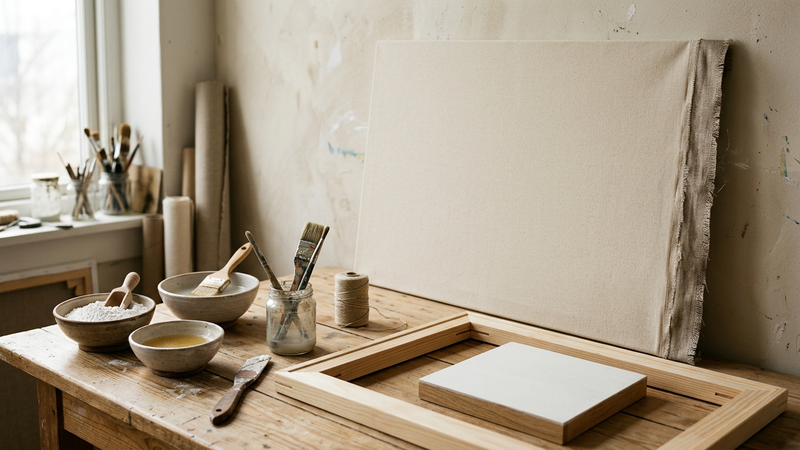
A painting support is the surface paint adheres to: stretched linen, oak panel, watercolour paper, copper sheet, or lime plaster on a wall. This guide maps the main support types, how sizing and gesso prepare them, linen versus cotton weave, stretcher bars and panel cradling, named works in major museums, typical failure modes, and what each option costs in a studio today without turning into a gear catalogue.
- GuideTechniques
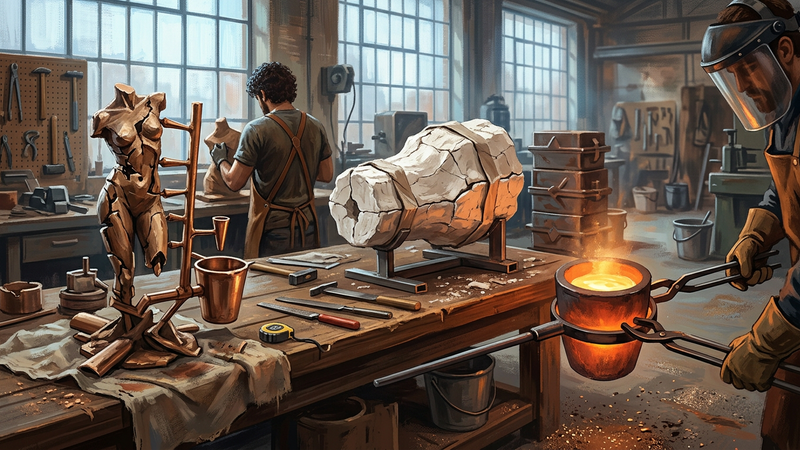
How a Bronze Sculpture Is Made
Lost wax from wax positive and ceramic shell through pour, chase and patina, with Greek, Benin and modern foundry practice on named works
Bronze sculpture in the lost wax tradition begins as a model, becomes a hollow wax shell invested in ceramic, receives molten alloy, then passes through chasing and patina. This guide walks wax, shell, pour, chase and patina on Riace warriors, Benin brass and Rodin, Giacometti and Moore foundry casts.
- GuideTechniques
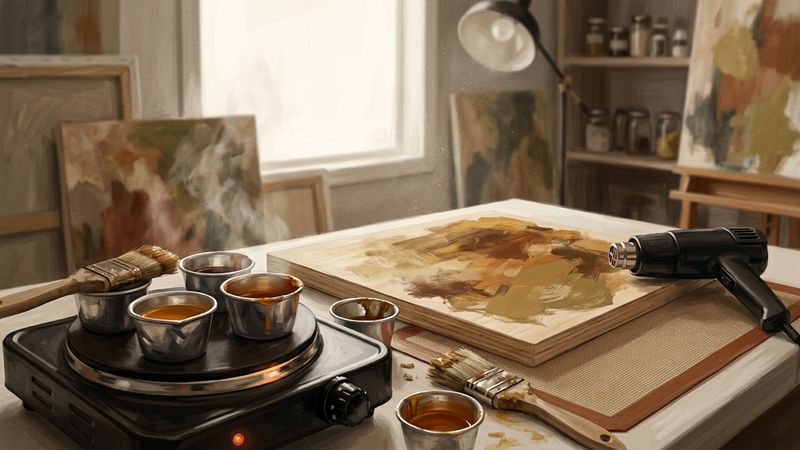
What Is Encaustic Painting?
Hot beeswax, damar resin and pigment on rigid panels: Fayum portraits, Jasper Johns, and how artists fuse, layer and conserve wax paint today
Encaustic painting binds dry pigment in heated beeswax (often with damar resin), applies it to a rigid support, and fuses each layer with a heat gun or iron. This guide walks materials, studio safety, layering and fusing, Roman Fayum portraits, Jasper Johns's Flag, and what makes wax film fail in heat or UV.