Cairo

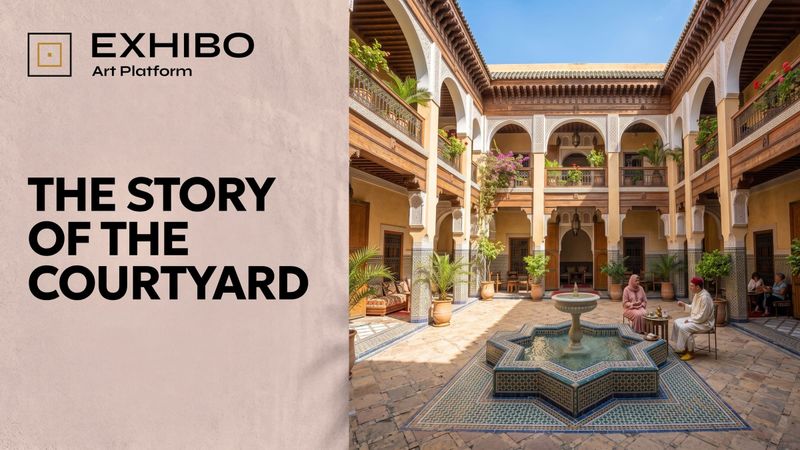
Sunlit central courtyard of a traditional Moroccan riad in the Fez medina, with zellij tilework, arched galleries and a fountain beneath an open square of sky.
Editorial

Why North African Cities Turn Inward: The Story of the Courtyard

A courtyard plan far older than Islam turned North African houses — and the medinas built from them — to face inward. Climate and religion only half-explain why, and what finally displaced the courtyard says the rest.

The blank walls and inward courtyards of Fez, Tunis, Algiers and Cairo are usually explained by heat or religion. Both are true; neither is the whole story. The clue is in what eventually pushed the courtyard out of the modern city.

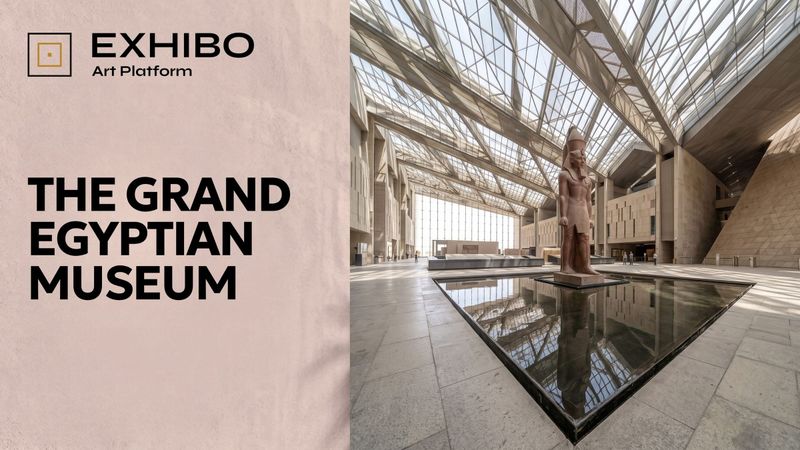
The colossal statue of Ramses II standing in the sunlit atrium of the Grand Egyptian Museum, reflected in the shallow pool at its base, with daylight falling through the roof.
Editorial

The Museum That Reflects Everything, Including You

How the world's largest single-civilisation museum gathers a nation's heritage, national story, tourism economy and repatriation claims under one reflective roof — and what those mirrored surfaces quietly ask of everyone who walks in.

Around the colossus of Ramses II, shallow pools mirror the floor so exactly that visitors keep stepping in. It is a small, faintly comic thing — and a way into a much larger question about the Grand Egyptian Museum. A civilisation is gathered here and made whole, while its three most famous faces stay abroad. A home for a nation's heritage opens, and the nation queues outside it. A monument to Egyptian sovereignty rises, financed largely from Tokyo.

A deep cobalt-blue Ilkhanid ceramic bowl decorated with white, red, and cut gold-leaf ornament, its glaze imitating the color of lapis lazuli.
Editorial

Why Disney Made the Genie Blue

The long material and colonial history behind the most recognizable blue body in popular culture.

Almost everyone remembers that Disney's genie is blue. Fewer ask why. The answer runs backward through five thousand years — Egyptian blue standing in for lapis, cobalt on a Mongol palace, the eye that guards against envy, the last color most languages learned to name, and a layout artist photographing Isfahan just before a war — to a color that was rarely, in this part of the world, quite what it claimed to be.

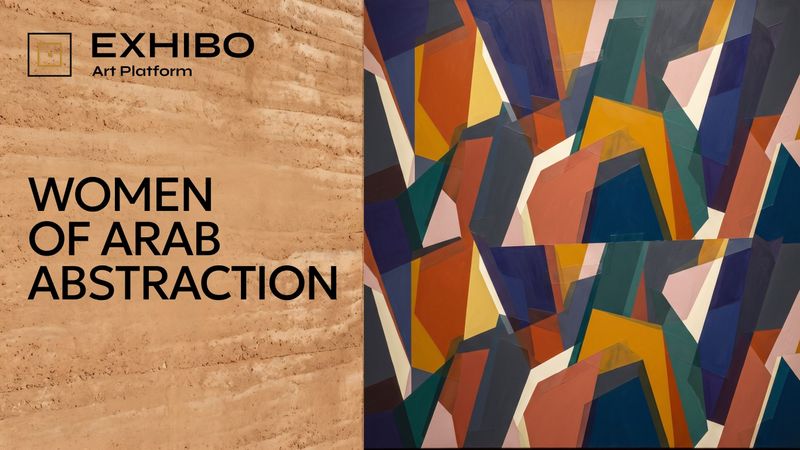
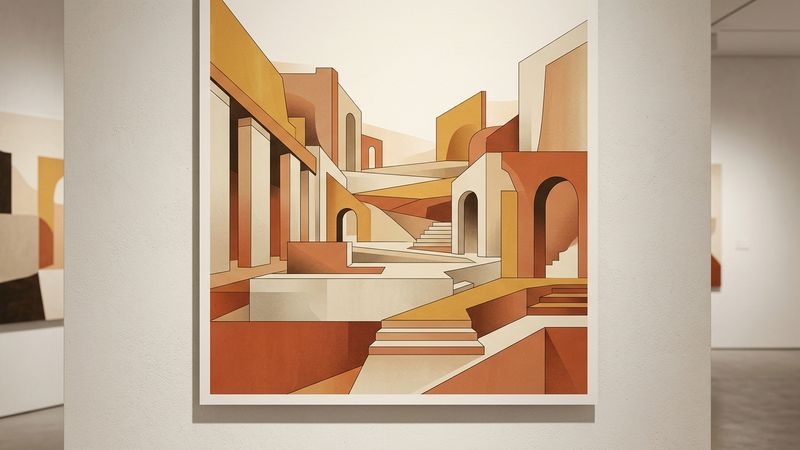
Abstract geometric composition of interlocking angular forms in layered planes of colour.
Editorial

Women of Arab Abstraction

The letter set loose, the line woven, the arabesque the West once threw away — and the women who built modern abstraction out of all three, then got written out of it.

Abstraction is usually told as a Western invention that arrived elsewhere late. Saloua Raouda Choucair, Etel Adnan, Madiha Umar and a room of others tell it differently — often as the only woman in the movement, building modern form from the geometry, craft and calligraphy their own culture already held.

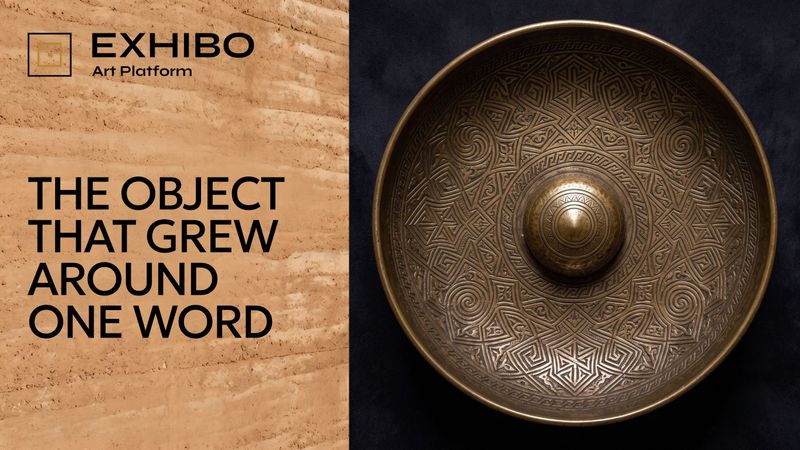
A shallow engraved brass bowl seen from above, its inside surface covered edge to edge with inscription and geometric figures.
Editorial

The Seal of Solomon: The Object That Grew Around One Word

The Qur'an never mentions a ring. What grew in that gap instead: a demon, a seal, seven signs nobody can trace, a thousand years of amulets, and a star that ended up on a flag.

A fisherman pulls up a copper jar stopped with lead, and the mark of a signet ring is pressed into the lead. Everyone hearing this in ninth-century Baghdad knew what came next — they knew it from the lid. The strange part is that the ring they all knew about is not in the Qur'an.

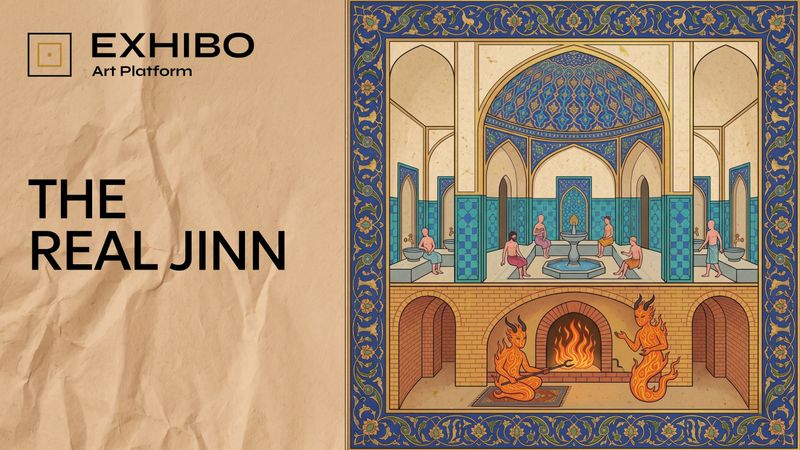
A cross-section of a medieval bathhouse: bathers above, and below them two horned fire spirits tending the furnace that heats the water.
Editorial

The Real Jinn: How the Middle East Imagined Them Before Disney

Seven kings, one for each day of the week. A portrait of Fever. Two spirits keeping a bathhouse warm. What the manuscripts actually show — and what the lamp replaced.

Folio 35v of a manuscript in Oxford shows the public baths at Tiberias in cutaway. Upstairs, people washing. Downstairs, two jinn tending the furnace, mid-conversation. It is not what most of the world expects — and it is much closer to what the unseen was actually understood to be for. A long read across twelve centuries of manuscripts, fieldwork, survey data and horror cinema.