Cairo

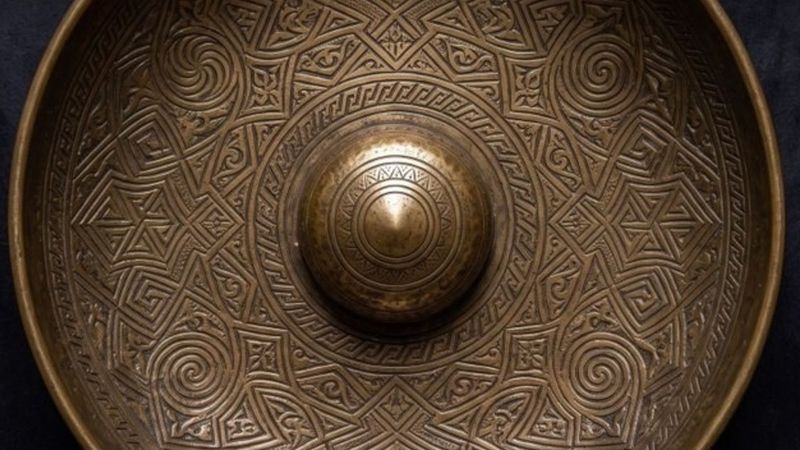
A shallow engraved brass bowl seen from above, its inside surface covered edge to edge with inscription and geometric figures.
Editorial

The Seal of Solomon: The Object That Grew Around One Word

The Qur'an never mentions a ring. What grew in that gap instead: a demon, a seal, seven signs nobody can trace, a thousand years of amulets, and a star that ended up on a flag.

A fisherman pulls up a copper jar stopped with lead, and the mark of a signet ring is pressed into the lead. Everyone hearing this in ninth-century Baghdad knew what came next — they knew it from the lid. The strange part is that the ring they all knew about is not in the Qur'an.
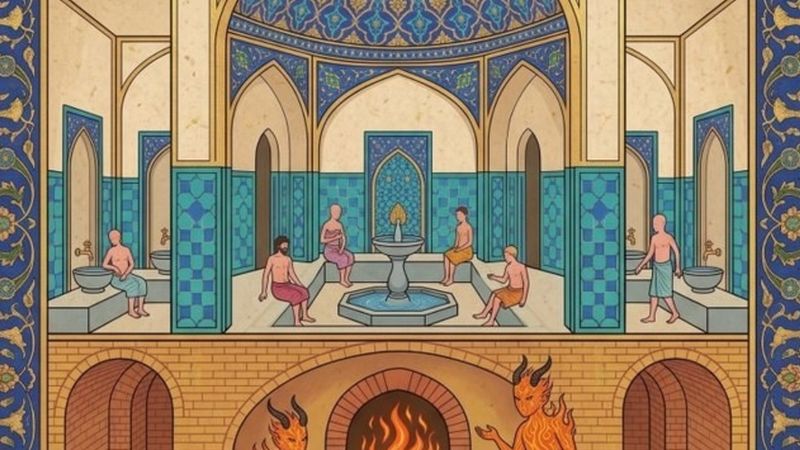
A cross-section of a medieval bathhouse: bathers above, and below them two horned fire spirits tending the furnace that heats the water.
Editorial

The Real Jinn: How the Middle East Imagined Them Before Disney

Seven kings, one for each day of the week. A portrait of Fever. Two spirits keeping a bathhouse warm. What the manuscripts actually show — and what the lamp replaced.

Folio 35v of a manuscript in Oxford shows the public baths at Tiberias in cutaway. Upstairs, people washing. Downstairs, two jinn tending the furnace, mid-conversation. It is not what most of the world expects — and it is much closer to what the unseen was actually understood to be for. A long read across twelve centuries of manuscripts, fieldwork, survey data and horror cinema.