Egypt

Cities

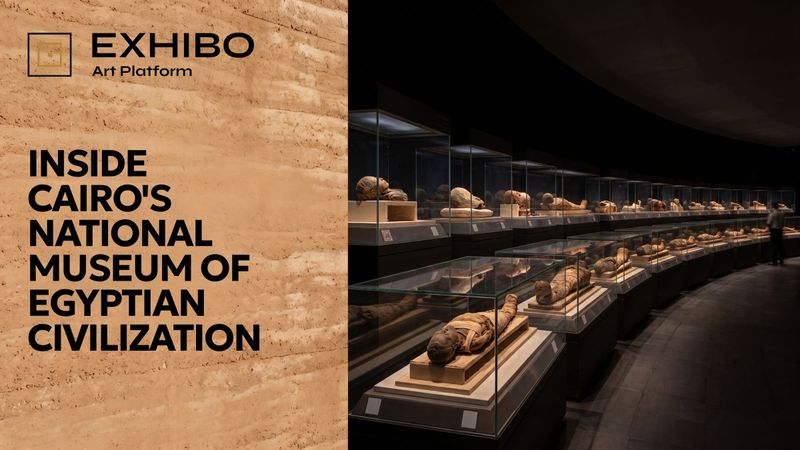
The dim, black-walled Royal Mummies Hall of the National Museum of Egyptian Civilization in Fustat, Old Cairo
Editorial

The Museum of Everything That Became a Tomb

Egypt built a museum to tell the story of an entire civilisation — seven thousand years of it, from flint tools to the present. The public knows it for one thing: the room where twenty dead kings lie in the dark.

In a black, hushed hall beneath the National Museum of Egyptian Civilization in Old Cairo lie the mummified bodies of Ramesses II, Hatshepsut, and eighteen other rulers of the New Kingdom — carried here in 2021 in a televised parade watched around the world.
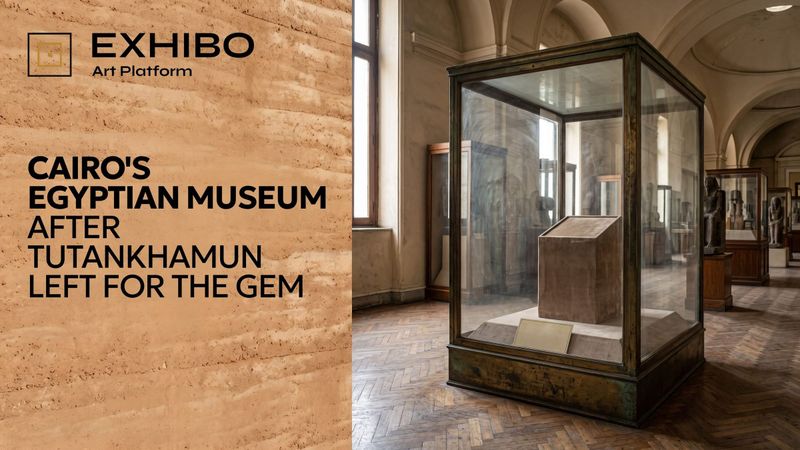
The empty glass case on the upper floor of the Egyptian Museum in Cairo where Tutankhamun's golden mask stood for decades, before its 2025 transfer to the Grand Egyptian Museum.
Editorial

The House Whose Famous Guests All Moved Out

When Tutankhamun's mask left Cairo's Egyptian Museum for the Grand Egyptian Museum, it took the crowds with it — but not the collection. What remains in the old building on Tahrir Square turns out to be a stranger and more interesting museum than the one that emptied.

For most of a century, the golden mask of Tutankhamun stood behind glass on the upper floor of the Egyptian Museum in Cairo. In October 2025 it was driven out to Giza, and it was not the only thing to go: the royal mummies, the whole Tutankhamun collection, tens of thousands of objects have left the old museum for Egypt's gleaming new institutions.

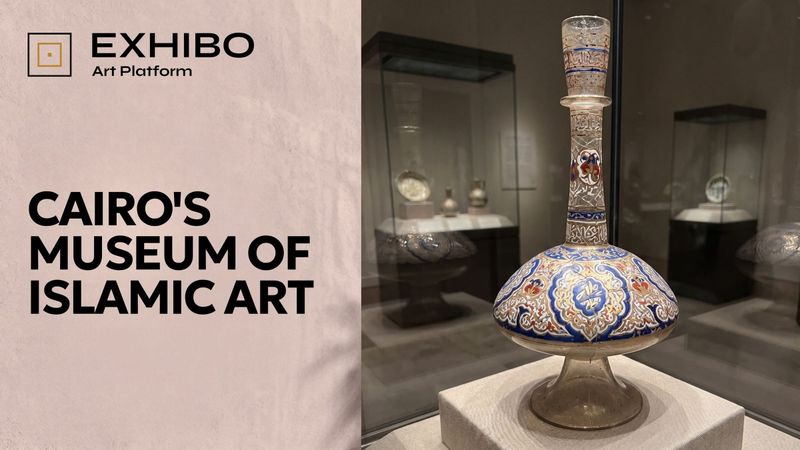
An enamelled medieval Syrian glass bottle in a display case at Cairo's Museum of Islamic Art, restored after the 2014 bombing, the mend faintly visible in the glass.
Editorial

The Bottle That Was in Pieces on the Floor

A car bomb left one of the world's great collections of Islamic art in fragments on the floor. What the Museum of Islamic Art chose to do with the repair — mark it, rather than hide it — turns out to be the most quietly radical decision in the building.

Near the entrance of Cairo's Museum of Islamic Art stands an eight-hundred-year-old Syrian glass bottle with a small gold mark on its label. The mark does not mean the bottle is precious, though it is. It means it was broken — shattered on the floor by the 2014 bombing across the street, then patiently glued back into a single shape.

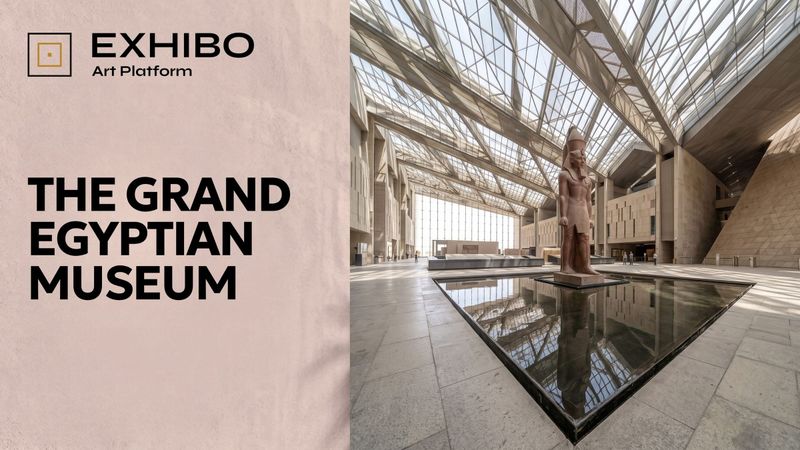
The colossal statue of Ramses II standing in the sunlit atrium of the Grand Egyptian Museum, reflected in the shallow pool at its base, with daylight falling through the roof.
Editorial

The Museum That Reflects Everything, Including You

How the world's largest single-civilisation museum gathers a nation's heritage, national story, tourism economy and repatriation claims under one reflective roof — and what those mirrored surfaces quietly ask of everyone who walks in.

Around the colossus of Ramses II, shallow pools mirror the floor so exactly that visitors keep stepping in. It is a small, faintly comic thing — and a way into a much larger question about the Grand Egyptian Museum. A civilisation is gathered here and made whole, while its three most famous faces stay abroad. A home for a nation's heritage opens, and the nation queues outside it. A monument to Egyptian sovereignty rises, financed largely from Tokyo.

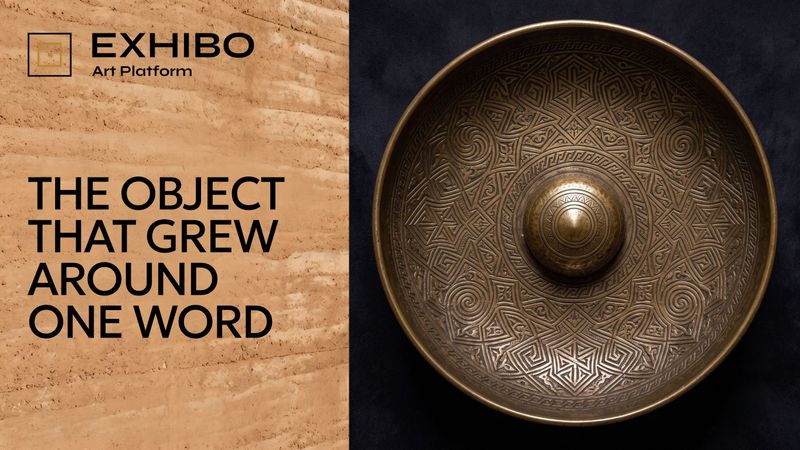
A shallow engraved brass bowl seen from above, its inside surface covered edge to edge with inscription and geometric figures.
Editorial

The Seal of Solomon: The Object That Grew Around One Word

The Qur'an never mentions a ring. What grew in that gap instead: a demon, a seal, seven signs nobody can trace, a thousand years of amulets, and a star that ended up on a flag.

A fisherman pulls up a copper jar stopped with lead, and the mark of a signet ring is pressed into the lead. Everyone hearing this in ninth-century Baghdad knew what came next — they knew it from the lid. The strange part is that the ring they all knew about is not in the Qur'an.