
Cairo · Egypt
Three New Kingdom Tombs Unearthed at Saqqara with Rare Near Eastern Inscriptions
Discoveries in the Bubasteion Necropolis offer fresh insight into Egypt's military and diplomatic ties during the 18th Dynasty
New Tombs Add to Saqqara's Archaeological Wealth
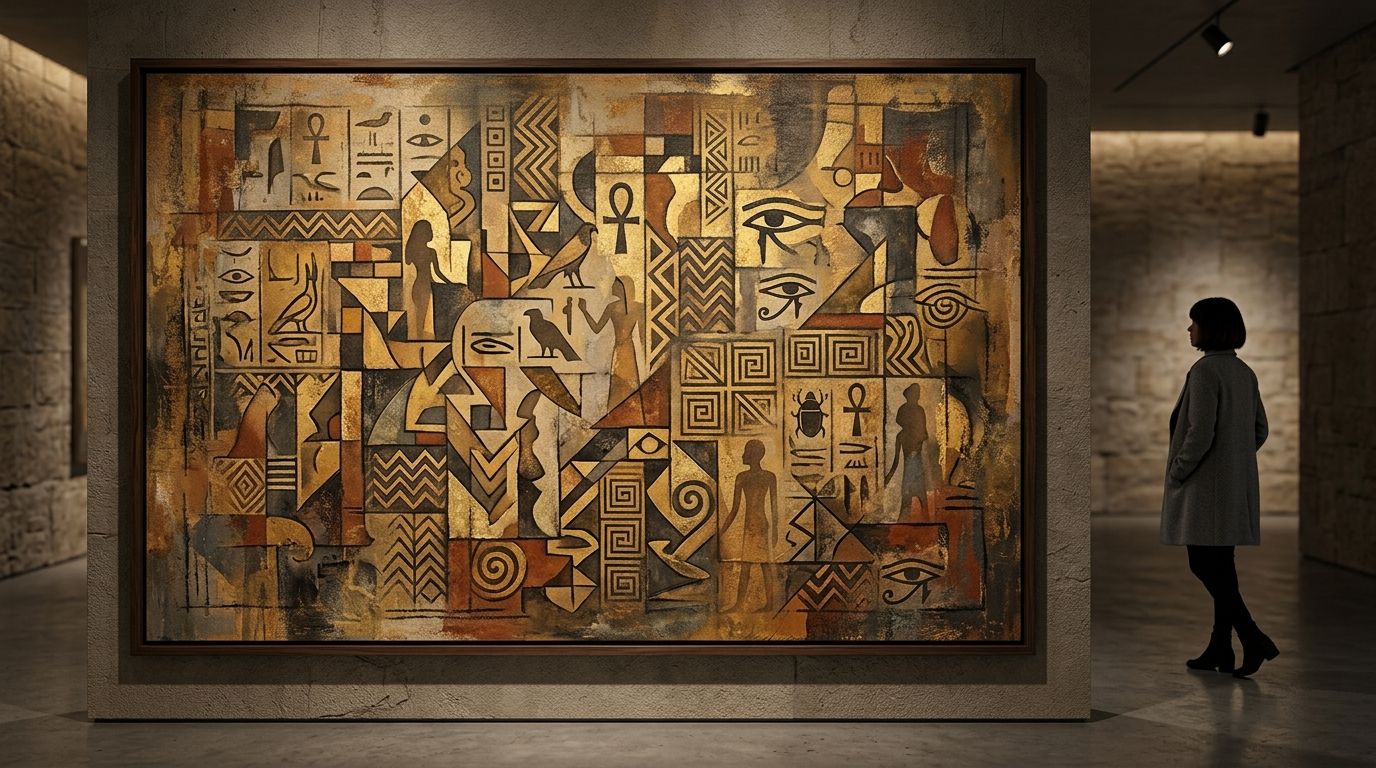
Three Ancient Egyptian tombs dating to the New Kingdom period (circa 1550BC–1070BC) have been discovered in the Bubasteion Necropolis at Saqqara, Egypt. According to Mohamed Abdel-Badie, head of the Egyptian Archaeological Department, one of the tombs contains an inscription referencing the return of a military commander from northern Syria, offering rare insight into Egypt's ties with the Near East during the New Kingdom.
"The inscription is particularly significant," Abdel-Badie said in a statement, "because it not only confirms the tomb's New Kingdom date but also provides fresh evidence of Egypt's military and diplomatic connections with the Near East during the period."
Tomb of a High-Ranking Official
One of the tombs belonged to Mentuhotep, believed to have been a senior military and administrative figure. Carvings on the northern walls depict hunting scenes and offerings, with one notable relief showing Mentuhotep seated beside his mother, Iahhotep, underscoring the family's elevated social status.
A Merchant's Legacy Preserved
The third tomb is thought to belong to a merchant named Pareemwaya, also known as Samut. Inscriptions within the tomb name several family members, including his wife, mother, and four sons. These detailed family records provide a rare glimpse into the domestic and social life of a prominent figure from the era.
Saqqara's Enduring Significance
Located roughly 19 miles south of Cairo, Saqqara served as the necropolis for the ancient capital of Memphis and was designated a UNESCO World Heritage Site in 1979. The site is home to the Pyramid of Djoser, the oldest known stone complex in history, built during the Third Dynasty (around 2686BC–2613BC). It also includes private funerary monuments from the Pharaonic period, as well as tombs used through the Ptolemaic and Roman eras.
Hisham Alithi, secretary general of Egypt's Supreme Archaeological Council, emphasised the broader impact of the find: "The importance of this discovery is not limited to finding new tombs, but extends to reviving the biography of their owners and restoring pages of their history that have been buried under the sands for thousands of years."
Scholarly Reactions and Historical Context
Steve Harvey, an Egyptologist, told The Art Newspaper that the discoveries—likely dating to the early New Kingdom—compare in importance and artistic quality to those of French archaeologist Alain Zivie, known for uncovering tombs of significant figures such as the wet nurse of King Tutankhamun and the Vizier Aper-el. "Very few officials' tombs are yet known at Saqqara from the first half of Dynasty 18," Harvey noted, "so the new discovery may well indicate that this elusive area has finally been located."
Aidan Dodson of the University of Bristol concurred that the finds broaden our understanding of the individuals buried in the Bubasteion cliffside, ranging from high-ranking officials like viziers to more modest yet still notable figures. However, he remained cautious regarding claims that the military inscription offers entirely new evidence, stating, "The New Kingdom's 18th Dynasty saw Egypt expand its power beyond the Nile Valley into Syria-Palestine, where various local rulers were forced to give their allegiance to the Egyptian state. The new discovery at Saqqara adds to our stock of private accounts of Egyptian campaigning in the Levant, but assessment of its significance will have to await proper publication, including its precise date, to establish how it fits into our broader picture of Egyptian imperialism."
Galleries mentioned
Museums mentioned
Related reading
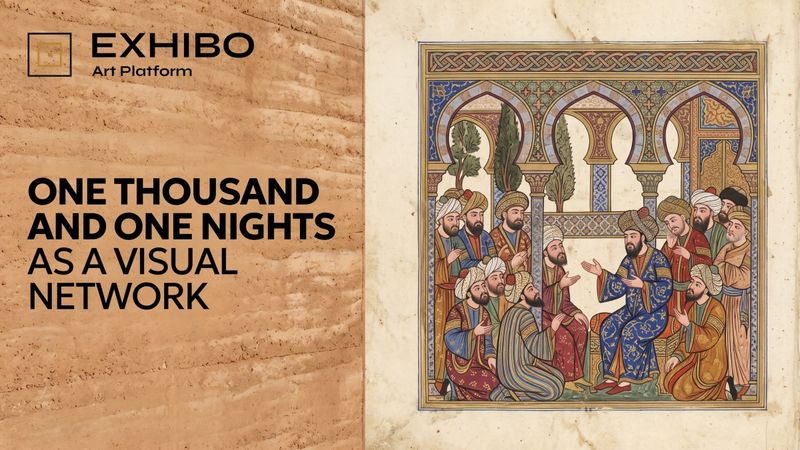
One Thousand and One Nights as a Visual Network
The book that taught Europe to picture the East arrived with no pictures at all. Three centuries of illustrators — Dutch, Egyptian, Persian, French, German, Iraqi — each gave it a face, and every face was a self-portrait.
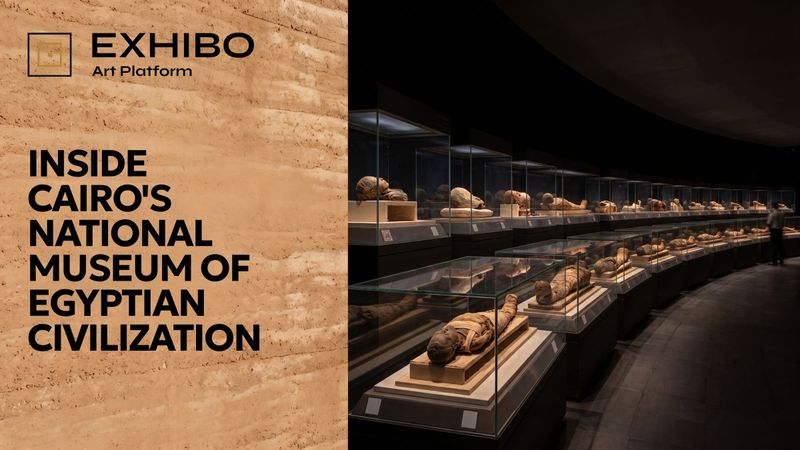
The Museum of Everything That Became a Tomb
Egypt built a museum to tell the story of an entire civilisation — seven thousand years of it, from flint tools to the present. The public knows it for one thing: the room where twenty dead kings lie in the dark.
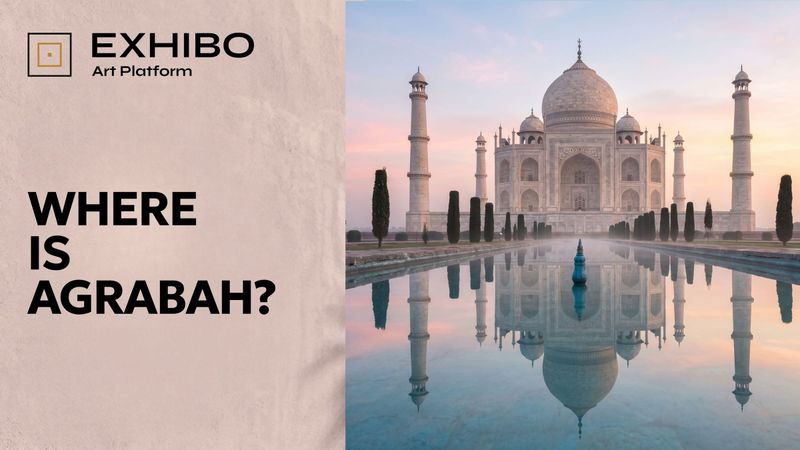
Where Is Agrabah? The City Disney Assembled From Real Places
Agrabah was going to be Baghdad. A war made it fictional — and then Disney built it back out of real places, from a tomb in Agra to a valley in Jordan that usually plays Mars.