Doha

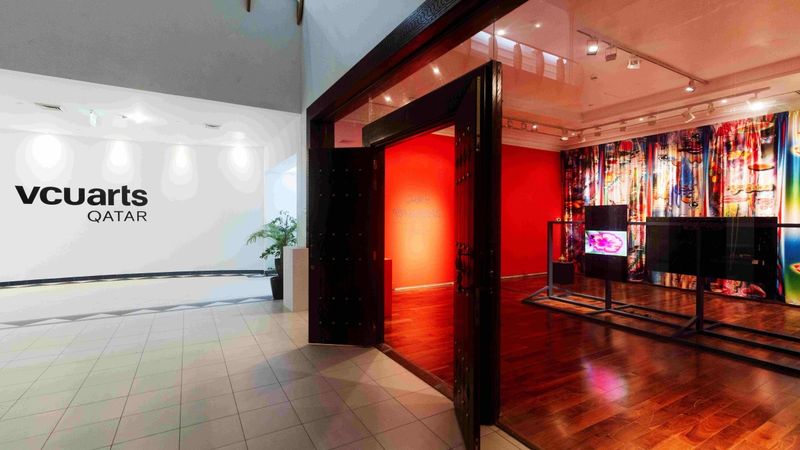
Education City

1 gallery · 2 museums · 5 places

About this district

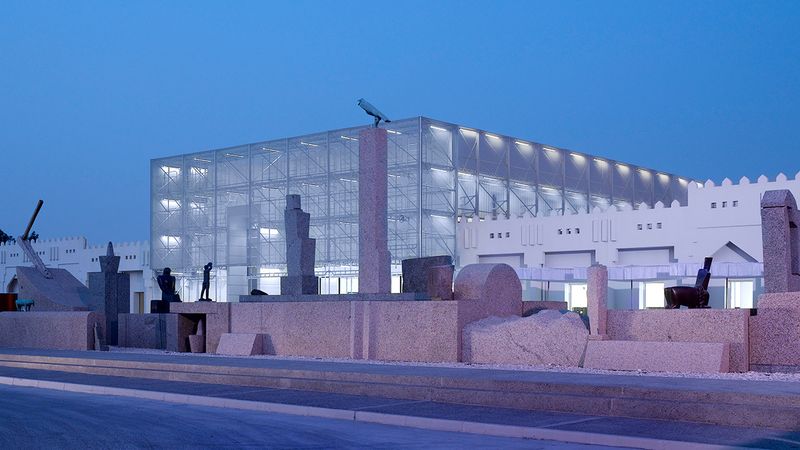
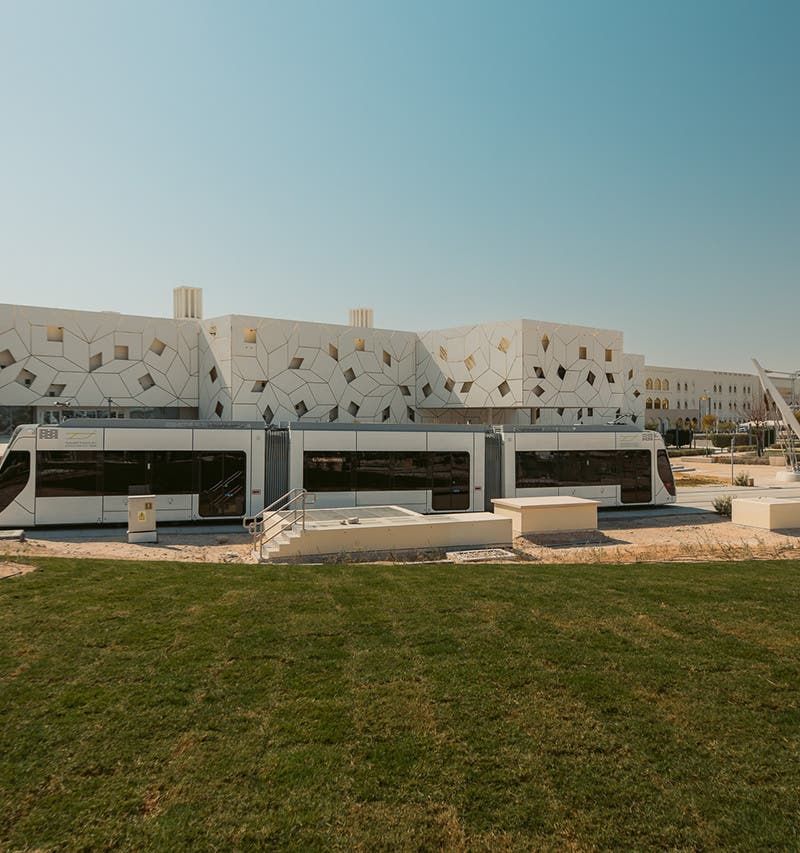
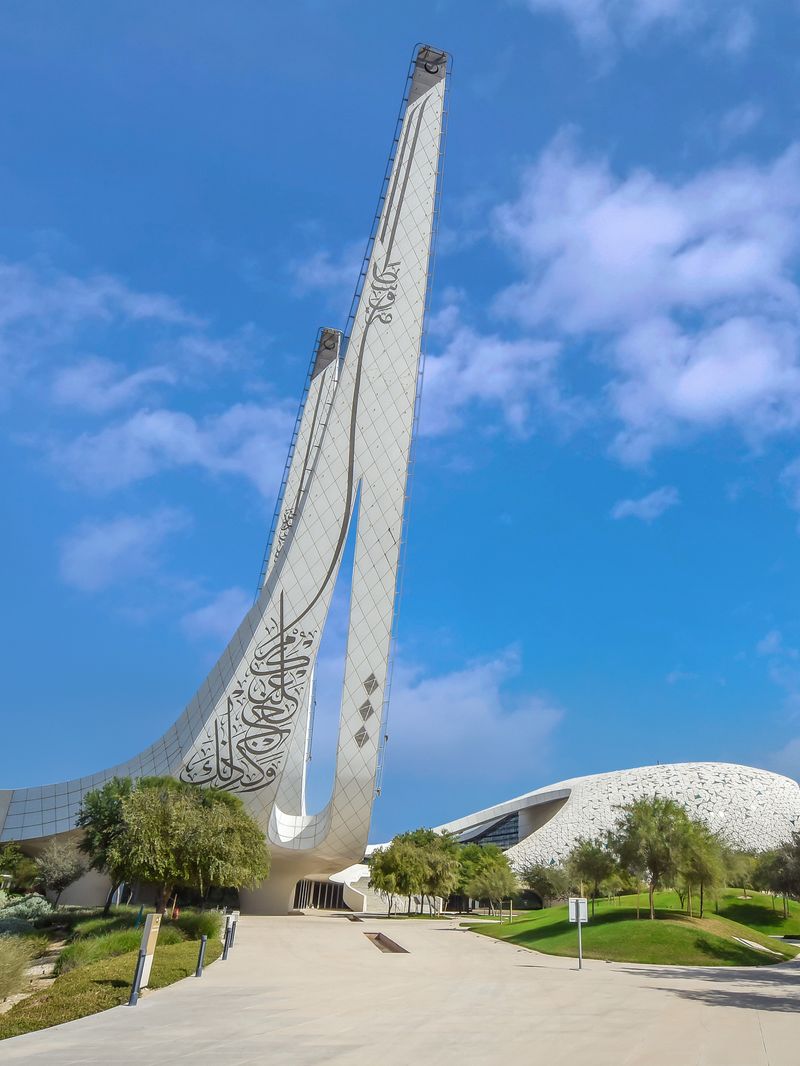
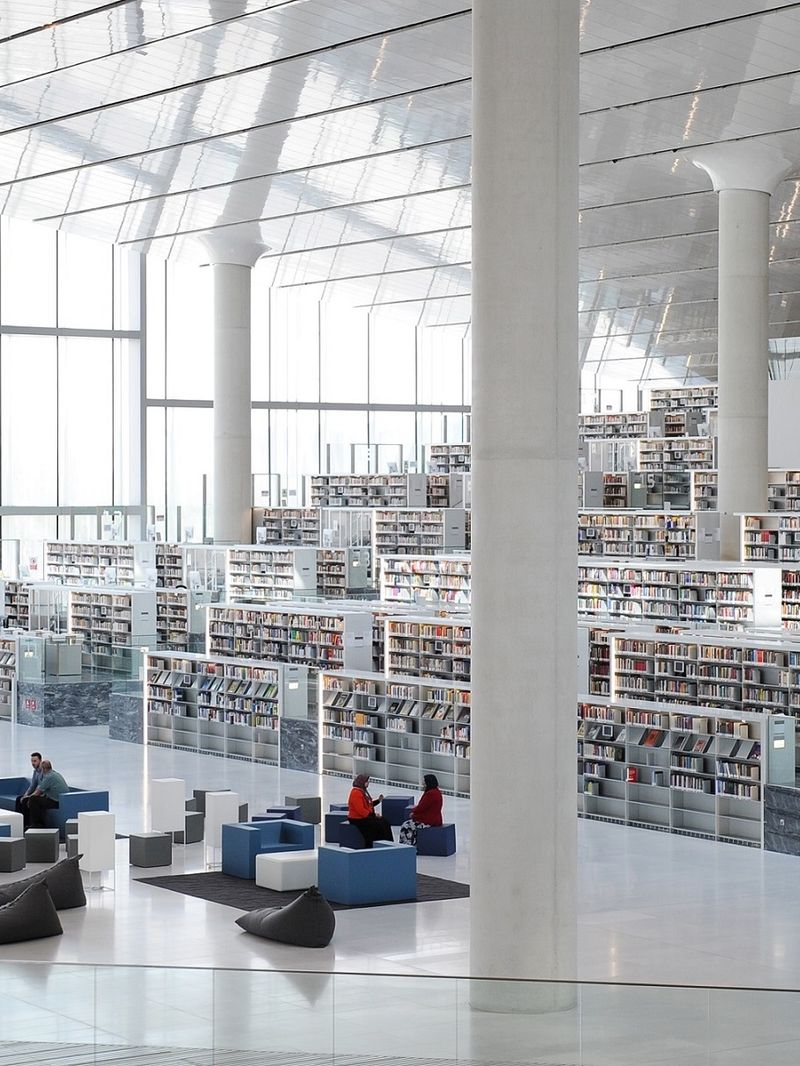
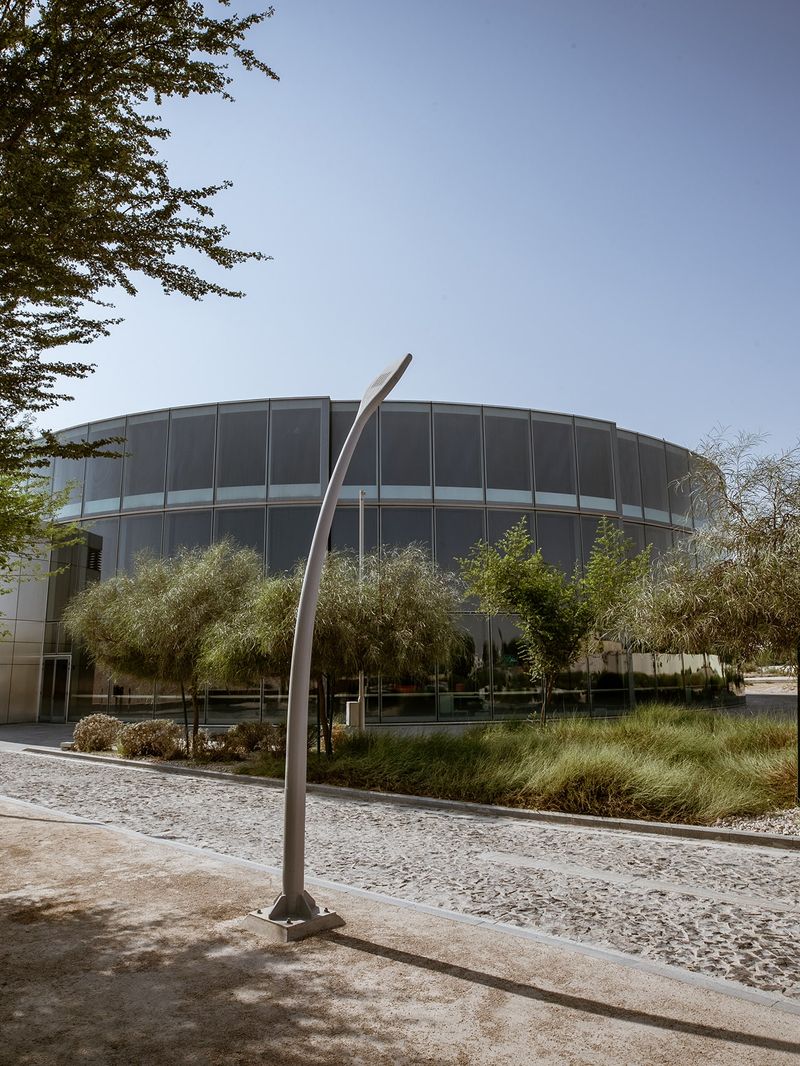
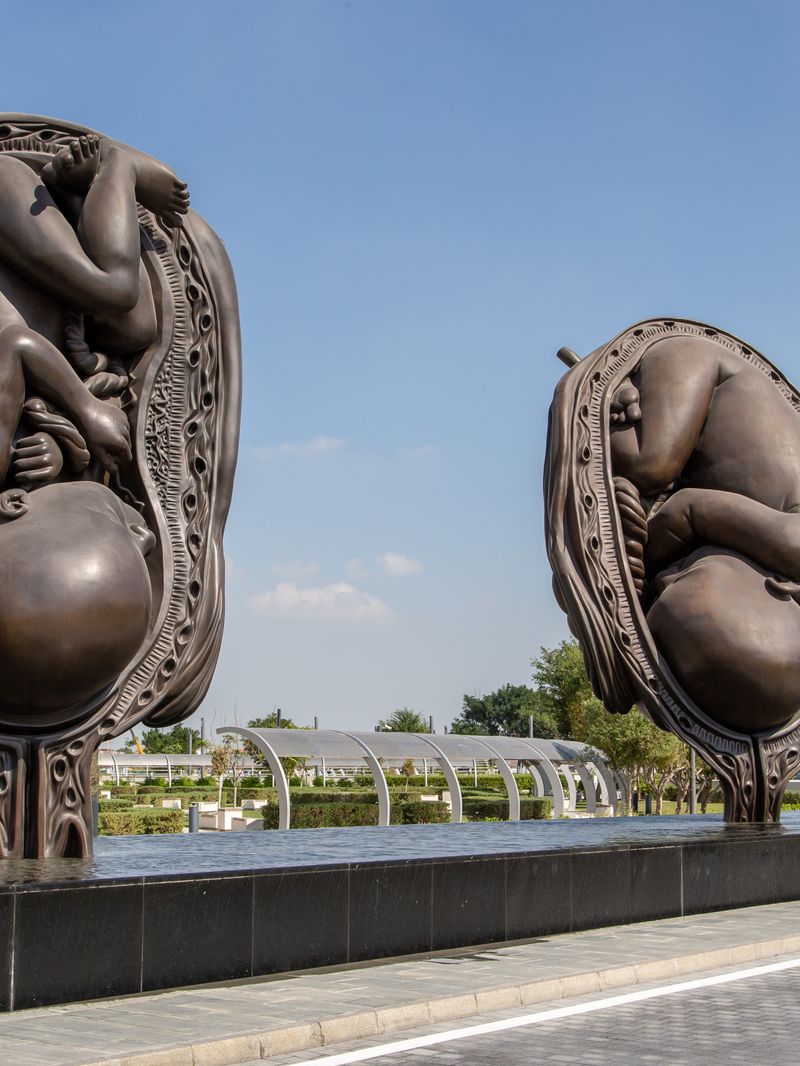
Qatar Foundation's campus district west of the centre, holding branch campuses of several of the world's leading universities — and Mathaf, the Arab Museum of Modern Art, which houses the largest collection of modern and contemporary Arab art anywhere. Academic in pace, serious in ambition, and free to enter. This is the district for people who came to look properly.

Galleries

Museums

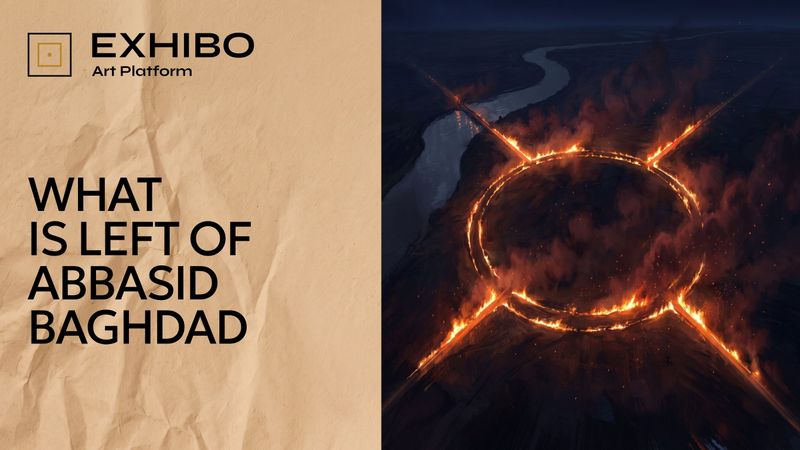
A vast circle of fire burning on a dark plain at night — the outline of a city with four radial roads, drawn in flame.
Editorial

The City With No Ruins: What Is Left of Abbasid Baghdad

A caliph drew his capital in fire, the Mongols erased it, and a video game rebuilt it out of Isfahan and Samarkand. What actually survives of Abbasid Baghdad, where it is, and who else has tried to put it back.

Climb a viewpoint in Assassin's Creed Mirage and you see the Round City whole — double walls, four gates, the green dome at the centre. Nobody has ever seen that view. No excavated remains have been securely identified as any of it. This is what is actually left of ninth-century Baghdad, where you would have to go to stand in it, and why Ubisoft was the second team to rebuild a city that no longer exists.
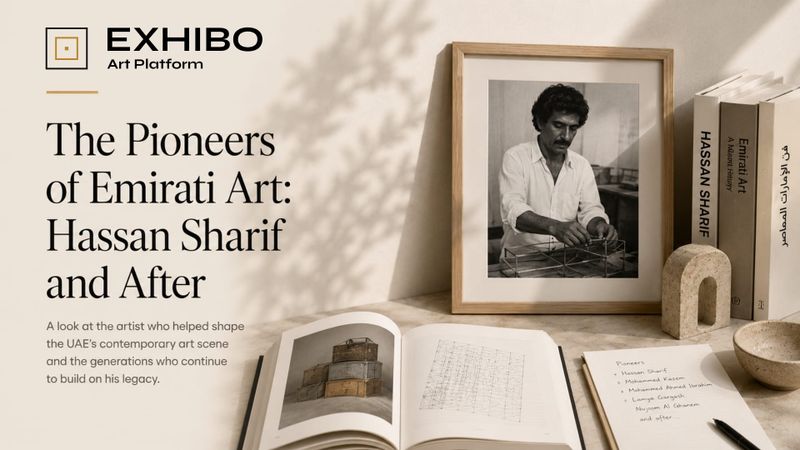
The Pioneers of Emirati Art: Hassan Sharif and After
Editorial

The Pioneers of Emirati Art: Hassan Sharif and After

How Hassan Sharif and the artists known as "the Five" built conceptual art in the UAE from nothing

Before the Louvre came to Abu Dhabi and Alserkal filled with galleries, a small group of artists made conceptual art in the UAE with almost no audience and a great deal of ridicule. This is the story of Hassan Sharif and the pioneers who built a scene from nothing — and why their work still anchors Emirati art today.

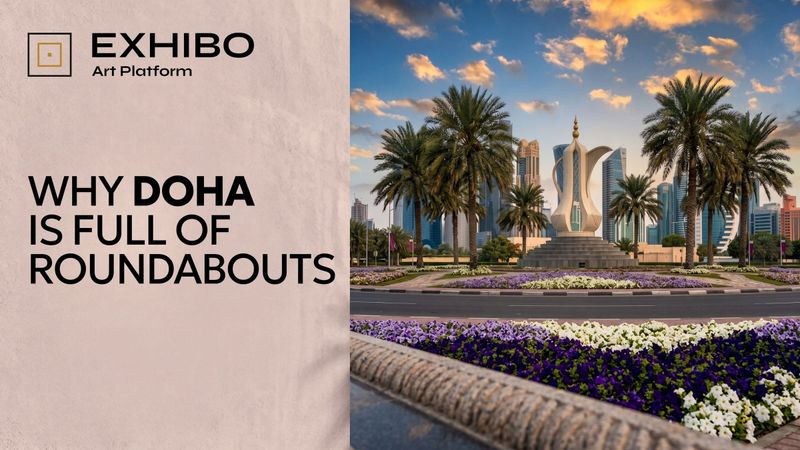
A large landscaped roundabout in Doha, Qatar, with a monumental sculpture on its central island and multi-lane traffic circling it against a backdrop of West Bay towers.
Editorial

Why Doha Is Full of Roundabouts

An old circle at a crossroads, sharpened by British road engineering, became the way an Arabian city found its way and remembered itself — and it took the bulldozers to reveal it.

In a city where a landmark was more useful than an address, Doha's roundabouts became its navigation, its landscaping and its national image all at once. Now they're being torn out for signalled junctions — and the affection for them arrived, as one scholar put it, only posthumously.

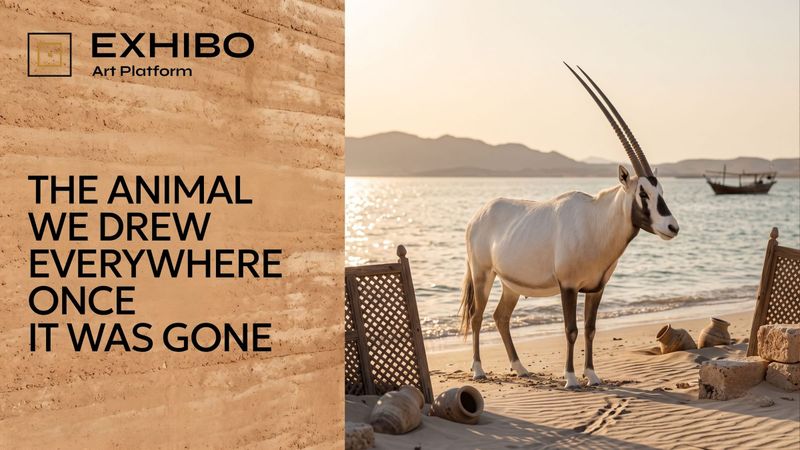
An Arabian oryx, white with long nearly straight ringed horns and dark facial markings, standing in pale desert sand.
Editorial

The Animal We Drew Everywhere Once It Was Gone

From Neolithic rock to airline tailfin — how the Arabian oryx vanished from the desert, came back from nine animals, and multiplied everywhere as a symbol in the very decades it was gone.

The last wild Arabian oryx was shot in 1972. By then it was already a picture — carved on Bronze Age tombs, mistaken by the ancients for a unicorn, praised by poets as the eyes of the beloved. This is the story of an animal that went extinct in the wild and was brought back from nine survivors, and of the strange gap between the creature and the emblem it became: fast, sharp and ascendant on a nation's tailfin, while the animal itself survives by standing still in the shade.

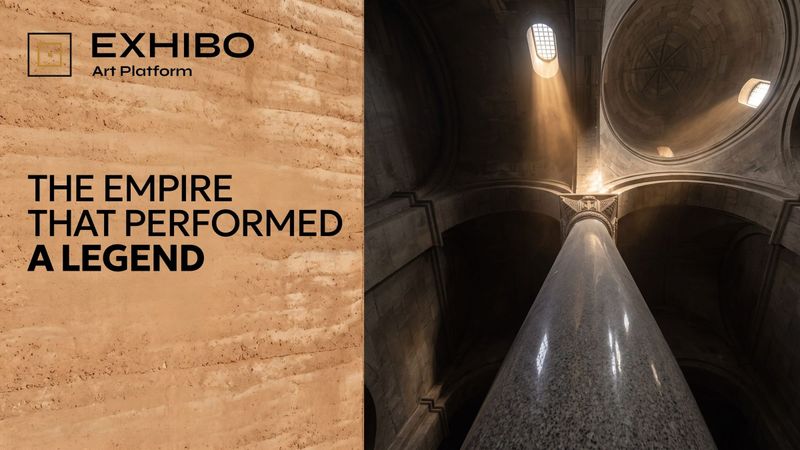
A massive granite column shaft under a stone arch, seen from below, with the dome springing above it.
Editorial

Seventy Thousand Solomons: The Empire That Performed a Legend

A demon catalogue in the conqueror's library, a sixteenth-century text where kingship is an office held seventy thousand times, and the columns a sultan dragged across three provinces to prove he held it.

Mehmed II kept a Greek catalogue of demons in his library at Topkapı. Seventy years later a sultan named for a prophet was rebuilding the walls of Jerusalem and hauling Roman columns out of Egypt and the Lebanon into a mosque above the Golden Horn. In between, Ottoman writers turned Solomon from a warning into a job — and the empire applied for it in stone.