Qatar National Library
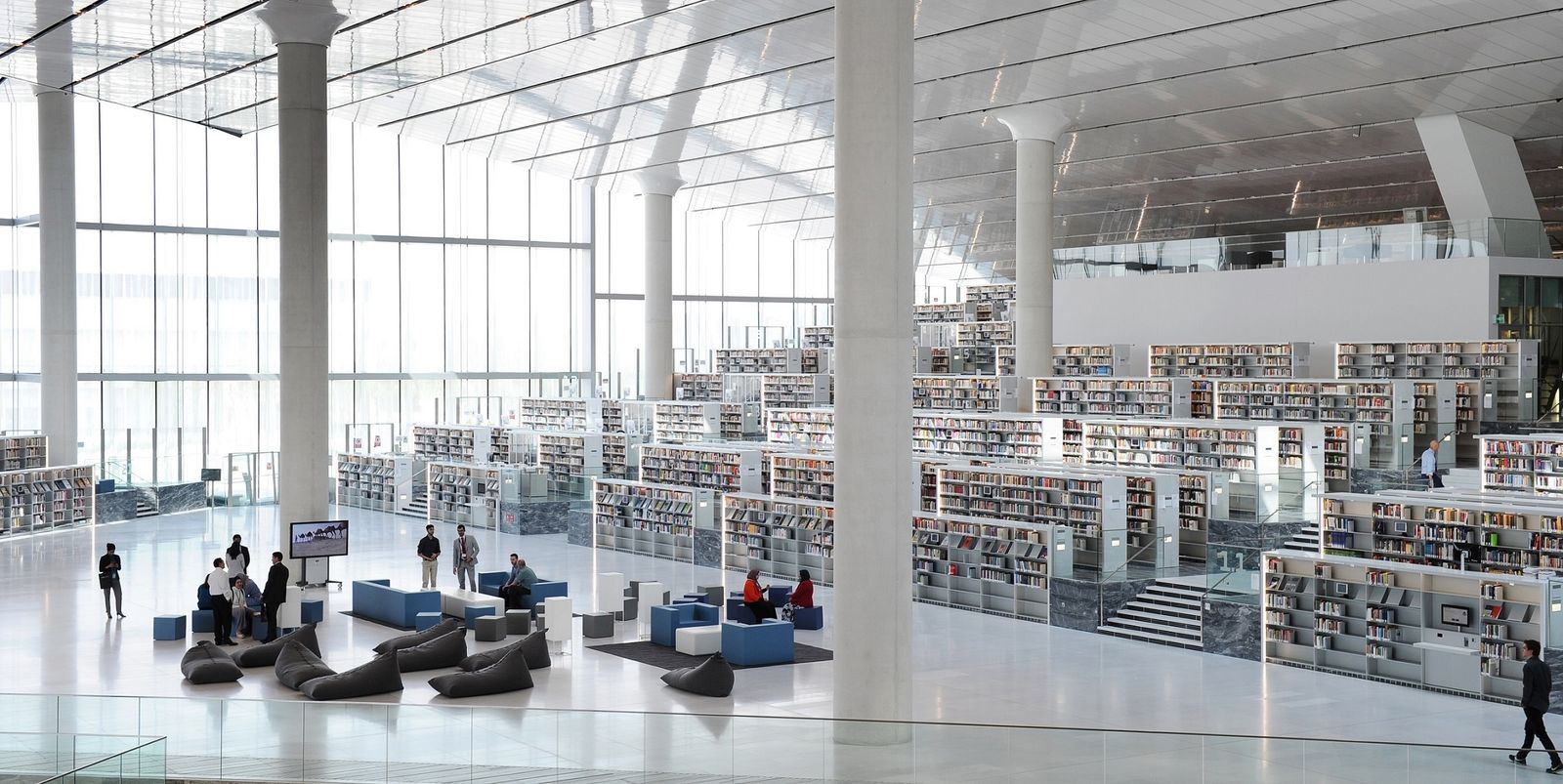
Rem Koolhaas's diamond-shaped library — shelves rising from the floor and a Heritage Library of rare Arab manuscripts.
Designed by Rem Koolhaas, Qatar National Library treats books as architecture: shelves emerge from the floor in a single open hall lit through a faceted glass shell. The 45,000-square-metre building houses the Heritage Library — rare manuscripts, early Arabic printed books, maps and globes, some dating to the fifteenth century — alongside conservation labs, digitisation studios and Innovation Stations for 3D printing, sound editing and videography.
The library is deliberately public: children's areas, study rooms, an auditorium and a café make it a working community space rather than a silent vault.
Exhibo editorial
Even if you are not registering for a reader's card, the main hall is one of Doha's great interior experiences — light, scale and the visible weight of books in Qatari culture.
Combine with the Education City Mosque or Mathaf for a coherent Al Rayyan day; metro access via Qatar National Library station simplifies logistics.
How to find it
Education City, Green Line metro: Qatar National Library. Ceremonial Court parking with shuttle every 15 minutes. Open Sat–Thu 8:00–20:00, Fri 16:00–20:00.
Similar places
All places
News by Exhibo
Editorial coverage on Exhibo
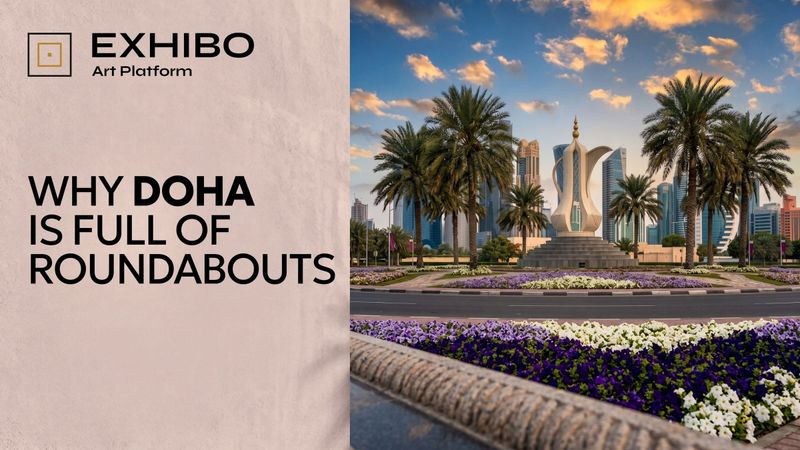
Why Doha Is Full of Roundabouts
An old circle at a crossroads, sharpened by British road engineering, became the way an Arabian city found its way and remembered itself — and it took the bulldozers to reveal it.
In a city where a landmark was more useful than an address, Doha's roundabouts became its navigation, its landscaping and its national image all at once. Now they're being torn out for signalled junctions — and the affection for them arrived, as one scholar put it, only posthumously.
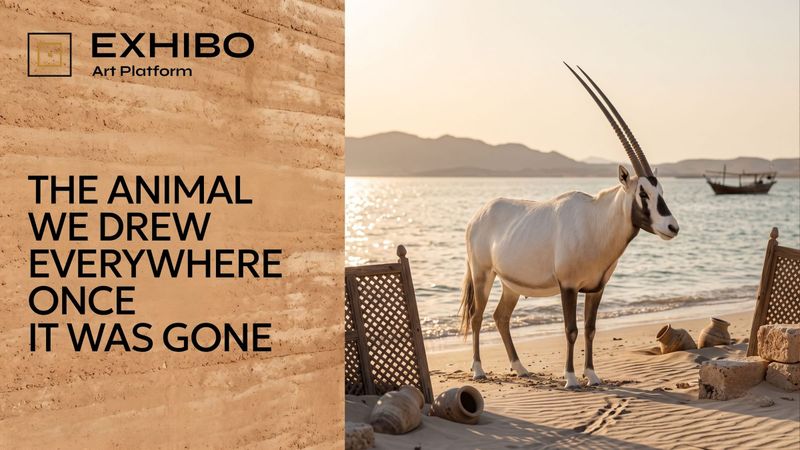
The Animal We Drew Everywhere Once It Was Gone
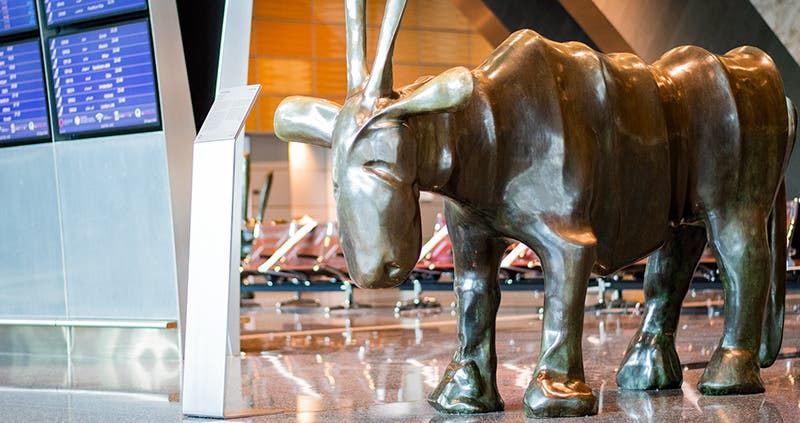
From Neolithic rock to airline tailfin — how the Arabian oryx vanished from the desert, came back from nine animals, and multiplied everywhere as a symbol in the very decades it was gone.
The last wild Arabian oryx was shot in 1972. By then it was already a picture — carved on Bronze Age tombs, mistaken by the ancients for a unicorn, praised by poets as the eyes of the beloved. This is the story of an animal that went extinct in the wild and was brought back from nine survivors, and of the strange gap between the creature and the emblem it became: fast, sharp and ascendant on a nation's tailfin, while the animal itself survives by standing still in the shade.
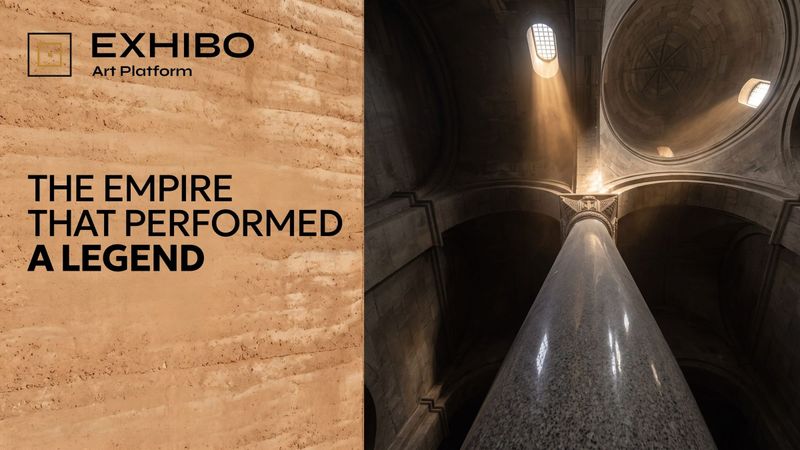
Seventy Thousand Solomons: The Empire That Performed a Legend
A demon catalogue in the conqueror's library, a sixteenth-century text where kingship is an office held seventy thousand times, and the columns a sultan dragged across three provinces to prove he held it.
Mehmed II kept a Greek catalogue of demons in his library at Topkapı. Seventy years later a sultan named for a prophet was rebuilding the walls of Jerusalem and hauling Roman columns out of Egypt and the Lebanon into a mosque above the Golden Horn. In between, Ottoman writers turned Solomon from a warning into a job — and the empire applied for it in stone.