Museums & Art Institutions of the Middle East
Editorial essays on the foundations, museums, biennials and collections that built the region's art world — how they make work possible, keep the record, and decide what counts. The Sharjah Art Foundation, Mathaf, Barjeel, the Louvre Abu Dhabi, the Saudi biennales, read from the inside.
There is a room in Sharjah where dates were once pressed into syrup, its stone floor cut with channels for the run-off. During a restoration someone laid glass over it so visitors would not stumble, and years later an artist walked in, saw blue light rising through the floor, and made it the sea. You cannot fund a moment like that. You can only build the room and leave it open. This series of editorial essays is about the institutions across the Middle East and North Africa that build the rooms — how they make art possible, how they keep the record, and who, in the end, decides what counts.
How the work becomes possible
Before a market exists, someone has to make the work possible. The Sharjah Art Foundation produces work outright — funding performance, sound and long-form research that no gallery could sell, and producing it alongside the artist rather than waiting for delivery. Not every institution works this way; some sit much closer to the market. But the throughline of the series is that the funding model quietly decides the art form, and each essay follows that decision to what actually ends up on the wall — or off it, in a film, a book, a piece that belongs only to the room it was built for.
The rooms themselves
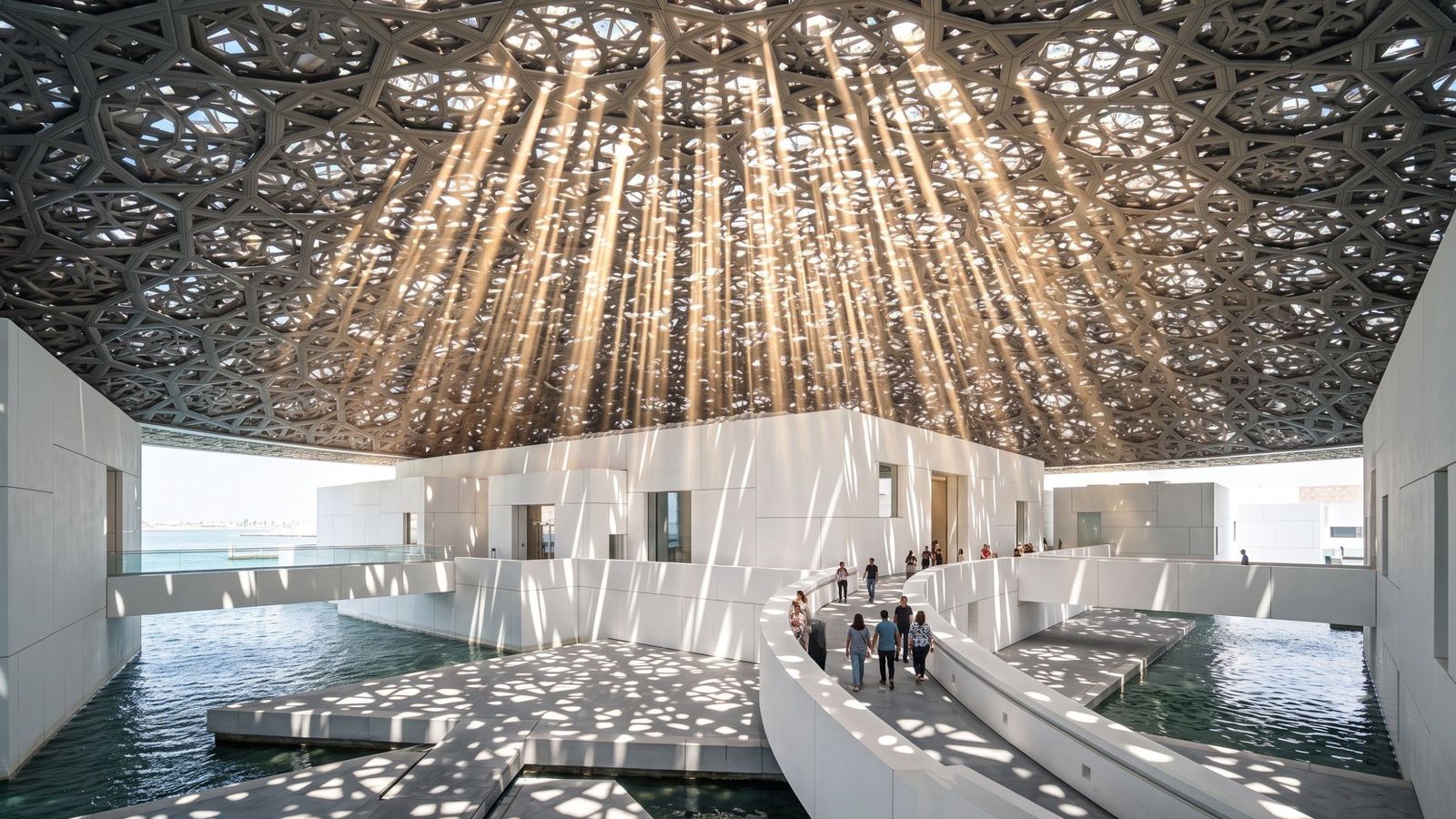
Institutions here are architecture as argument. Sharjah set new galleries on the footprints of old courtyard houses so an artist can choose how much history to stand inside. The Louvre Abu Dhabi filtered a universal museum through Jean Nouvel's dome of light. I.M. Pei came out of retirement for the Museum of Islamic Art in Doha; the Grand Egyptian Museum is the largest archaeological museum on Earth. Each essay reads a building as a statement about how art should be seen, and what a place is claiming when it builds one.
Who keeps the record, and who saved it first
A canon survives because someone chose to keep it. Mathaf in Doha holds the largest collection of modern Arab art anywhere, built quietly from the early 1990s by a single collector before it became a national institution. The Barjeel Art Foundation, founded in 2010 by Sultan Sooud Al Qassemi, assembled over a thousand works and then did the rarer thing — put them on public display and lent them to rewrite the story. These essays trace the collectors and archives that held the work when no one else would, and what it means that private taste shaped a public record.
Who curates, and who decides what counts
This is the layer most accounts skip, and the one the series insists on. In 2003 a twenty-two-year-old set aside the national-pavilion model at the Sharjah Biennial and rebuilt it to world standards — a single curatorial decision that made a small emirate a power in the geopolitics of culture. Curators are not neutral: Nada Shabout, Wassan Al Khudhairi, Suheyla Takesh and their peers decide what a region's art looks like from outside. And when a ruler's Orientalist collection hangs beside Arab modernism, the juxtaposition is making an argument. We name the people, and we ask what is at stake in who gets to say what matters.
Where the power is moving
The map is not settled. For a decade the Gulf's art power sat with the UAE and Qatar; now analysts openly debate whether Saudi Arabia's spending — the Diriyah Biennale, a cultural investment at national scale — has moved it to Riyadh. Alserkal Avenue turned a Dubai warehouse district into an art quarter; Art Jameel built centres in Dubai and Jeddah; AlUla stages land art in a Nabataean valley; and yes, somewhere in this ecology sits the plain question of how the market actually works — who buys, what it costs, why prices lag significance. Each essay ends where Exhibo begins, on the institution's own page, its exhibitions and the works you can go and stand in front of.
Articles in this series
- EditorialInstitutions
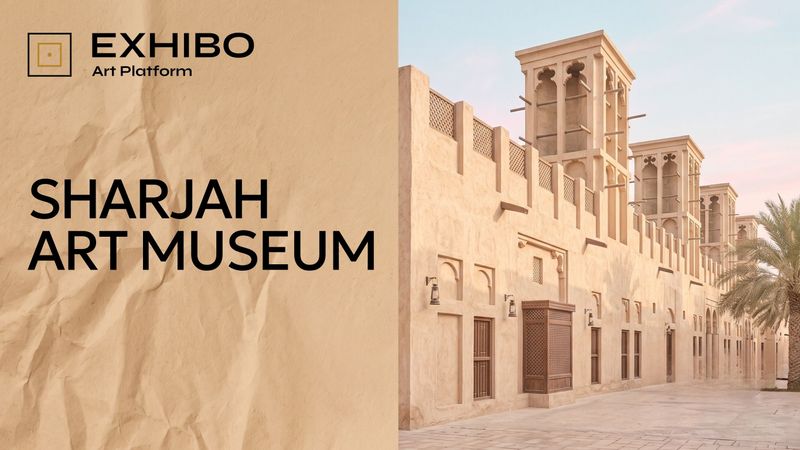
Sharjah Art Museum: Who Gets to Draw the Arab World
Inside one of the Gulf's first dedicated art museums, the Western Orientalist pictures that once framed the East hang under the collection of the ruler who spent his life writing back against them
In one Sharjah gallery hang the Western pictures that once framed the East — assembled by the ruler who spent his life contesting them. A long read on who controls the image of a place.
- EditorialInstitutions
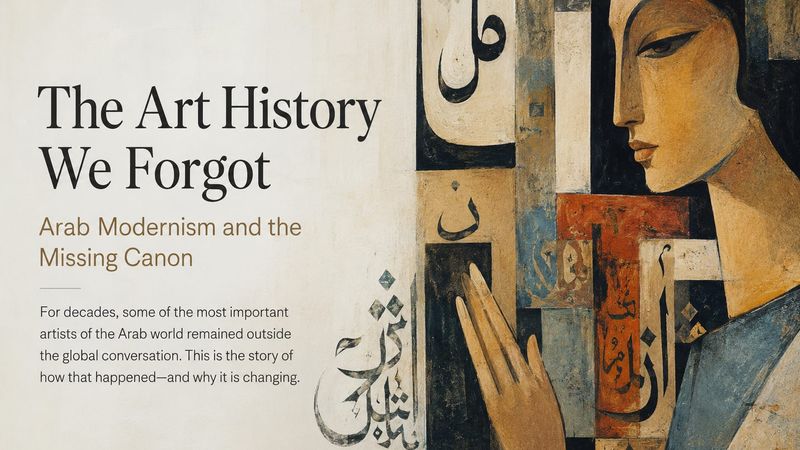
Arab Modernism 101: The Movement That Western Art History Forgot
An entire century of extraordinary painting, sculpture and radical thinking got written out of the global canon. Someone made that decision. And now the market — and the collectors who pay attention — are making a different one.
Great art does not become invisible by accident. Arab Modernism reveals how museums, markets and cultural institutions shape what the world sees — and what it overlooks. A story about artists, recognition and the blind spots that define art history.
- EditorialInstitutions
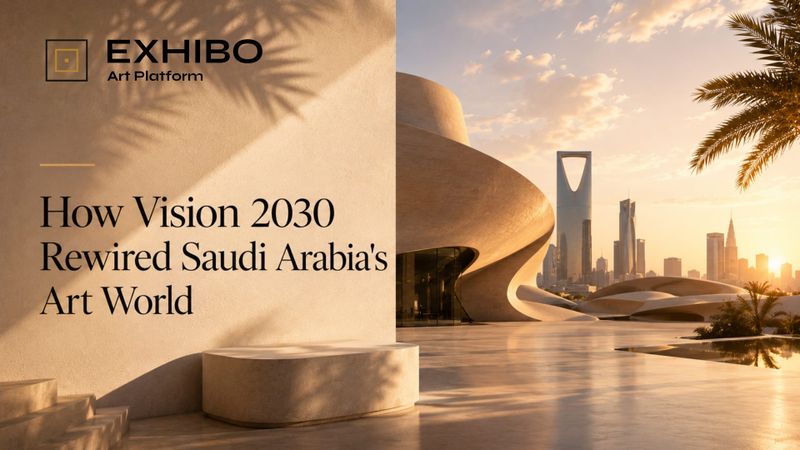
How Vision 2030 Rewired Saudi Arabia's Art World
In a single decade, the Kingdom built a contemporary art ecosystem from almost nothing — ministries, biennials, museums, a market. Here is how it happened, what it has produced, and the questions that remain.
Vision 2030 did not simply fund some exhibitions; it rewired the institutional plumbing of an entire art world, and did so fast enough to unsettle the assumptions on which the Gulf's art map had been drawn.
- EditorialInstitutions
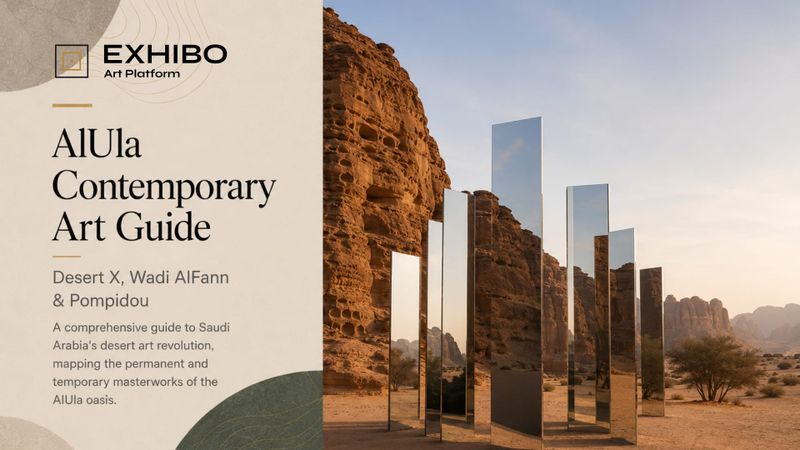
AlUla: How the Desert Became a Contemporary Art Destination
A comprehensive guide to Saudi Arabia's desert art revolution, mapping the permanent and temporary masterworks of the AlUla oasis.
Discover how AlUla transformed from an ancient trade route into a leading destination for contemporary land art. Explore the curatorial vision behind Desert X 2026, the permanent monumentality of Wadi AlFann, and the upcoming Contemporary Art Museum partnered with Paris's Centre Pompidou.
- EditorialInstitutions
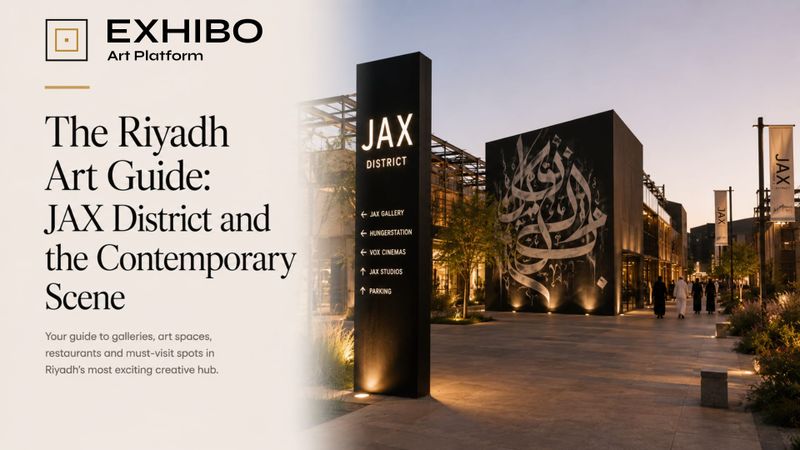
The Riyadh Art Guide: JAX District and the Contemporary Scene
An insider's directory to navigating the capital's changing creative spaces, from transformed industrial warehouses to central gallery hubs.
Riyadh's contemporary art scene is expanding at an extraordinary pace. Discover the city's essential creative hubs, from the monumental converted warehouses of the JAX District to the bustling commercial galleries of Al Olaya, with Exhibo's comprehensive cultural guide.
- EditorialInstitutions
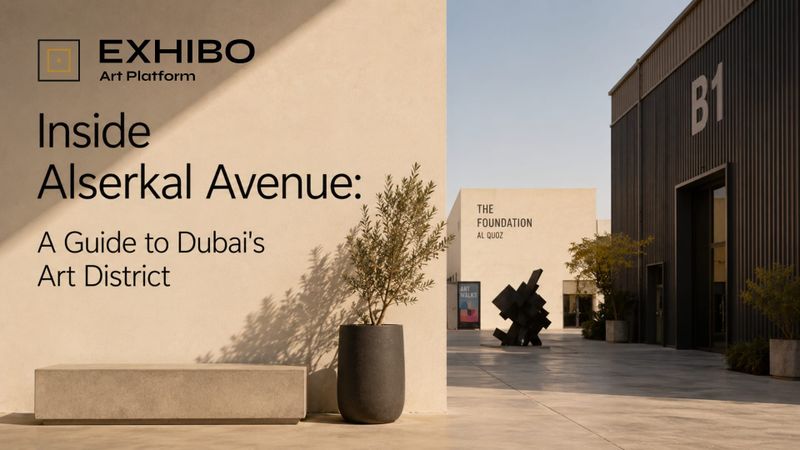
Inside Alserkal Avenue: A Guide to Dubai's Art District
How a row of Al Quoz warehouses became the most serious address in Gulf contemporary art — and how to navigate its galleries, foundations and programme.
Alserkal Avenue sits in Al Quoz Industrial Area 1 — a grid of concrete warehouses and marble workshops wedged between Sheikh Zayed Road and Al Khail Road — and it is, improbably, the most culturally credible square kilometre in the Gulf.
- EditorialInstitutions
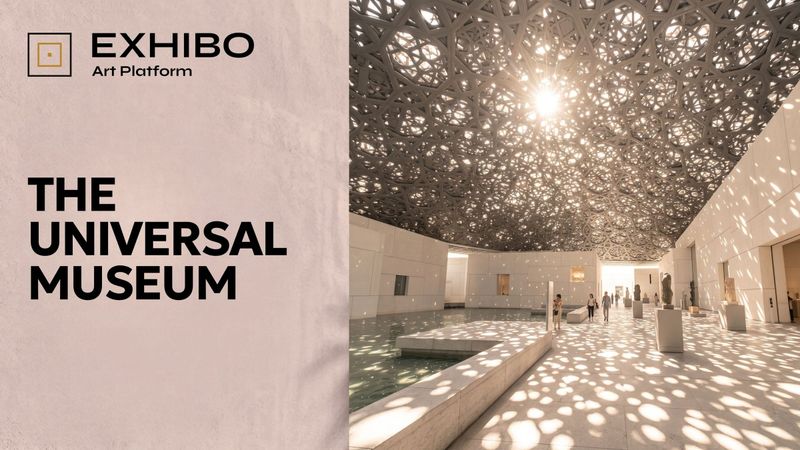
The Universal Museum, Rebuilt on Arab Soil
How Abu Dhabi took one of the West's most contested ideas — the museum that claims to hold all of humanity — and moved the question of who gets to frame the world
A portolan chart in the floor, three ewers without a hierarchy, and a $450-million Leonardo no one has seen since it was bought. The Louvre Abu Dhabi is a French–Emirati experiment in what the universal museum becomes when it is rebuilt from a different centre — and whether that moves the centre, or merely moves the Louvre, is the question the building leaves open.
- EditorialInstitutions
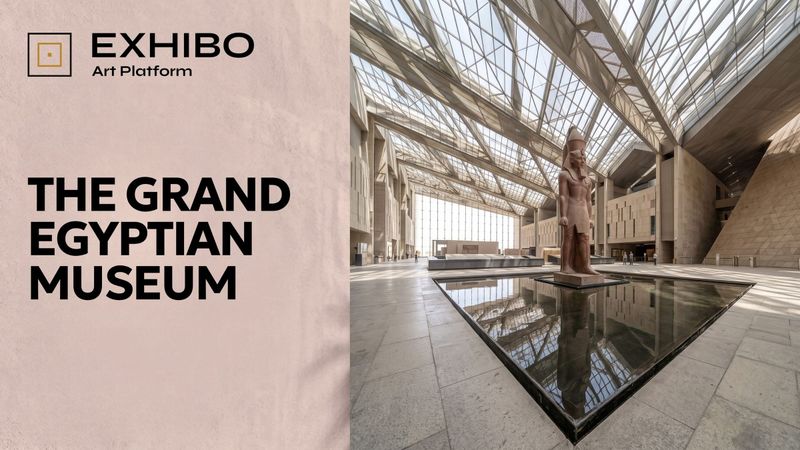
The Museum That Reflects Everything, Including You
How the world's largest single-civilisation museum gathers a nation's heritage, national story, tourism economy and repatriation claims under one reflective roof — and what those mirrored surfaces quietly ask of everyone who walks in.
Around the colossus of Ramses II, shallow pools mirror the floor so exactly that visitors keep stepping in. It is a small, faintly comic thing — and a way into a much larger question about the Grand Egyptian Museum. A civilisation is gathered here and made whole, while its three most famous faces stay abroad. A home for a nation's heritage opens, and the nation queues outside it. A monument to Egyptian sovereignty rises, financed largely from Tokyo.
- EditorialInstitutions
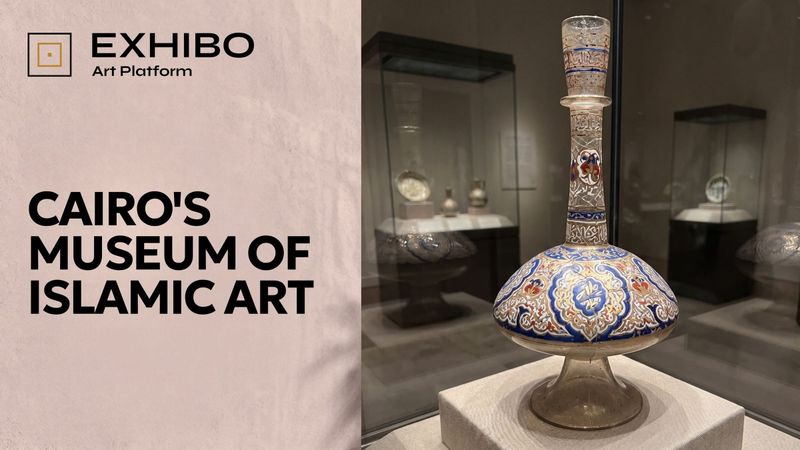
The Bottle That Was in Pieces on the Floor
A car bomb left one of the world's great collections of Islamic art in fragments on the floor. What the Museum of Islamic Art chose to do with the repair — mark it, rather than hide it — turns out to be the most quietly radical decision in the building.
Near the entrance of Cairo's Museum of Islamic Art stands an eight-hundred-year-old Syrian glass bottle with a small gold mark on its label. The mark does not mean the bottle is precious, though it is. It means it was broken — shattered on the floor by the 2014 bombing across the street, then patiently glued back into a single shape.
- EditorialInstitutions
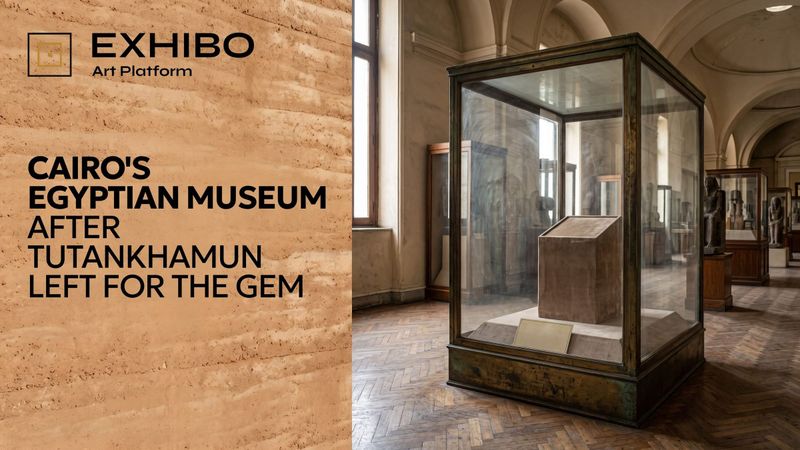
The House Whose Famous Guests All Moved Out
When Tutankhamun's mask left Cairo's Egyptian Museum for the Grand Egyptian Museum, it took the crowds with it — but not the collection. What remains in the old building on Tahrir Square turns out to be a stranger and more interesting museum than the one that emptied.
For most of a century, the golden mask of Tutankhamun stood behind glass on the upper floor of the Egyptian Museum in Cairo. In October 2025 it was driven out to Giza, and it was not the only thing to go: the royal mummies, the whole Tutankhamun collection, tens of thousands of objects have left the old museum for Egypt's gleaming new institutions.
- EditorialInstitutions
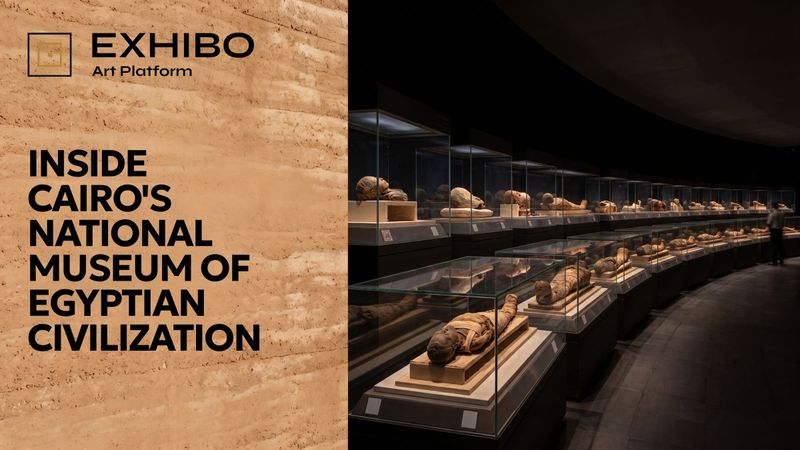
The Museum of Everything That Became a Tomb
Egypt built a museum to tell the story of an entire civilisation — seven thousand years of it, from flint tools to the present. The public knows it for one thing: the room where twenty dead kings lie in the dark.
In a black, hushed hall beneath the National Museum of Egyptian Civilization in Old Cairo lie the mummified bodies of Ramesses II, Hatshepsut, and eighteen other rulers of the New Kingdom — carried here in 2021 in a televised parade watched around the world.