Souk El Attarine and Souk Chaouachia, Tunis
The perfumers' souk at the door of the Zitouna and the vaulted lanes where the red chechia is still made.
Souk El Attarine
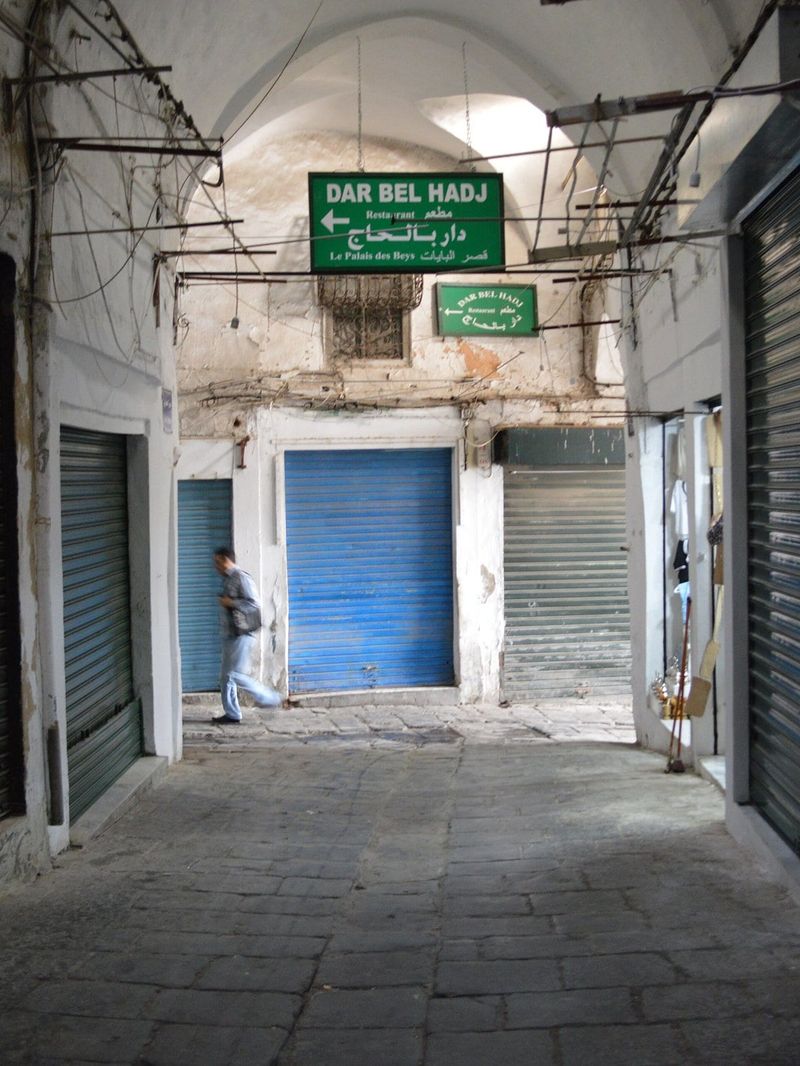
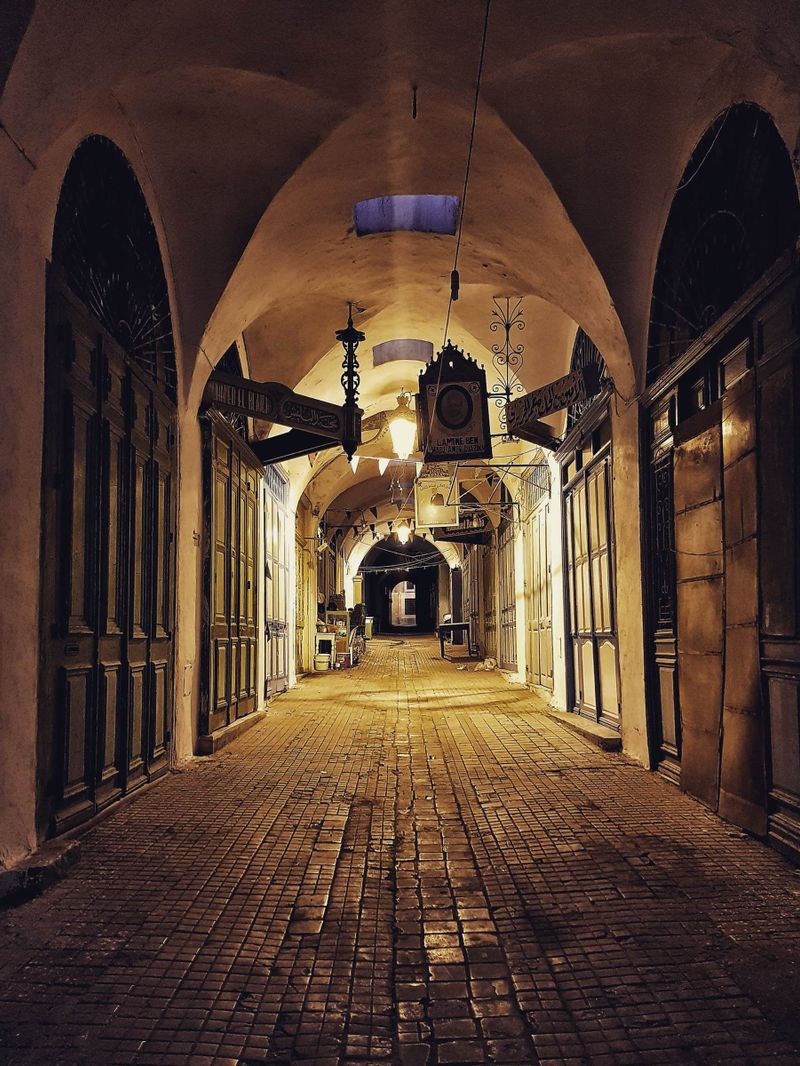
Souk El Attarine, the souk of the perfumers, runs along the western side of the Zitouna Mosque. It is one of the oldest markets of the Medina of Tunis. It was built in the Hafsid period, around 1240, under the sultan Abu Zakariya. The idea was simple: the finest trades were placed closest to the great mosque. Perfumers sold essences, incense and henna here. The scent of the shops reached the doors of the mosque.
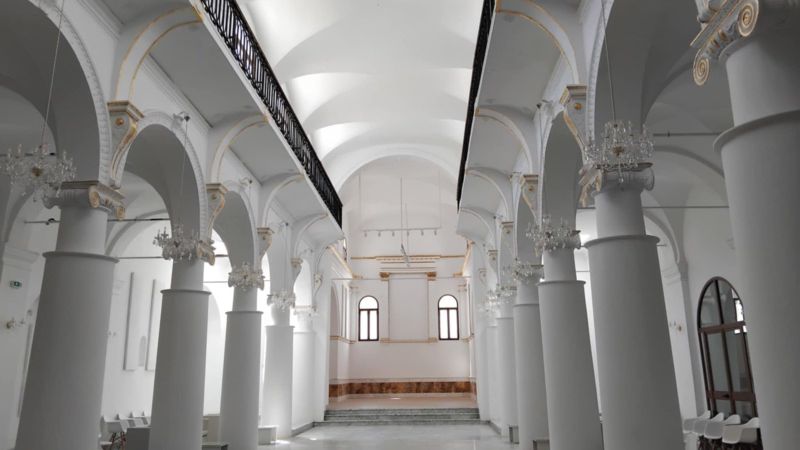
The souk is a straight lane under a whitewashed vault, lined with small shops with painted wooden shutters. Shops still sell rose and orange blossom water, jasmine oils and the decorated bottles and candles used at weddings. The building of the old National Library also stands in the souk.
Souk Chaouachia
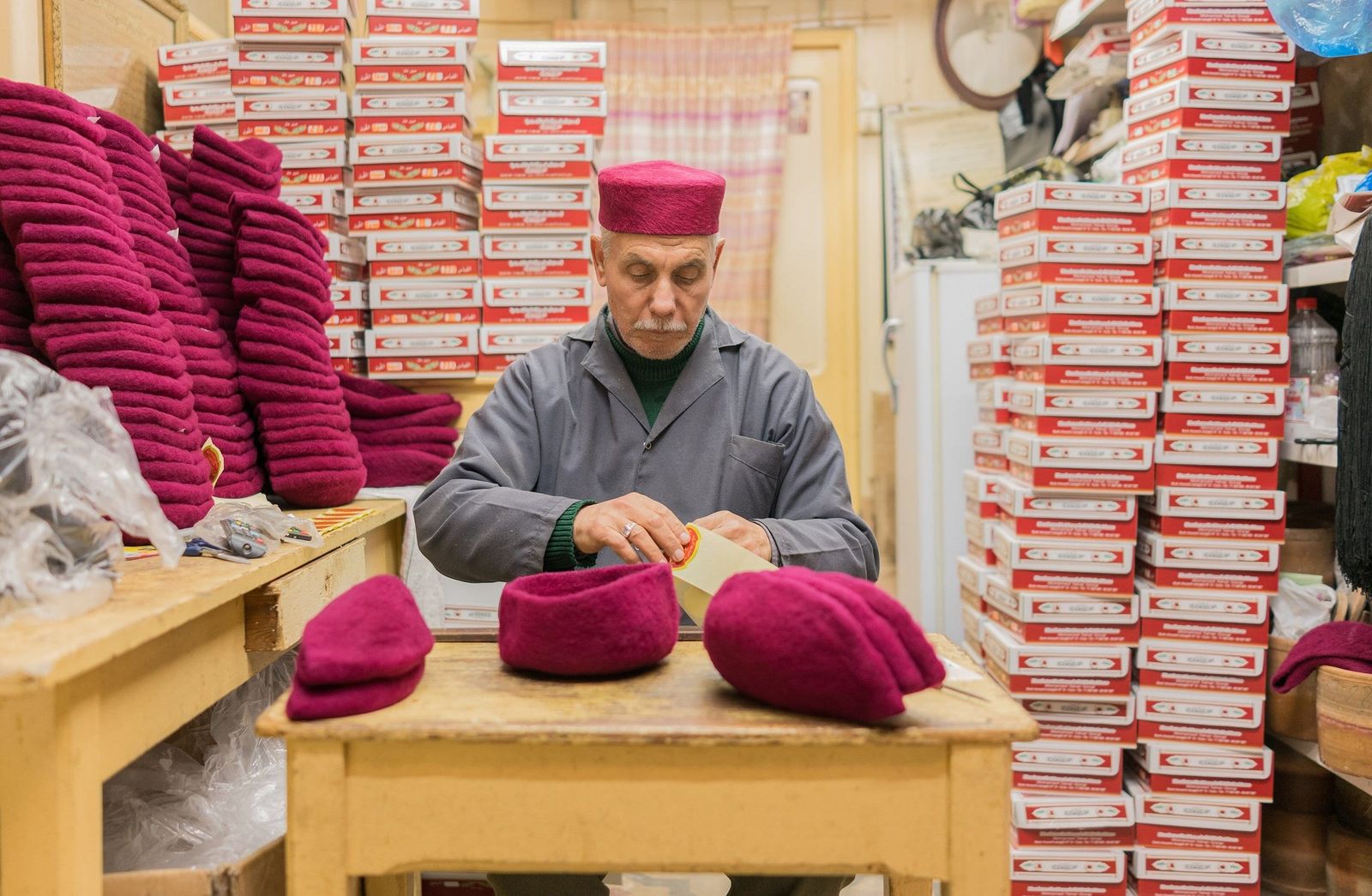
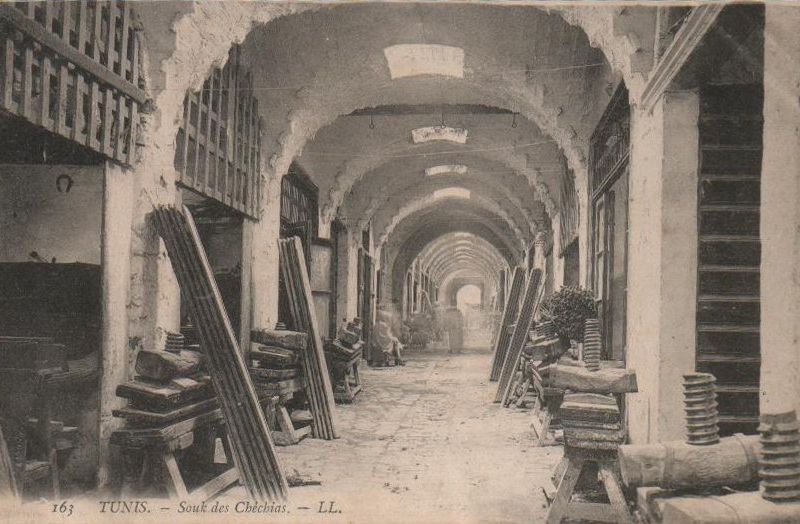
A few steps west lies Souk Chaouachia, the market of the chechia makers. The chechia is the soft red felt cap worn in Tunisia, traditionally made by Andalusian craftsmen who settled in Tunis after leaving Spain in the 17th century. Their souk was built in 1691 and 1692 by Mohamed Bey El Mouradi. It has two parts, a grand souk and a small souk, with vaulted lanes and shops raised a little above the street.
Making a chechia takes many hands and several weeks. The wool is knitted, then shrunk, dyed red, brushed with thistles and shaped on moulds. Some of these stages are still done in the workshops of the souk, where the caps hang in red stacks.
The souks today
The two markets belong to a web of covered souks around the Zitouna, each once given to a single trade. Souk El Berka is close by. Most shops open from morning until early evening and close on Sundays.
Exhibo editorial
Smell comes first in Souk El Attarine. Rose water, musk, a little incense. It is a very old idea, to put the perfumers next to the mosque so that people walk to prayer through scent. It still works.
In Souk Chaouachia the colour takes over. Stacks of red caps, older men at low benches brushing felt with dried thistles, a mould on every counter. Few crafts in the medina are this old and still this busy. Buy a chechia here and you buy it from the people who made it.
Gallery
How to find it
Souk El Attarine starts at the western wall of the Zitouna Mosque; from Rue Jamaa Ez Zitouna turn right along the mosque. Souk Chaouachia lies a few minutes further west, towards Kasbah Square.
Similar places
All places
News by Exhibo
Editorial coverage on Exhibo
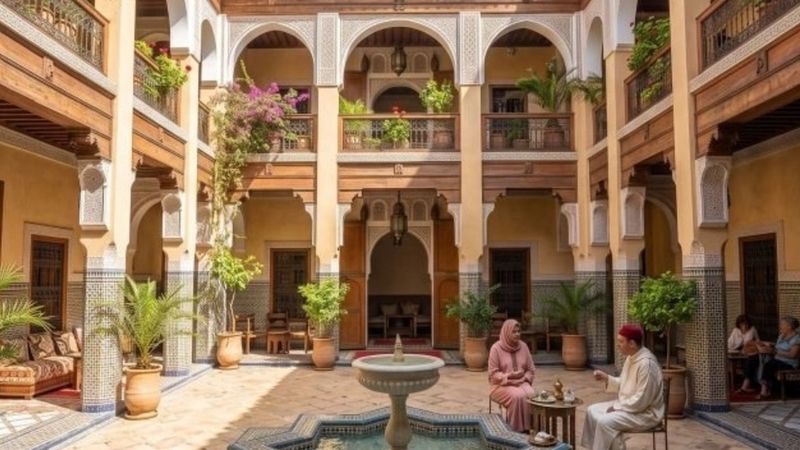
Why North African Cities Turn Inward: The Story of the Courtyard
A courtyard plan far older than Islam turned North African houses — and the medinas built from them — to face inward. Climate and religion only half-explain why, and what finally displaced the courtyard says the rest.
The blank walls and inward courtyards of Fez, Tunis, Algiers and Cairo are usually explained by heat or religion. Both are true; neither is the whole story. The clue is in what eventually pushed the courtyard out of the modern city.
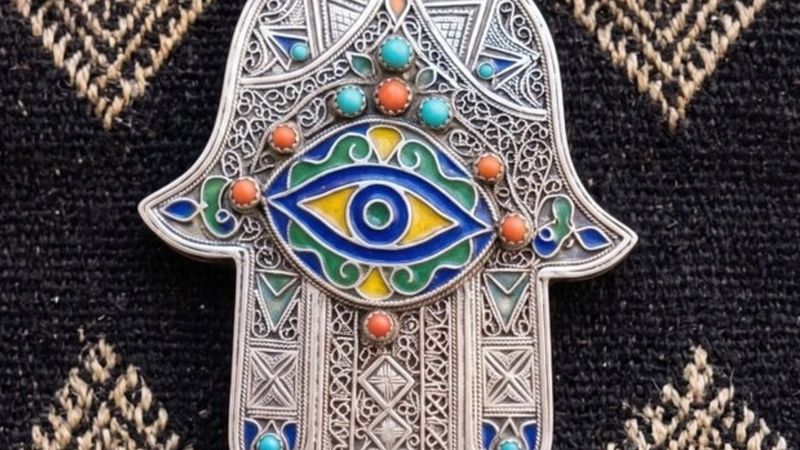
The Hand That Everyone Named After Their Own
The Khamsa across North Africa — Marrakech, Tunis, Algiers — and why the oldest thing about it is the shape, not the story.
Everyone calls it something different — the Hand of Fatima, the Hand of Miriam, the Hand of Mary. One five-fingered shape, several holy names, each written onto it by a community that made it its own. From a carved hand over the Alhambra's gate to Kabyle silver, synagogue lamps and a boy on a Marseille motorway, this is the story of a symbol older than the names it carries — and shared by more people than any one of them.

Becoming the Ocean: BIM'26 Opens Within Jaou Tunis
Sixteen newly commissioned works confront the collapse of inherited orders at the Biennale de l'Image en Mouvement
Curated by Lina Lazaar and Andrea Bellini, the eighth edition of the Biennale de l'Image en Mouvement unfolds at the Caserne El Attarine in Tunis, asking what it means to think from interdependence rather than separation.