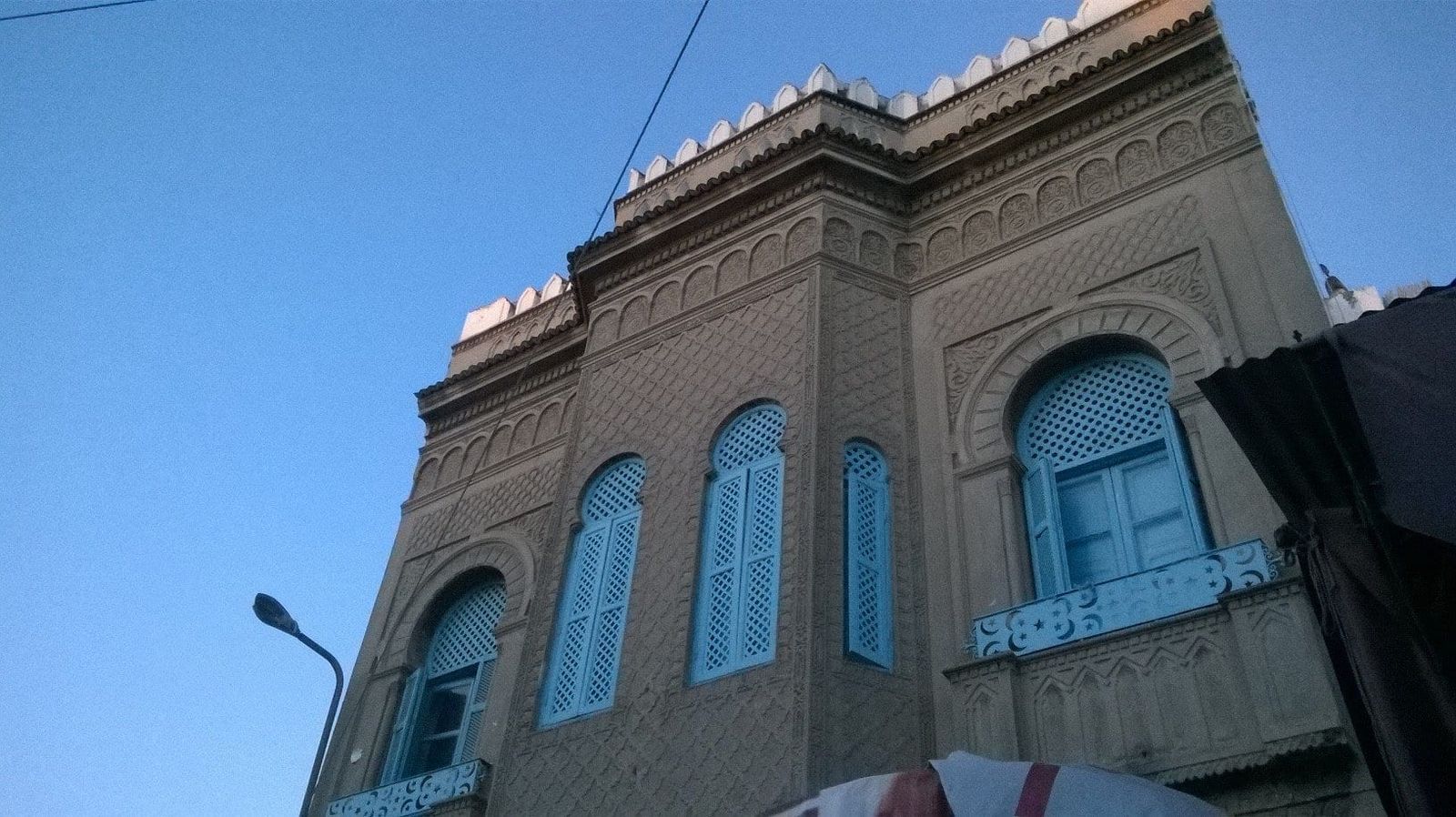
Bab Souika and Halfaouine, Tunis
The northern suburb of the medina, its squares crowded with cafés and families on Ramadan nights.
The northern suburb
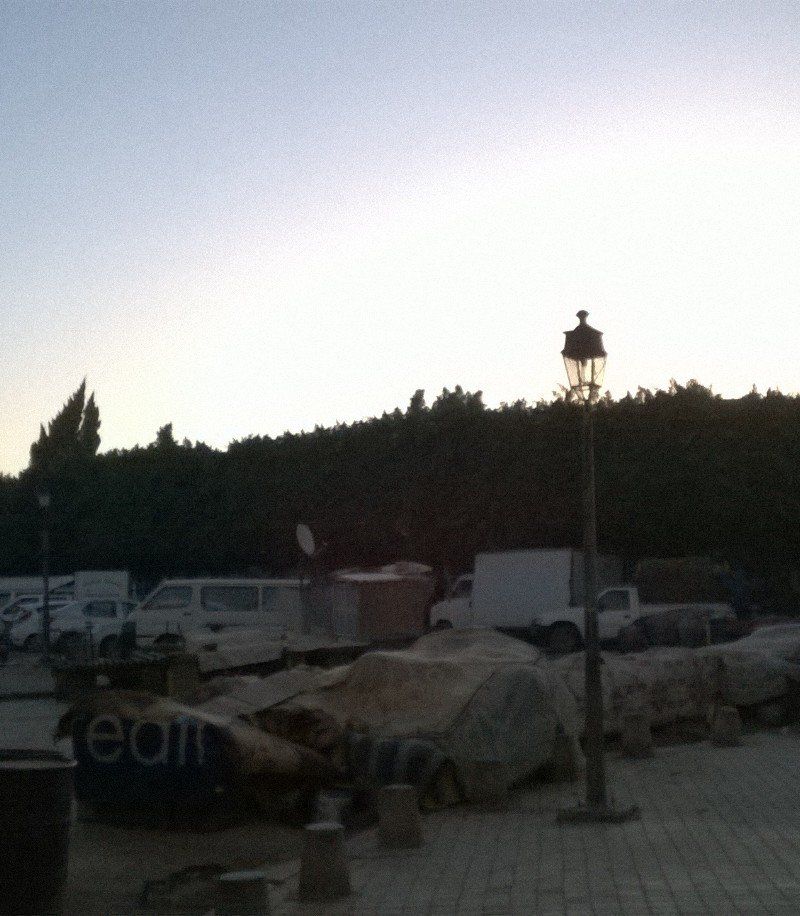
Bab Souika and Halfaouine form the northern suburb of the Medina of Tunis, outside the line of the old inner walls. Bab Souika was the name of a gate, the gate of the little market. The gate itself has gone, but the name lives on in the square that replaced it, one of the liveliest crossroads of old Tunis. Halfaouine is the quarter just to the north-west, around its own square.
Saheb Ettabaa
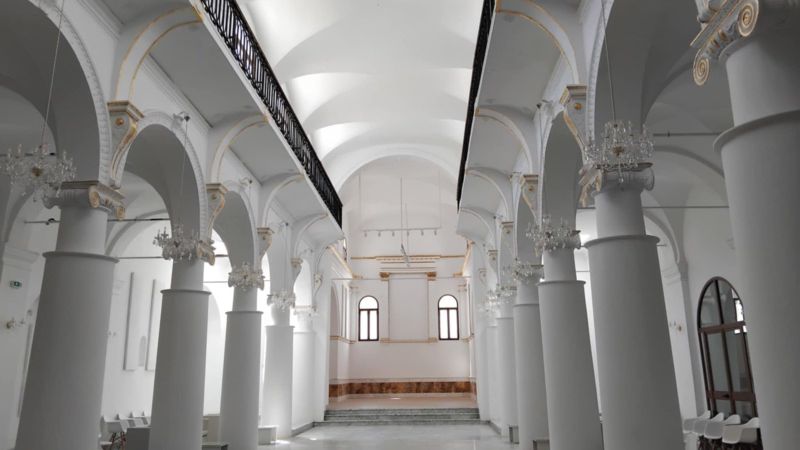
The landmark of Halfaouine is the mosque of Youssef Saheb Ettabaa. It was built in the early 19th century by the grand vizier of Hammuda Pasha, whose title, Saheb Ettabaa, means keeper of the seal. It was the last great mosque built in Tunis under the beys. Its octagonal minaret and arcaded galleries stand on the square. Around it the vizier built a palace, a madrasa, a market and other buildings, a whole complex in the Ottoman manner.
Ramadan nights
The quarter is best known for its evenings in Ramadan. After the breaking of the fast, families come out to the squares of Bab Souika and Halfaouine. Cafés fill up, sweets are sold from stalls and the streets stay busy until late at night. In 1990 the film director Férid Boughedir set his coming-of-age film Halfaouine, Child of the Terraces in the quarter.
Around
The Sidi Mahrez Mosque stands at the edge of Bab Souika. The Hafsia Quarter quarter lies to the east.
Exhibo editorial
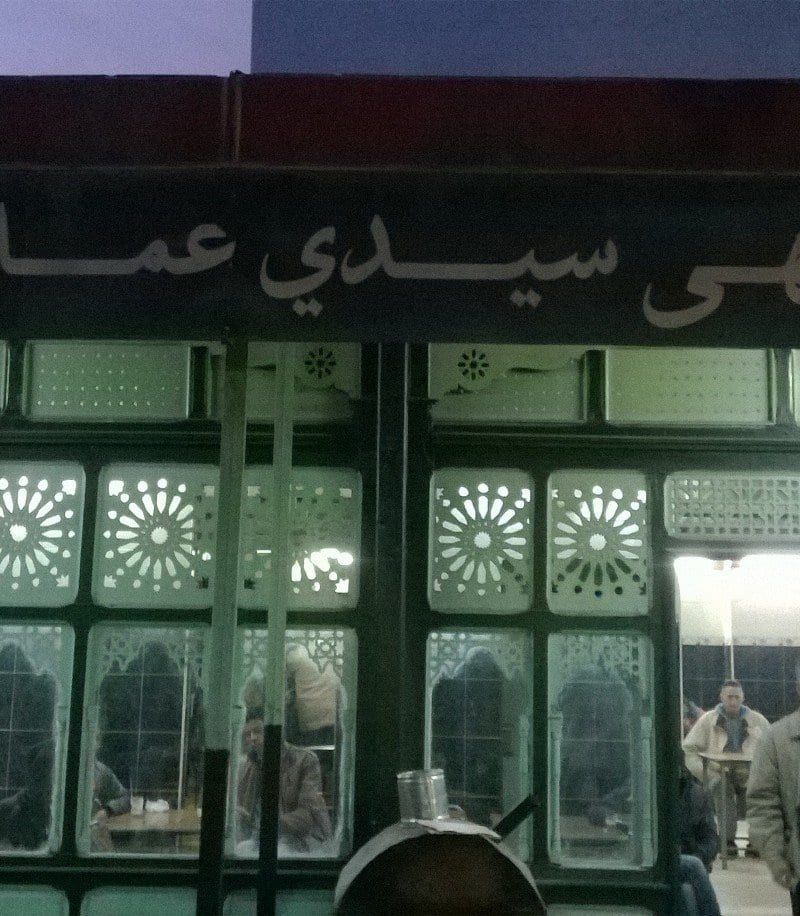
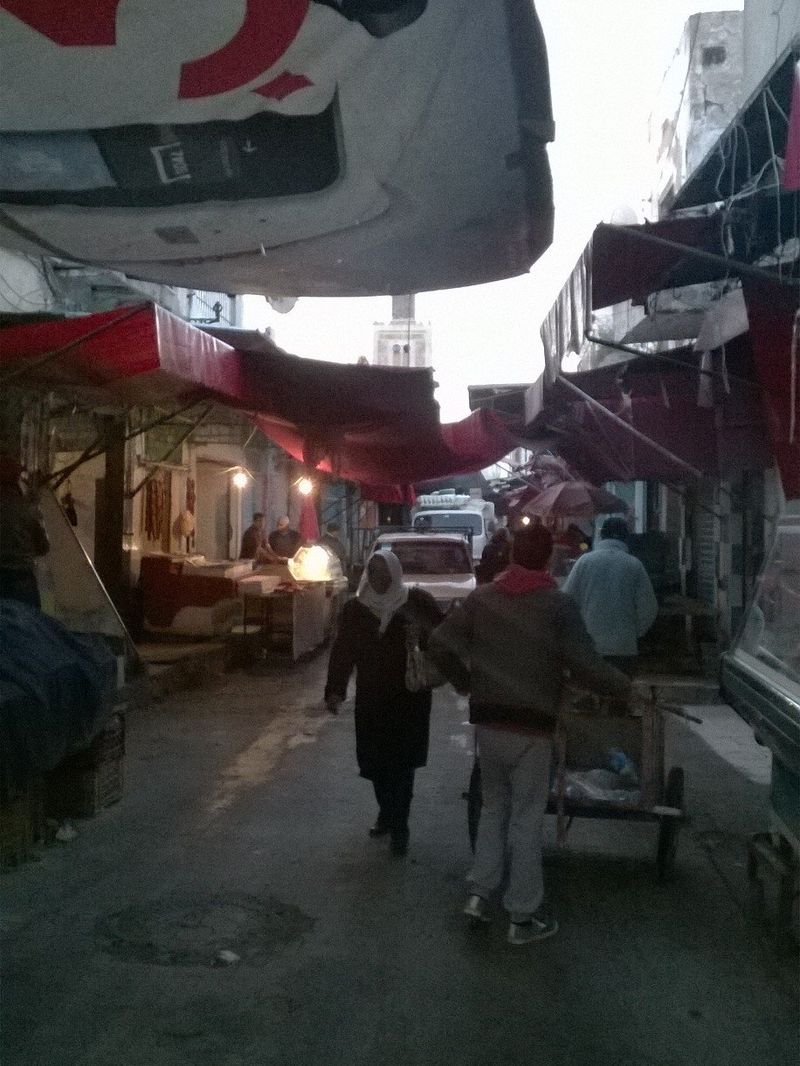
Most visitors never cross north of the Zitouna. Bab Souika is where the medina stops being a monument and becomes a neighbourhood again: barbers, bakeries, kids on bikes, old men playing cards in cafés with tiled fronts.
Come in Ramadan if you can. An hour after sunset the squares fill with families, the smell of fried dough and the noise of a hundred conversations. Nobody is performing for anyone. It is simply the best night out in Tunis.
Gallery
How to find it
Place Bab Souika is at the northern edge of the medina, about fifteen minutes' walk north of the Zitouna Mosque. Place Halfaouine is a few minutes further north-west along Rue Halfaouine. Evenings are busiest in Ramadan.
Similar places
All places
News by Exhibo
Editorial coverage on Exhibo
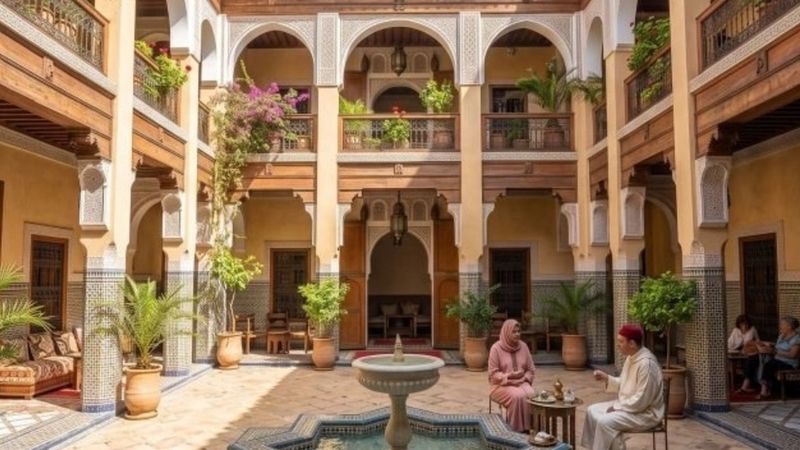
Why North African Cities Turn Inward: The Story of the Courtyard
A courtyard plan far older than Islam turned North African houses — and the medinas built from them — to face inward. Climate and religion only half-explain why, and what finally displaced the courtyard says the rest.
The blank walls and inward courtyards of Fez, Tunis, Algiers and Cairo are usually explained by heat or religion. Both are true; neither is the whole story. The clue is in what eventually pushed the courtyard out of the modern city.
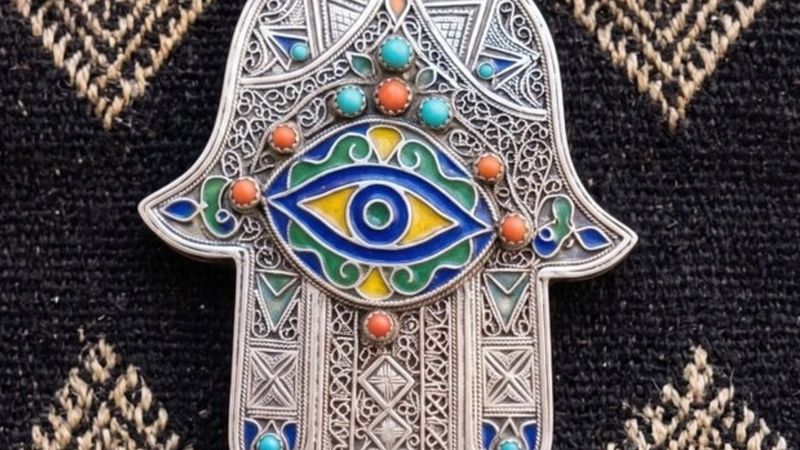
The Hand That Everyone Named After Their Own
The Khamsa across North Africa — Marrakech, Tunis, Algiers — and why the oldest thing about it is the shape, not the story.
Everyone calls it something different — the Hand of Fatima, the Hand of Miriam, the Hand of Mary. One five-fingered shape, several holy names, each written onto it by a community that made it its own. From a carved hand over the Alhambra's gate to Kabyle silver, synagogue lamps and a boy on a Marseille motorway, this is the story of a symbol older than the names it carries — and shared by more people than any one of them.

Becoming the Ocean: BIM'26 Opens Within Jaou Tunis
Sixteen newly commissioned works confront the collapse of inherited orders at the Biennale de l'Image en Mouvement
Curated by Lina Lazaar and Andrea Bellini, the eighth edition of the Biennale de l'Image en Mouvement unfolds at the Caserne El Attarine in Tunis, asking what it means to think from interdependence rather than separation.