Hafsia Quarter, Tunis
The old Jewish quarter of the medina, rebuilt in an award-winning project that kept its people in place.
The hara
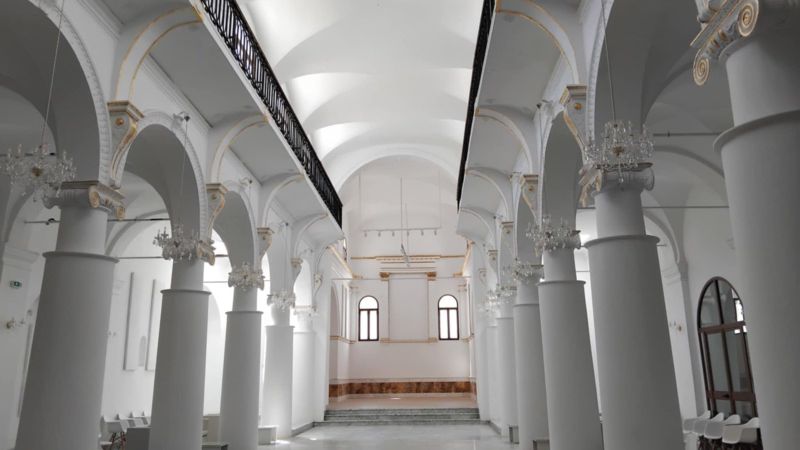
Hafsia lies in the north-east of the Medina of Tunis. For centuries it was the hara, the Jewish quarter of Tunis. Tradition links its founding to Sidi Mahrez, the patron saint of the city, who is said to have allowed the Jewish community to settle inside the walls. His mosque and shrine, the Sidi Mahrez Mosque, stand close by. The quarter had its own synagogues, schools and markets.
Demolition and departure
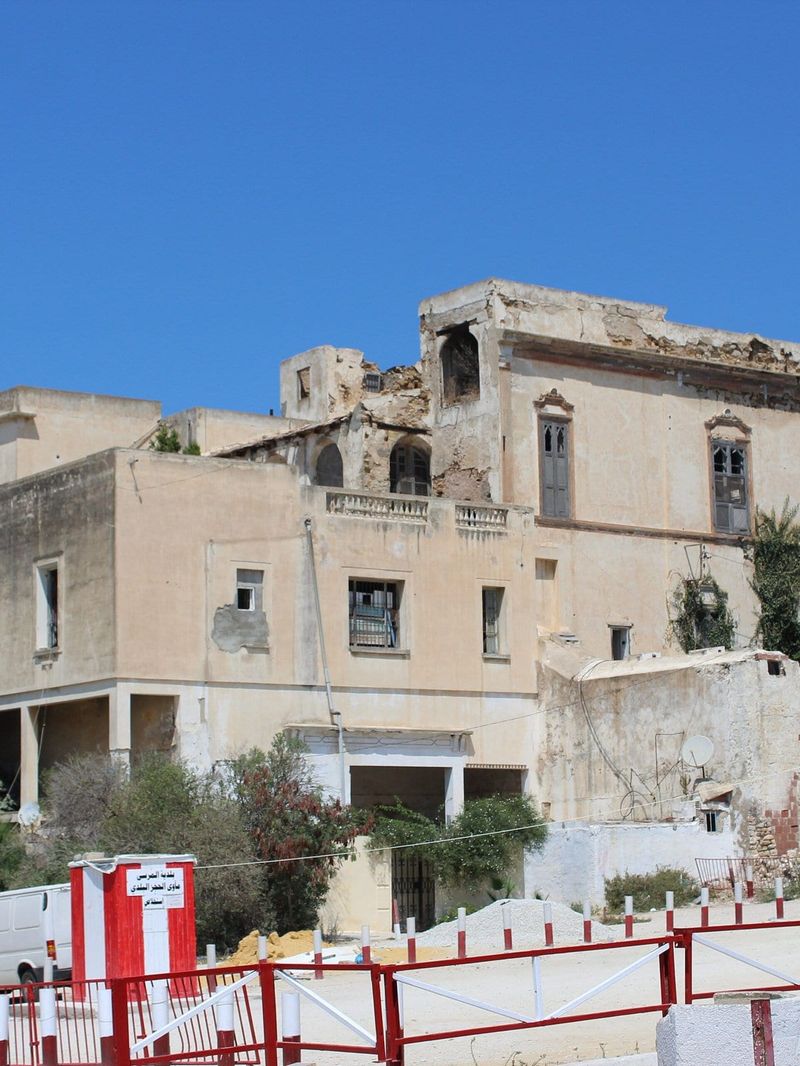
In the late 19th and 20th centuries many families left the crowded hara for the new European city outside the walls. Much of the old quarter was demolished in the 1930s as unsanitary. After Tunisian independence most of the remaining Jewish families emigrated. By the 1960s Hafsia was a district of empty plots and decaying houses.
A model of renewal
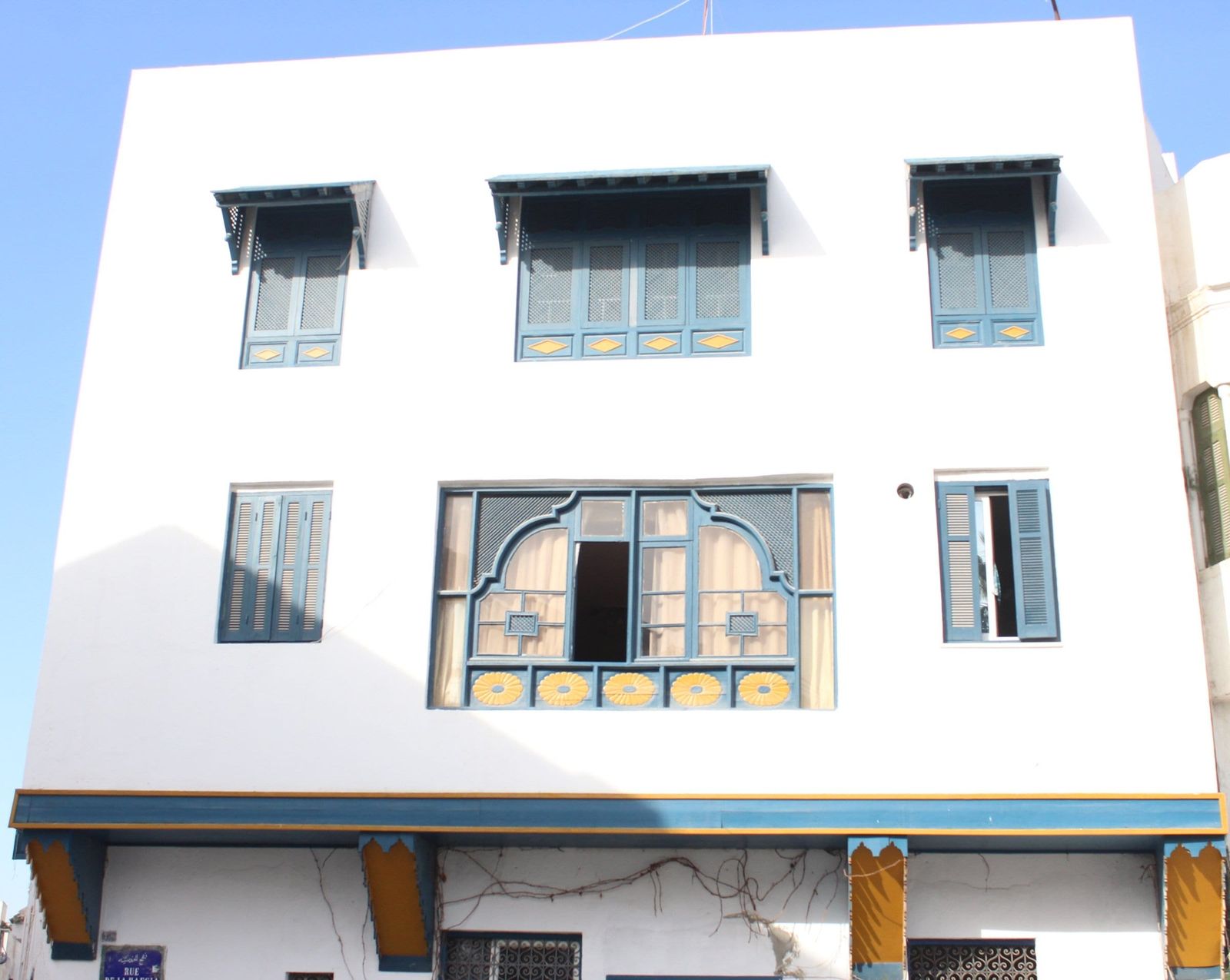
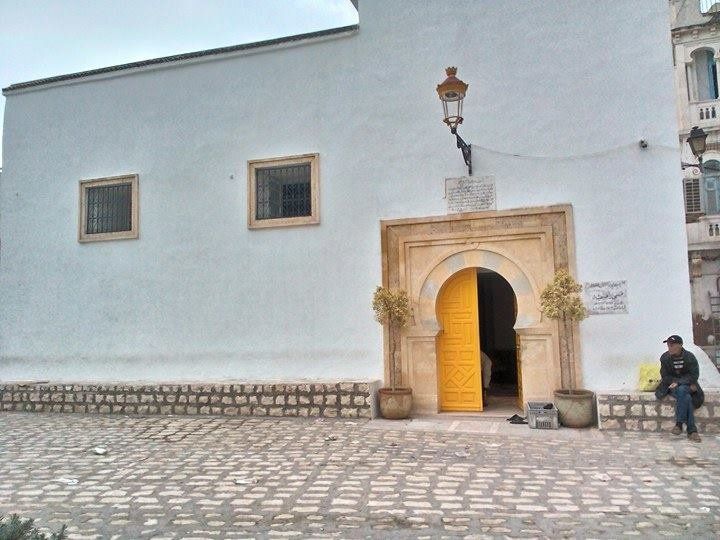
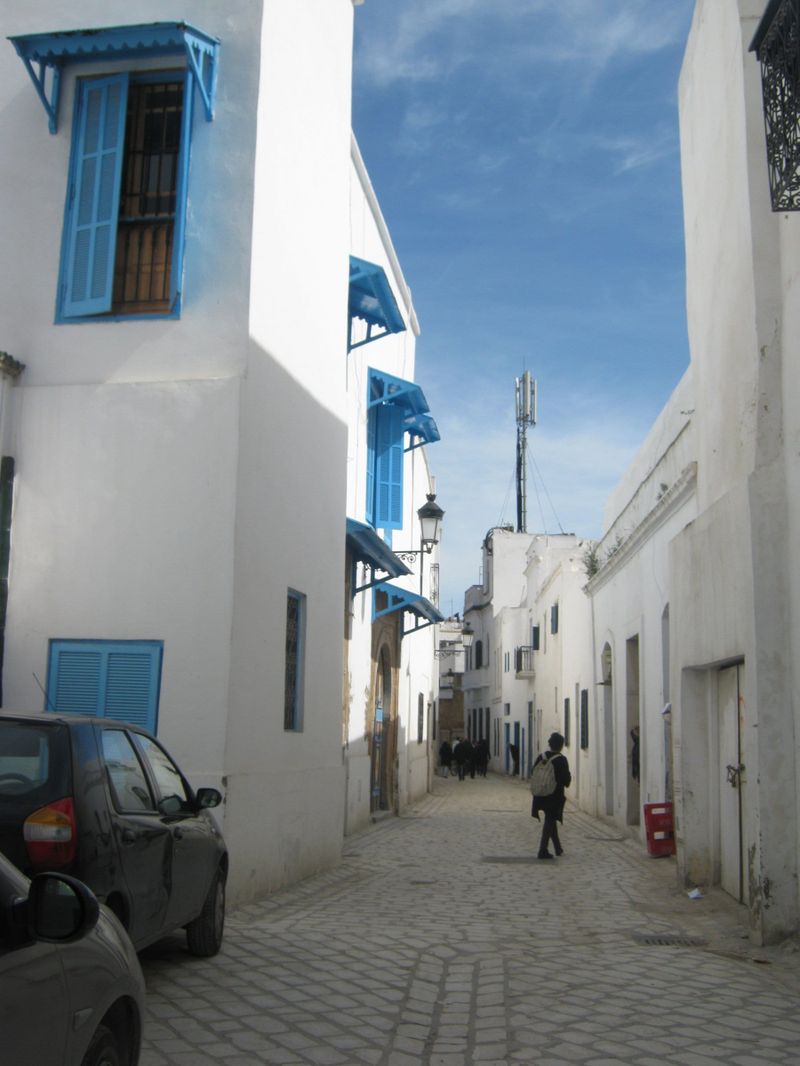
From the 1970s the city of Tunis and the Association de Sauvegarde de la Médina rebuilt the quarter. The first phase, carried out between 1973 and 1977, filled the empty plots with new housing on the scale of the old medina: white houses around courtyards, narrow lanes and small squares. It won the Aga Khan Award for Architecture in 1983. A second phase in the 1980s rehabilitated old houses and added housing, shops and public spaces. It won the award again in 1995. Hafsia is one of very few projects to have won it twice.
Hafsia today
The quarter is now a lived-in neighbourhood with its own mosque and sports ground. Its white walls, blue shutters and tidy squares look newer than the rest of the medina.
Exhibo editorial
Hafsia looks too neat at first. The walls are straight, the paving is even, the doors are freshly painted. Then you understand that this is the point. Someone decided in the 1970s that a medina could be rebuilt in its own language rather than bulldozed into apartment blocks.
What is missing is the old community. The synagogues are gone. So are the families. Walk the lanes with that in mind: it is a story of repair and of loss at the same time. The busy streets of Bab Souika and Halfaouine begin a few minutes north.
Gallery
How to find it
Hafsia lies in the north-east of the medina, between Rue de la Hafsia and Rue Sidi Mahrez. From Bab Bhar (Porte de France) walk north along Rue de la Commission and turn left into the quarter, about ten minutes. From the Sidi Mahrez Mosque it is a short walk east.
Similar places
All places
News by Exhibo
Editorial coverage on Exhibo
Why North African Cities Turn Inward: The Story of the Courtyard
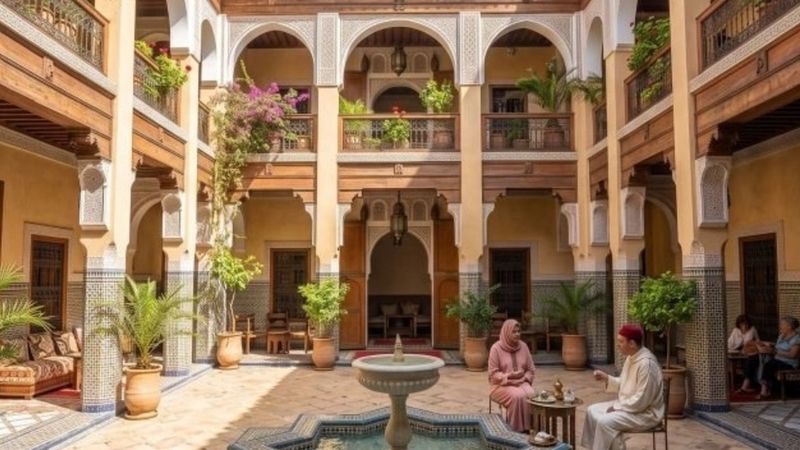
A courtyard plan far older than Islam turned North African houses — and the medinas built from them — to face inward. Climate and religion only half-explain why, and what finally displaced the courtyard says the rest.
The blank walls and inward courtyards of Fez, Tunis, Algiers and Cairo are usually explained by heat or religion. Both are true; neither is the whole story. The clue is in what eventually pushed the courtyard out of the modern city.
The Hand That Everyone Named After Their Own
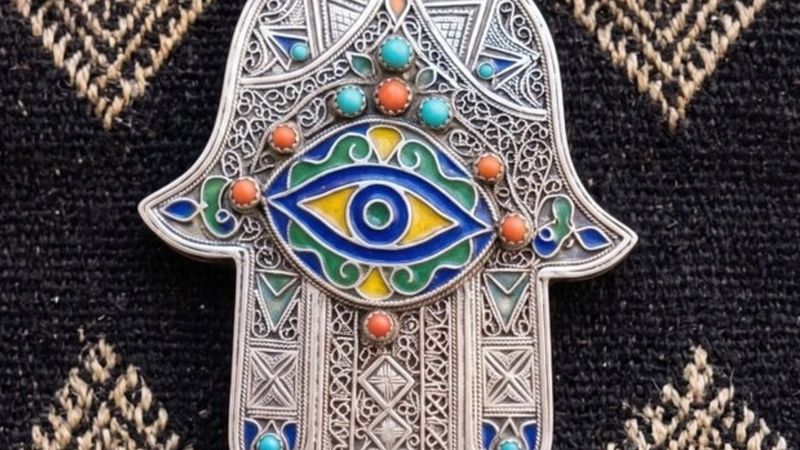
The Khamsa across North Africa — Marrakech, Tunis, Algiers — and why the oldest thing about it is the shape, not the story.
Everyone calls it something different — the Hand of Fatima, the Hand of Miriam, the Hand of Mary. One five-fingered shape, several holy names, each written onto it by a community that made it its own. From a carved hand over the Alhambra's gate to Kabyle silver, synagogue lamps and a boy on a Marseille motorway, this is the story of a symbol older than the names it carries — and shared by more people than any one of them.

Becoming the Ocean: BIM'26 Opens Within Jaou Tunis
Sixteen newly commissioned works confront the collapse of inherited orders at the Biennale de l'Image en Mouvement
Curated by Lina Lazaar and Andrea Bellini, the eighth edition of the Biennale de l'Image en Mouvement unfolds at the Caserne El Attarine in Tunis, asking what it means to think from interdependence rather than separation.