


Dubai

Al Fahidi

3 galleries · 7 museums · 1 place

About this district

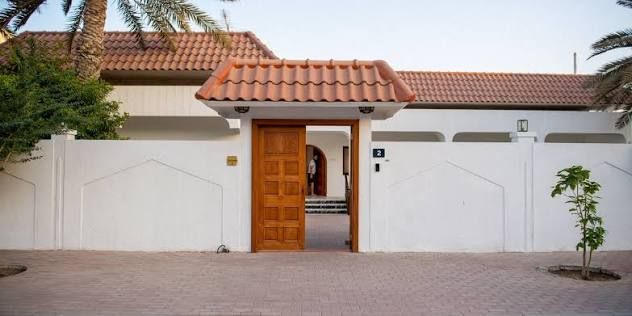
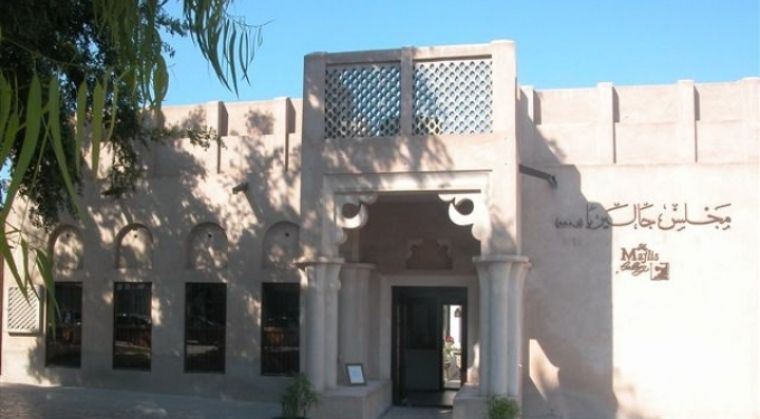
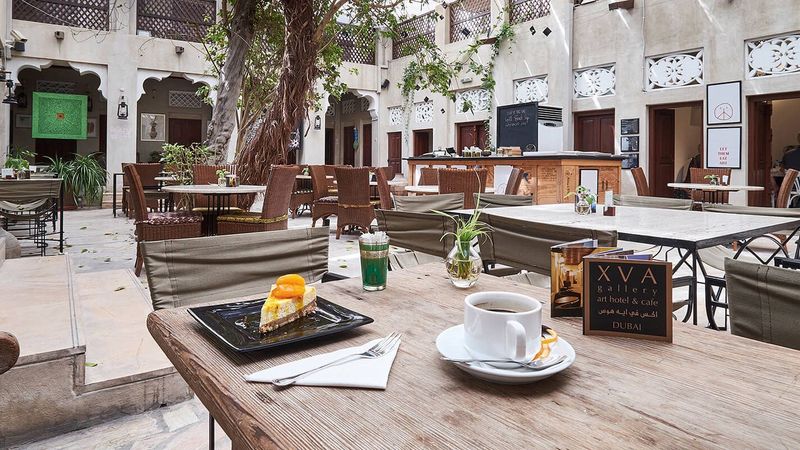
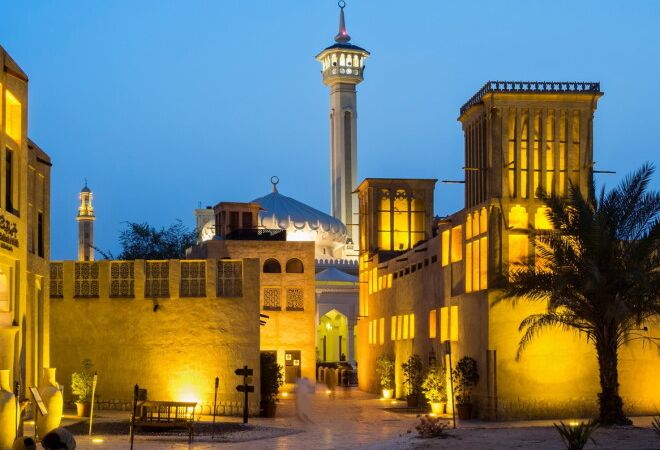
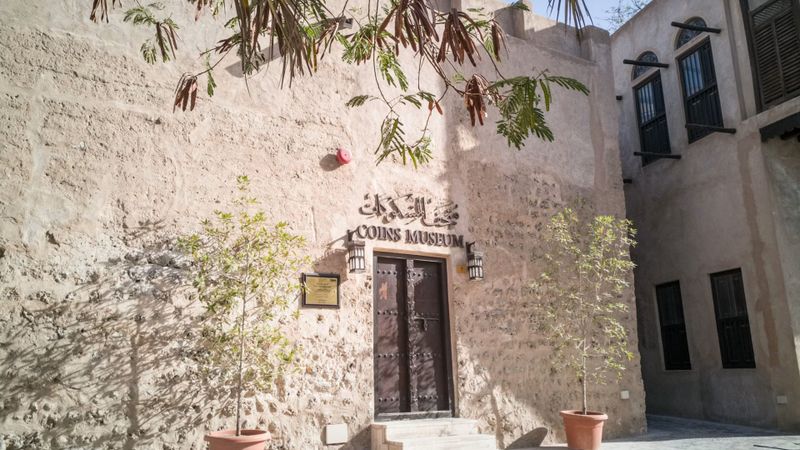
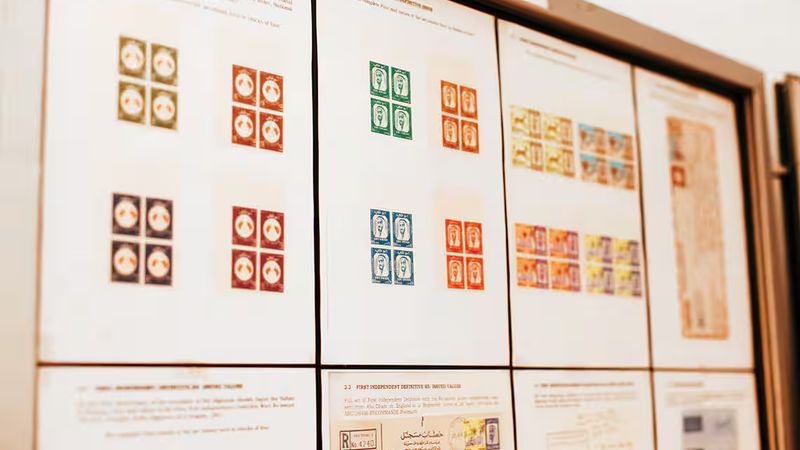
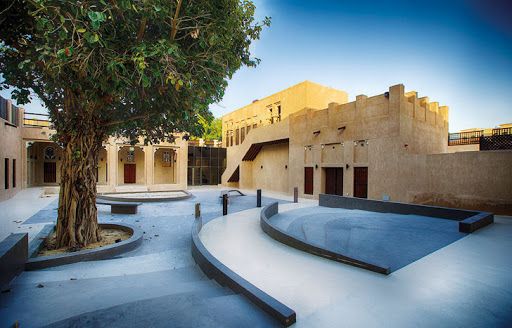
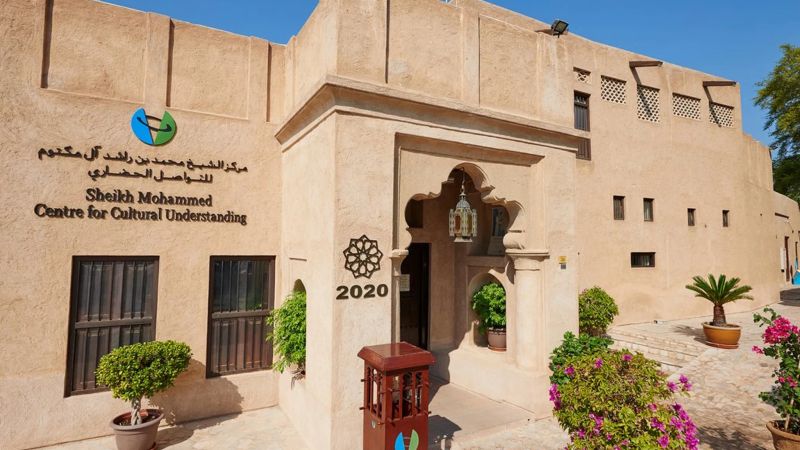
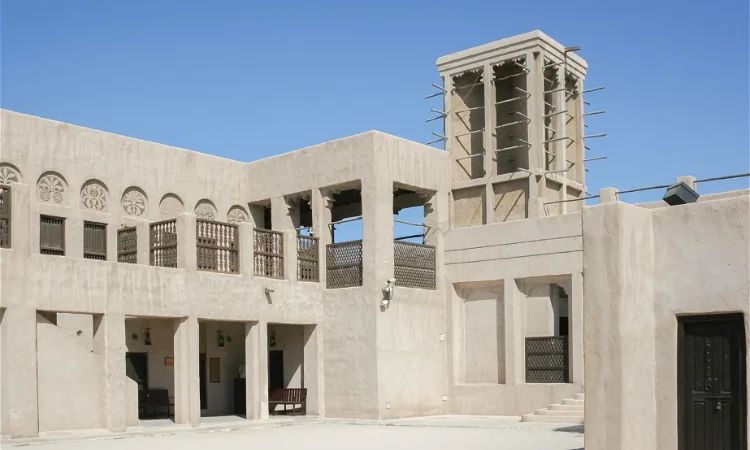
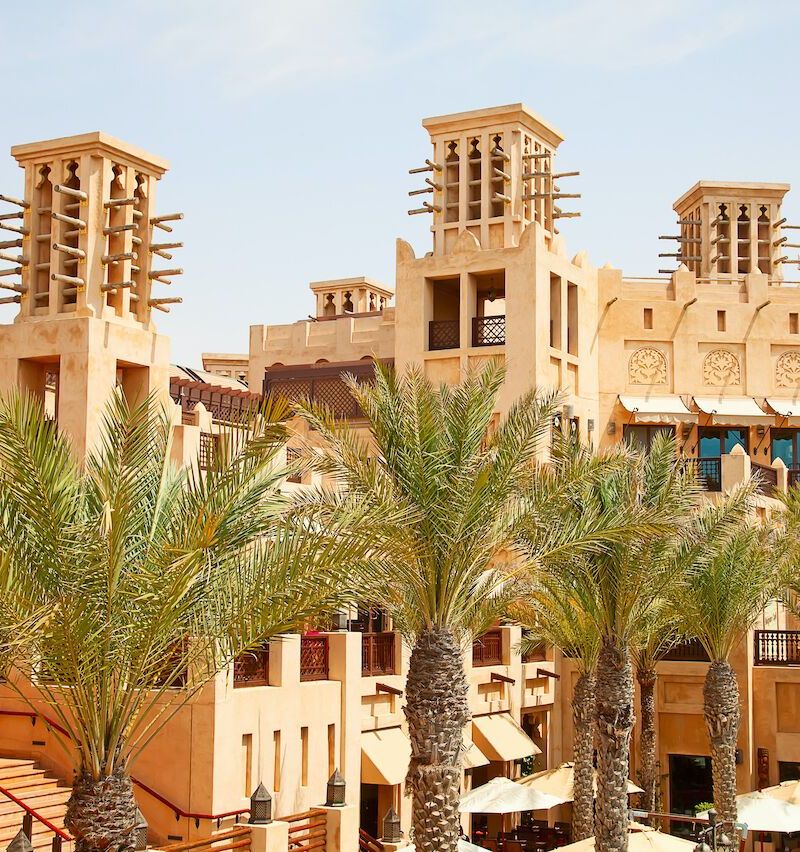
Al Fahidi is Dubai's best-preserved historic district and one of the city's most distinctive cultural destinations — a tangle of wind-tower houses, narrow lanes and courtyard buildings that predate the oil era entirely. This is where a small number of galleries and cultural spaces have made their home in exactly the kind of architecture that the rest of the city demolished to build towers. The scale is intimate. The pace is different.

Galleries

Museums

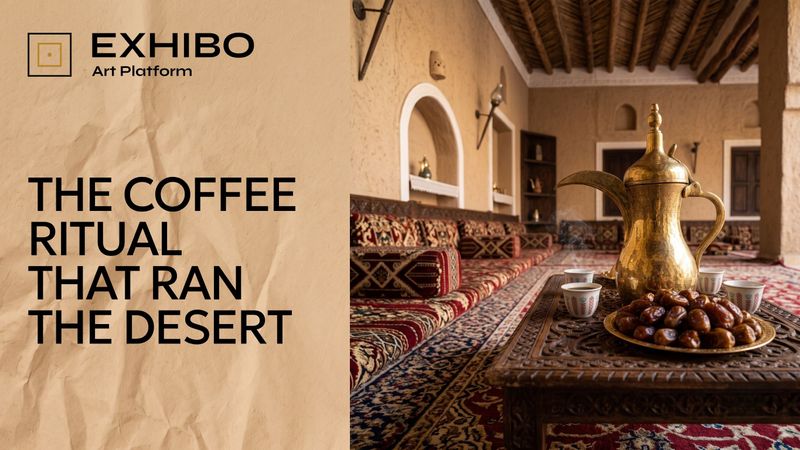
A host pours Arabic coffee from a dallah into a small handle-less finjan cup in a majlis
Editorial

The Coffee Ritual That Ran the Desert

A cup of coffee in the desert was a contract, a test, a truce, and a promise of protection — a whole social order in the tilt of a small white cup.

Among the Bedouin of Arabia, serving coffee was never just hospitality — it was a code. The order of the cups, the amount poured, the shake of the wrist that says enough: a whole unwritten language for turning a dangerous stranger into a guest, and sometimes an ally. The story of Arabic coffee as the social law of the desert — and how it lives on in the region's museums and art.
Why Gulf Cities Are So White: Beyond the Physics - Gulf cities look white
Editorial

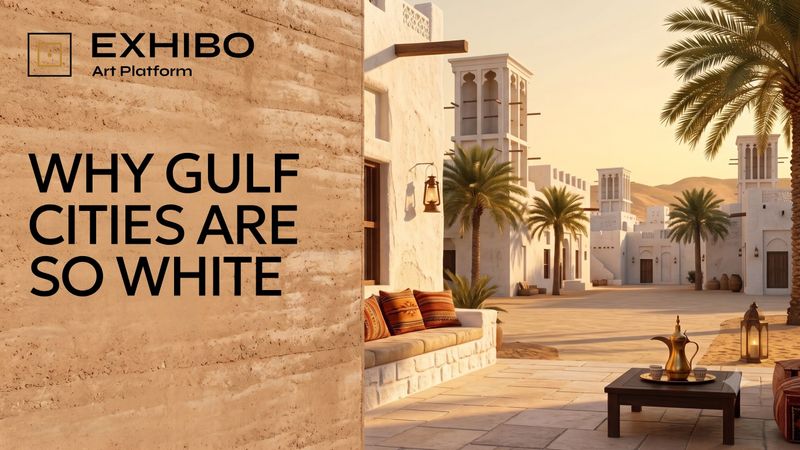
Why Gulf Cities Are So White

The dazzling white of Gulf cities looks like simple physics — sunlight, reflected. The real story runs through coral, lime, faith, oil and the way traditions acquire their reasons after the fact.

Everyone knows why Gulf cities are white: white reflects the sun. It isn't wrong — it's just one strand of a much thicker rope. Follow it back through coral walls and lime skins, a sustainability code that never mentions colour, and a desert that was never really dark and the tidy explanation starts to look like something we tell ourselves afterward.

Hatta: The Valley That Changed Hands — blog article
Editorial

Hatta: The Valley That Changed Hands

Ninety minutes from Dubai, a mountain town where the same water has shaped human settlement for four thousand years.

Most guides to Hatta list its fort, its dam and its trails. This is the valley told differently — through the single physical problem that has shaped every era of its life. From Bronze Age tombs sited by the water to a mosque timed by shadow to a hydro plant that answers Dubai in ninety seconds, one question runs through four thousand years: where does the water go, and whose turn is it?