
Directory listing — not yet managed by the museum. Spotted something wrong? Suggest an edit →

Al Fahidi Historical Neighbourhood

Al Fahidi Historical Neighbourhood

Al FahidiDubai

Heritage quarter of wind-tower houses, galleries and museums on Dubai Creek

About

Walk the sikka and you feel the old Creek town: shaded lanes, towers catching the breeze, and a working quarter of museums, studios and cafés.

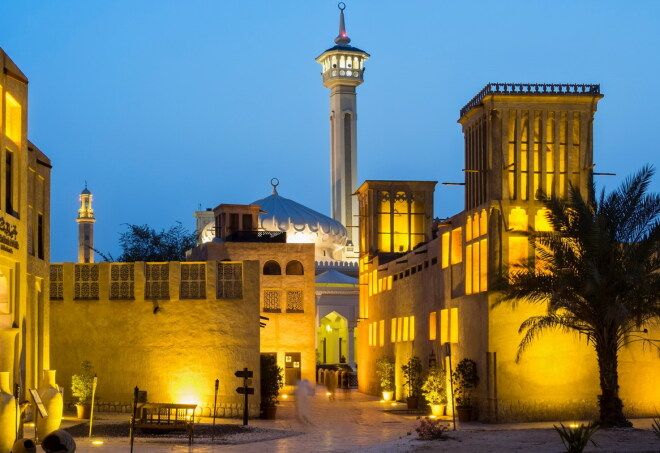
Al Fahidi Historical Neighbourhood sits on Dubai Creek and still shows how the city lived from the mid-nineteenth century into the 1970s. Houses with high wind towers (barajeel) stand in rows, built from stone, gypsum, teak, sandalwood, palm fronds and palm wood, and split by winding alleys, pathways and small squares. The district lies beside the Ruler's Diwan and once helped organise Dubai's overseas trade from the Creek. Restored houses now hold galleries, specialist museums and cultural centres, including the Sheikh Mohammed Centre for Cultural Understanding, and the neighbourhood hosts seasonal programmes such as the Sikka Art Festival.

Visit

Hours, tickets, and directions for Al Fahidi Historical Neighbourhood.

News by Exhibo

Editorial coverage on Exhibo

All articles →
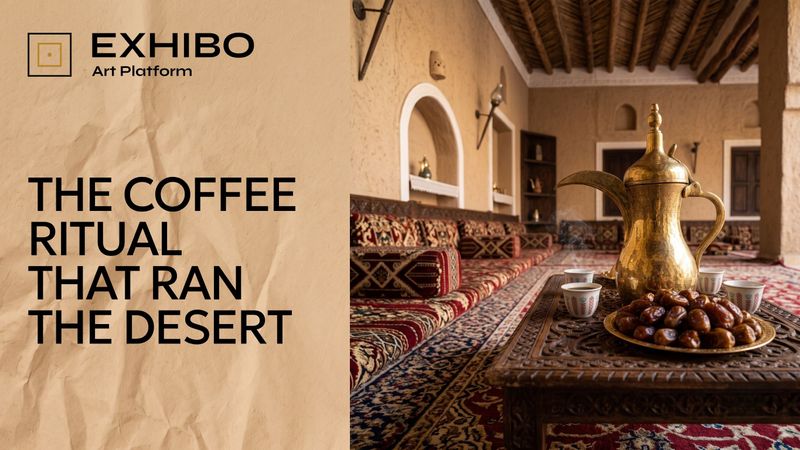
A host pours Arabic coffee from a dallah into a small handle-less finjan cup in a majlis
Editorial

The Coffee Ritual That Ran the Desert

A cup of coffee in the desert was a contract, a test, a truce, and a promise of protection — a whole social order in the tilt of a small white cup.

Among the Bedouin of Arabia, serving coffee was never just hospitality — it was a code. The order of the cups, the amount poured, the shake of the wrist that says enough: a whole unwritten language for turning a dangerous stranger into a guest, and sometimes an ally. The story of Arabic coffee as the social law of the desert — and how it lives on in the region's museums and art.
Why Gulf Cities Are So White: Beyond the Physics - Gulf cities look white
Editorial

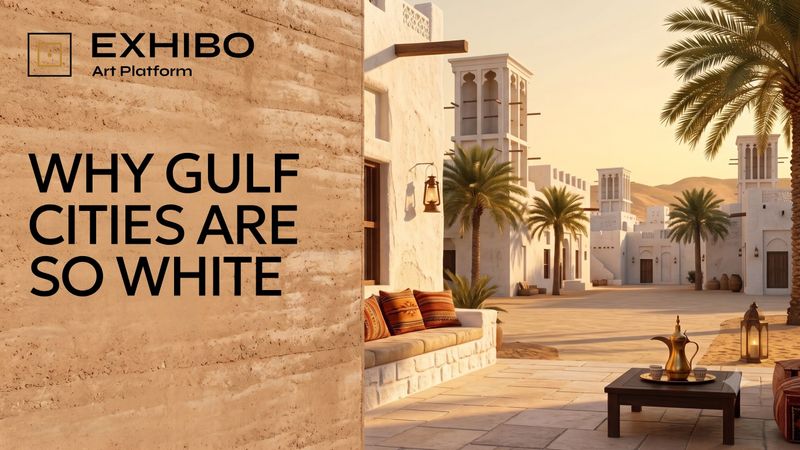
Why Gulf Cities Are So White

The dazzling white of Gulf cities looks like simple physics — sunlight, reflected. The real story runs through coral, lime, faith, oil and the way traditions acquire their reasons after the fact.

Everyone knows why Gulf cities are white: white reflects the sun. It isn't wrong — it's just one strand of a much thicker rope. Follow it back through coral walls and lime skins, a sustainability code that never mentions colour, and a desert that was never really dark and the tidy explanation starts to look like something we tell ourselves afterward.

Six Landmark Cultural Projects Set to Reshape the UAE's Museum and Performing Arts Scene

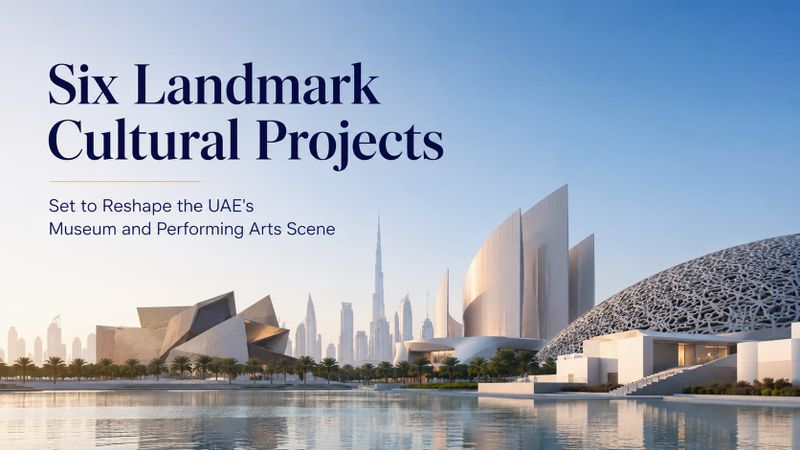
Six Landmark Cultural Projects Set to Reshape the UAE's Museum and Performing Arts Scene

From a Frank Gehry-designed Guggenheim on Saadiyat Island to a floating art museum on Dubai Creek, six major institutions are set to redraw the country's cultural map over the coming years.

The UAE's museum and performing arts landscape is entering one of its most ambitious build-out phases yet, with six major cultural institutions — spanning Abu Dhabi, Dubai and Sharjah — currently in development. From the long-awaited Guggenheim Abu Dhabi to a floating art museum on Dubai Creek, here is what is coming and when.