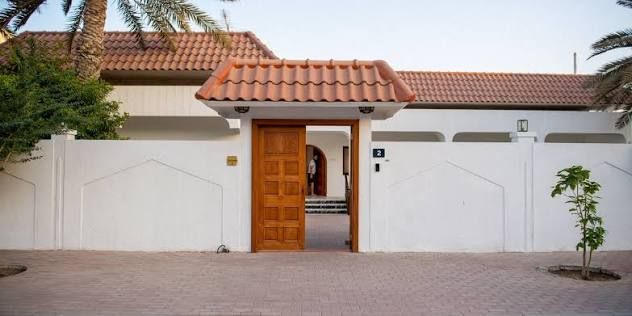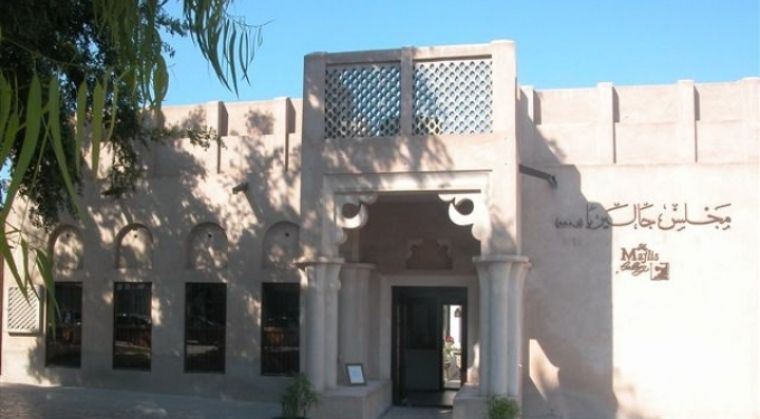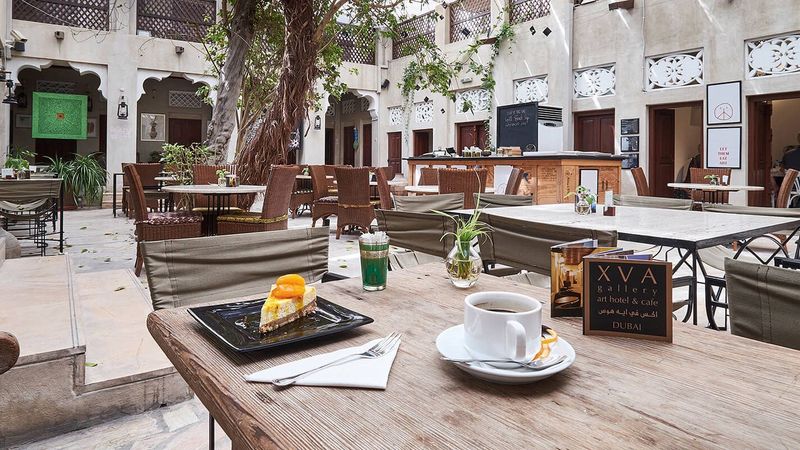
The Al Fahidi Historical Neighbourhood — long known as Al Bastakiya — is Dubai's oldest surviving quarter, laid out on the Bur Dubai bank of Dubai Creek. It was established in the late 19th century by Persian merchants from the Bastak region of Iran, who came to trade and settled beside the Creek, and its buildings were constructed from coral stone, gypsum and palm wood in a dense maze of narrow shaded lanes known as sikka.
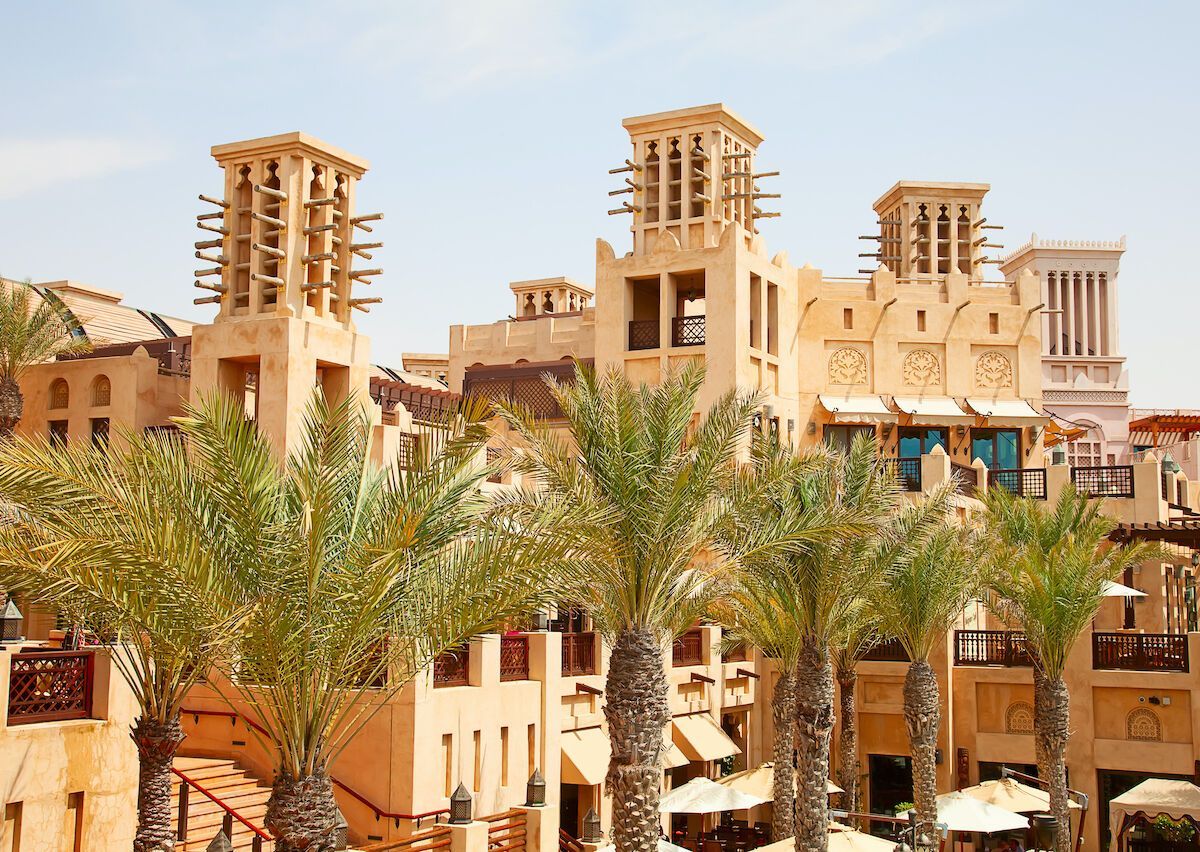
The neighbourhood's signature feature is the barjeel, or wind tower: the four-sided, chimney-like structures rising from the rooftops. These are among the earliest forms of passive air-conditioning, catching even faint breezes at height and funnelling cool air down into the rooms below — a sophisticated response to the desert climate long before electricity reached Dubai. The wind-tower form, with roots in Persian and older regional architecture, once signalled a household's standing by the number of towers it carried.
By the mid-20th century, as Dubai modernised, Al Fahidi fell into decline and faced demolition; it was saved by concerted preservation efforts in the 1980s and is now maintained under the Dubai Culture & Arts Authority. Today its restored wind-tower houses hold museums, art galleries, heritage cafés and cultural institutions, including the Sheikh Mohammed Centre for Cultural Understanding (SMCCU). It remains the best-preserved concentration of traditional architecture in the city — a quiet, low-rise counterpoint to the skyline a few kilometres away.
Exhibo editorial
Walk two minutes off the Creek and modern Dubai simply stops. The lanes of Al Fahidi are barely wide enough for two people, the walls are the colour of sand, and above them rise the wind towers — dozens of them, square and open-sided, doing silently what the whole city now does with electricity and ducting.
That's the quiet marvel of the place: it's not a museum piece so much as a working demonstration. Stand under a barjeel on a hot day and you can feel the draught it pulls down. The Persians who built this understood their climate exactly, and the 1980s campaign that saved these houses from the bulldozer preserved not just pretty coral walls but a genuinely clever idea. Come between October and March, and give yourself permission to get lost in the sikka.
How to find it
Al Fahidi sits on the Bur Dubai side of Dubai Creek, a few minutes' walk from the Bur Dubai abra station and close to Al Fahidi and Al Ghubaiba metro stations (Green Line). Enter the neighbourhood from the Creek side and simply wander the narrow sikka lanes; the wind towers are visible on the rooftops throughout. The Sheikh Mohammed Centre for Cultural Understanding, set in a restored wind-tower house, is a good orientation point.
Similar places
All places
News by Exhibo
Editorial coverage on Exhibo
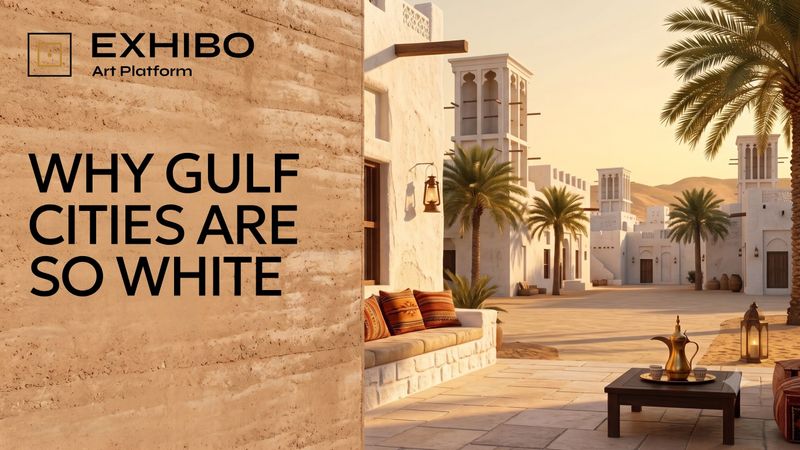
Why Gulf Cities Are So White
The dazzling white of Gulf cities looks like simple physics — sunlight, reflected. The real story runs through coral, lime, faith, oil and the way traditions acquire their reasons after the fact.
Everyone knows why Gulf cities are white: white reflects the sun. It isn't wrong — it's just one strand of a much thicker rope. Follow it back through coral walls and lime skins, a sustainability code that never mentions colour, and a desert that was never really dark and the tidy explanation starts to look like something we tell ourselves afterward.
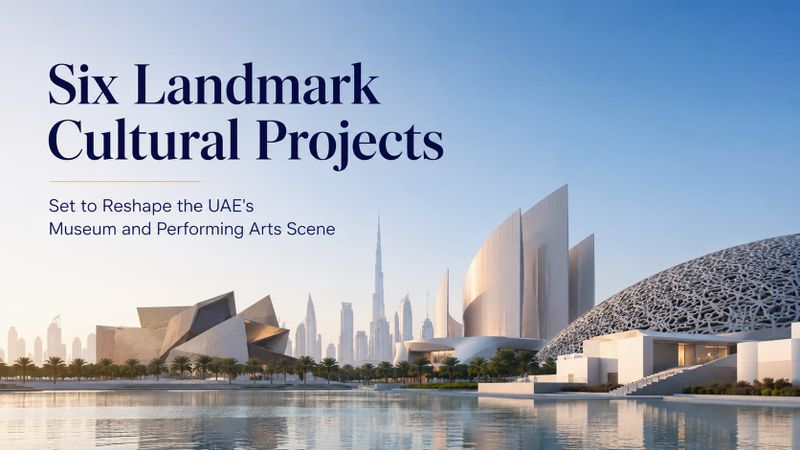
Six Landmark Cultural Projects Set to Reshape the UAE's Museum and Performing Arts Scene
From a Frank Gehry-designed Guggenheim on Saadiyat Island to a floating art museum on Dubai Creek, six major institutions are set to redraw the country's cultural map over the coming years.
The UAE's museum and performing arts landscape is entering one of its most ambitious build-out phases yet, with six major cultural institutions — spanning Abu Dhabi, Dubai and Sharjah — currently in development. From the long-awaited Guggenheim Abu Dhabi to a floating art museum on Dubai Creek, here is what is coming and when.
Somewhere Between a Marble Factory and a Masterpiece
On the art world's transparency problem, the extraordinary markets the world is only beginning to discover, and why we decided to build a map.
February 2026, Doha. Msheireb Downtown — the old business district that Qatar has been quietly transforming into something between a cultural quarter and an ur…