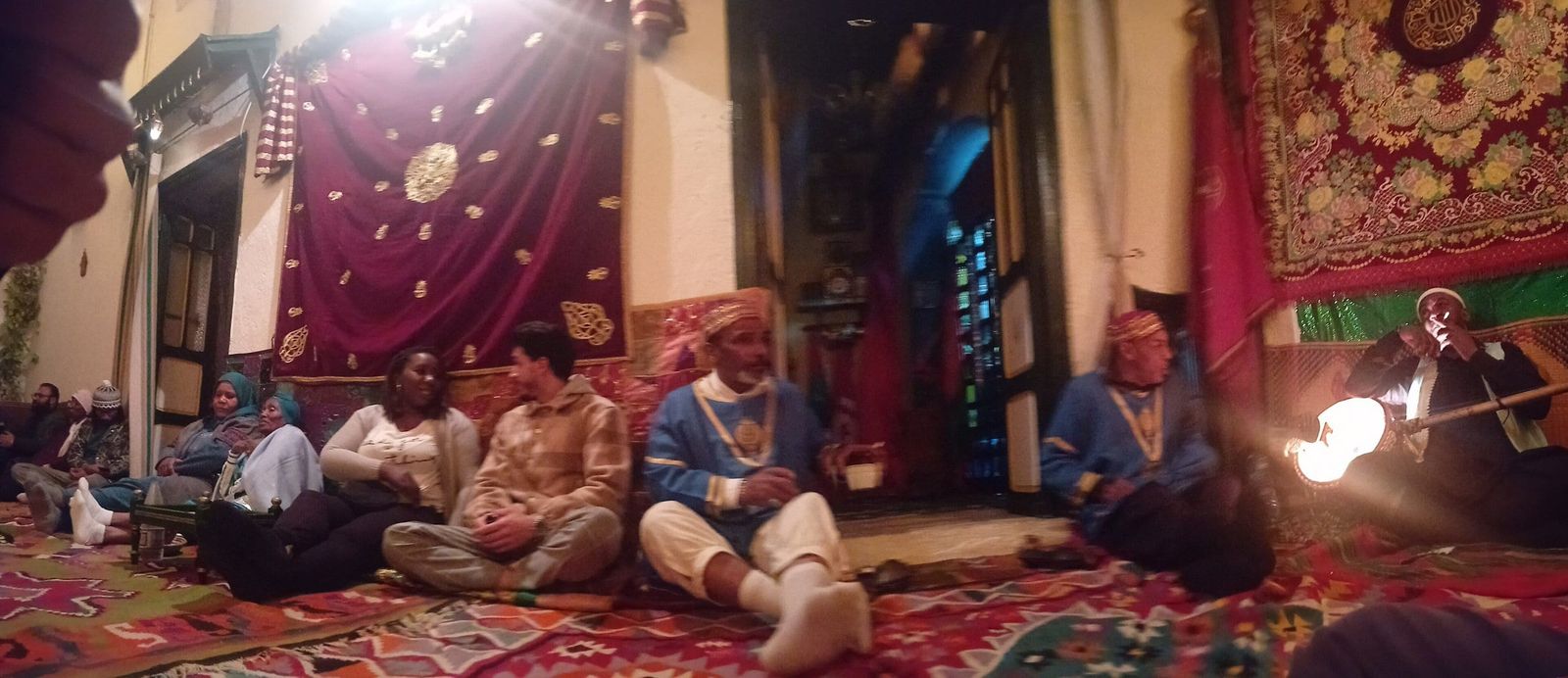
Zaouia of Sidi Ali Lasmar, Tunis
The last house of stambali in Tunis, where the music of the city's Black community is still played for its saint.
A shrine at Bab Jedid
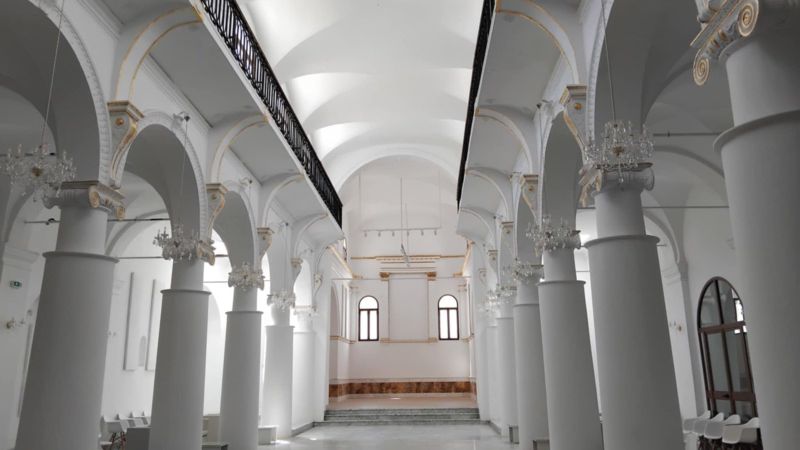
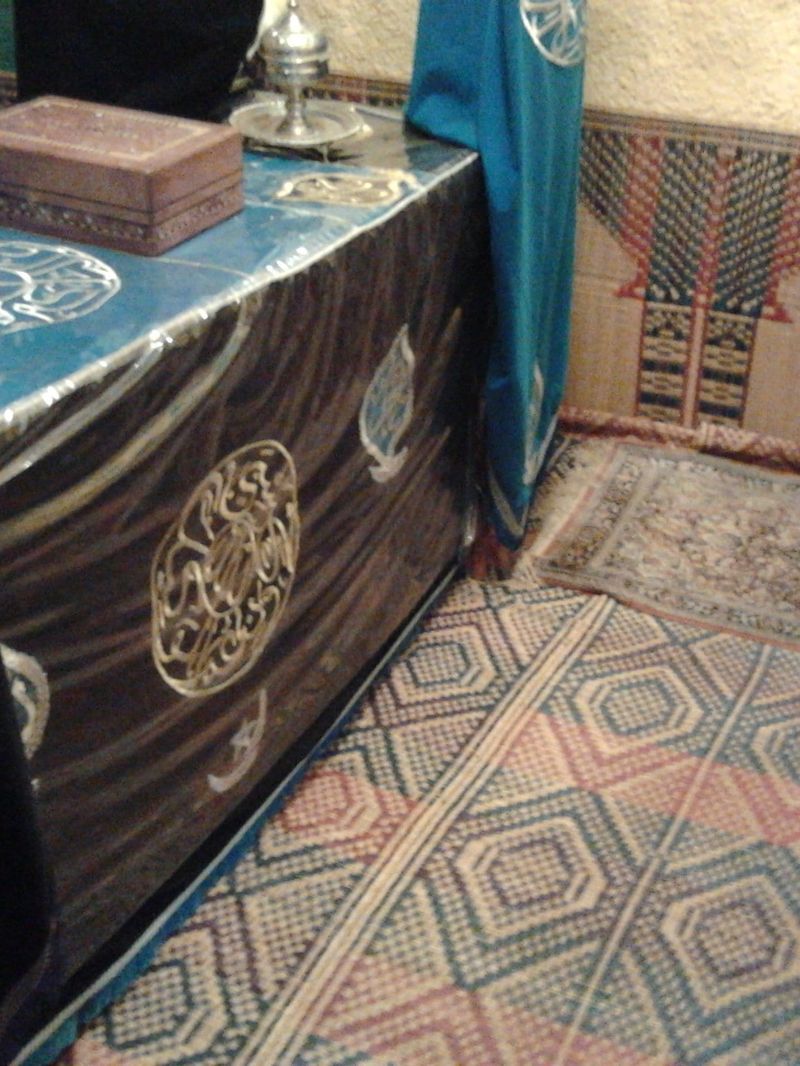
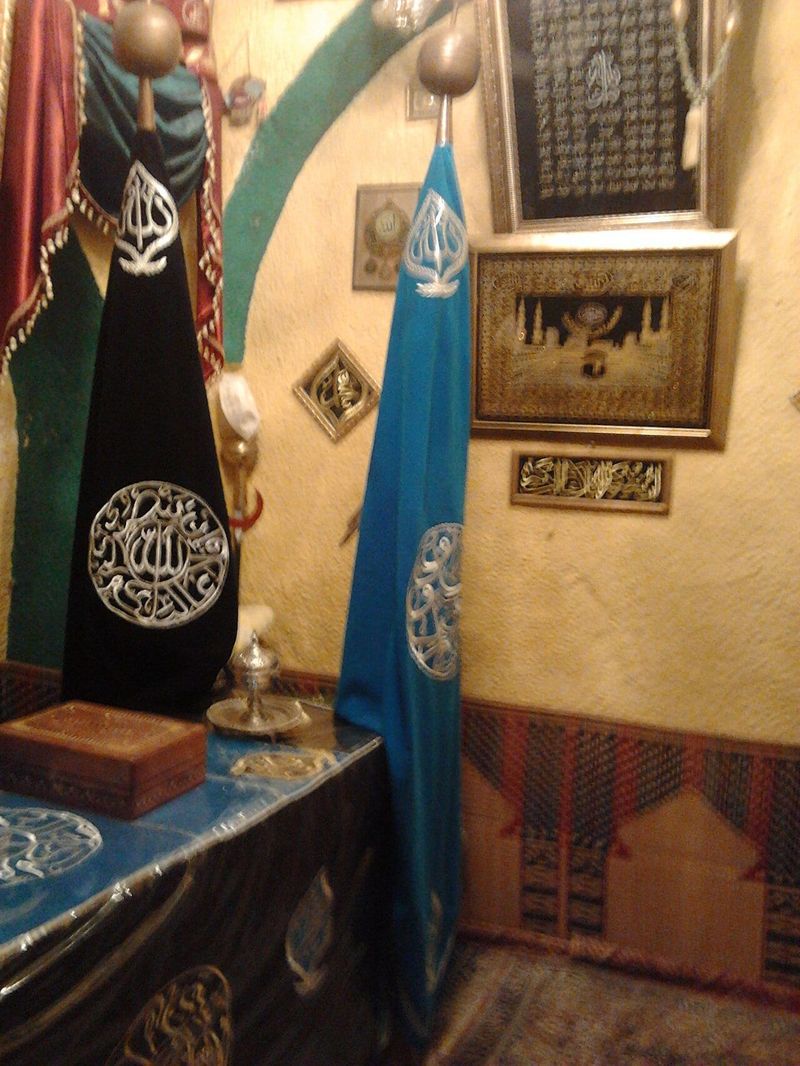
The zaouia of Sidi Ali Lasmar stands in a small dead-end street near Bab Jedid, in the south of the Medina of Tunis. It is the shrine of Sidi Ali Lasmar, a saint venerated by the Black community of Tunis. Inside, his tomb lies under green and black cloths embroidered with Arabic script, in a room hung with flags and banners.
Stambali
The zaouia is the home of stambali, a ritual music brought to Tunisia by people from sub-Saharan Africa, many of them enslaved, in past centuries. It is played on the gumbri, a three-stringed bass lute, with large iron castanets called shqashiq and drums. The music accompanies a ceremony of healing and trance, in which dancers are possessed by spirits and saints. Stambali mixes West African traditions with Sufi Islam.
Communities of stambali once had several houses in Tunis. The zaouia of Sidi Ali Lasmar is the last one still active in the city. It is the spiritual heritage of Black Tunisians.
A living tradition
In 2022 the house was threatened with sale. Musicians, researchers and artists campaigned to keep it. The troupe linked to the zaouia continues to perform. Ceremonies and concerts are held here, especially during Ramadan and on religious holidays.
Exhibo editorial
The deep pulse of the gumbri and the iron clatter of the shqashiq fill a room no bigger than a living room. Incense, red cloth, men in bright robes, a crowd squeezed against the walls. This is the sound of a part of Tunisian history that rarely makes the guidebooks.
Stambali is the memory of people brought across the Sahara, kept alive in a dead-end street of the medina. If you hear that a night is planned here, go. Sit at the back and let it take its time.
Gallery
How to find it
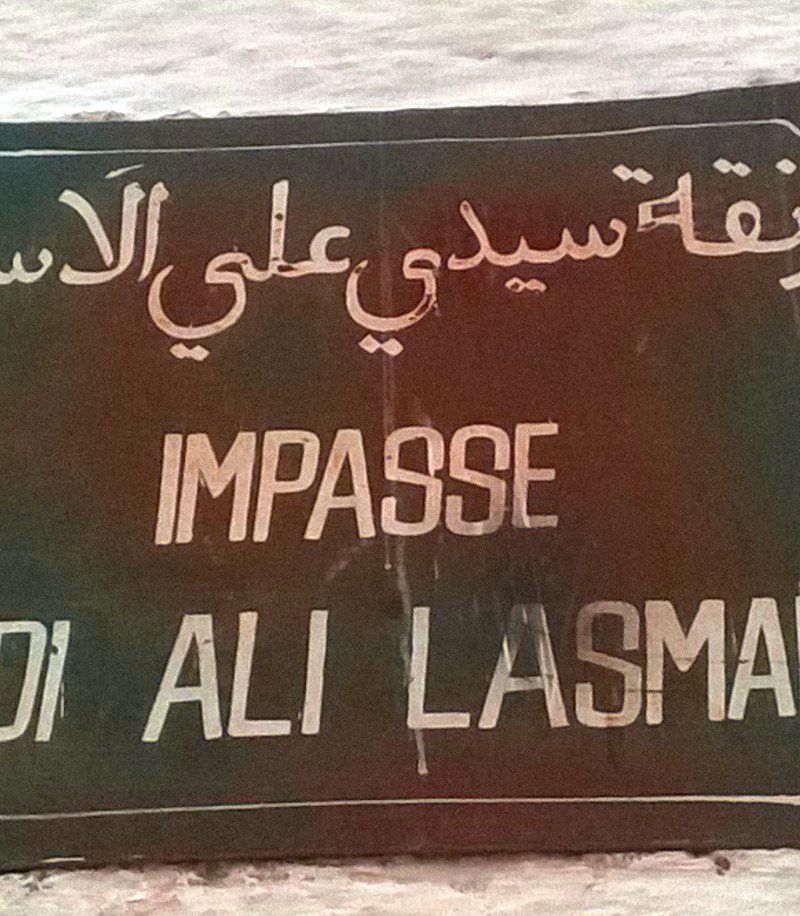
The zaouia is in a small dead-end street, Impasse Sidi Ali Lasmar, off Rue du Persan near Bab Jedid in the south of the medina. From the Zitouna Mosque walk south along Souk El Blat towards Bab Jedid, about fifteen minutes. The door is usually open only for ceremonies and events. Tourbet el Bey is nearby.
Similar places
All places
News by Exhibo
Editorial coverage on Exhibo
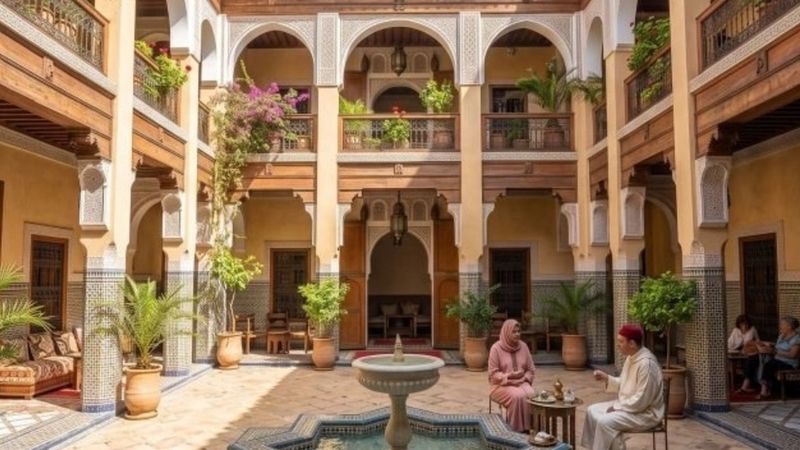
Why North African Cities Turn Inward: The Story of the Courtyard
A courtyard plan far older than Islam turned North African houses — and the medinas built from them — to face inward. Climate and religion only half-explain why, and what finally displaced the courtyard says the rest.
The blank walls and inward courtyards of Fez, Tunis, Algiers and Cairo are usually explained by heat or religion. Both are true; neither is the whole story. The clue is in what eventually pushed the courtyard out of the modern city.
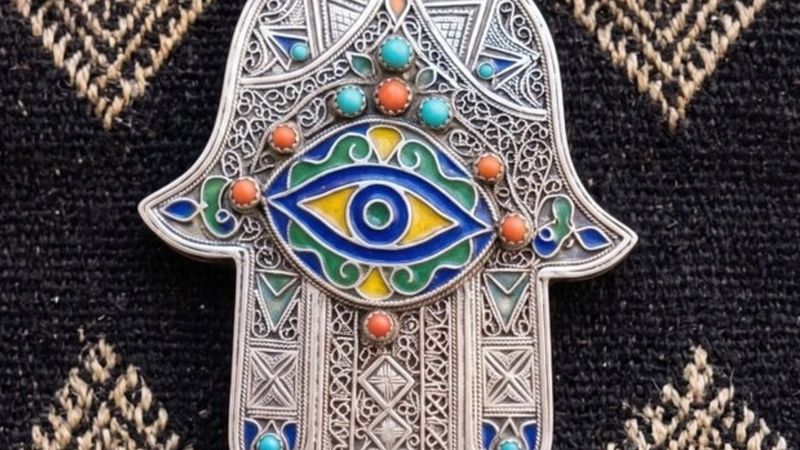
The Hand That Everyone Named After Their Own
The Khamsa across North Africa — Marrakech, Tunis, Algiers — and why the oldest thing about it is the shape, not the story.
Everyone calls it something different — the Hand of Fatima, the Hand of Miriam, the Hand of Mary. One five-fingered shape, several holy names, each written onto it by a community that made it its own. From a carved hand over the Alhambra's gate to Kabyle silver, synagogue lamps and a boy on a Marseille motorway, this is the story of a symbol older than the names it carries — and shared by more people than any one of them.

Becoming the Ocean: BIM'26 Opens Within Jaou Tunis
Sixteen newly commissioned works confront the collapse of inherited orders at the Biennale de l'Image en Mouvement
Curated by Lina Lazaar and Andrea Bellini, the eighth edition of the Biennale de l'Image en Mouvement unfolds at the Caserne El Attarine in Tunis, asking what it means to think from interdependence rather than separation.