Abu Dhabi

Hudayriyat & Al Bateen Marina

0 galleries · 0 museums · 3 places

About this district

The island off Abu Dhabi's southwestern shore and the marina facing it — 3,000 hectares of beach, cycling track, skate park and promenade, reached by a suspension bridge with cycling lanes built into it. Art installations along the Marsana waterfront, sixteen kilometres of beach, and the most open horizon anywhere near the city. Free to enter, and busiest on winter weekends.

Galleries

No published galleries in this district yet.

Museums

No published museums in this district yet.

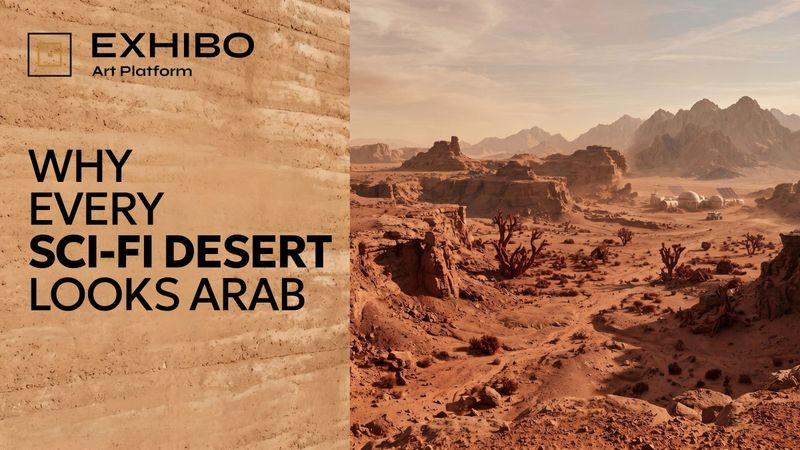
A robed, veiled crowd gathered in a red desert landscape in the style of a science-fiction epic — the visual vocabulary Hollywood reuses to signal an alien world.
Editorial

Why Every Sci-Fi Desert Looks Arab

From Arrakis to Tatooine, when a film wants a desert to feel ancient, prophetic and alien, it reaches for an Arab and Berber vocabulary — and reveals more about the West that built it than the region it borrows from.

The wrapped faces, the trilling women, the barely-displaced Arabic: cinema's alien deserts keep sounding Arab. But the vocabulary was assembled in the West — from Orientalist painting to Lawrence to Dune — and it says more about who is looking than about anyone being looked at.

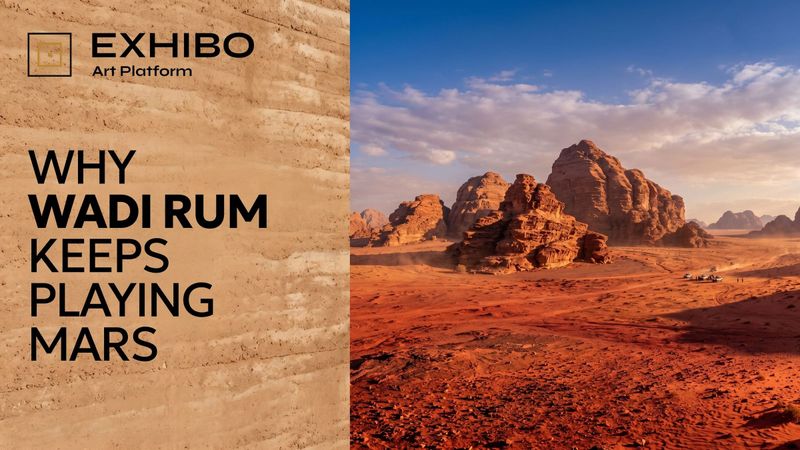
Red sandstone inselbergs rising from the iron-stained valley floor of Wadi Rum, southern Jordan — the desert used as a stand-in for Mars in The Martian and other films.
Editorial

Why Wadi Rum Keeps Playing Mars: A Desert That Is Right About the Wrong Planet

A valley in southern Jordan has become cinema's favourite Mars — not because it is like the planet, but because it looks like the one we carry in our heads.

Put Wadi Rum beside a rover photograph and you can't tell which is Mars. But the desert shares almost nothing with the real planet except its colour — and lately, the illusion has grown powerful enough that real space missions have come to Jordan to rehearse.

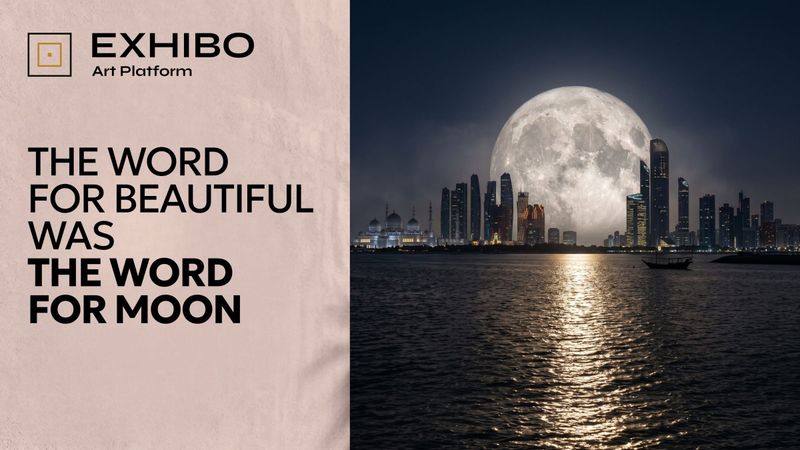
A full moon rising over dark water on the Abu Dhabi coast, a single bright disc against a black sky.
Editorial

The Word for Beautiful Was the Word for Moon

The moon has been the measure of a beautiful face in Arabic verse for fifteen centuries — but beauty was only one of the things that light was ever asked to carry. A history of one disc, from a pre-Islamic ode to a glowing sphere over an Abu Dhabi harbour.

Ya qamar — you moon — is the oldest compliment in Arabic, and almost nothing about it means what we assume. The moon it praised was not always a woman, not always even a kindness, and in the end not only about beauty at all.