Explainers

Guides

Periods, techniques and visual vocabularies. The labels half-remembered from school, rebuilt through the works that earned them.

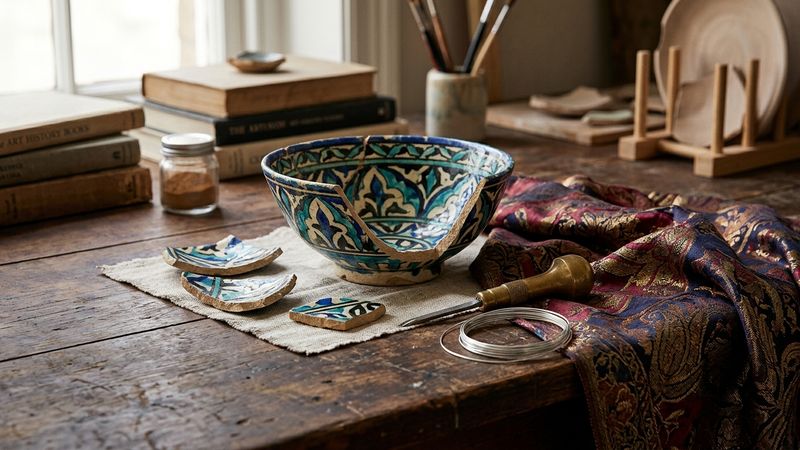
Workshop still life with Islamic ceramic bowl shards in cobalt and turquoise glaze, brass inlay tools and silk thread on a wooden bench in warm sidelight
Guide

Islamic Decorative Arts: Ceramics, Metalwork, Glass and Textiles

From Kashan luster bowls to Mamluk mosque lamps and Safavid silks: a museum survey of four luxury media with named works in London, New York and Doha

Islamic decorative arts are the portable luxury crafts of Muslim-ruled lands: pottery and tile, inlaid brass, enamelled glass, woven silk and knotted carpet. This survey follows workshop conditions, techniques and trade from Abbasid Iraq to Ottoman Istanbul, with four close readings and a media comparison table, while Iznik depth, arabesque theory and building programmes sit in sibling articles on the series hub.
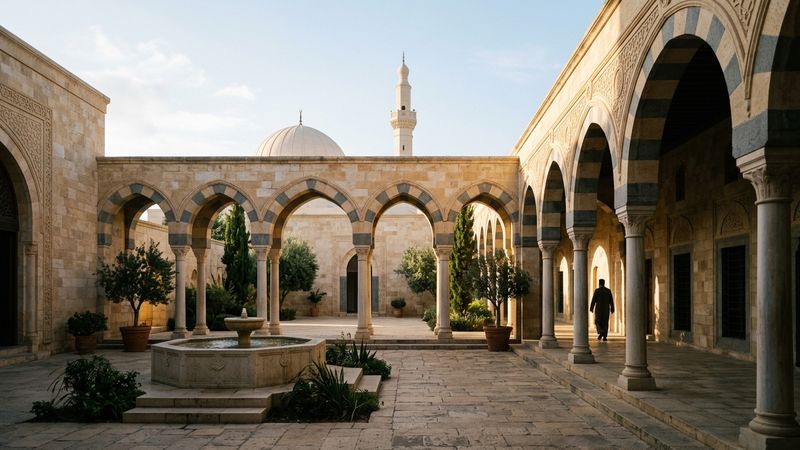
Sunlit arcaded courtyard of a historical mosque with striped stone arches, central fountain basin and pale dome visible beyond the sahn
Guide

Islamic Architecture, Explained

Mosque types, domes, minarets and courtyard plans from Umayyad Jerusalem to Ottoman Istanbul, with five regional schools read through buildings you can visit

Islamic architecture is the building tradition of Muslim-ruled lands from the seventh century onward: hypostyle mosques, courtyard sahn, minaret towers and dome engineering shaped by prayer law, climate and regional craft. This guide maps Umayyad, Mamluk, Safavid, Mughal and Ottoman schools through named monuments, with muqarnas vaulting and decorative arts deferred to sibling pages in the series.

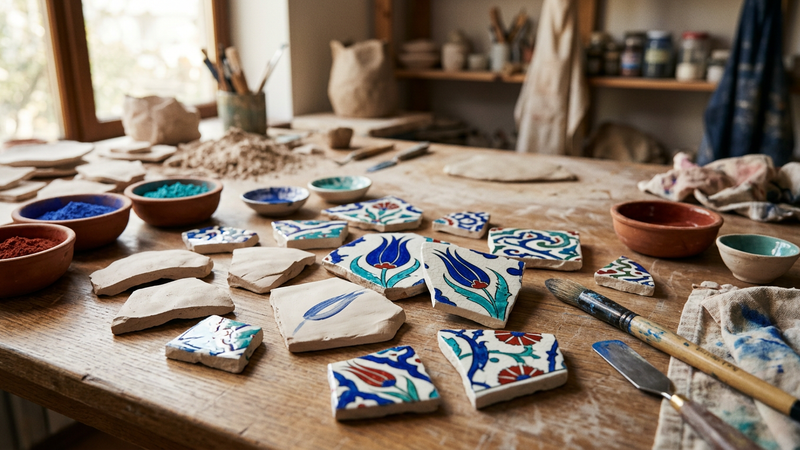
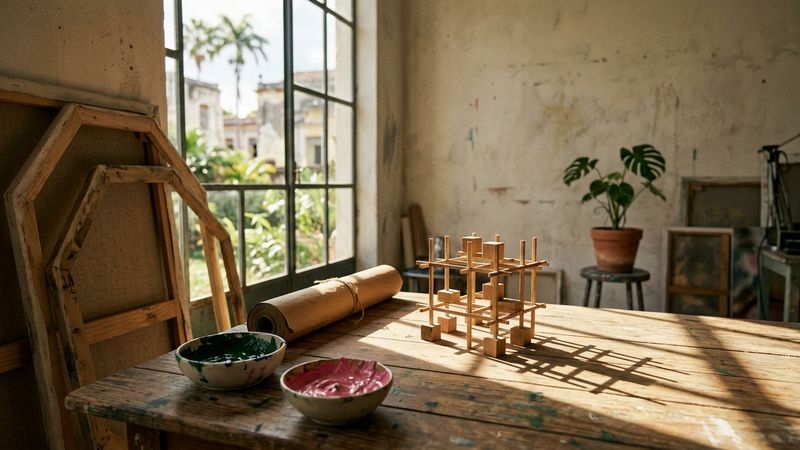
Iznik-style ceramic tile workshop atmosphere with cobalt and turquoise glazed fragments and saz leaf motifs in warm studio light, no readable inscriptions.
Guide

Ottoman Art and the Court Workshop

Court workshops, Iznik tiles, metalwork, textiles and imperial architecture from Bursa to Topkapı, with named museum works

Ottoman art names the luxury objects, tiles, metalwork, textiles and architectural programmes made under sultans from the fourteenth century to the early twentieth. The Ehl-i Hiref court corps and the nakkashane design office coordinated makers in Istanbul, Iznik and Bursa. This survey stays with workshop organisation and decorative media; miniature painting and manuscripts sit in sibling guides.

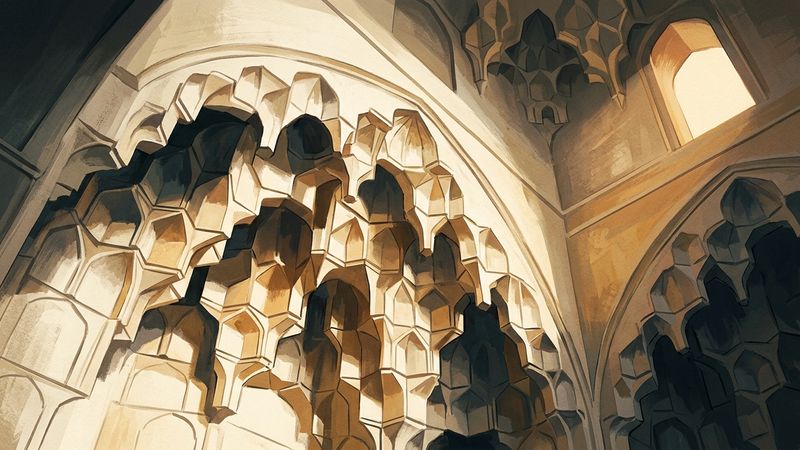
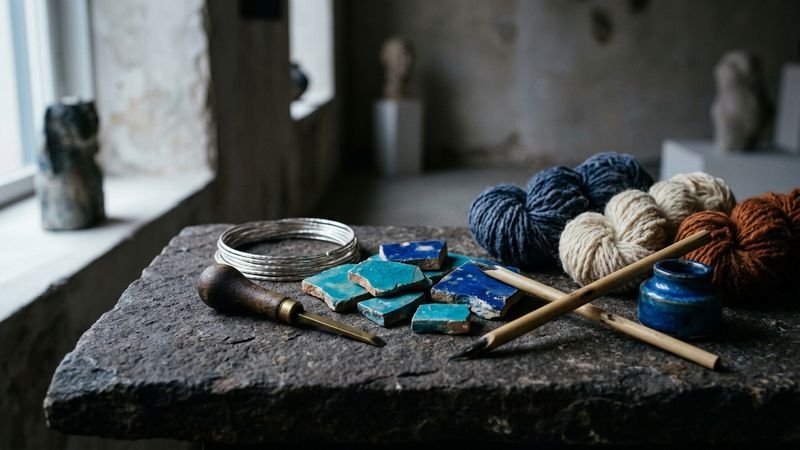
Editorial still life of Islamic art workshop materials: cut glazed tile fragments, brass inlay tools, carpet wool skeins and a reed pen on dark stone under cool sidelight
Guide

What Is Islamic Art?

From Umayyad Damascus to Safavid Isfahan: a museum map of calligraphy, tile, carpet and metalwork with named works you can still visit

Islamic art is the visual culture of Muslim-ruled lands from the seventh century onward, not one decorative style. This hub walks patronage, media and workshop habits from early caliphates through Ottoman and Safavid courts, with dated objects in New York, London and Doha, then points muqarnas, aniconism and living Arab art to their own pages on the site.