Karraka Fort, La Goulette
The Spanish and Ottoman fort that once locked the sea gate of Tunis, later a prison whose name became the word for jail.
The key to Tunis
La Goulette sits on the narrow strip of land between the Mediterranean and the Lake of Tunis. Its name comes from the Italian goletta, the throat: the channel through which ships passed from the sea into the lake and on to the capital. Whoever held the channel held the sea gate of Tunis.
In 1535 the emperor Charles V took Tunis from the corsair admiral Hayreddin Barbarossa. The Spanish then built a fort at La Goulette on the site of an older watchtower. It was a square fortress with bastions at its corners, thick stone walls and openings for guns, designed to guard the channel and the approach to the city.
Ottoman conquest
In 1574 an Ottoman army under Sinan Pasha besieged and took La Goulette, ending Spanish rule in Tunis. The Ottomans reorganised and strengthened the fort. They enlarged bastions and added new works to cover the passage between the sea and the lake. Inside, barracks, storerooms and cisterns housed the garrison. In the seventeenth century the rulers of Tunis also fortified a second naval harbour up the coast, guarded by the forts of Ghar El Melh.
The prison
In later centuries the fort was used as a prison. Its name, Karraka, is usually traced to the Spanish carraca, a word for a large ship and then for an arsenal. In the Tunisian dialect karraka came to mean a jail.
The fort today
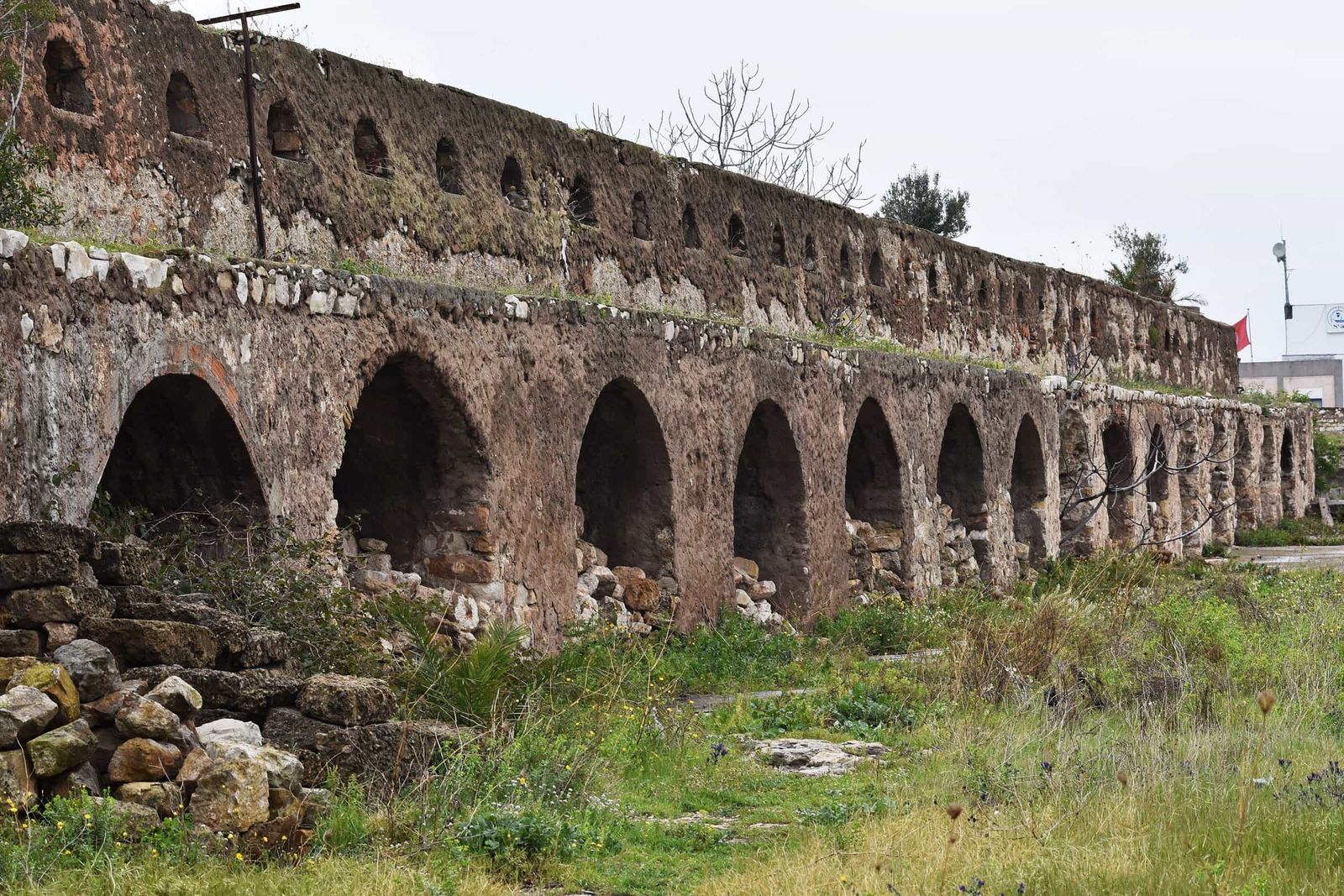
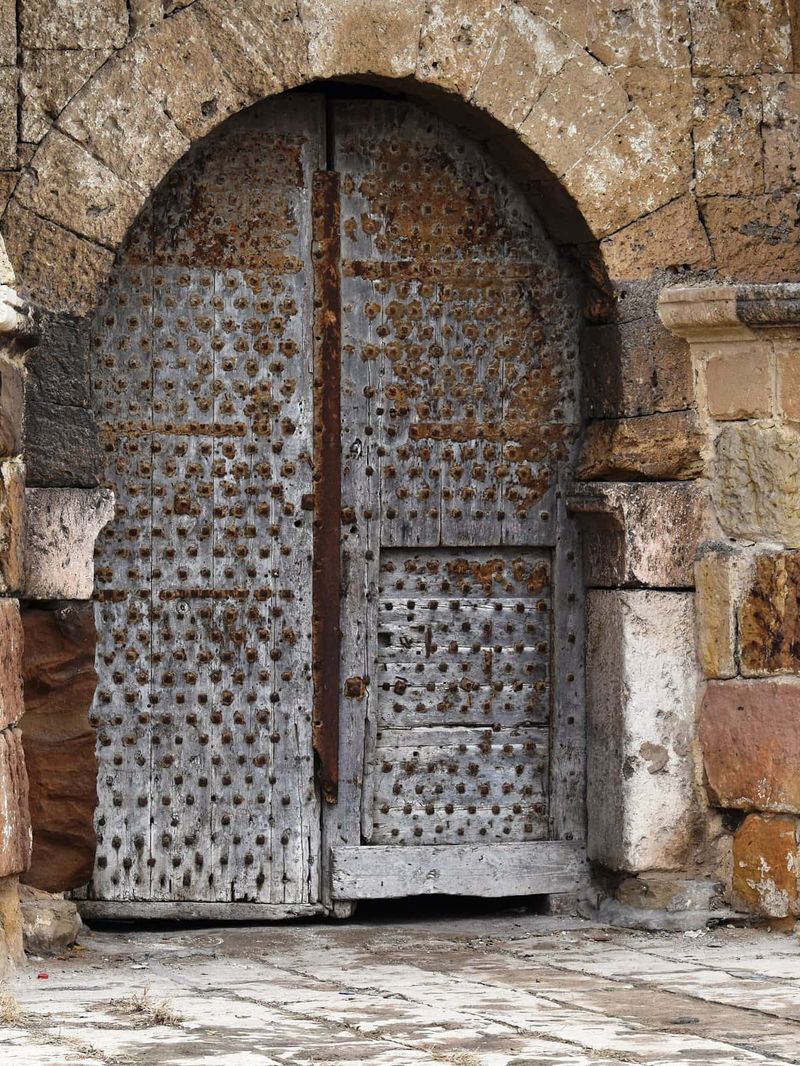
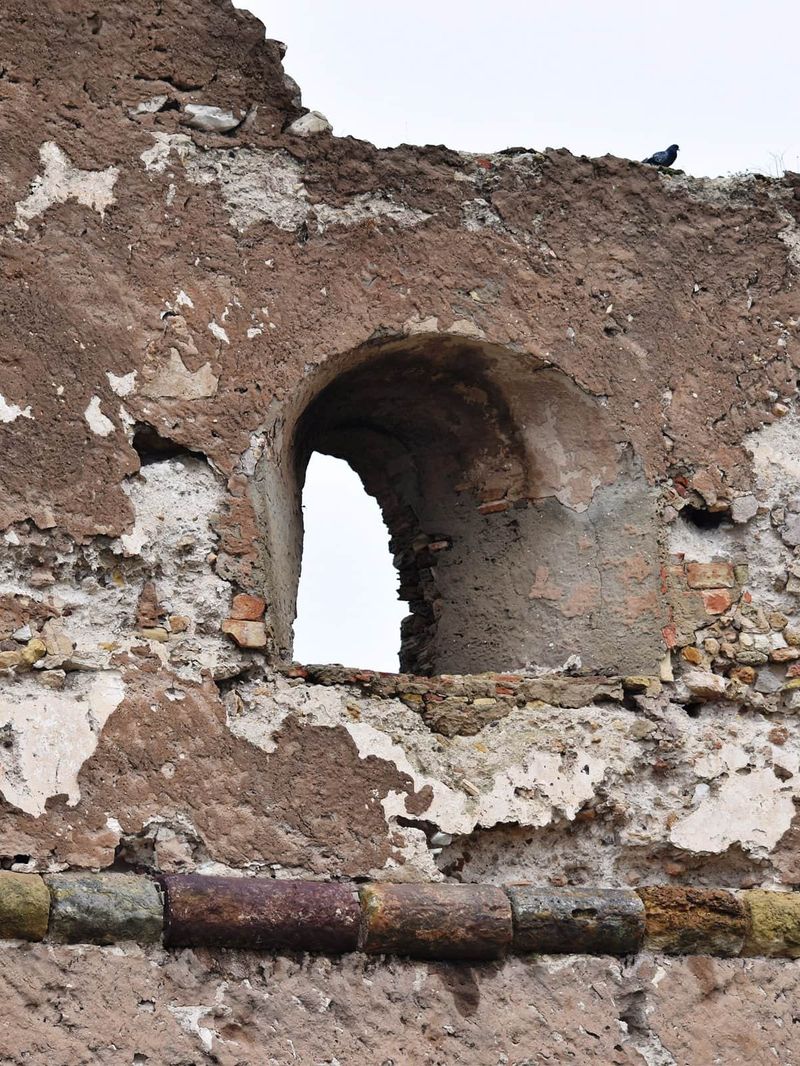
The long walls of the Karraka still dominate the south of La Goulette, with rows of arches, gun ports and a heavy studded gate. A concession for its restoration and opening to visitors was signed in 2021. The work has been slow and the fort is mostly seen from outside. The summer festival of La Goulette and Le Kram, held since the 1970s, takes its name from the fort.
Exhibo editorial
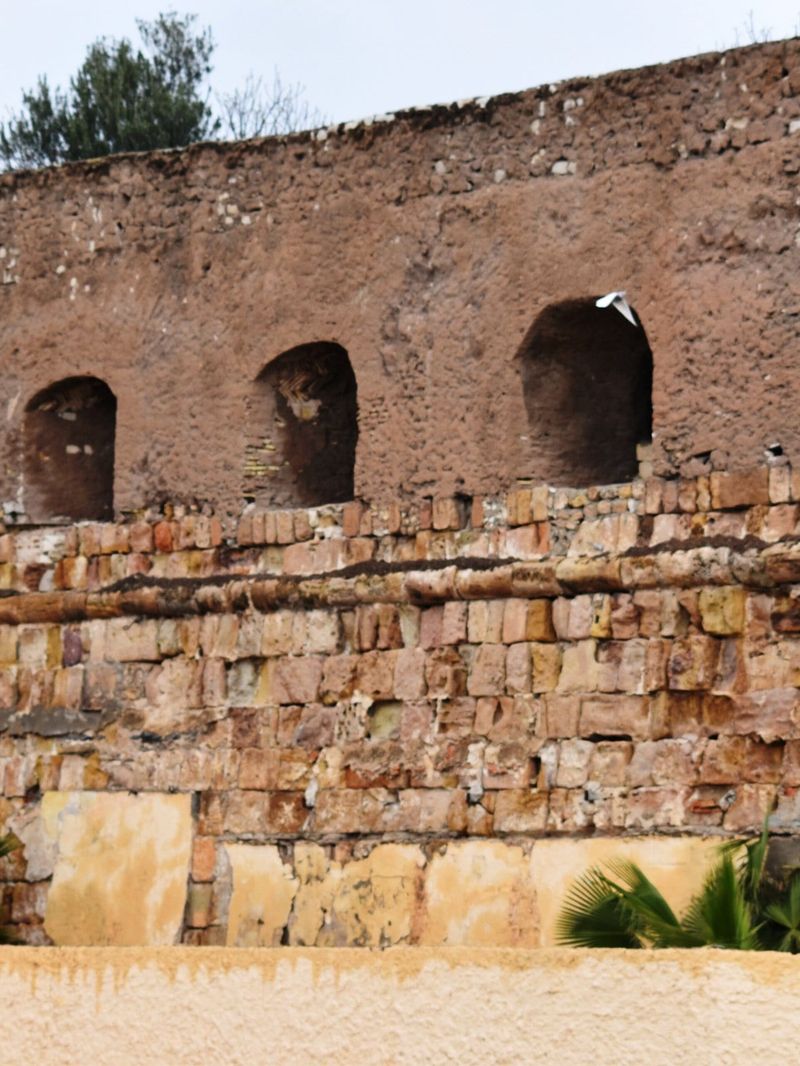
The walls are worn soft, red brick showing through the stone, plants growing out of the gun ports. It looks less like a fortress than a cliff that has been lived in.
Walk its length slowly. Every great power of the 16th century Mediterranean wanted this strip of sand. Here is what they built to keep it. Then go a few streets north for fish and the sea. La Goulette has always been where Tunis meets everyone else.
Gallery
How to find it
The fort is at the southern entrance to La Goulette, near the port, about 10 km east of central Tunis. Take the TGM light railway from Tunis Marine to La Goulette and walk south for about ten minutes. The walls can be seen from the surrounding streets; access to the interior depends on restoration work and events. The streets of Little Sicily are a short walk north.
Similar places
All places
News by Exhibo
Editorial coverage on Exhibo

Why Every Sci-Fi Desert Looks Arab
From Arrakis to Tatooine, when a film wants a desert to feel ancient, prophetic and alien, it reaches for an Arab and Berber vocabulary — and reveals more about the West that built it than the region it borrows from.
The wrapped faces, the trilling women, the barely-displaced Arabic: cinema's alien deserts keep sounding Arab. But the vocabulary was assembled in the West — from Orientalist painting to Lawrence to Dune — and it says more about who is looking than about anyone being looked at.

The Real Aladdin: The Story That Belonged to No Country
Aladdin has no Arabic manuscript older than its French translation. Behind the gap stands a young man from Aleppo, catalogued for a century as anonymous.
The most famous "Arabian" tale in the world is missing from the oldest Arabic manuscript of the Thousand and One Nights — because before a French translator wrote it down in Paris, there was no manuscript of it to be missing from.
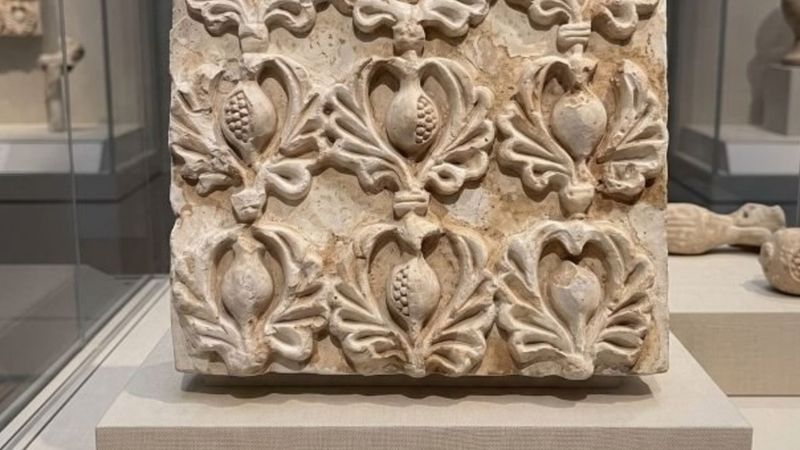
The Fruit We Are Sure We Recognize
How the pomegranate became one of the most confidently named motifs in Islamic ornament — and one of the least confidently identified — across a thousand years of tile, silk and stucco, with meanings we mostly attached later.
A slab of sixth-century plaster in the Met shows a fruit you recognise at a glance: a pomegranate, and surely it means paradise. Hold that certainty up to the light and it dissolves. Across a thousand years of tile, silk and stucco, the pomegranate is the shape we name most confidently and identify least — blurring into the artichoke and the palmette, its meanings attached by later viewers, its very name partly a nineteenth-century invention