Little Sicily, La Goulette
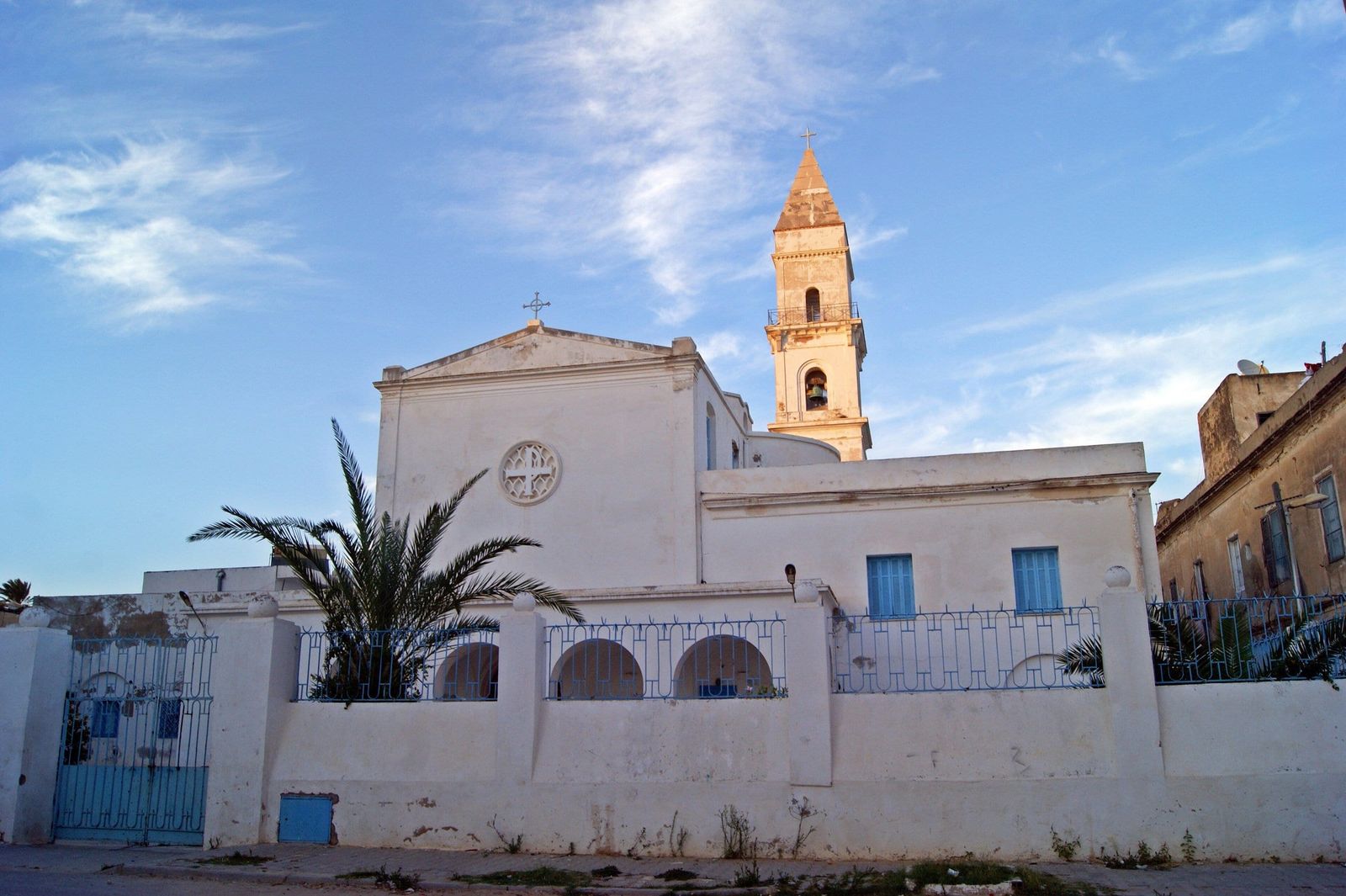
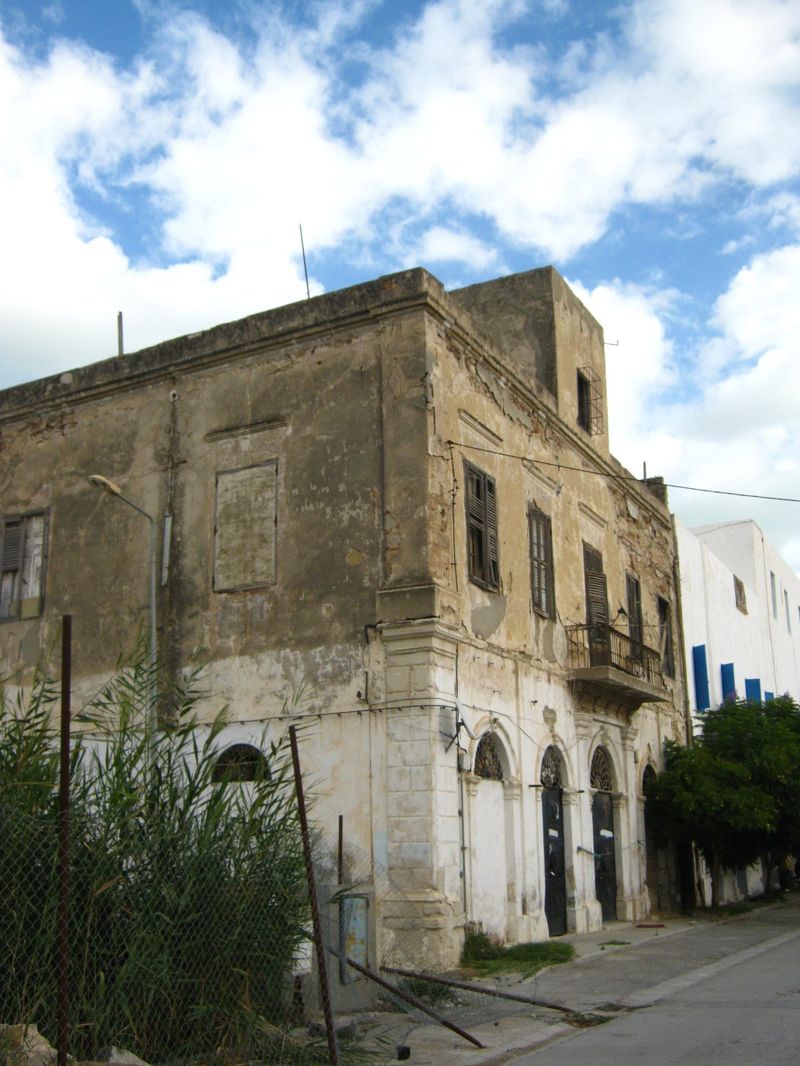
The old Sicilian quarter of La Goulette, where a Catholic church still carries the Madonna of Trapani through the streets every August.
A port of many peoples
La Goulette grew up around the channel between the sea and the Lake of Tunis, the port of the capital. In the 19th century it drew people from across the Mediterranean. Fishermen, labourers, craftsmen and sailors came from Sicily, Malta and mainland Italy, especially after the Italian Tunisian treaty of 1868 opened the way to migration. They settled beside Muslim and Jewish families in the old streets near the port.
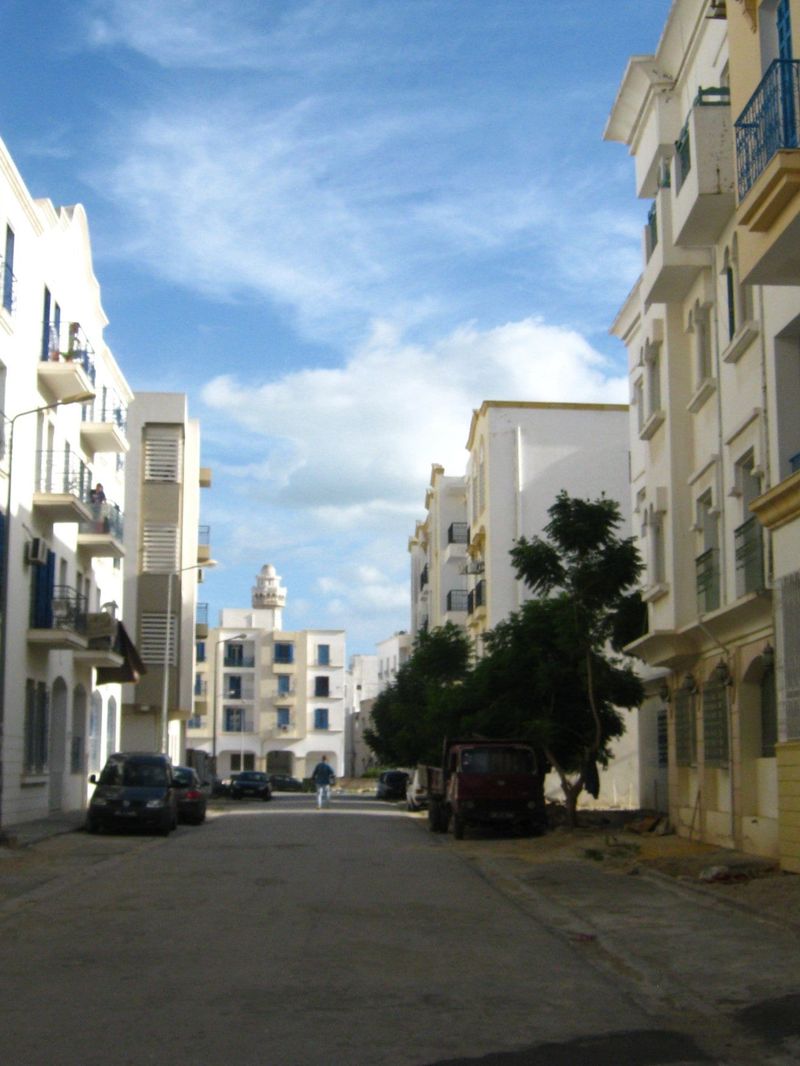
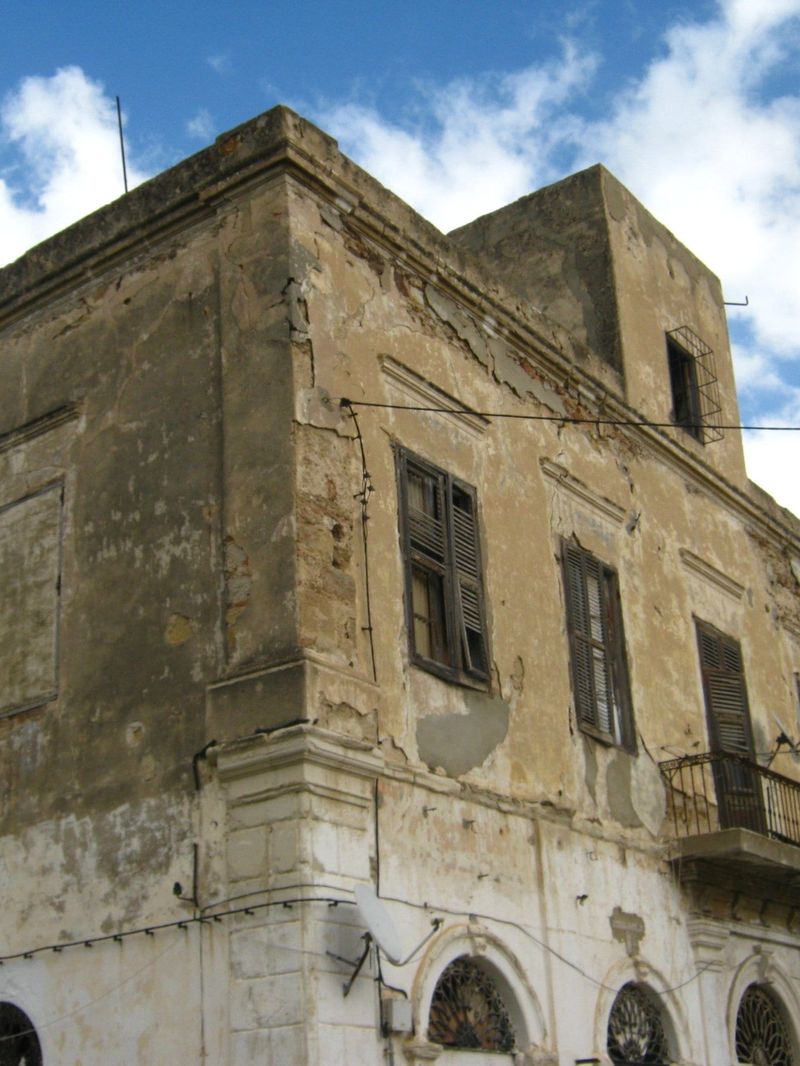
The Sicilian quarter became known as Piccola Sicilia, Little Sicily. Its families spoke Sicilian dialect, fished the gulf and built their houses in the Italian style of the time. Several words of Sicilian origin passed into the local dialect.
The church and the Madonna
The heart of the quarter is the Church of Saint Augustine and Saint Fidelis, a white church with a tall bell tower. Inside is a statue of the Madonna of Trapani, brought by Sicilian fishermen. Every 15 August the statue was carried through the streets in a procession joined by Christians, Muslims and Jews.
After independence most of the Italian community left. The procession stopped in the 1960s. It was revived on 15 August 2017 and has grown each year since, drawing large crowds of Tunisians of every faith.
Memory of La Goulette
The film Un été à La Goulette, made by Férid Boughedir in 1996, tells the story of three friends, a Muslim, a Jew and a Catholic, in the La Goulette of the 1960s. It made the town a symbol of the mixed Mediterranean world that existed here. Today a few streets of Italian houses, the church and the fish restaurants by the port keep that memory alive. The Karraka Fort stands a short walk to the south.
Exhibo editorial
Little Sicily is not a museum. It is a few streets of tired Italian facades, washing lines and cats, with a white church at the end. You have to bring the past with you.
Come on 15 August if you can. The Madonna leaves the church on the shoulders of the faithful and the whole street follows. For an hour La Goulette is what it used to be, a town where everyone's saint belonged to everyone.
Gallery
How to find it
The quarter lies in the old centre of La Goulette, around the Church of Saint Augustine and Saint Fidelis on Rue Scipion, about 10 km east of central Tunis. Take the TGM light railway from Tunis Marine to La Goulette Vieille station and walk a few minutes. The procession of the Madonna of Trapani takes place on 15 August.
Similar places
All places
News by Exhibo
Editorial coverage on Exhibo

Why Every Sci-Fi Desert Looks Arab
From Arrakis to Tatooine, when a film wants a desert to feel ancient, prophetic and alien, it reaches for an Arab and Berber vocabulary — and reveals more about the West that built it than the region it borrows from.
The wrapped faces, the trilling women, the barely-displaced Arabic: cinema's alien deserts keep sounding Arab. But the vocabulary was assembled in the West — from Orientalist painting to Lawrence to Dune — and it says more about who is looking than about anyone being looked at.

The Real Aladdin: The Story That Belonged to No Country
Aladdin has no Arabic manuscript older than its French translation. Behind the gap stands a young man from Aleppo, catalogued for a century as anonymous.
The most famous "Arabian" tale in the world is missing from the oldest Arabic manuscript of the Thousand and One Nights — because before a French translator wrote it down in Paris, there was no manuscript of it to be missing from.
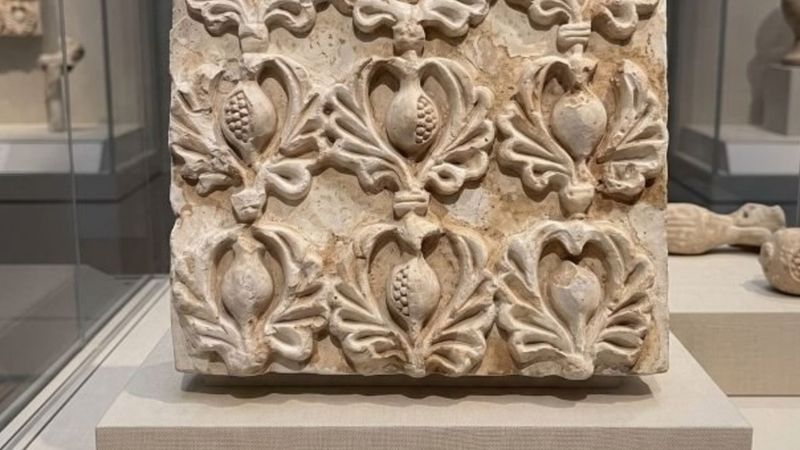
The Fruit We Are Sure We Recognize
How the pomegranate became one of the most confidently named motifs in Islamic ornament — and one of the least confidently identified — across a thousand years of tile, silk and stucco, with meanings we mostly attached later.
A slab of sixth-century plaster in the Met shows a fruit you recognise at a glance: a pomegranate, and surely it means paradise. Hold that certainty up to the light and it dissolves. Across a thousand years of tile, silk and stucco, the pomegranate is the shape we name most confidently and identify least — blurring into the artichoke and the palmette, its meanings attached by later viewers, its very name partly a nineteenth-century invention