Jellaz Cemetery, Tunis
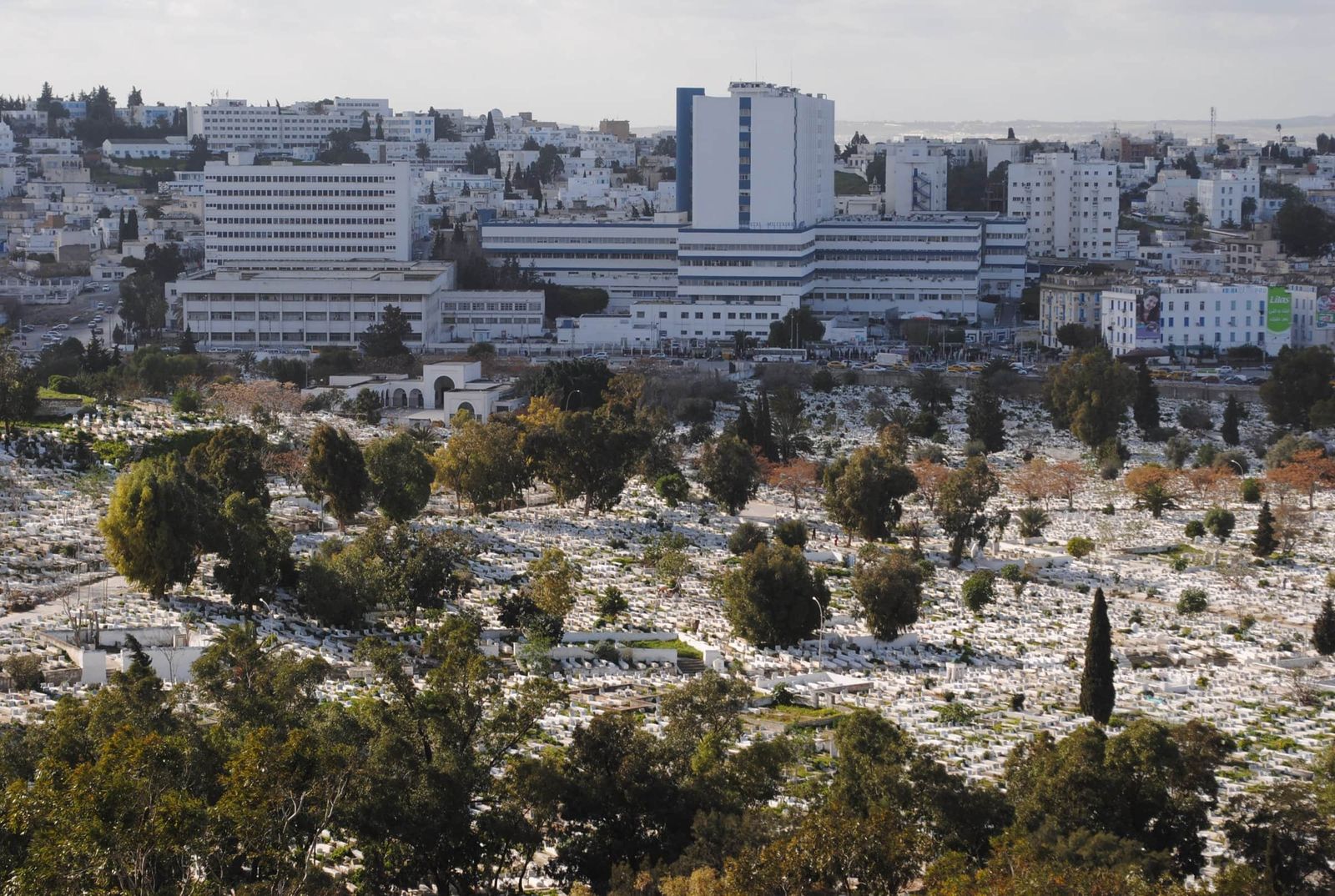
The great Muslim cemetery of Tunis, a hillside of white tombs crowned by the shrine of Sidi Belhassen.
A city of the dead
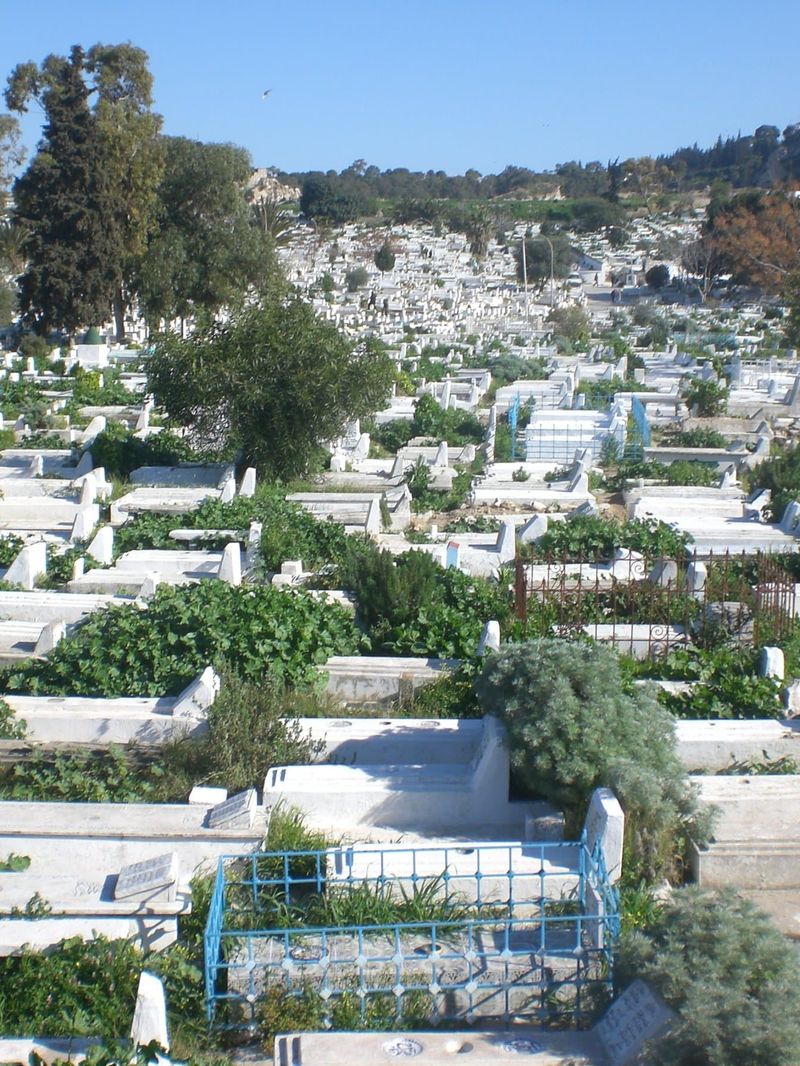
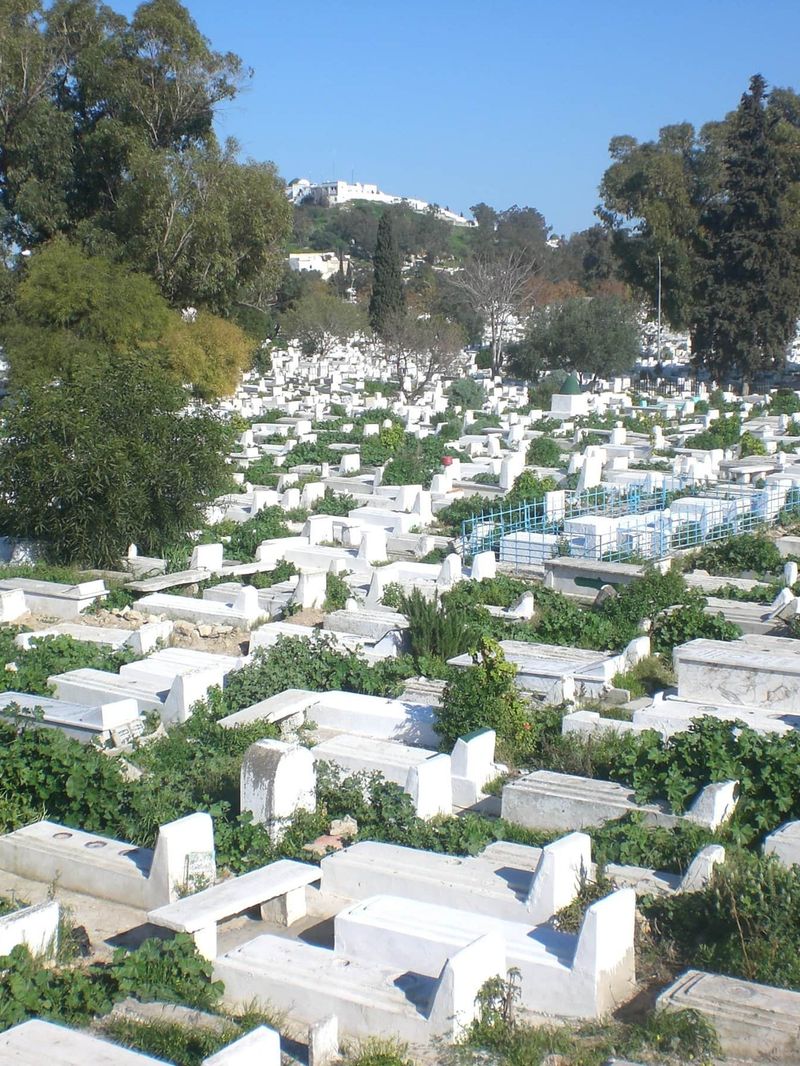
Jellaz Cemetery is the largest Muslim cemetery of Tunis. It covers a hillside south of the Medina of Tunis, in the district of Sidi El Bechir. Thousands of tombs, most of them whitewashed, run down the slope among pines and olive trees. Paths and small roads, each with its own name plate, lead through the plots.
The shrine on the hill
At the top of the hill stands the Zaouia of Sidi Belhassen Chedly, built where the Sufi master Abu al-Hasan al-Shadhili prayed and taught in the 13th century. The presence of the saint made the hillside a favoured place of burial. Many families of Tunis have buried their dead here for generations.
The Jellaz Affair
The cemetery gave its name to one of the first great clashes of the French protectorate. On 7 November 1911 the authorities planned to register the cemetery land. The people of Tunis feared it would be taken. Crowds gathered at the gates and the confrontation turned into a riot, with deaths on both sides. The Jellaz Affair is remembered as a turning point in the rise of Tunisian nationalism.
Remembered here
Many figures of modern Tunisia are buried at Jellaz. Among them is the politician Chokri Belaïd, whose funeral in 2013 drew a huge crowd. The cemetery is still in daily use.
Exhibo editorial
From the upper paths you see the whole of Tunis: the medina, the towers of the new city, the lake beyond. In front of it all, the white tombs pour down the hill like a second, quieter city.
People come here on Fridays and on feast days with water, flowers and bread. It is not a monument; it is where Tunis buries its own. Walk slowly and keep your camera low.
Gallery
How to find it
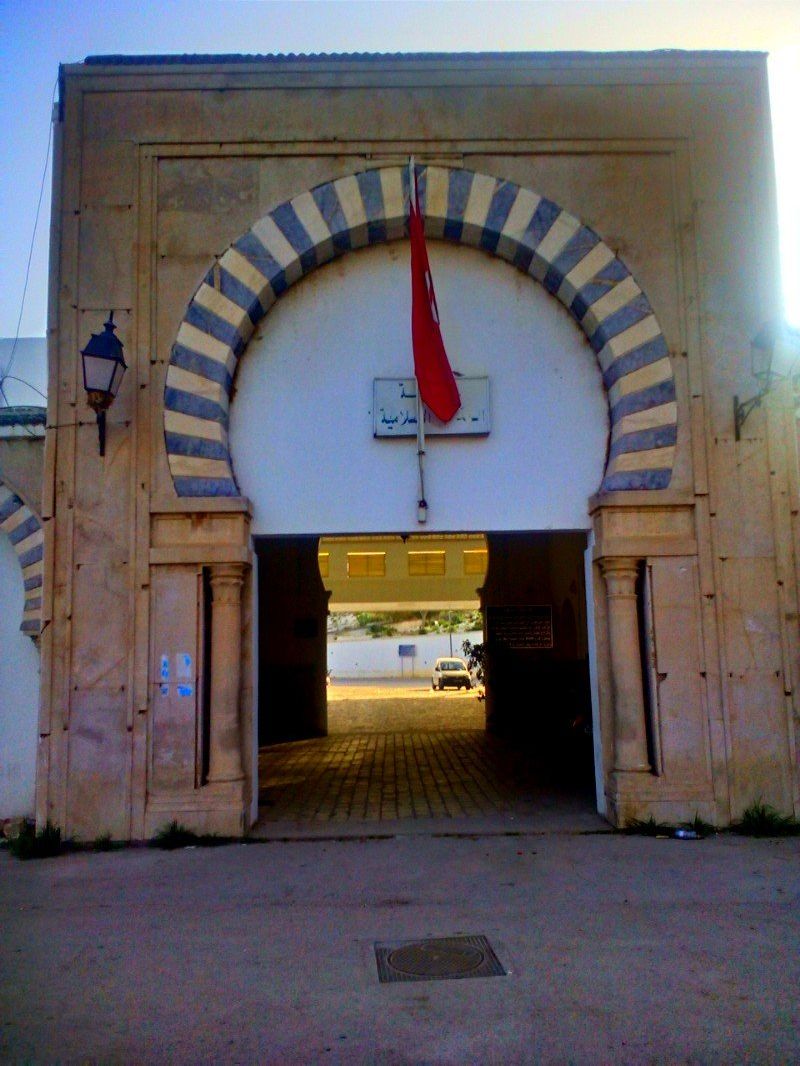
The cemetery lies south of the medina in Sidi El Bechir. From Bab Jedid or Bab Alioua it is a short taxi ride. The main gate faces the city; paths climb from there to the Zaouia of Sidi Belhassen Chedly at the top of the hill. Visitors should dress modestly and respect funerals in progress.
Similar places
All places
News by Exhibo
Editorial coverage on Exhibo
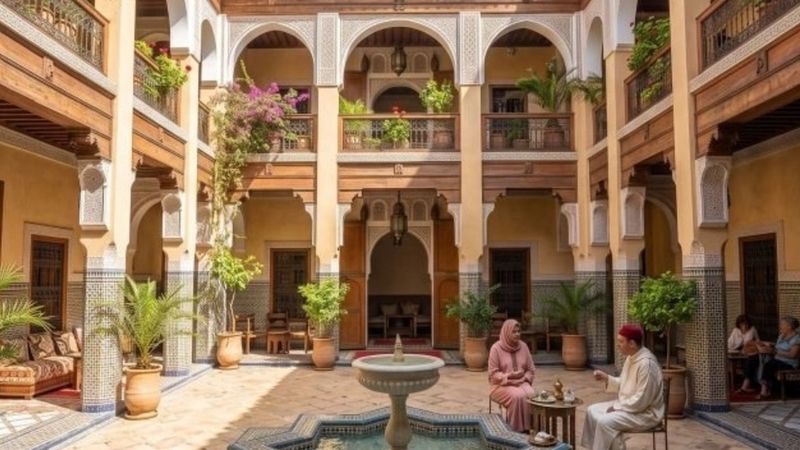
Why North African Cities Turn Inward: The Story of the Courtyard
A courtyard plan far older than Islam turned North African houses — and the medinas built from them — to face inward. Climate and religion only half-explain why, and what finally displaced the courtyard says the rest.
The blank walls and inward courtyards of Fez, Tunis, Algiers and Cairo are usually explained by heat or religion. Both are true; neither is the whole story. The clue is in what eventually pushed the courtyard out of the modern city.
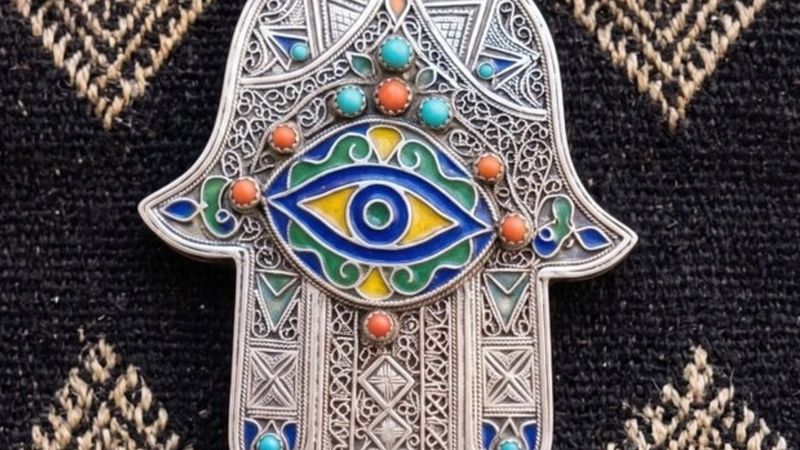
The Hand That Everyone Named After Their Own
The Khamsa across North Africa — Marrakech, Tunis, Algiers — and why the oldest thing about it is the shape, not the story.
Everyone calls it something different — the Hand of Fatima, the Hand of Miriam, the Hand of Mary. One five-fingered shape, several holy names, each written onto it by a community that made it its own. From a carved hand over the Alhambra's gate to Kabyle silver, synagogue lamps and a boy on a Marseille motorway, this is the story of a symbol older than the names it carries — and shared by more people than any one of them.

Becoming the Ocean: BIM'26 Opens Within Jaou Tunis
Sixteen newly commissioned works confront the collapse of inherited orders at the Biennale de l'Image en Mouvement
Curated by Lina Lazaar and Andrea Bellini, the eighth edition of the Biennale de l'Image en Mouvement unfolds at the Caserne El Attarine in Tunis, asking what it means to think from interdependence rather than separation.