
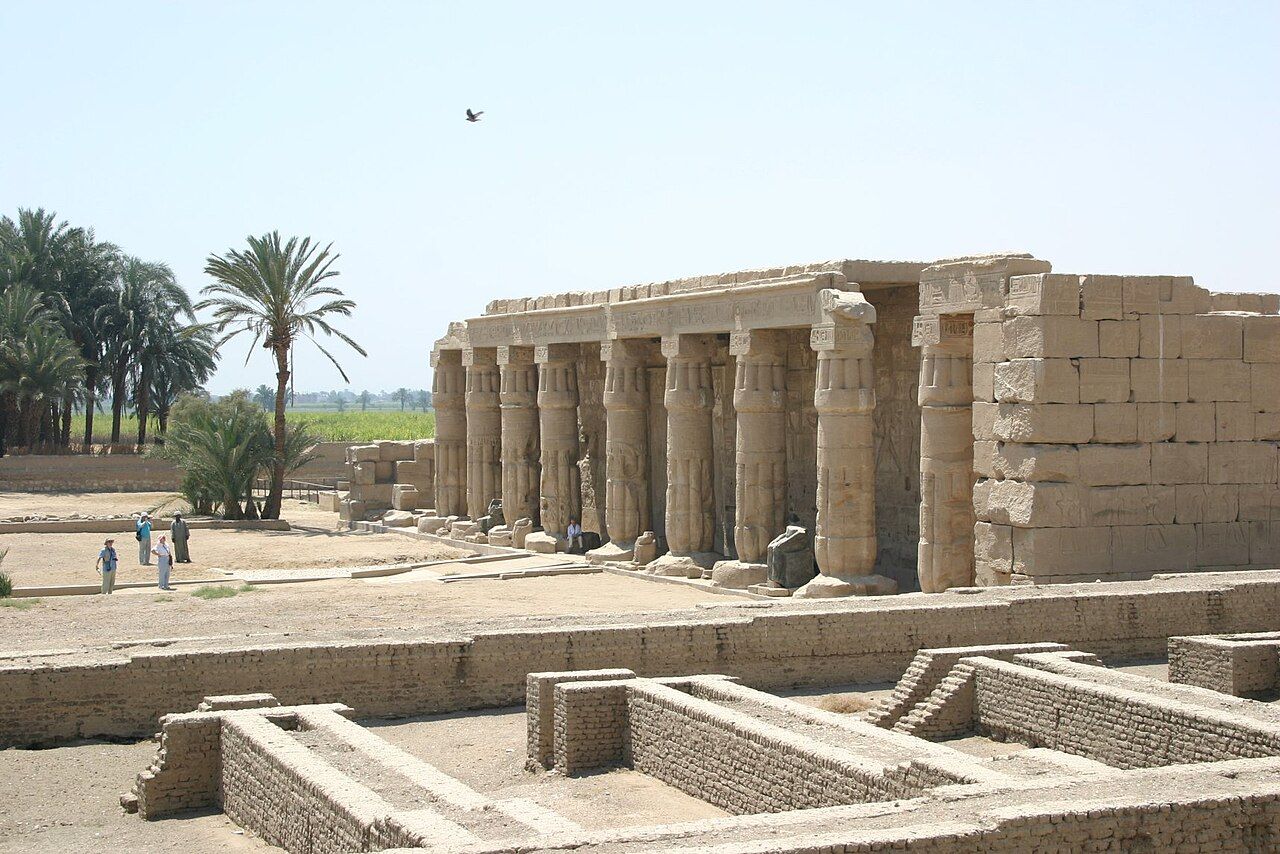
Temple of Seti I at Qurna
The mortuary temple of Seti I at the northern edge of the west bank — refined reliefs and almost no visitors.
A father's temple
The Temple of Seti I stands at the northern end of the Theban necropolis on Luxor's west bank, near the road to the Valley of the Kings. It was built as the mortuary temple of Seti I, second king of the Nineteenth Dynasty in the late fourteenth and early thirteenth centuries BC and father of Ramesses II, and dedicated both to his cult and to that of his father Ramesses I and to the god Amun. Seti died before it was finished, and Ramesses II completed and decorated parts of it, adding scenes of his own.
Refined reliefs
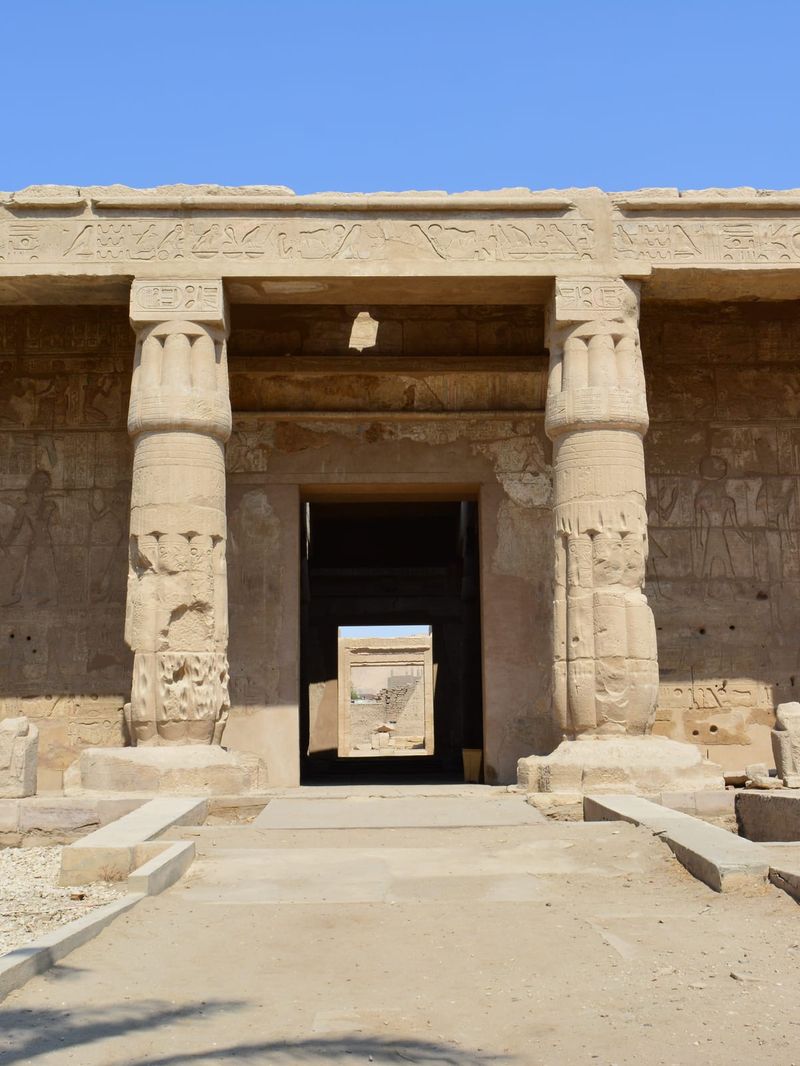
Seti I's reign is renowned for the quality of its relief sculpture, seen at its finest in his temple at Abydos and his tomb in the Valley of the Kings. The temple at Qurna shares that refinement: its surviving portico of papyrus columns and its inner halls preserve finely carved reliefs of the king making offerings to the gods, of the sacred barques of Amun, and of the deified Ramesses I. Much of the temple's front courts and pylons, built of mud brick, has disappeared, but the stone core remains impressively intact.
Restoration
The temple has been excavated and restored by the German Archaeological Institute in Cairo over several decades. It was one of the stations of the Beautiful Festival of the Valley, when the sacred barque of Amun crossed from Karnak to visit the temples of the west bank. Visited by few tourists, it offers a quiet and contemplative introduction to the west bank and is part of the UNESCO World Heritage Site of Ancient Thebes with its Necropolis.
Exhibo editorial
Most visitors drive right past it on their way to the Valley of the Kings, and that is your good fortune. In the cool of the portico the reliefs of Seti I come at you with a delicacy that seems almost impossible in stone — the faces calm, the lines fine as drawing, the hieroglyphs crisp.
Come first thing in the morning, before the valley, when the light rakes across the walls and the only sound is birds in the palms. It's a twenty-minute visit that can change how you see everything else on the west bank.
Gallery
How to find it
The temple stands at the northern end of the West Bank necropolis, near the start of the road up to the Valley of the Kings; ask a taxi for Ma'bad Seti in Qurna. The ticket is checked at the gate, and the stone portico and inner halls are straight ahead behind the remains of the mud-brick courts.
Similar places
All places
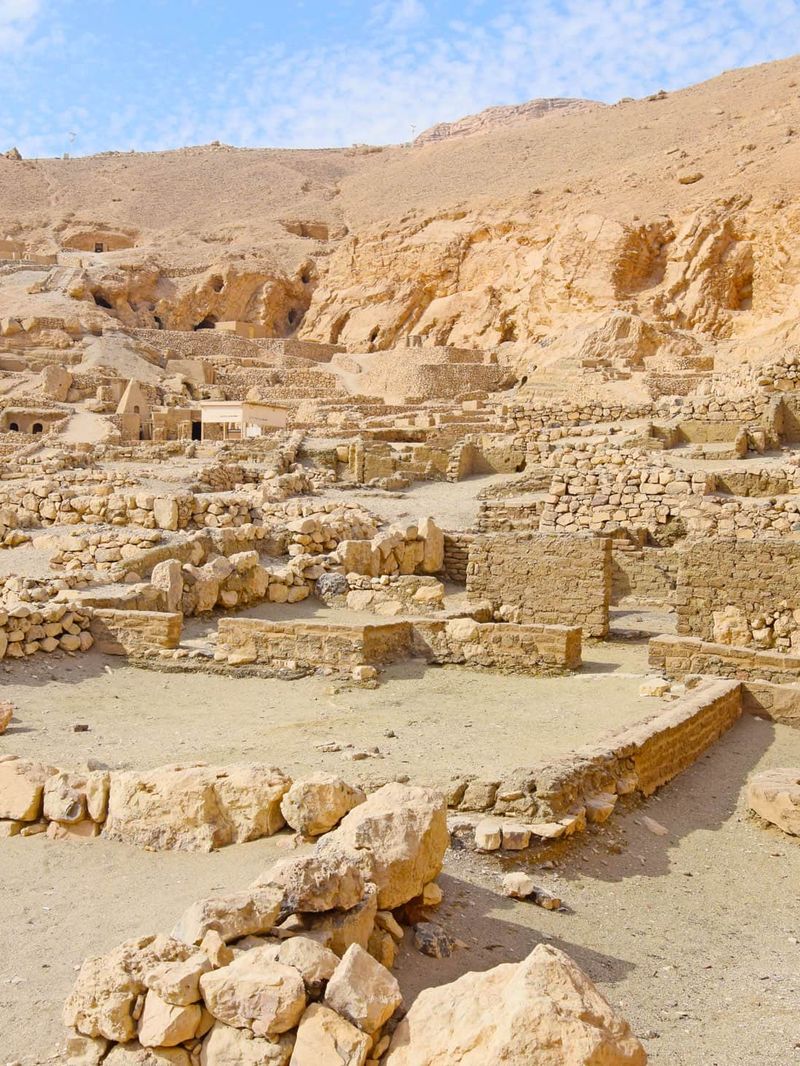
News by Exhibo
Editorial coverage on Exhibo
Unearthing the Golden City: Daily Life in Ancient Egypt
How a newly excavated workers' quarter reframes pharaonic history
A major survey travels to the West Coast, bringing ancient artefacts that shift focus from royal opulence to the daily lives of those who built the empire.
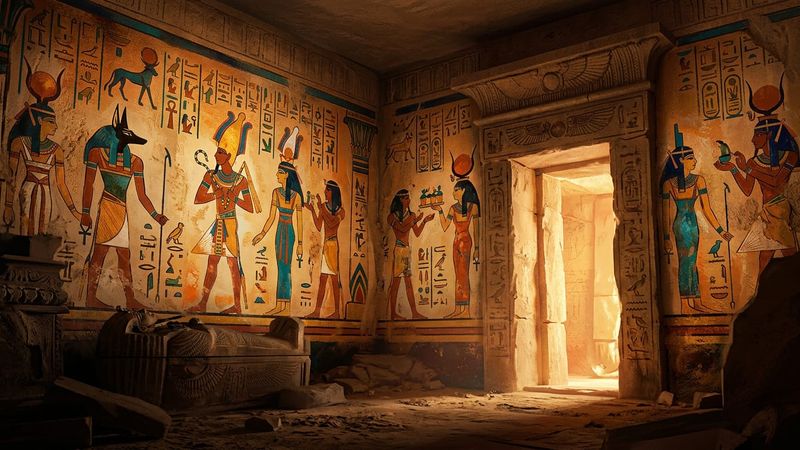
Ancient Egyptian Tomb with Vibrant Murals Unearthed in Luxor
Dutch excavation reveals well-preserved Ramesside period burial with rare coloured wall paintings
Archaeologists have uncovered a 3,000-year-old tomb on Luxor's west bank featuring brightly painted murals that provide valuable insights into elite burial practices during Egypt's New Kingdom period.